
ICENAVI PRACTICAL FIT · LUGGAGE & WEATHER
Decide when your clothes must recover, then decide how many to pack
These scores compare city and winter self-drive patterns, rain and snow, car space, luggage storage, activity gear, laundry and accommodation recovery. They do not guarantee equipment at a particular hotel, rental car or activity. Before paying, confirm what the activity supplies and what the stay offers for laundry and storage.
The real luggage cost is wet clothing, access in the car, evening recovery and the next activity, not the number of heavy garments in the case.
A city or day-tour base can hold the large case at the hotel; a South Coast drive needs day-use layers, wet shoes, dry clothes and activity gear within reach.
A windproof waterproof shell and replaceable insulation do more work than duplicate coats. Each night, ask whether shoes, socks and outer layers can dry.
Never assume a large case is safe in the car. If an activity meeting point or harbour has no storage, ask the hotel, check vehicle capacity and decide who will carry it.
Helmets, crampons, dry clothing and insulating layers vary by product and size. Before paying, separate what is supplied from what you still need to bring.
Laundry, drying space, heating and a walkable dinner can keep wet clothes from becoming tomorrow's problem. Without them, pack more spare layers.
Pack for whether today can leave you wet, not for the calendar month
Walking around Reykjavik, joining a day tour to a waterfall and driving the South Coast may all sound like a summer Iceland trip, but they place very different demands on your luggage. In the city, the problem is often wearing too much indoors. At a waterfall or black-sand beach, wind and spray can soak you before the next stop, leaving one cold garment to wear. On a self-drive, you also need an evening plan for wet shoes, gloves and trouser hems, and to know whether they will still be usable in the morning.
So I would not start with the question “Which month?” I would ask whether you will stand in exposed wind, walk over mud, wet grass or snow, and change hotels every night. If the answer is yes to two of those questions, build around layers and replacement pieces rather than packing three versions of the same heavy coat.
If your route includes long stops at waterfalls, black-sand beaches or an ice-cave meeting point, Iceland waterproof jacket layering breaks down the shell, mid-layer and quick-drying plan. This packing page handles quantities; the jacket guide makes each layer work. For cameras, phones and hairdryers, check the socket before you reach the hotel, with Iceland plug and voltage preparation covering adapters, 100-240V labels and car charging.
| Trip version | Genuinely essential | Easy to overpack | Final check before departure |
|---|---|---|---|
| City + day tours | Waterproof shell, hat and gloves, packable mid-layer, insulated bottle | Several large down coats, formal shoes | Whether the meeting point involves outdoor waiting, and what the operator supplies |
| South Coast self-drive | Waterproof shoes, second pair of socks, dry-clothing bag, power bank | Heavy clothing assumed to dry in the car | Roads, wind, accommodation laundry and the next day's walking |
| Winter / ice-cave activity | Base layer, mid-layer, warm hat and gloves, and a complete waterproof outer layer | An everyday coat that is thick but not windproof | Whether the named tour supplies shoes, crampons and helmet, plus health or clothing restrictions |
Put the luggage plan back on the route: when will wet clothes recover?
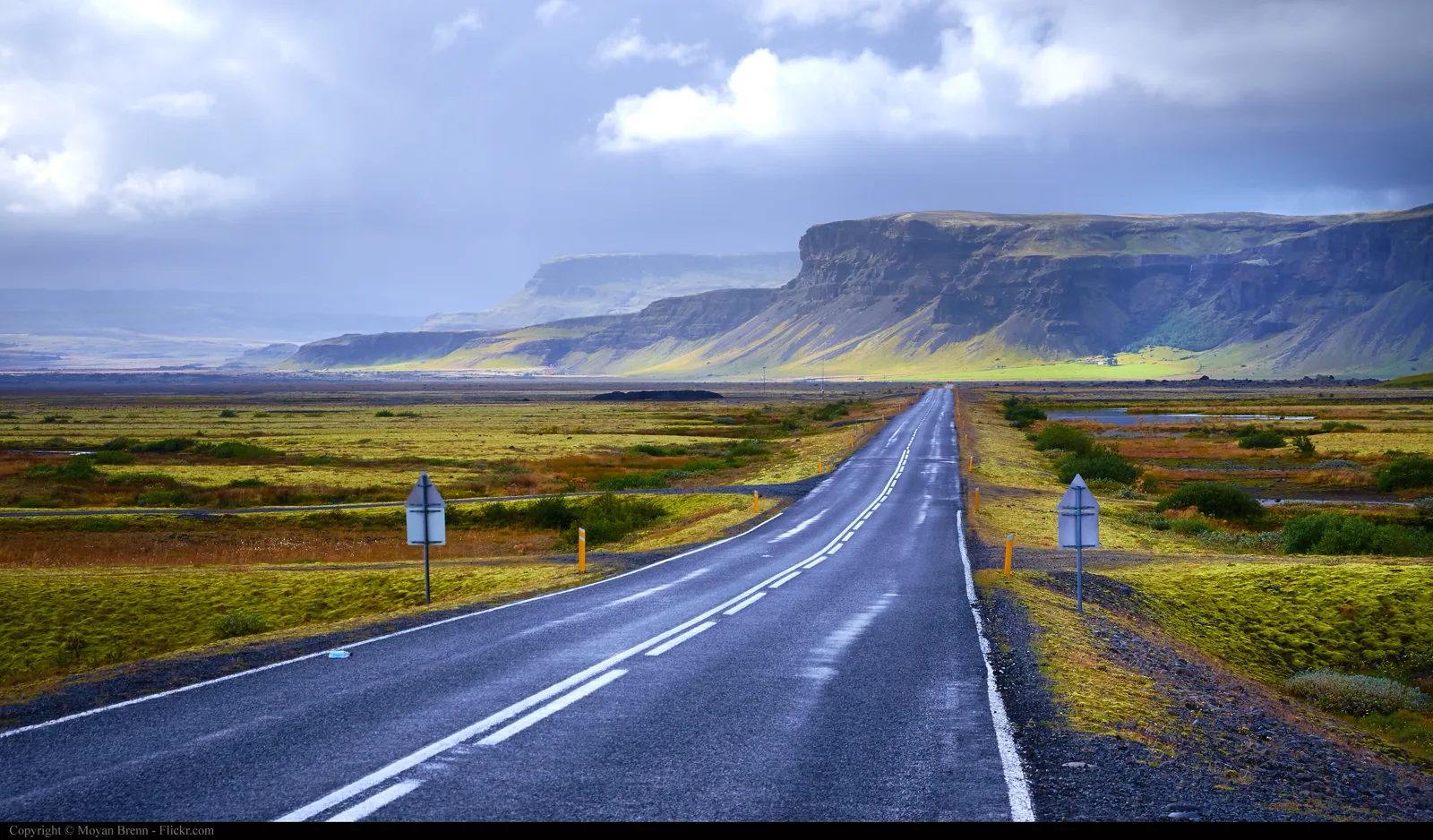
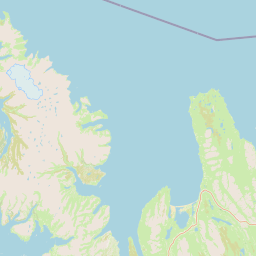
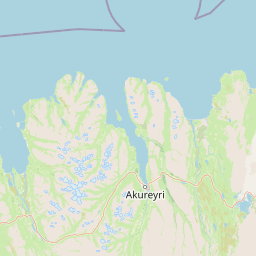
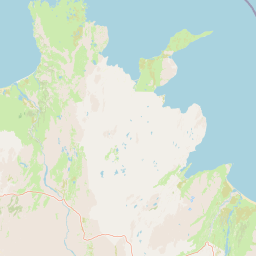
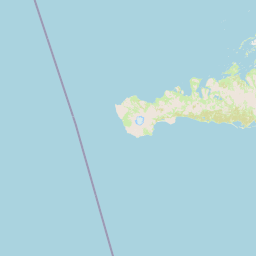
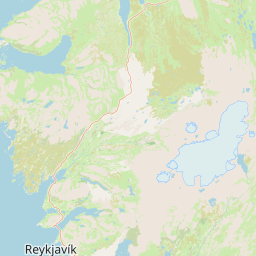
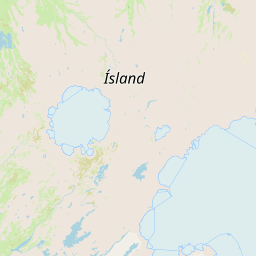
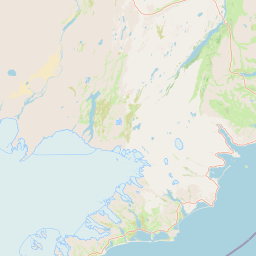
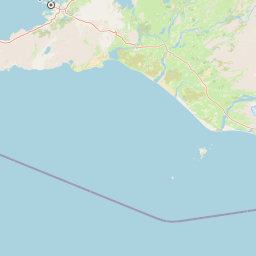
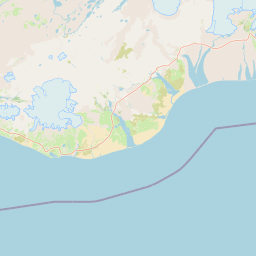
The map below uses a real OpenStreetMap base to mark KEF/Reykjanes, Reykjavik, Vik and Jokulsarlon. A city or day-tour base can hold the large case at the accommodation. On a South Coast drive, car access, activity gear, luggage storage and laundry need to be considered at each overnight stop; otherwise one wet shoe becomes a route problem on day two.



Three layers are a way to solve cold, not outdoor jargon
SafeTravel's advice is clear: the outer layer blocks wind and water, the mid-layer provides warmth, and the base layer should be light wool or synthetic, not cotton. That does not mean everyone needs technical mountaineering clothing. The value is flexibility: close the shell before reaching a waterfall, then remove a layer in the heated car or a cafe. A very thick coat with no adjustment can make you sweat in the car and lose heat to the wind outside.
If your summer problem is that it looks early but you are already exhausted, when to stop driving under the midnight sun belongs beside this packing guide. A power bank and dry bag should support a manageable evening, not fill the boot for its own sake.
Do not wait until the forecast looks truly cold to pack gloves and a hat. In Iceland, they matter when you need your hands for a phone, camera, car door or trail rail. A set that can get wet and be replaced is more useful than expensive gear you are afraid to expose to the weather.
Give each item a place, starting with the order you will reach for it
On a self-drive, the nuisance is not simply having too much luggage. It is opening the entire boot in rain to find one dry pair of socks. The zones below are not airline weight rules; they follow the question "When will I need the next item after parking?" Once you reach the accommodation, move wet clothes to a place where they can dry or be washed.
| Place | What goes there | Access rule | Problem solved |
|---|---|---|---|
| Personal day pack | Documents, phone, power bank, medication, gloves, dry socks | Reach it at every stop without opening the boot | Warmth and communication tools stay at hand when rain or snow arrives |
| In-car access bag | Windproof waterproof shell, hat, spare socks, waterproof bag | Keep it in the cabin; isolate wet clothing in a bag | Wet outerwear does not press against dry clothes, and you do not unpack everything for one coat |
| Boot / large case at the stay | Replacement clothes, toiletries and laundry bag that will not be used en route | Open fully at the accommodation; do not bury daily items at the bottom | Less luggage sorting beside a car park, exposed road or snowbank |
| Activity bag | Self-supplied gear confirmed on the activity page, plus wet items kept separate afterwards | Pack it independently the night before; record supplied and personal items separately | Ice-cave, snorkelling or riding equipment does not get mistaken for gear that suits every activity |
Your shoes may decide whether you skip a stop
Waterproof shoes are not about making a photo look like a hiking advert. Wet ground near waterfalls, rainy car parks, windblown black sand and snow at a winter site will quickly defeat ordinary trainers. SafeTravel also highlights warm waterproof footwear and wool or synthetic socks. If you bring one pair, choose waterproof shoes with a stable sole and enough room for thick socks. If you have space for a second, make it a light pair for the hotel and city dinner, not a substitute for outdoor footwear.
One space-saving method is to put spare socks, a thin mid-layer and a plastic or waterproof bag in the day pack instead of leaving everything in the case. Being able to see ten dry outfits in the boot does not help when rain has soaked you this afternoon. The bag is not decoration; it keeps wet and dry clothes apart before the next stretch of walking.
Self-drivers need a recovery plan, not more clothes
A self-drive needs one extra recovery plan. SafeTravel notes that Icelandic roads and weather can change quickly, and that outdoor decisions should follow forecasts, alerts and conditions on the ground. Its outdoor guidance also lists a phone and extra power bank as basic communication preparation. That is why a power bank, car charger, offline map and small dry bag take priority: they help when a change of route leaves you searching for accommodation with 8% battery. Shoes, socks and wet clothing need the same recovery plan; Iceland footwear decisions separates city shoes, outdoor shoes and glacier footwear. For reading written forecasts, wind speed and alerts before checking road notices, how to read Iceland weather websites gives a five-minute checking order.
If you have not chosen your data plan, read Iceland self-drive eSIM coverage and activation first. If you will share a connection in the car, check roads every day or upload video, use real navigation and hotspot data use to estimate demand. Coverage and data volume are separate questions, so this is safer than buying the largest-looking plan.
ICENAVI · A departure-day trade-off
Leave one heavy coat behind if you must, but keep a way to get dry and warm again.
When you stay in one city hotel, you can narrow the clothing choice. Moving along the South Coast usually makes a second pair of socks, a dry bag and a stackable mid-layer more useful than another attractive coat. The aim is not to turn a holiday into a survival exercise; it is to stop one shower deciding that you must sit in the car for the next two hours.
Check activity gear instead of guessing: after payment is a late time to find a mismatch
Ice caves, Silfra snorkelling, horse riding and lava caves each come with their own equipment, footwear, age or physical requirements. An operator may provide a helmet, warm outer layer or specialist gear, but "provided" does not mean every size, weather condition or product version is identical. For a line-by-line split between what the supplier lends and what you bring, see Iceland activity-gear rental responsibilities. Before paying, save or record the product page's meeting time, supplied items, personal items and cancellation rules. This article cannot replace the supplier's rules on the day.
To place a winter activity in your route, start with ice-cave season and itinerary buffers, then check ice-cave meeting points and the night before. If your concern is cold or walking on uneven ground for too long, lava-tunnel choices for cold and narrow spaces can help you remove unsuitable versions early. The easiest luggage is the luggage that does not require buying a complete replacement kit at the last minute.
Before closing the case, protect tomorrow morning
- Lay tomorrow's base layer, mid-layer, outer layer, shoes, socks, hat and gloves together; do not scatter them around the case.
- Keep your phone, power bank, car charger and offline map together, and confirm activation does not depend on airport Wi-Fi.
- Do you have a separate wet-clothing bag? If something will still be wet tomorrow morning, do you have one dry basic outfit left?
- Do the meeting address, time, supplied gear and restrictions on the activity confirmation actually fit tonight's accommodation, rental-car return and breakfast time?
If you cannot answer one of these four questions, buying another item of clothing is unlikely to solve it. Return to Iceland booking order and find the point where the schedule became fixed. If arrival and departure nights are still open, begin with where to stay on the first night and where to stay on the final night. Packing is ultimately a way of supporting each day's route.
Q&A: What should you pack for Iceland, and what can you leave out?
Do I still need a waterproof outer layer in summer?Yes. Wind, rain and quick weather changes can reduce how warm you feel fast. A waterproof shell and replaceable mid-layer are more useful than another thick coat that does not block wind.
Should I take the large case out of the car every day?No. Put passports, medication, camera and that day's clothing in a small day pack, and leave the large case in a lockable boot or at the accommodation. Do not leave valuables in the car, and confirm the accommodation's storage arrangement first.
How should I handle a wet jacket or wet shoes and socks?Use a separate waterproof bag and confirm whether the accommodation lets you hang clothing or use laundry facilities. Wet clothes pushed straight back into the case will be hard to wear tomorrow and can dampen everything around them.
Can I bring a hairdryer, hand warmer or other electrical item?Check the input rating on the label and confirm that it supports the local voltage. A packing list is not an electrical-safety check. Do not connect equipment marked only 110/120V with an ordinary travel adapter.
References
- SafeTravel: Appropriate Clothing (layers, avoiding cotton, footwear, socks, hat, gloves and waterproof packs; checked 2026-08-25).
- SafeTravel: Outdoors in Iceland (changing weather, outdoor risks, power banks, the SafeTravel App and emergency communication; checked 2026-08-25).
- Visit Iceland: What to wear in Iceland (official tourism information; checked 2026-08-25).
- © OpenStreetMap contributors (base map and public geographic positions used in the luggage and accommodation recovery figure).
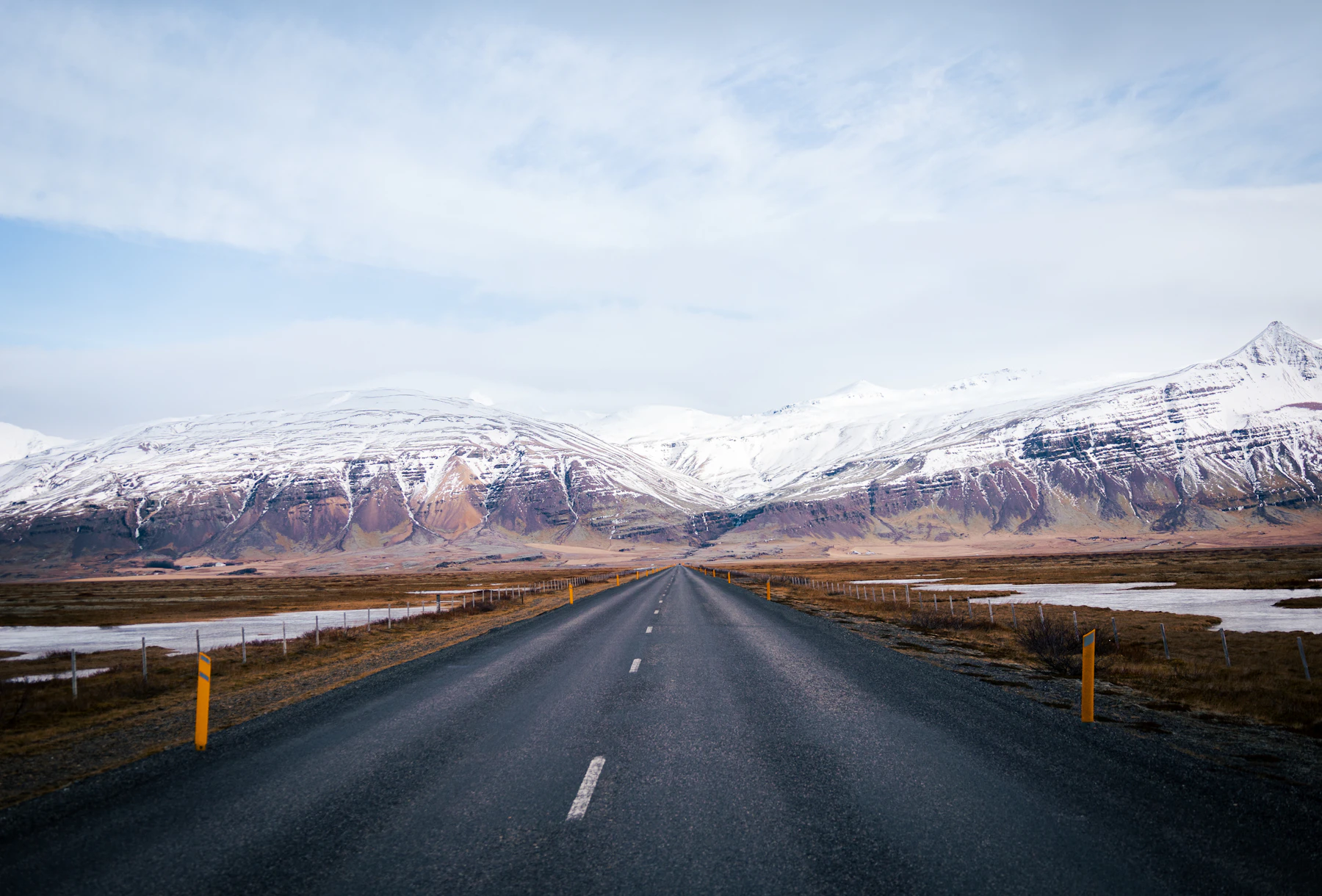
- The hero image is an authorised Iceland outdoor asset from this site. It illustrates changing outdoor conditions and does not guarantee weather, road conditions or clothing requirements for any particular date.