
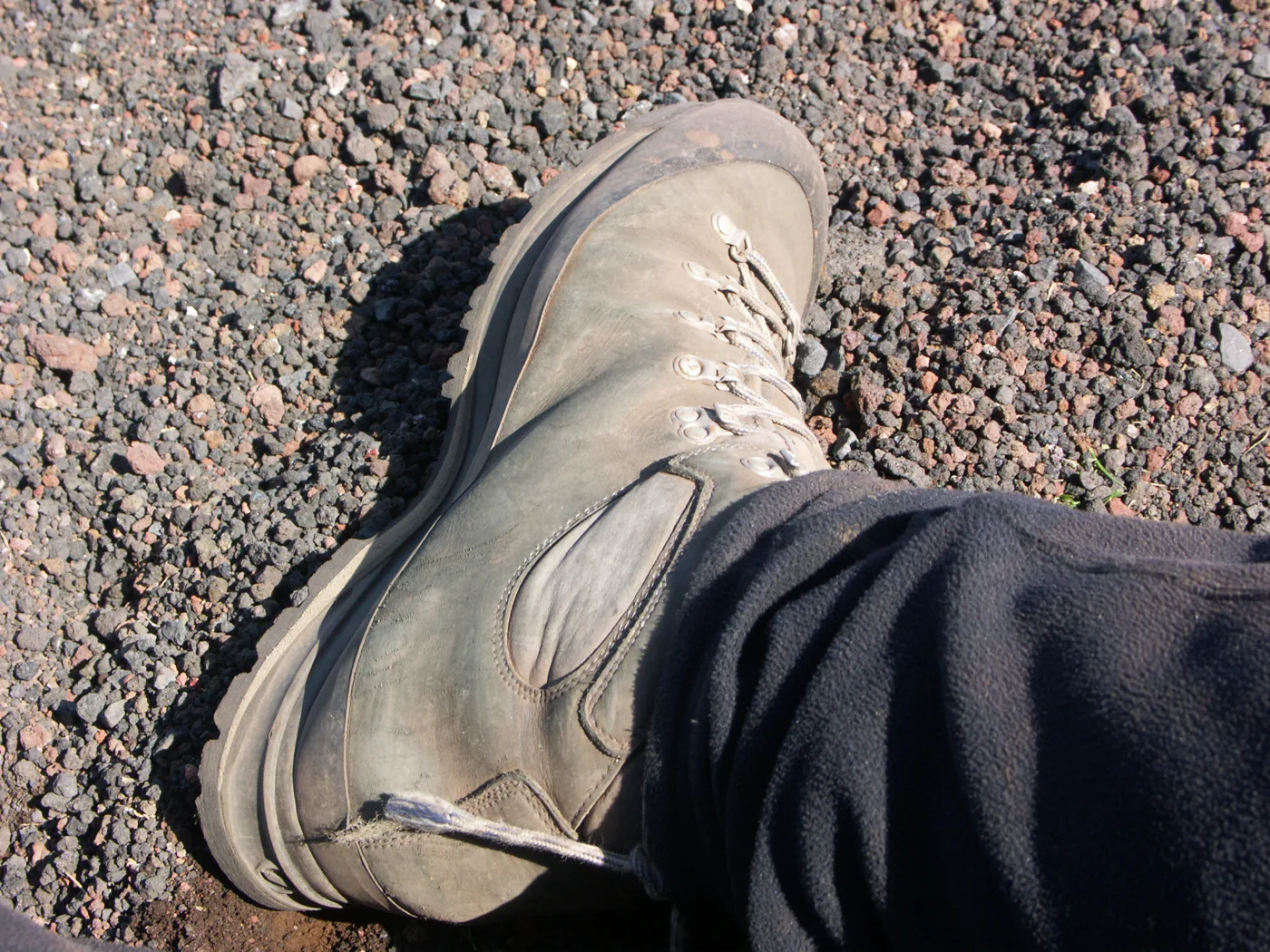
ICENAVI · FOOTWEAR DECISION MAP
This page separates the footwear job for cities, sights and activities before asking whether you need one pair or two. SafeTravel recommends warm, waterproof footwear with wool or synthetic-fibre socks; glacier and ice-cave operators specify ankle support, stiff soles, shoe sizes and crampon compatibility in their product conditions. There is no single best shoe for the whole island—only a shoe that does or does not match your route.
Use a broken-in waterproof shoe as the baseline; bring proper boots for glacier activities
For a typical self-drive trip, take at least one warm, waterproof mid- or high-cut shoe with a grippy sole. Add a light pair for city dinners if useful, but ordinary trainers cannot replace footwear for waterfalls, black-sand beaches and mud. Glacier hikes commonly require ankle support, a stiff sole and a specified shoe size; crampons only fit suitable footwear and do not turn a soft shoe into a glacier boot. Check the rental point, size, price and cancellation terms before carrying a heavy pair for one activity.
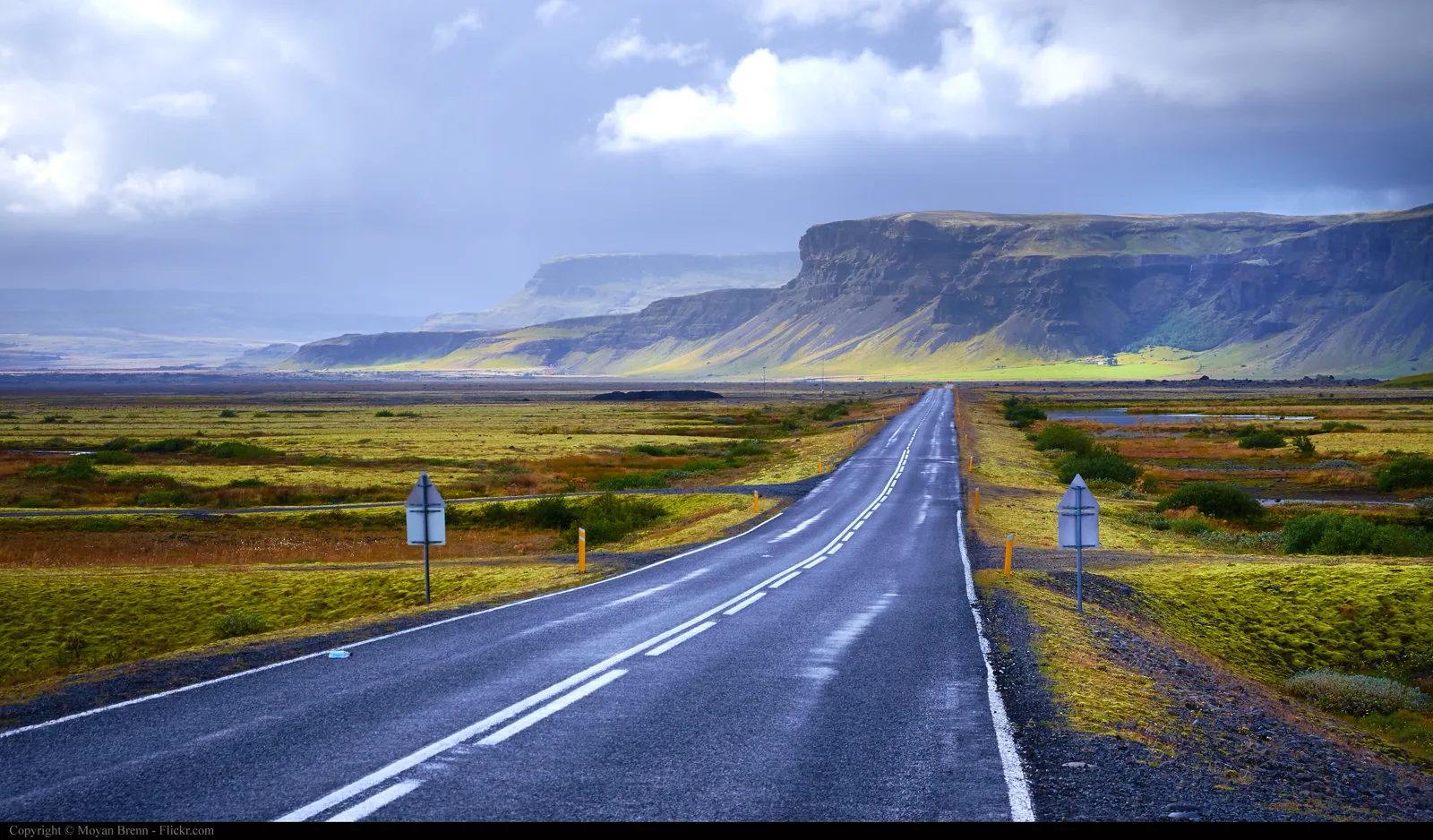
ICENAVI FOOTWEAR · ROUTE CHECK
Does this pair serve the city, or can it take crampons?
The scores cover waterproofing, grip, ankle support, city walking, wet-shoe recovery and activity compatibility. They are not a shoe-brand rating; the specific activity page, guide and conditions on the departure day take priority.
Waterfall spray, black-sand wind and wet grass beside hot-spring rivers test the upper and the socks first; warm waterproof footwear protects the next stop better than a city shoe’s appearance.
Wet slopes, loose gravel and mud need tread and stable support; thick socks or anti-slip stickers cannot restore grip that the sole does not have.
Some operators specify ankle support, a stiff sole and a minimum EU 35 shoe size; this is a participation threshold that comfort scores cannot make up for.
Reykjavík, cafés and city dinners reward a broken-in pair and long-walk comfort; the stiffest hiking boot is not always the most comfortable city shoe.
Wet shoes take up space beside the heater, in the bathroom and in the next day’s luggage; spare socks, a waterproof bag and a second light pair are often more useful than two pairs that both fear rain.
One well-fitting waterproof outdoor shoe covers most routes; add the operator’s specified footwear for a glacier activity, and leave a fallback for wet socks and changing shoes.
First ask what job the shoe must do
Reykjavík’s paved streets and café floors will not test waterproofing; wet grass at a waterfall car park, gravel on a black-sand beach and mud beside a hot-spring river will. Separate “will it get wet today?” from “does it need to hold a crampon today?” and shoe choice stops being a contest between brands and looks.
| Travel job | The shoe must | Acceptable trade-off | Do not assume |
|---|---|---|---|
| Reykjavík city day | Stay comfortable for long walks and handle light rain without immediate soaking | It does not need to be the stiffest hiking boot | A city shoe can handle every waterfall and muddy path |
| Waterfalls / black-sand beach | Be waterproof, grippy and stable on wet slopes | A little extra weight is easier to manage than wet socks | A sunny photograph means dry ground |
| Reykjadalur hot-spring river | Handle mud, wet grass and the return walk, with spare socks available | The upper may get muddy; plan a drying place at the hotel | A “free” attraction means ordinary trainers are enough |
| Ice cave / glacier hike | Have a stiff sole, ankle support and a size that safely fits the specified crampon | Rent the right boot from the operator rather than carry the wrong one | An operator supplying crampons also supplies boots |
If you are still planning the full suitcase, read the Iceland packing list; it handles quantities and wet-clothing separation. This page answers one question: which pair must not be squeezed out of the final inch of your luggage?
Why city trainers lose confidence on wet ground
The problem with city shoes is usually not comfort; it is the lack of margin for wet ground, loose rock and slopes. You may walk only ten or fifteen minutes from the car park, then stop for photographs on a path dampened by spray. Once water or fine sand reaches the sole, grip disappears before the view does. Thick socks cannot replace tread, and two pairs of socks cannot make an upper waterproof.
Use three small checks on the pair you already own: the sole still supports your foot when pressed and does not twist sideways; the seams and tongue keep out rain; and your toes can still move in a slightly thicker wool sock. If it fails one check, keep it for a city dinner rather than test it on a black-sand beach. SafeTravel recommends warm waterproof shoes and wool or synthetic-fibre socks; it does not require every traveller to buy specialist hiking boots. The question is whether the shoe matches today’s ground.
Crampons are not boots: read the activity terms carefully
Guides fit glacier-hike crampons as part of the activity, but the crampon needs a stiff, ankle-supporting boot. Arctic Adventures lists hiking boots as required for its Sólheimajökull and Skaftafell products and notes that its crampons cannot be safely fitted below EU 35; Iceguide’s FAQ says hiking boots are encouraged for glacier tours and that some Skaftafell and Sólheimajökull meeting points offer rentals. These are individual operator conditions, not one Iceland-wide standard.
| Check before paying | Why it affects participation | Who to ask | Do not substitute |
|---|---|---|---|
| Sole stiffness and ankle height | Crampons need a secure base; soft or low-cut shoes may be unsuitable | The activity operator, not the car-rental desk | Thick socks, shoe covers or ordinary grip stickers |
| Minimum shoe size | Below the specified size, the crampon may not fasten safely | The product page and the guide on the day | Guessing a child’s size from an adult shoe size |
| Whether boots can be rented | Rental location, sizes, prices and cancellation terms vary | The operator’s booking page or customer service | Assuming “crampons included” means boots included |
| Check-in and changing time | Rental, fitting and the safety briefing take time before departure | The voucher and meeting point | Treating navigation arrival time as check-in time |
For example, the Iceguide FAQ lists boot rental for some glacier tours at ISK 1,500 per pair, but price, sizes and supply can change; Arctic Adventures also states size limits for its specified crampons. Use these figures as a prompt to check early, not as a universal activity budget. For a clearer split between what the operator supplies and what the traveller brings, read the Iceland activity-gear responsibility guide.
The final stretch on the map: let your base guide the shoe
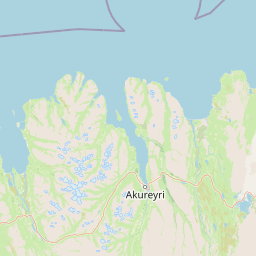
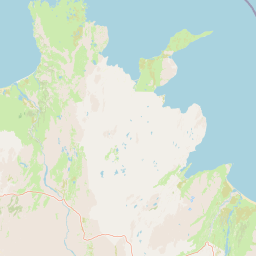
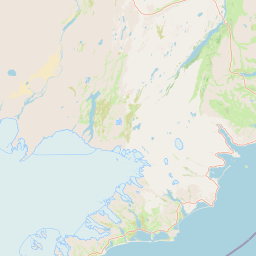
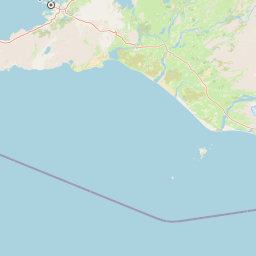
Footwear decides more than whether you can walk into a sight; it also affects whether the shoe can dry by tonight. Reykjavík is the city-shoe base; Þingvellir and Silfra bring meeting points, wet ground and changing together; the Vík area often combines waterfalls, black sand and long drives; Skaftafell may lead straight into a glacier hike. The map below uses a real OpenStreetMap base to mark five locations, so you can see footwear jobs alongside accommodation and activity directions. It is not navigation and does not mean every segment is open on the day.
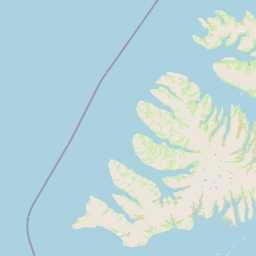
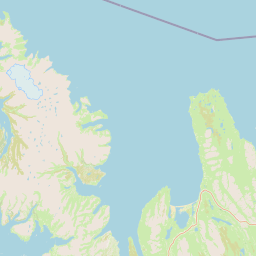
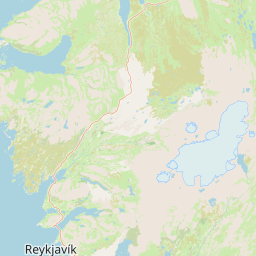
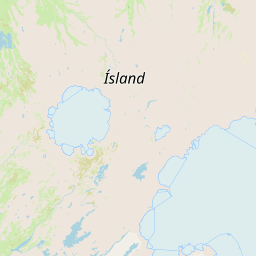
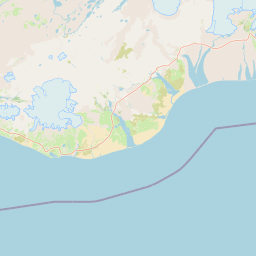
(Lake Mývatn)Wetland and pathsÞingvellir
(Thingvellir)Meeting point / wet groundReykjavík
(Reykjavik)City baseVík
(Vík)Waterfalls / black sandSkaftafell
(Skaftafell)Glacier hike
One pair or two: plan for tomorrow after they get wet
| Luggage version | Route that suits it | Practical benefit | Cost to accept |
|---|---|---|---|
| One outdoor pair | Outdoor stops every day and a hotel that can deal with wet shoes | Takes little space and keeps break-in simple | Once soaked, there is no replacement tomorrow |
| Outdoor pair + light pair | Self-drive, city dinners, consecutive nights or laundry access | The outdoor pair can dry while you avoid wearing wet shoes at night | More weight; the light pair cannot replace a mud shoe |
| Rented activity boots + everyday outdoor pair | One glacier or ice-cave day requiring a specific size or crampon | You do not carry a very stiff boot for the whole trip | Confirm rental point, size, cost and cancellation first |
Test five footwear bottlenecks before buying new boots
Break footwear fit into five boxes, each scored from 0 to 5: waterproofing, grip, ankle support, drying speed and activity compatibility. This is not a medical or activity-eligibility rating; it turns “I think it should be fine” into items you can check. For a city day, high waterproofing and comfort may be enough. For a glacier hike, ankle support, a stiff sole and the specified shoe size remain conditions that other scores cannot replace.
| Situation | Route match | Real bottleneck | Next decision |
|---|---|---|---|
| City + short Golden Circle car-park walk | 4/5 | Comfort and light-rain protection, not crampons | Take the broken-in waterproof pair; no need for heavy kit for one short path |
| South Coast waterfalls + black-sand beach | 3.5/5 | Wet ground, gravel and grip after wind and rain | Put spare socks and a waterproof bag in the daypack |
| Glacier hike | 2/5 (ordinary trainers) | Ankle support, stiff sole, crampon fit and specified shoe size | Rent or bring suitable hiking boots as required by the operator |
| Hot-spring river + consecutive city nights | 4/5 | Whether the shoe can dry before the next evening | Prioritise a shoe bag, newspaper or drying method and a second pair of socks |
For a combined comparison of shoe sizes, equipment and age limits for ice caves, glaciers and other activities, see the activity age-and-size guide. If an activity is cancelled, rescheduling after a cancellation covers how to protect rented boots, accommodation and the next available option.
Ten questions before departure: a suitable shoe does not make today’s outing suitable
- Is the pair already broken in, rather than waiting to rub your feet on day one in Iceland?
- Does the sole still support you when pressed, or does it collapse when twisted sideways?
- After rain reaches the tongue, seams and collar, will your socks become wet quickly?
- After a waterfall, black-sand beach or muddy path, is there somewhere to dry the shoes tonight?
- Do you have spare socks and a waterproof bag to separate wet clothing?
- Does the activity page clearly require ankle support, a stiff sole, a shoe size or a particular boot type?
- Are crampons supplied by the operator, or must you rent or bring them?
- Do a child’s or companion’s shoes meet the minimum size for the specified crampons?
- If the activity is rescheduled, who handles the rental and accommodation cancellation terms?
- Even if the shoes fit, do wind, road conditions, trails or your physical condition still allow the outing?
ICENAVI · FOOTWEAR CALL
Good shoes do not make you walk farther; they keep a dry option available when stopping is the right call.
Treat footwear as part of the route: city shoes serve the evening, outdoor shoes serve wet ground, and activity boots serve the operator’s safety rules. Clear division of labour may not make the luggage lighter, but it reduces the risk of missing a stop or buying the wrong pair at the last minute.
Q&A | Trade-offs to confirm before departure
Can ordinary trainers handle Iceland’s South Coast?
Do not use them as your baseline. Waterfall spray, black sand, mud and gravel call for waterproofing and grip; keep city shoes as the second pair.
Can crampons go on any shoe?
No. Check the operator’s requirements for a stiff sole, ankle support and shoe size; crampons cannot turn a soft shoe into a suitable hiking boot.
Is it worth buying heavy boots for one glacier activity?
Ask whether boots can be rented, where, in which sizes and at what price, then weigh that against luggage space and cancellation terms.
How should wet shoes be handled?
Bring a dry bag and spare socks, and check whether the accommodation can dry footwear; wet shoes carried into the next day’s long drive amplify fatigue.
References
- SafeTravel | Appropriate Clothing (warm waterproof shoes, wool or synthetic-fibre socks and changeable weather).
- Iceguide | FAQ (glacier and ice-cave footwear, ankle protection, stiff soles and boot rental; recheck price and availability for the departure date).
- Arctic Adventures | Sólheimajökull Glacier Hike (ankle support, EU 35 shoe size and crampon conditions).
- Arctic Adventures | Skaftafell Ice Cave & Glacier Hike (specified shoe sizes, activity equipment and natural ice-cave boundaries).
- © OpenStreetMap contributors (the route-map base and public location data).
- Hero image: Algkalv / Wikimedia Commons, Mounteineering-boot-tephra-dust, public domain; this site only resizes and compresses it to WebP and does not represent activity shoe sizes, equipment or road conditions.
Compiled 5 September 2026. Footwear, crampons, sizes, rental, activity rules, trails, roads and weather can change; before paying, follow the specified product page, activity voucher and official information for the departure date.