
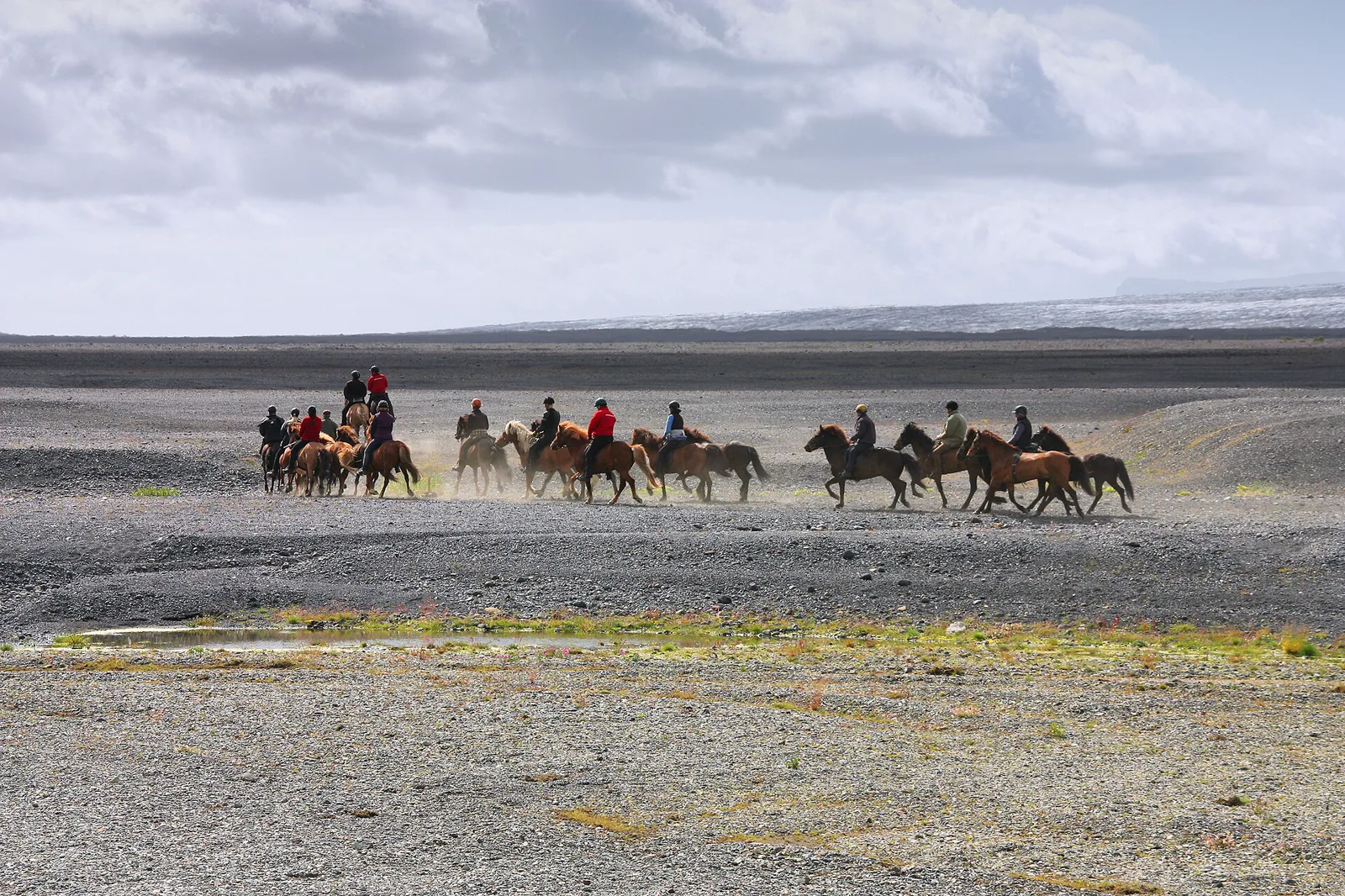
Read “equipment included” as a boundary, not a packing list
A Silfra dry suit is not thermal underwear. Glacier crampons are not hiking boots. A snowmobile suit does not provide short socks, insulated trousers or a driving licence. Before booking, check what is supplied, what you must bring, sizing, hygiene requirements and the exact meeting-point version. If the weather, shoe size or personal packing list does not line up, the activity is not ready to pay for.
ICENAVI · ACTIVITY GEAR CHECK
Is this item the operator’s responsibility or part of your luggage?
These scores measure whether the activity list, sizing, personal clothing and weather contingencies line up. They do not rate the operator; your booking confirmation, on-site safety instructions and departure-day notice always take priority.
Public lists for Silfra, glaciers, snowmobiles and lava caves often specify the equipment supplied, but different products from the same operator cannot be treated as interchangeable.
Some glacier products list EU 35 as the smallest shoe size. Age, height, driving licence and clothing size can also determine eligibility, so write down the figures before payment.
Travellers usually handle base layers, wool socks, waterproof outerwear and well-fitting shoes. A dry suit or coverall protects the outer layer; it cannot provide comfort or grip.
Boats, snorkelling, waterfalls and caves can all leave clothing wet. A dry change of base layers, a waterproof bag and shoes you can still use at the next stop are more practical insurance than another jumper.
Towels, medication, lunch, cameras and personal toiletries are not covered by the phrase “equipment included”. Horse-riding gear also brings cleaning and biosecurity considerations.
Payment makes sense only when you can check the list, sizing, weather and meeting-point route. A blank field means an expensive last-minute fix may still be waiting on site.
The most photogenic mistake usually happens the night before departure: you pack a beautifully organised large backpack, see that tomorrow’s glacier tour includes a helmet, crampons and ice axe, and assume ordinary trainers will do. Or you assume a snowmobile tour supplies everything, then discover at Geysir that drivers must show a licence while warm trousers and boots are still your problem. The activity page has not necessarily misled you; it is answering a different question. Who supplies safety equipment is not the same as who is responsible for comfort and eligibility.
That is why this guide does not offer one universal packing list. Instead, it separates gear into four responsibility categories and checks them against five common activities. By the end, you should be able to answer before payment: is this item supplied, available to rent, something I must bring, or something no substitute can safely replace?
Split “equipment included” into four responsibility categories
| Category | Typical items | Ask before payment | Cost of overlooking it |
|---|---|---|---|
| Operator-supplied safety equipment | Helmet, crampons, ice axe, ropes, dry suit, face mask | Is it included in this product, rather than another version on the same page? | Usually cannot be replaced by your own item; participation may be refused |
| Available to rent or size-specific | Boots, warm clothing, extra gloves, locker | What is the fee and size range? Must it be reserved, or is it first come, first served? | Queues or a poor fit eat into the time before meeting up |
| Traveller must bring | Long-sleeve base layer, wool socks, well-fitting shoes, lunch, water, personal medication | Does the official page say “must bring”, or merely recommend it? | Cold, blisters and dehydration—or refusal at the entrance |
| Nothing else can replace it | Riding helmet, activity-specified sole, driving licence | Will the operator apply the safety rule on site? | You may have a ticket but still be unable to depart; a refund may not cover transport |
These four categories also explain why buying a full set of specialist equipment rarely helps on a five-day trip. Pack items that work across several activities—base layers, wool socks, a waterproof jacket and shoes you can walk in. Leave one-use crampons, dry suits and helmets to the operator unless the product explicitly says to bring them. For the order of city and activity bookings, see the Iceland activity booking order; finalise the gear list only after that sequence is clear.
Silfra snorkelling: the dry suit is supplied, but not the layer next to your skin
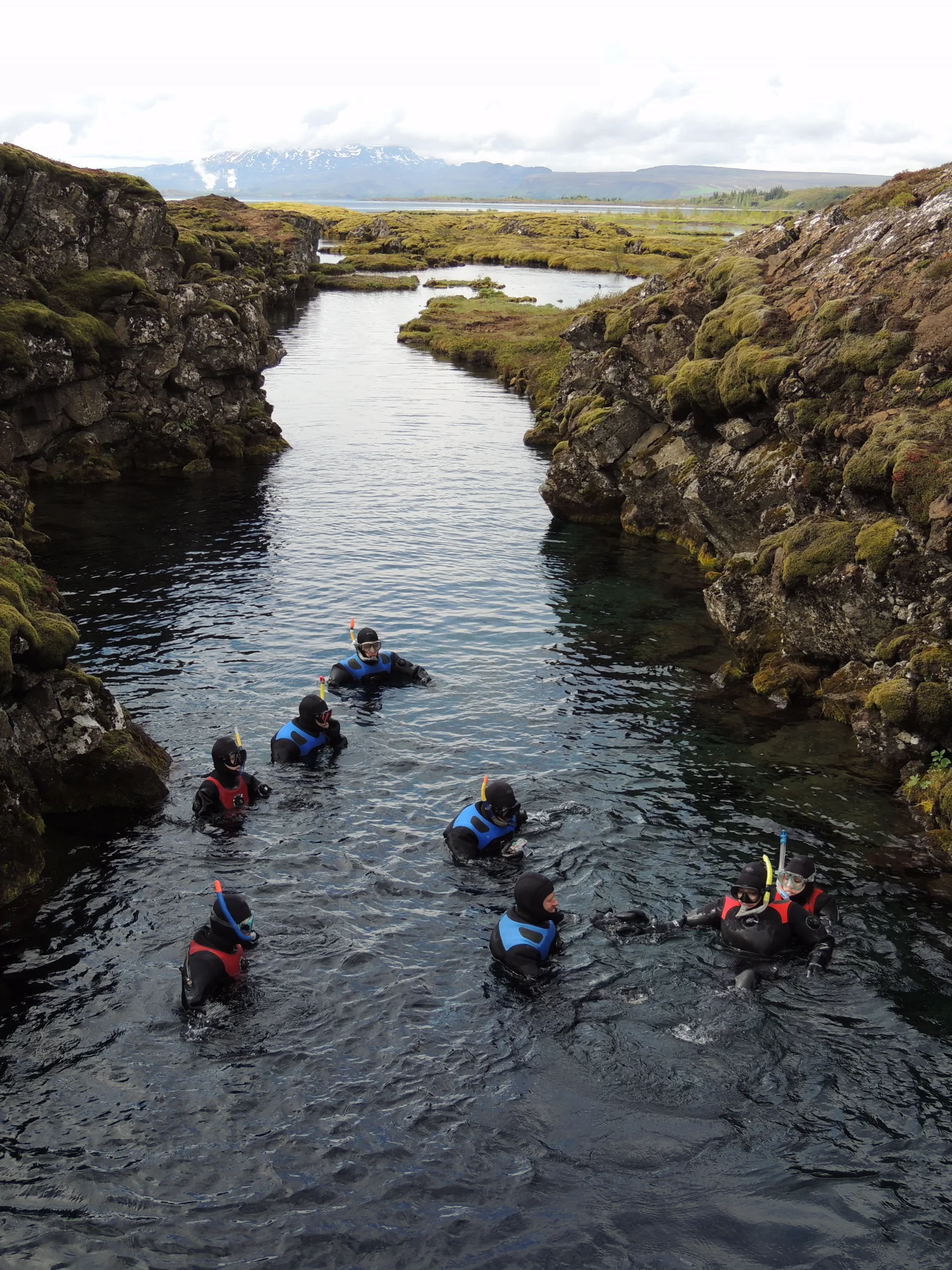
DIVE.IS’s Silfra information lists a dry suit, thermal undersuit, mask, snorkel and fins among the activity equipment. Its separate equipment guide clearly asks travellers to bring long-sleeved thermal underwear, thick wool socks, an extra base layer and a second pair of thick socks. The arrangement makes sense: the dry suit keeps water out, while your own clothing determines whether you can stay focused on the fissure while changing and snorkelling beside water of about 3°C. Treating a swimsuit as your only base layer may look light on paper; your body will object quickly.
| Item | Role in DIVE.IS public information | Practical choice |
|---|---|---|
| Dry suit, mask, snorkel and fins | Included as the activity equipment set | Do not buy them for a short trip; confirm sizing and clothing restrictions first |
| Long-sleeved thermal underwear/base layer | Traveller brings it | Choose a close-fitting, non-absorbent layer that allows movement; do not wear denim |
| Thick wool socks and spare socks | Traveller brings them; an extra pair is recommended | One of the most reusable small items in your luggage, and useful for other activities |
| Towel, camera and waterproof bag | Not universally guaranteed on the public DIVE.IS list | Ask item by item for your product, meeting point and needs; do not assume |
Silfra also has a practical meeting-point cost. A transfer version from Reykjavík and a self-drive version to Þingvellir P5 require completely different luggage plans. The first means changing at an authorised city stop on time; the second means fitting warm layers, parking and a short walk into the car. If you place the snorkel trip after the remote meet-on-location day described in the meeting-point guide, do not read “equipment included” as “time from the hotel to the water included”. If you have an Open Water card but are unsure whether a dry-suit certificate is sufficient, read the diving and snorkelling qualification split before deciding which gear to pack.
Glacier hikes: crampons and ice axes are not boots you can borrow
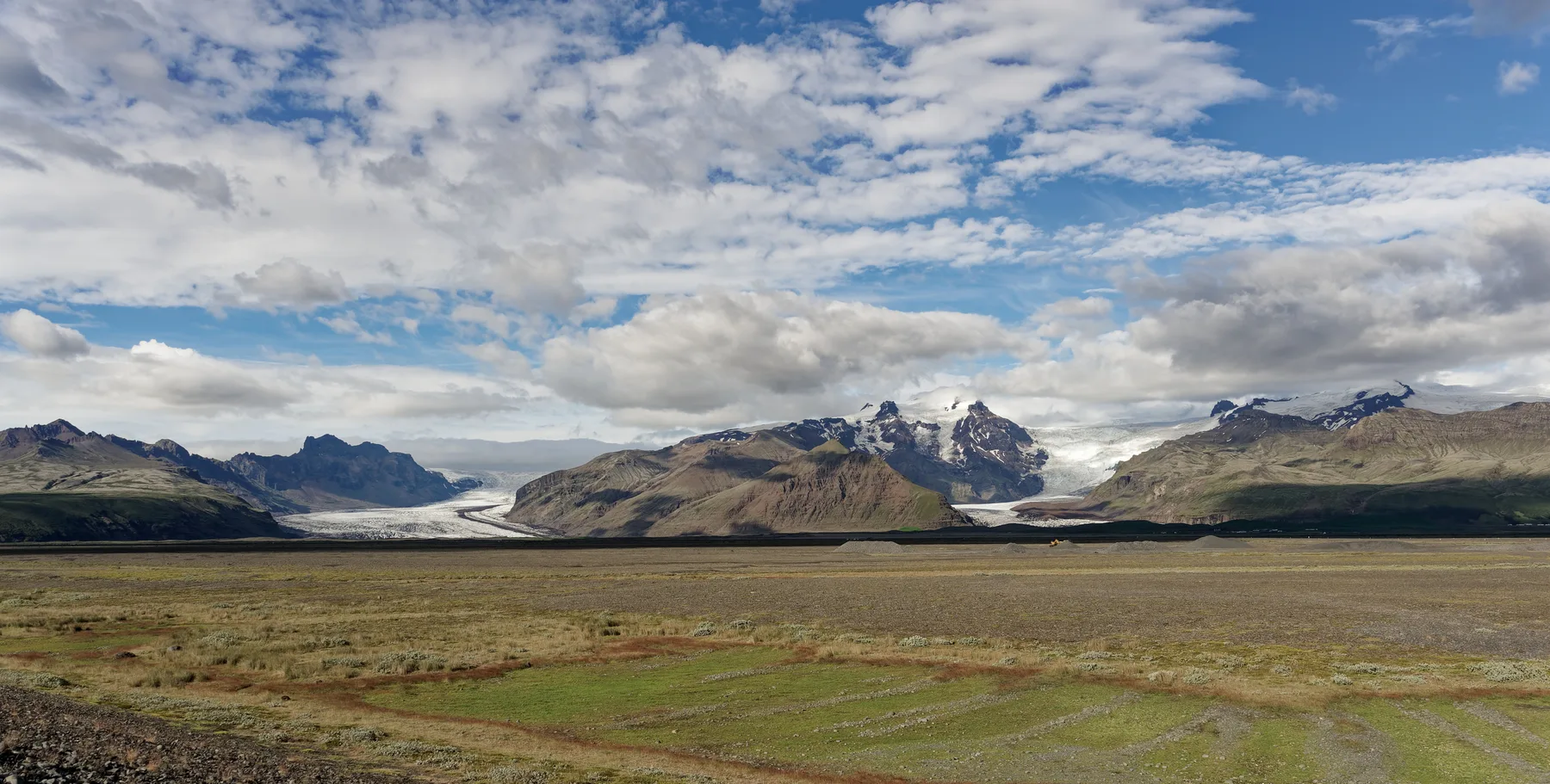
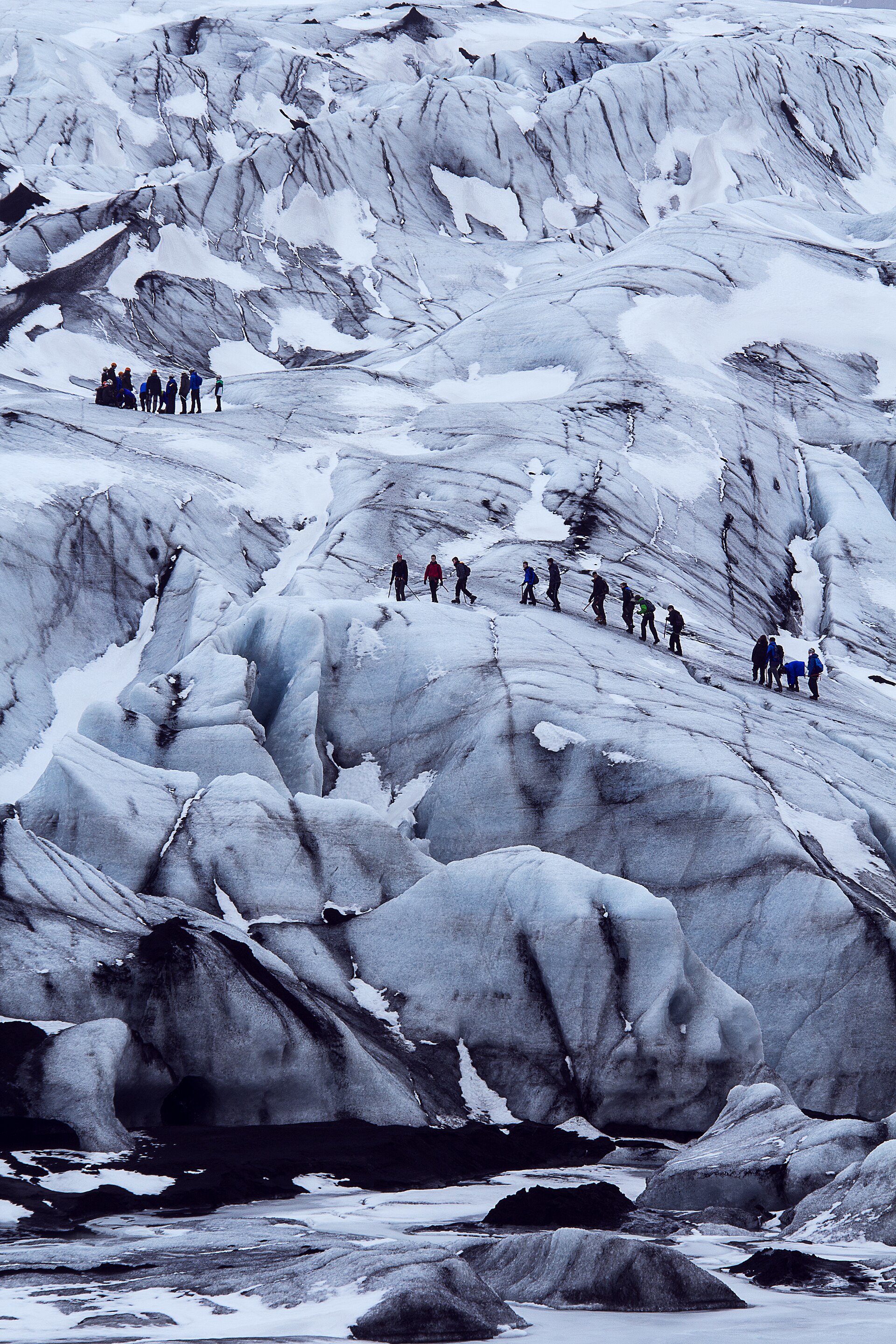
Arctic Adventures’ glacier FAQ and Vatnajökull product pages list crampons, ice axes, helmets and harnesses as supplied by the guiding team; some products also state EU 35 as the minimum shoe size. Travellers need suitable hiking boots, warm layers, waterproof outerwear, gloves and water. A shoe-size threshold looks like small print until someone in the group wears EU 34 and the booking becomes “ticketed but ineligible”. Measure feet first, then read the product page; do not wait until the Skaftafell meeting point and hope thick socks will make up the difference.
Weather amplifies the gear responsibility on a glacier. A rain jacket can handle light rain, but it does not make ice safe. If a guide cancels for safety, the official remedy is a reschedule or refund; it does not change your paid accommodation or rental car. For a natural ice cave in winter, read how to choose an ice-cave tour, then decide whether the night before belongs in Vík, Skaftafell or Jökulsárlón. If anyone travelling with you has questions about age, shoe size or walking, the activity age-limit filter can remove ineligible versions first. Gear, eligibility and meeting direction are one accommodation decision.
Snowmobiling: the operator lends the outer suit, but the driving qualification is yours
Arctic Adventures’ snowmobiling FAQ lists a coverall, balaclava, goggles, gloves and helmet as supplied; travellers should bring warm base layers, insulated trousers, boots and lunch or snacks. Drivers need a valid licence, and children’s age rules vary by product. The easiest mistake here is confusing warmth with permission to drive: a rented coverall cannot meet the licence requirement, and it cannot turn a long transfer into a short activity.
| Activity | Usually supplied | You prepare | Additional eligibility or limits |
|---|---|---|---|
| Glacier hike | Crampons, ice axe, helmet, harness | Well-fitting hiking boots, base layers, waterproof jacket, gloves, water | Some products have an EU 35 minimum shoe size, age limits and difficulty requirements |
| Snowmobile | Coverall, balaclava, goggles, gloves, helmet | Warm base layers, insulated trousers, boots, lunch or snacks | Drivers need a valid licence; children’s limits vary by product |
| Ice cave/glacier vehicle | Product-dependent; commonly a helmet and ice-safety equipment | Waterproof warm clothing, suitable shoes, and a luggage plan for the meeting point | Season, roads, cave conditions and cancellation rules still apply after you rent equipment |
Lava caves and horse riding: one is about wet ground, the other about imported bacteria
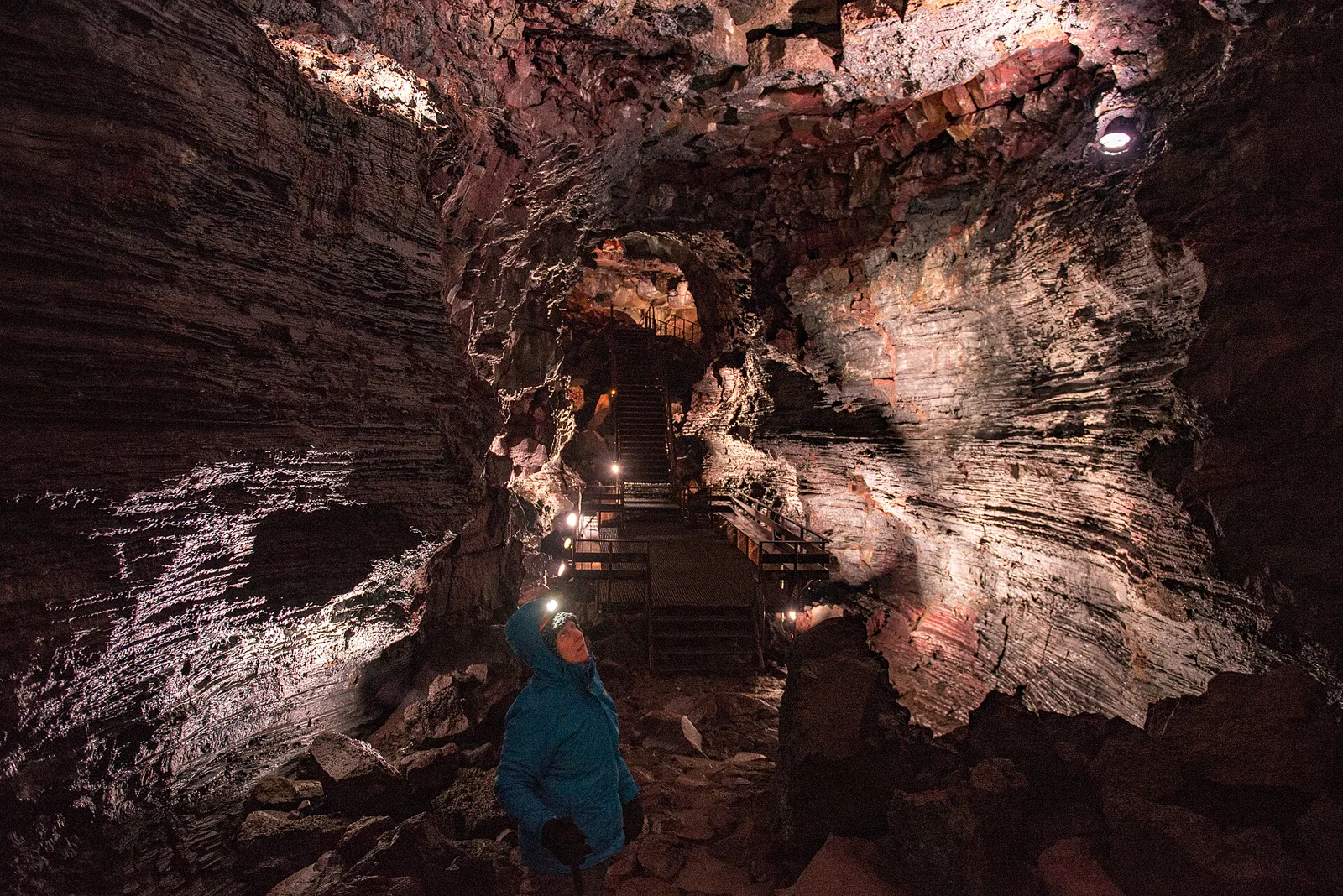
The Lava Tunnel’s standard tour includes a helmet and torch; the winter Lava Falls product may also use crampons. The operator requires warm clothing and sturdy shoes, and the standard tour does not automatically include transport from Reykjavík. In other words, you can borrow the light and head protection inside the cave, but the shoes that let you trust your footing on wet ground remain your responsibility. If you dislike confined spaces or cold, read the lava-cave choice guide and decide your time and clothing layers together.
Horse riding follows different rules. Horses of Iceland explains that Ishestar provides a helmet and the essential weather-suitable gear; the same equestrian guidance reminds travellers not to bring used gloves, riding trousers or riding boots into the Icelandic horse environment, while other items must be disinfected first. This is biosecurity, not a minor hygiene footnote: boots used at a riding yard elsewhere in Europe cannot automatically become “your own gear” at the next farm. For first-ride terrain, transfers and clothing, read Iceland horse riding for first-timers rather than guessing with city shoes and a camera bag.
| Setting | May be supplied | You must handle | Do not assume |
|---|---|---|---|
| Standard lava cave | Helmet, torch | Warm clothing, sturdy shoes and transport; inadequate gear may mean refusal | The standard tour automatically includes transfers or winter crampons |
| Lava Falls/winter cave | Helmet, headlamp and crampons, depending on the product | Waterproof and warm layers, plus shoes that meet the requirements | Every product from one operator supplies the same safety equipment |
| Icelandic horse riding | Helmet and weather-appropriate clothing, depending on the operator | Suitable trousers, footwear, disinfection and personal items | Used riding equipment from another country can go straight into a farm |
A real map: gear responsibility shifts with the direction of your trip
The map below is not activity navigation or a recommended list of every rental shop. It puts the gear question back onto Iceland’s geography. Reykjavík is where city transfers and rental questions are more common; Silfra separates the dry suit from the personal base layer; Gullfoss/Langjökull brings snow outerwear and driving eligibility into the Golden Circle; Vík and Jökulsárlón tie glacier footwear, ice-cave season and accommodation bases together; and Húsavík’s sea activities return the focus to wind protection, waterproofing and check-in time. Once you see the geography, you are less likely to leave a missing pair of trousers for the next town to solve.

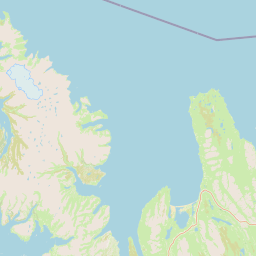
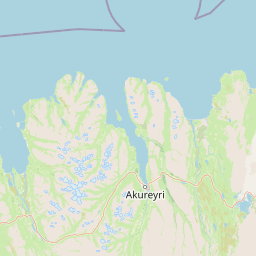
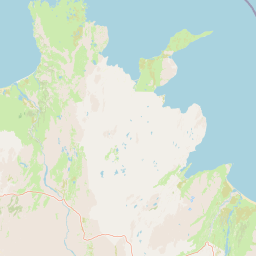
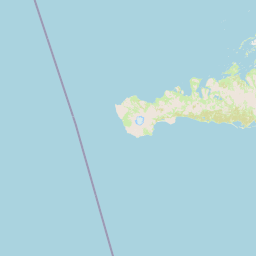
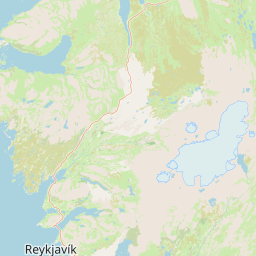
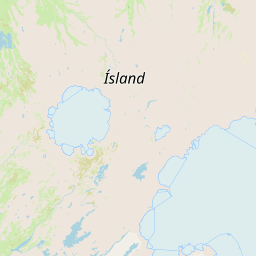
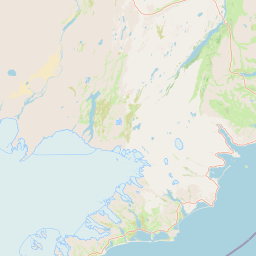

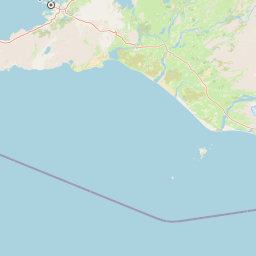
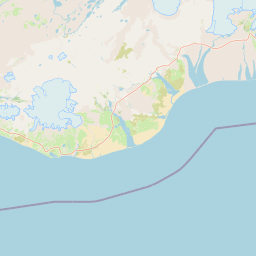

(Reykjavík)Transfer stop/rental queriesSilfraDry suit + base layersGullfoss/LangjökullSnow outerwear + licenceVík (Vík)Glacier boots/ice-cave seasonJökulsárlónIce cave/glacier baseHúsavík
(Húsavík)Wind protection at sea
Compare gear responsibility before you pack
To compare activities on one itinerary sheet, I score five areas from 0 to 5: clarity of the operator’s list, reusability of personal items, sizing and eligibility risk, weather sensitivity, and the difficulty of recovering from the accommodation-to-meeting-point gap. The higher the total, the more important it is to save the rules before paying. This is not an activity-quality score and does not replace the day’s safety judgement.
| Activity | List clarity | Sizing/eligibility risk | Recovery difficulty | First check |
|---|---|---|---|---|
| Silfra snorkelling | 4/5 | 3/5 | 4/5 | Save the base-layer, wool-sock and meeting-point version; keep spare socks reachable |
| Glacier hike | 4/5 | 5/5 | 5/5 | Confirm EU shoe size, age and boot requirements before choosing the previous night’s base |
| Snowmobile | 4/5 | 5/5 | 4/5 | Separate driver from passenger and save the licence, warm-trouser and boot list |
| Lava cave | 3/5 | 3/5 | 3/5 | Confirm transfers, winter crampons and sole requirements |
| Horse riding | 3/5 | 4/5 | 4/5 | Ask how helmets and clothing are supplied, then disinfect used riding gear |
With only four days, prioritise items that work across activities: wool socks, a light warm base layer, a waterproof jacket, a neck warmer and shoes you can genuinely walk in. Leave specialist equipment to the operator; use the freed luggage space for a dry change of clothes, which can rescue an afternoon after a cancellation or early finish better than a third “maybe” jumper. To plan gear with the route, return to the Iceland booking order; if an activity is cancelled, how to protect the rest of the day shows which part to change first instead of waiting only for a refund.
Ten minutes before departure: turn the checklist into one usable bag
- Screenshot the four sections in the confirmation—included, bring, not included and requirements—and save them with the activity name and date.
- Keep specialist safety equipment separate from personal clothing: collect the first at the meeting point, while the second should be within reach before you board.
- Check each traveller’s shoe size, height, age, licence and health restrictions; do not replace figures with “it should be close enough”.
- Put a dry base layer and socks in a waterproof bag. Whether the activity is snorkelling, a boat trip, a waterfall or a cave, they should be available immediately after wet clothing.
- Confirm transport from the hotel to the meeting point, and ask whom to contact if sizing is wrong, weather cancels the activity or you are late.
- Treat lunch, water and personal medication as separate activity equipment. The operator provides safety gear, not knowledge of your blood sugar or where you keep motion-sickness tablets.
- For horse riding, check shoes, gloves and riding trousers used at another yard, then handle them under the relevant biosecurity rules.
- If you will drive afterwards, isolate wet clothes, shoes and mud in a reachable place; do not let one glacier afternoon turn the next hotel room into a drying rack.
- If the operator changes the meeting point or product version, read the list again; do not carry forward old assumptions about shoe sizes and transfers.
- Ask yourself: if today’s activity disappeared, would the items I packed still support the rest of the route? If not, do not buy a complete kit for one experience.
The real value of good packing is one fewer improvised decision at the meeting point. Iceland does not need to become a military exercise, and every weather possibility does not need its own suitcase. Keep “what the operator lends” separate from “what I still need to stay dry, warm and eligible”. If the activity moves to another day, your base layers, shoes and luggage can still go to the next stop instead of being written off with the ticket.
GEAR CHECK · BEFORE DEPARTURE
Pack the layers you will reuse; leave specialist equipment to the professionals.
Find the four responsibility categories before payment. Save the operator’s list before departure. At the meeting point, follow the on-site safety instructions. Good preparation is not measured by how much you carry; it leaves both the activity and the accommodation with a workable fallback.
Q&A | What to confirm before departure
The activity page says equipment is included. What do I still bring?
Usually your own warm base layers, socks, suitable shoes and a dry change of clothing. Operator-supplied safety equipment, a dry suit or coverall cannot replace personal warmth. Use the included/bring list for the activity product as the final authority.
Do glacier-tour crampons include hiking boots?
Not necessarily. Crampons, ice axes, helmets and harnesses are often listed as supplied, while boots, shoe sizes and rental availability must be checked separately. If the boots do not fit, do not wait until the meeting point and hope there is a spare pair.
Will rented equipment be wasted if the activity is rescheduled?
Activity equipment is usually handled by the operator. The items travellers need to keep are reusable base layers, shoes and waterproof bags. If a rental has a separate reservation or fee, save the written cancellation and collection terms.
References
- DIVE.IS | Silfra snorkeling and diving tour (dry suits, layers, socks, meeting points and transfer versions).
- DIVE.IS | Equipment for diving and snorkeling in Silfra (activity equipment, personal base layers and spare socks).
- Arctic Adventures | Glacier FAQ (crampons, ice axes, helmets, harnesses, shoe sizes and weather arrangements).
- Arctic Adventures | Snowmobiling FAQ (coveralls, balaclavas, goggles, gloves, helmets, layers, boots, lunch and licences).
- The Lava Tunnel | The Lava Tunnel Tour (helmets, torches, warm clothing, sturdy shoes and the division of transfers).
- The Lava Tunnel | What to wear on Lava Falls Tour (clothing, shoes, safety equipment and access limits when gear is inadequate).
- Horses of Iceland | Ishestar (helmets and weather-appropriate equipment).
- Horses of Iceland | The Icelandic horse (used riding equipment and biosecurity reminders).
- © OpenStreetMap contributors (the base map and public location data used for the direction map).
- Hero image: Marek Ślusarczyk (Tupungato) / Wikimedia Commons, CC BY 3.0; Langjökull image: Claire Nolan / Wikimedia Commons, CC0; Silfra image: Jens Bludau / Wikimedia Commons, CC BY-SA 3.0. Images illustrate on-site scale only and do not represent a specified product, current snow conditions, equipment stock or activity guarantee.
Information compiled on 5 September 2026. Operator equipment, sizing, season, transfers, age limits, roads and cancellation terms can change; before payment, follow your activity confirmation, the operator’s terms and the departure-day notice.