

BOOKING DECISION · ICELAND
The useful question is not “what should I book first?” in isolation. It is which booking removes the most options from the next one. Put the flight, airport nights and fixed meeting points on one timeline, then let accommodation, car hire and activities follow it. If you still do not know how many nights you need or where the first night belongs, start with the four first-trip decisions before paying.
Start with the timings that can move the whole trip
Round one confirms only the international flights, the arrival and departure nights, irreplaceable dates and fixed meeting-point activities. Round two uses cancellable accommodation to support those anchors. Round three chooses the vehicle once the roads, group size and luggage are clear. Restaurants, ordinary sights, eSIMs and optional add-ons come last. For every booking, record the cancellation deadline, meeting address, consequence of being late and the date you need to re-check it.
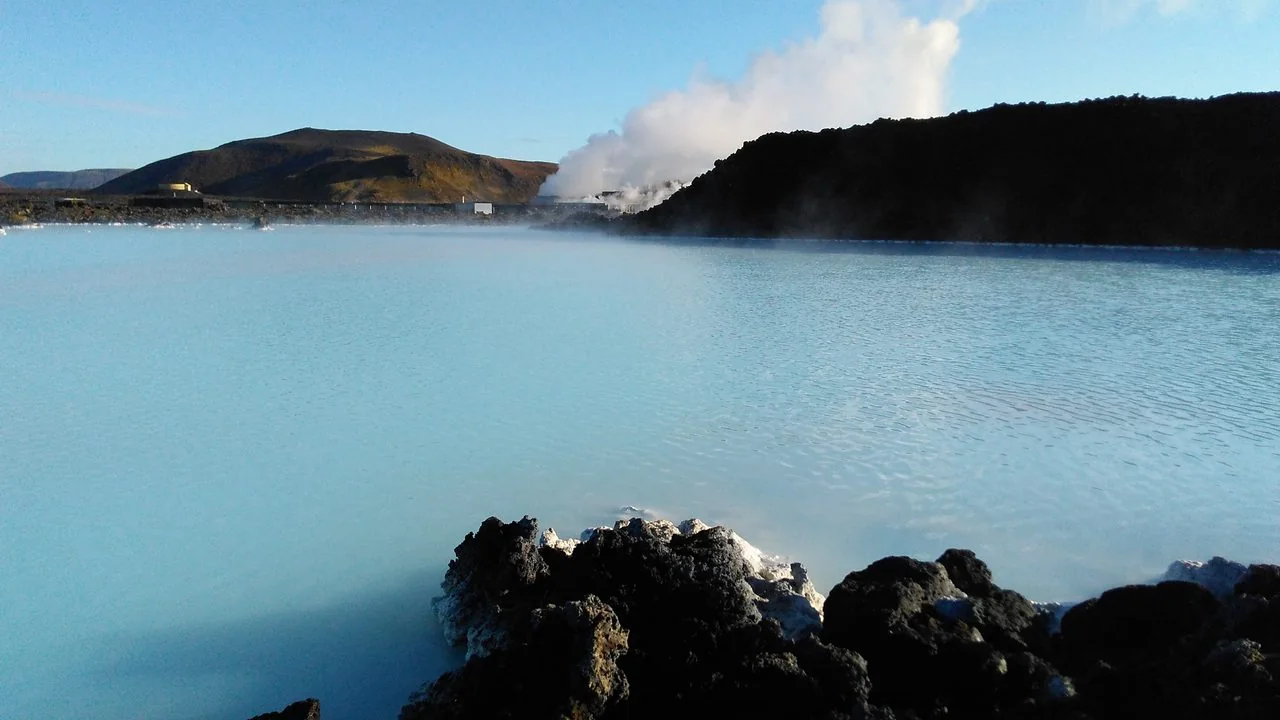
ICENAVI BOOKING FIT · DECISION ORDER
Protect the times you cannot miss before paying for flexibility elsewhere
This score uses fixed meeting times, the first and last flight nights, accommodation flexibility, dependence on a rental car and the cost of rescheduling after weather changes. Prices, availability, terms and road conditions still need to be re-checked for your travel dates.
Flights, car returns, fixed meeting times and overnight bookings constrain the nights around them as soon as they are confirmed. Write those constraints down before reacting to a room price shown on a booking site.
Cancellable rooms can absorb weather and activity changes, but keep them only in bases you are genuinely considering and put the cancellation deadline in your calendar.
Do not attach a long drive to a late arrival. Before an early flight, work backwards through car return, road time and airport procedures. Removing one pre-dawn drive is usually more useful than squeezing in one more stop.
Reykjavík, Vík, Reykjanes and the glacier-lagoon area each solve different itinerary problems. Choose the base from the activity and the first or last flight, not from the lowest room rate.
Choose the vehicle only after the route, season, F-road restrictions, luggage and collection/return times are clear. A larger vehicle does not make a closed road driveable.
Fix the flights and timed activities first; then use cancellable accommodation, an appropriate vehicle and fallback plans to keep the financial risk from concentrating on one night.
Draw one timeline for everything that cannot be late: when the flight lands, when you must be back at the airport, and which activities require you to report to a specific place. Then place the other bookings around it. This simple step prevents the hotel, car collection and an ice-cave meeting point from ending up in three different directions. Iceland is forgiving about scenery; clocks usually are not.
Separate hard anchors from bookings that can move
The first group is immovable: international flights, departure times, overnight stays tied to a route, activities with a specific meeting point, and car collection or return windows. Once these are fixed, they determine where you can sleep, how late you can leave and which roads you cannot afford to gamble on. The second group is conditionally movable: cancellable hotels, reschedulable activities, car-insurance upgrades and city transport. You can book these earlier only after reading the cancellation deadline, currency, fees and whether you must contact the supplier yourself.
The third group does not need to be locked early: waterfalls already on the route, short viewpoints, ordinary restaurants, rainy-day museums and a second hot spring. They still have value, but they should come after accommodation and road safety. Keep them as a fallback list so a weather change does not become a crisis; you do not need to race through wind just to prove the itinerary is complete.
| Booking item | What it actually locks in | What to save when paying | When to re-check |
|---|---|---|---|
| Flights and usable nights | Arrival/departure dates, baggage and airport timing | Fare rules, baggage, transfers, changes and passenger names | Whenever the airline changes baggage rules or the flight time |
| First night / last night | The end point after a late arrival; car return and airport countdown | Late check-in, breakfast, parking, cancellation deadline and local time zone | Recalculate whenever the flight or car collection/return time changes |
| Fixed meeting-point activity | The previous-night base, check-in address and route for the activity day | Exact meeting point, check-in time, restrictions, cancellation terms and supplier contact | When the supplier, weather or accommodation base changes |
| Mid-trip accommodation | The geographical end point you must reach each day | Room type, meals, parking, cancellation deadline and final total price | After activities are confirmed and again 48–72 hours before free cancellation ends |
| Car hire and insurance | Permitted roads, passenger/luggage fit and the collection/return process | Vehicle group / or similar, road restrictions, excess and exclusions | When the route, season or actual vehicle group changes |
| Restaurants, ordinary sights and eSIM | These usually should not determine the direction of your accommodation | Actual day of use, activation/cancellation rules and whether it can be handled on the day | Confirm close to departure |
Let fixed times set the order, not a universal checklist
Do not force every trip into one rigid sequence. Before each payment, ask: will this booking remove an option from the next one? Activities, accommodation and car hire can change order, but fixed times and the cost of failure must stay visible.
| Order | Fixed time / item | Why handle it now? | Risk if it changes |
|---|---|---|---|
| 1 | International flights, arrival day and departure day | These determine the usable nights, first/last transport, baggage and car collection/return windows. | A flight change can shift the first and last night. Save the fare rules and baggage limits before paying. |
| 2 | Irreplaceable dates: ice cave, glacier hike or timed admission | These have a meeting address, latest check-in time and weather dependency, so the previous night must be close enough for a safe arrival. | A cancellation may mean a refund, reschedule or supplier-arranged alternative. Save the meeting point and change procedure before paying. |
| 3 | First night, night before a fixed activity, and final night before departure | These three nights create the buffer around activities and flights; a cheap room should not decide them backwards. | Check late arrival, parking, breakfast, cancellation deadline and room restrictions individually. If an activity moves, change the cancellable room first. |
| 4 | Mid-trip accommodation bases | Once the long east/west transfers, daily stopping time and activity direction are clear, you can decide how many nights belong in Vík, a city base or the southeast. | Non-refundable rooms magnify weather risk. Start with cancellable options and re-check the route before the deadline. |
| 5 | Car hire, vehicle group and insurance | You first need the season, road restrictions, luggage count, collection/return timing and whether an F-road-eligible vehicle is required. | “Or similar” does not guarantee a specific model. Confirm the excess, wind and gravel cover, and excluded roads rather than comparing only the daily rate. |
| 6 | Ordinary sights, restaurants, eSIM and a second hot spring | These usually do not change the accommodation direction, so keep them as weather- and fatigue-friendly alternatives. | Unless they require a fixed non-refundable time slot, confirm them closer to departure rather than filling your buffer day now. |
If an ice-cave tour has only one workable date left, secure that activity and immediately put the previous-night accommodation on the same timeline. If the activity can move but the flight cannot, the flight still comes first. The real test is: how many viable versions of the trip remain if this booking disappears?
Work backwards from departure; the calendar overstates usable time
A “5-day trip” with a late arrival and an early departure may contain only three full sightseeing days. If you ignore car collection, groceries, check-in, car return and the airport process, five calendar dates can hide very little usable outdoor time. Put the flights on the timeline first, then decide whether the trip should stay in the southwest and South Coast or has enough room to reach the glacier lagoon. That decision changes the hotel bases, vehicle and activities.
Confirming the flight does not mean buying everything else immediately. Mark the no-commitment windows on arrival and departure days: no long drive after a late arrival, no remote activity before an early flight, and no time-sensitive spa stop during a tight connection. Those empty blocks are what allow the itinerary to absorb delays and weather.
Check the geography before committing to a night
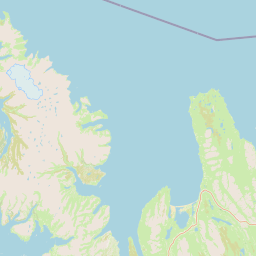
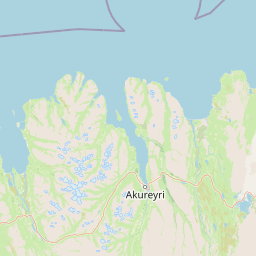
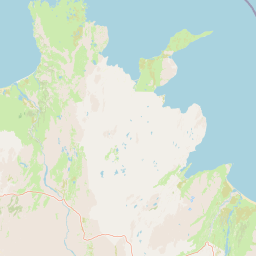
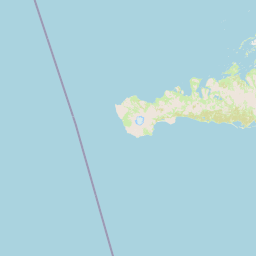
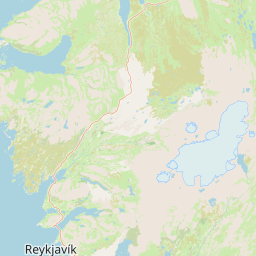
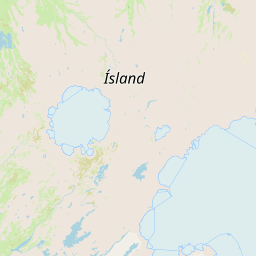
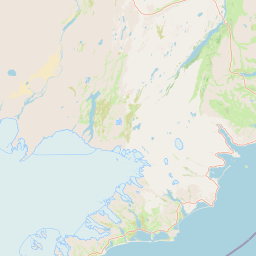
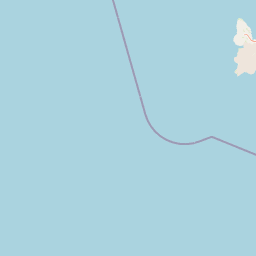
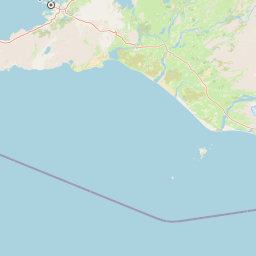
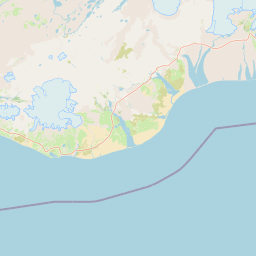
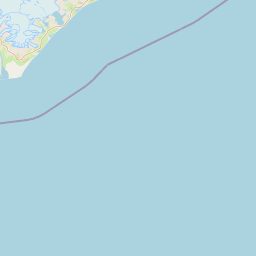
This map shows four locations that can change the booking order without prescribing a fixed Ring Road direction: the KEF flight, a Reykjavík city base, an overnight in Vík, and a remote activity near the glacier lagoon. You do not need to reach the glacier lagoon on every trip, but if a remote activity has a fixed meeting time, the previous night cannot be chosen by the cheapest city room. Without a fixed eastbound activity, there is also no reason to keep pushing accommodation east simply because a place name appears on the map.

Departure day is not spare sightseeing time
Work backwards through three things: the airport arrival buffer before the flight, the actual car-return or transfer process, and the final road or city-transport leg. Only if time remains after all three should you add a restaurant, spa or attraction—not the other way around.
The KEF terminal photo only reminds you that this scene comes after car return, check-in and security. It was taken in 2018 and cannot verify the 2026 location of shops, desks or gates.
A 07:00 departure creates a timeline that starts with the airport arrival buffer, then works backwards through car return and road time. If that calculation requires a pre-dawn long drive from Vík, change Where to stay on your final night in Iceland rather than treating the navigation estimate as the whole airport plan.
Let the route choose the accommodation
Hotels are more than places to sleep. Reykjavík works for city time, Golden Circle departures and tour pickups; Vík reduces South Coast backtracking; Keflavík or Reykjanes can simplify an early flight or an airport-side spa day. A cheap room in the wrong direction makes every later activity require an earlier alarm or a later drive. Compare the room-rate difference with driving time, parking, breakfast, cancellation terms and safety buffer. If those bases are still hard to place on one timeline, use How to allocate accommodation nights in Iceland to separate the jobs of arrival night, South Coast nights and departure night.
Booking cancellable rooms does not mean holding inventory carelessly. Keep options only for dates and bases you are genuinely considering, set a reminder before the cancellation deadline, and release rooms you no longer need as soon as the route is settled. That protects your flexibility without manufacturing urgency around a “last room” message.
Compare Vík accommodation only after the nights around the South Coast have a clear role.
The links below go to verified Vík-area hotel searches. Compare the same dates, room type, parking, breakfast, cancellation terms and final total price.
A timed activity anchors the night before it
If you are choosing between several paid activities, start with free sights and paid experiences, then use how many activities to book on a first Iceland trip to set a sensible limit. The Iceland activity booking order separates ice caves, the Blue Lagoon, whale watching and aurora tours by timing and cancellation risk. Before paying, use the activity meeting-point and accommodation guide to check the actual station, car park or harbour. If the northern lights are the only night activity you want to preserve, first night or last night? helps decide which evening can absorb a failure.
Ice caves, glacier hikes, some spa time slots and certain whale-watching tours are difficult to schedule because they have a meeting point, gear requirements and weather-cancellation rules—not simply because they are “popular”. The activity date has to work with where you sleep the previous night, the route you drive that day and whether you can return safely afterwards. If the meeting point is near the glacier lagoon, do not force the booking while still planning to sleep in Reykjavík the night before.
Before booking, read the supplier’s exact meeting location, latest arrival time, age or health restrictions, rescheduling rules and refund process. If weather cancels the activity, check which new time or date is offered before changing the hotel or rental car. “May be rescheduled” does not mean unlimited flexibility, and one cancelled activity does not mean the whole trip has failed. A prepared city, spa or short-distance fallback is usually better than rushing to replace it with another long excursion.
| Change | What to check in the confirmation | How to handle accommodation and transport |
|---|---|---|
| Supplier cancels because of weather | Refund, reschedule or replacement slot; whether the supplier arranges it automatically | Do not assume the hotel can be changed for free. Put the new activity date and meeting point back on the map first, then adjust cancellable accommodation. |
| Traveller is late or misses the meeting | Latest check-in time, no-show rule and contact method | Map drive time is not usable time. Include the previous-night distance, parking, fuel and a winter buffer. |
| Flight is delayed or retimed | Activity and hotel cancellation deadlines, late check-in and change restrictions | Protect the first night and fixed activities before ordinary sights. Do not add a long night drive just to recover one stop. |
| Road closes or the vehicle is not permitted | Rental-contract road restrictions, insurance exclusions and collection/return arrangements | Switch the long eastbound leg to a city or nearby fallback. A larger vehicle does not override an official road restriction. |
Choose the vehicle for the route, not the photograph
Book the car after the accommodation and fixed activities have given the route a clear shape. By then you know the season, whether any F-road is involved, the longest transfer day, how much luggage must fit and whether drivers can rotate. Those facts determine the 2WD-versus-4WD decision. A larger vehicle does not make a closed road open, or remove the risks of crosswinds, ice, snow and fatigue. Read the insurance for permitted roads, gravel, sand and ash, wind damage and the excess rather than comparing the headline daily rate alone.
Confirm car collection and return times with the flights and the final night. For an early departure, being back in southwest Iceland the previous day is usually more workable than a pre-dawn rush from the South Coast. On the actual travel day, use official road conditions, the Icelandic Meteorological Office and SafeTravel; this booking order cannot override a road closure or warning.
Ask seven plain questions before the payment page
One: does this booking fit the arrival, departure and usable nights? Two: can the previous-night base reach the meeting point on time? Three: what do the terms allow if weather changes? Four: have I scheduled the same long drive twice? Five: does the extra purchase genuinely improve safety, sleep or timing, or only make the list look fuller? Six: have I recorded the cancellation date and confirmation number? Seven: if one thing must go today, is it a non-essential sight rather than a flight, room or safety margin?
Once you can answer all seven questions, move to the payment page. Do not leave confirmations buried in email: save the booking PDF or screenshots with the date and place in the filename, and keep the confirmation number, local time, cancellation deadline, original currency, cancellation platform, supplier phone number and traveller names in the same sheet. It only counts as saved if you can open it offline. If the next unavoidable payment is fuel or a rental-car deposit, read Cards, cash and petrol-station preauthorisation in Iceland; a paid booking does not mean the card still has enough available credit for the road trip.
Related reading
- How to allocate accommodation nights in Iceland — Separate the jobs of the arrival night, South Coast nights and departure night.
- Ice-cave meeting points and cancellation — When a fixed activity comes first, work backwards to the previous night instead of forcing a hotel move.
- 2WD or 4WD in Iceland? — Compare the vehicle only after the route boundaries and luggage needs are clear.
More reading
- Where to stay on your final night in Iceland — Work backwards from KEF, car return and check-in.
- One or two nights in Vík? — Decide the night count after the South Coast direction is fixed.
- Blue Lagoon ticket types and time slots — Put admission, transport and cancellation terms into the arrival or departure timeline.
References
The information below was checked on 20 August 2026. Flight schedules, activity terms, hotel rules and car-hire conditions change; use the supplier’s current page and your own confirmation at the time of payment.
- Keflavík Airport: recommended airport arrival time and passenger process
- Icelandic Road and Coastal Administration: live road information
- Icelandic Meteorological Office: weather alerts
- SafeTravel Iceland: same-day travel safety information
- © OpenStreetMap contributors: map base and public geographic data; not navigation
- KEF terminal image: Antony-22 / Wikimedia Commons, CC BY-SA 4.0; resized and compressed by ICENAVI

Q&A | What to decide before departure
Should I book the hotel or the activity first?
Secure the genuinely scarce, immovable ferry, ice-cave or Blue Lagoon slot first, then support the route with cancellable accommodation.
How can I limit losses when the weather is poor?
Put the accommodation cancellation deadline, road fallback and activity-change terms in one table; do not look only at the room rate.
References
Flights, activities, roads, hotels and car-hire terms all change. At payment time, follow the current supplier page and your confirmation.