

2WD / 4WD · ROUTE BEFORE UPGRADE
A 4WD is worth the extra cost only when your route, travel season and rental terms call for it. “Iceland is wild” is not a vehicle specification. The Ring Road, winter main roads, Highland F-roads and luggage for four people raise different questions about road class, current conditions, contract terms and space. Treating them all as “4WD is safer” is how travellers overpay and still book the wrong vehicle.
ICENAVI DRIVE FIT · VEHICLE DECISION
Define the Route and Luggage Before You Pay the 4WD Premium
These scores consider road class, current winter conditions, F-road contract terms, usable capacity and total cost. Re-check the vehicle group, rental terms, road status and insurance with the supplier for your dates.
First distinguish between the Ring Road, gravel side roads, and F-roads, then decide on drivetrain; road category matters more than the badge on the car.
Wind, snow, daylight, tires, and driver experience collectively determine if you can depart; a 4WD cannot override a road closure or driver fatigue.
Check the rental agreement, vehicle class, river-crossing rules and fallback plan item by item; "any SUV" is not a safe assumption.
Trunk needs differ for two carry-on suitcases versus four people's winter gear; actual capacity changes whether an upgrade is logical.
Compare rental, fuel, parking, insurance and accommodation costs together to see what the upgrade is actually buying you.
Let the route, season, luggage, and contract eliminate options first; only then is the remaining price difference worth comparing.
Gate 1: List the Roads Instead of Writing Only “Ring Road”
Visit Iceland’s 2026 Ring Road update puts the route at 1,322 km, says it is open year-round, recommends at least seven days for the circuit and notes that it does not require a 4x4. That describes the road itself; it does not promise that a small car can complete your schedule in every month. Mountain sections can still close because of storms or high winds from September to May, and summer driving still depends on the day’s conditions.
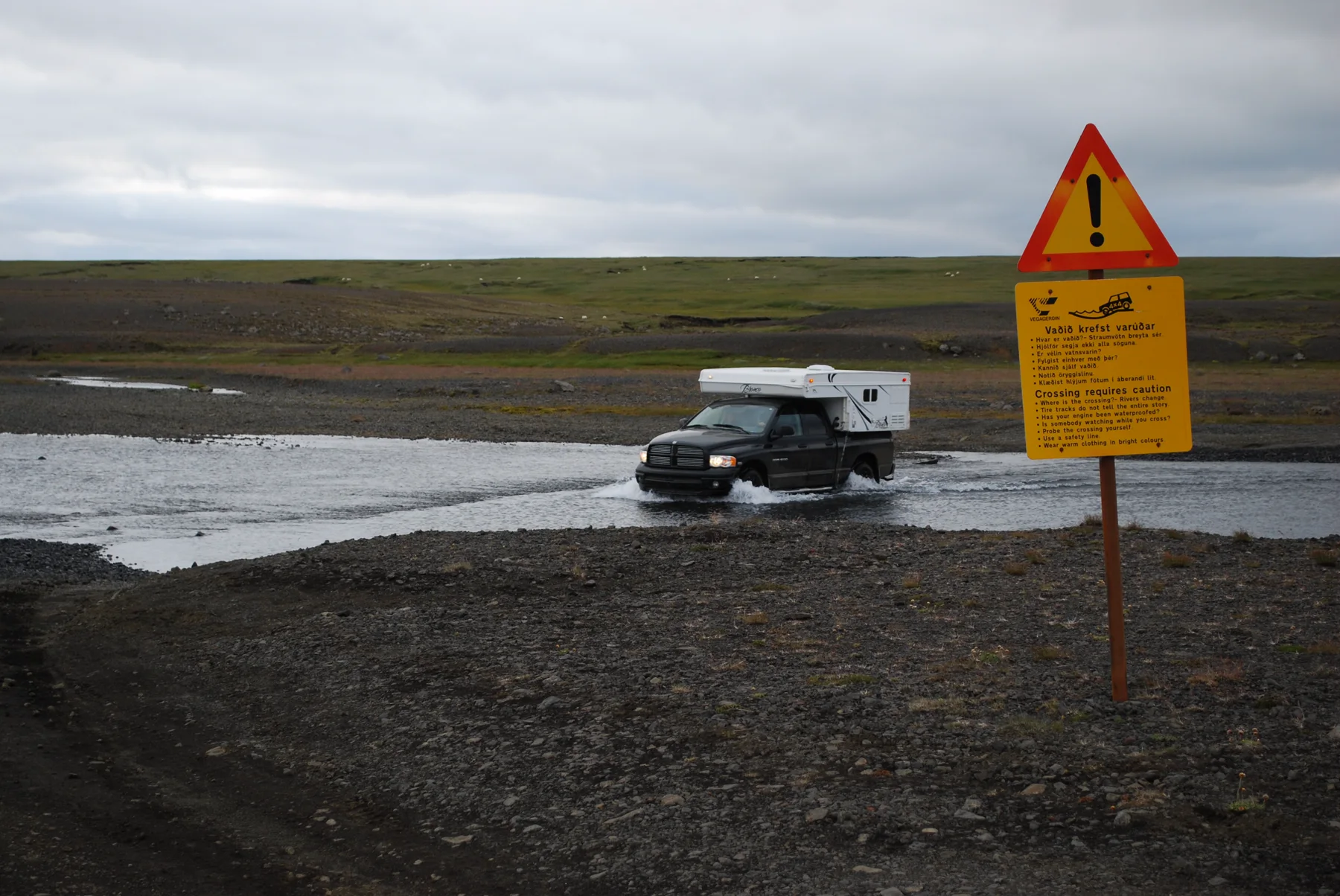
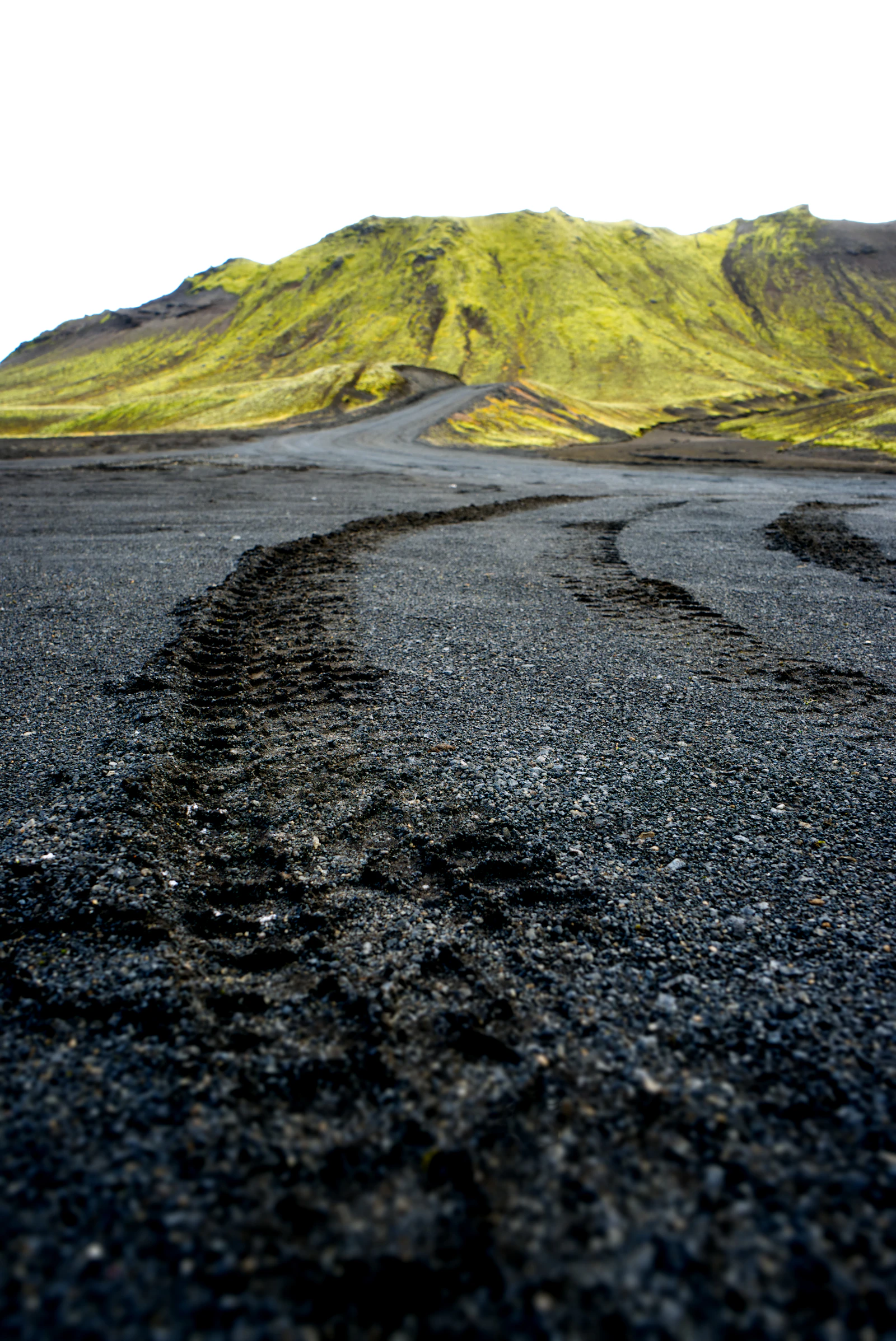
The answer changes as soon as the route leaves the main roads. If your map includes F208, F225 or F35, start with the F-road, rental contract and river-crossing checks. SafeTravel notes that some F-roads suit a Dacia Duster or similar, while others require a Land Cruiser or larger vehicle; some are better left to a modified Super Jeep. “4WD” is therefore only a starting category. Check each Highland road on its own terms.
Put the Route in a Table Before You Compare Vehicle Types
| Actual Route | Vehicle to Consider First | Must Verify Before Deciding | Do Not Assume |
|---|---|---|---|
| Summer Golden Circle + South Coast | 2WD | Trunk space, gravel side roads, insurance, cancellation and pickup/return | Upgrading to 4WD allows you to drive faster |
| Summer Ring Road Loop | 2WD is viable | Whether you are adding Westfjords, Öxi, or other gravel/mountain side roads | The word "Ring Road" itself requires 4WD |
| Winter Main Lines | Compare based on experience, gear, and route | Daily road status, tires, wind, daylight, daily distance, and accommodation flexibility | 4WD can override road closures or fatigue |
| Highlands / F-Roads | Specified class 4WD or professional transport | Road openings, lease, route class, river crossings, and retreat plans | Any SUV is legal and suitable |
The table does not assign a vehicle from the calendar alone. Highland roads may still be closed in June, while an October day on the Ring Road may be calm; the date sets the background, but official road information and the rental agreement decide whether the plan can run. If you are still choosing the route, use the seven-night count to decide between a deeper South Coast trip and a quicker loop. If the practical question is whether driving, stops and check-in fit into one day, use the daily driving time planner before letting a vehicle label push you into payment.
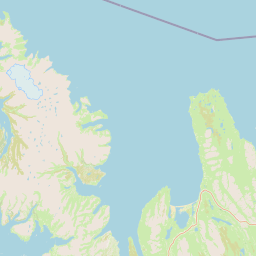
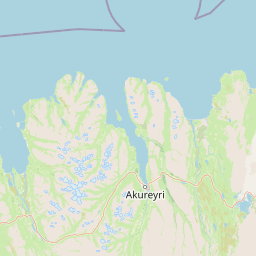
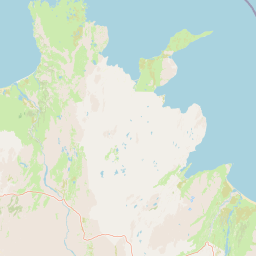
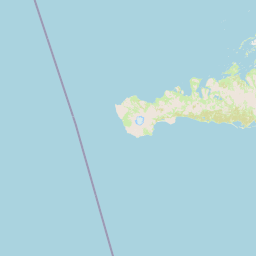
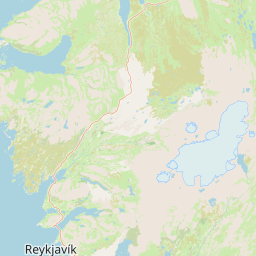
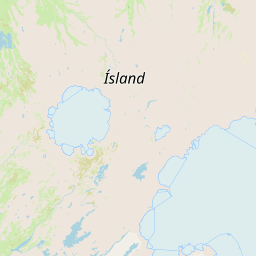
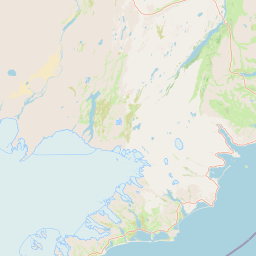
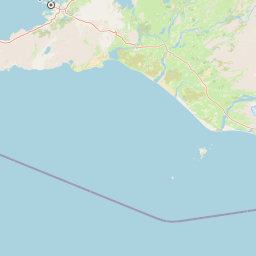
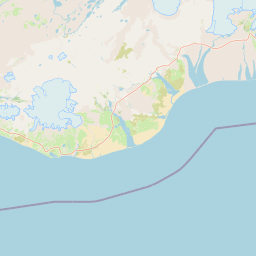
Map: Main Roads and Highland Routes

Gate 2: In Winter, Traction Is Only One Part of the Decision
If ice, snow, crosswinds and short daylight are new to you, 4WD will not supply the missing experience or judgement. The Icelandic Transport Authority’s winter guidance says to adjust speed to the weather and road surface; posted limits assume good conditions. A road marked Closed is closed. Reassess the departure each day, regardless of the drivetrain.
Put the winter budget first into suitable tires and equipment, shorter transfers, flexible accommodation and a base near the meeting point for an early activity. Compare 2WD and 4WD after those safeguards are in place. If the itinerary relies on a 4WD to protect a non-refundable booking in a poor forecast, the deeper problem is usually an inflexible hotel plan and too much distance. Use the winter daily departure process to check road status, wind, visibility and fallback points separately.
Gate 3: Measure the Boot You Will Actually Use
The same summer South Coast route can call for different cars: two people with carry-ons use space very differently from four people carrying winter layers, camera gear, food and four large bags. “Seats five” says little about boot space. Check the usable capacity for the vehicle group, then leave room for wet coats, shoes, food and safety equipment. If a large case must live on a back seat, the upgrade may be about space and visibility rather than drivetrain.
A larger 4WD also costs more to rent and fuel and can be harder to park or manoeuvre. When two people’s luggage fits in a smaller 2WD and the route has no Highland requirement, the upgrade may buy capacity you never use. Put the difference towards an overnight stop that shortens the next day’s drive, especially before an early activity or during the short winter daylight.
A “4WD” Label Does Not Tell You the Whole Capability
Age restrictions also come before vehicle comparisons. If the main driver is only 20-22 years old, first check Iceland rental age limits and young driver fees, then compare 2WD and 4WD options alongside luggage and route requirements; a four-wheel-drive booking does not bypass the eligibility check at the rental counter.
Most booking platforms sell vehicles as "or similar"; seeing photos of a Duster, RAV4, or Land Cruiser doesn't mean you'll get that exact model at pickup. Before paying, save screenshots or terms of the vehicle group, drivetrain, luggage capacity, allowed roads, tires, excess, and exclusions. At the pickup counter, if the actual vehicle group or conditions differ, you have something to verify item by item.
River-crossing capability cannot be inferred from "four-wheel drive." SafeTravel explicitly warns that vehicle damage during river crossings is not covered by insurance, and river depth and flow change constantly. For a first Highland drive, a route with unbridged rivers, or if you are unfamiliar with assessing safe crossing depth, using a shuttle, Super Jeep, or guide can keep a single-day high-risk activity separate from the rest of your car rental.
Compare Like for Like: The Lowest Headline Price May Mislead
Compare total prices with the same pickup and return times, number of drivers, excess, vehicle group, luggage assumption and cancellation terms. Extra drivers, airport or city collection, fuel policy, tires, gravel, dust, glass and road restrictions can all change the final bill. Similar insurance names do not guarantee the same exclusions or claims process, so use the Iceland rental insurance decision page to define the risks before comparing models.
Price the arrival and departure days separately. If the first night is in Reykjavík and the hotel has no parking, collecting at the airport may add a rental day and city parking. Before an early flight, allow time for fuel, inspection, the airport shuttle and a proper flight buffer. Those two days can change the total far more than the advertised daily difference suggests.
Record These Six Details Before You Pay or Collect the Car
- Road List: List main roads, gravel side roads, and all F-roads separately.
- Vehicle Evidence: Save the "or similar" vehicle group, drivetrain, and luggage capacity.
- Contract Scope: Which roads are allowed, which damages and river crossings are not covered.
- Winter Conditions: Tires, lighting, snow brush, and emergency contact methods.
- Pickup Record: Photograph body, tires, windshield, fuel level, and existing damage one by one.
- Fallback Plan: Where to stay tonight if the road closes or the driver is not fit to continue.
Once all six are clear, compare total prices. If the road list is still vague, return to the route page; if the contract scope is unclear, ask the rental company and save the written reply. ICENAVI does not publish unverified rental discounts, so a low price does not distract from an unresolved route decision.
Related Reading
- F-Roads, 4WD & River Crossings - When your route has F-roads, further verify openings, lease, and vehicle class.
- Iceland Winter Driving - If you've decided to depart in winter, establish daily departure and cancellation conditions.
- Iceland Rental Insurance - After narrowing down vehicle models, compare with the same excess and coverage scope.
More Reading
- Iceland 7-Night Count - When the route is not yet fixed, first decide between deep South Coast or faster loop.
- Iceland Accommodation Night Allocation - Use accommodation nodes to reduce driving pressure before activity days.
- KEF Return Process - Put fueling, body inspection, and flight buffer back to the last day.
References
The following data was re-verified on August 20, 2026. Road openings, rental vehicle groups, and contracts change; you must still check official data and the actual lease before payment and daily departure.
- Visit Iceland: Ring Road distance, recommended days, and 4x4 requirements
- Visit Iceland: 2WD/4WD overview for major summer routes
- SafeTravel Iceland: Highland F-roads, vehicle classes, river crossings, and insurance limits
- Icelandic Road and Coastal Administration: Road status data sources, update times, and limits
- Icelandic Transport Authority: How to Drive in Iceland - Winter
- F208 Highland road photo: Alexander Sinn/Unsplash, used under Unsplash License and converted to WebP.
Q&A | 2WD & 4WD
Does the Ring Road require 4WD?
No; summer main lines can start with 2WD comparison, but side roads, season, and contract must be checked individually.
Can 4WD override road closures?
No; road openings, wind/snow, visibility, and driver condition take priority.
References
Roads, leases, insurance, and daily conditions must be re-verified with official and supplier data.