
ITINERARY DECISION · 7 DAYS
Six nights give Reykjavík, Vík and the Jökulsárlón direction some breathing room. A full Ring Road loop turns most days into transfers and leaves little margin for a late flight, poor weather or a fixed activity. Push east only when the flights, season and driving team genuinely support that decision.
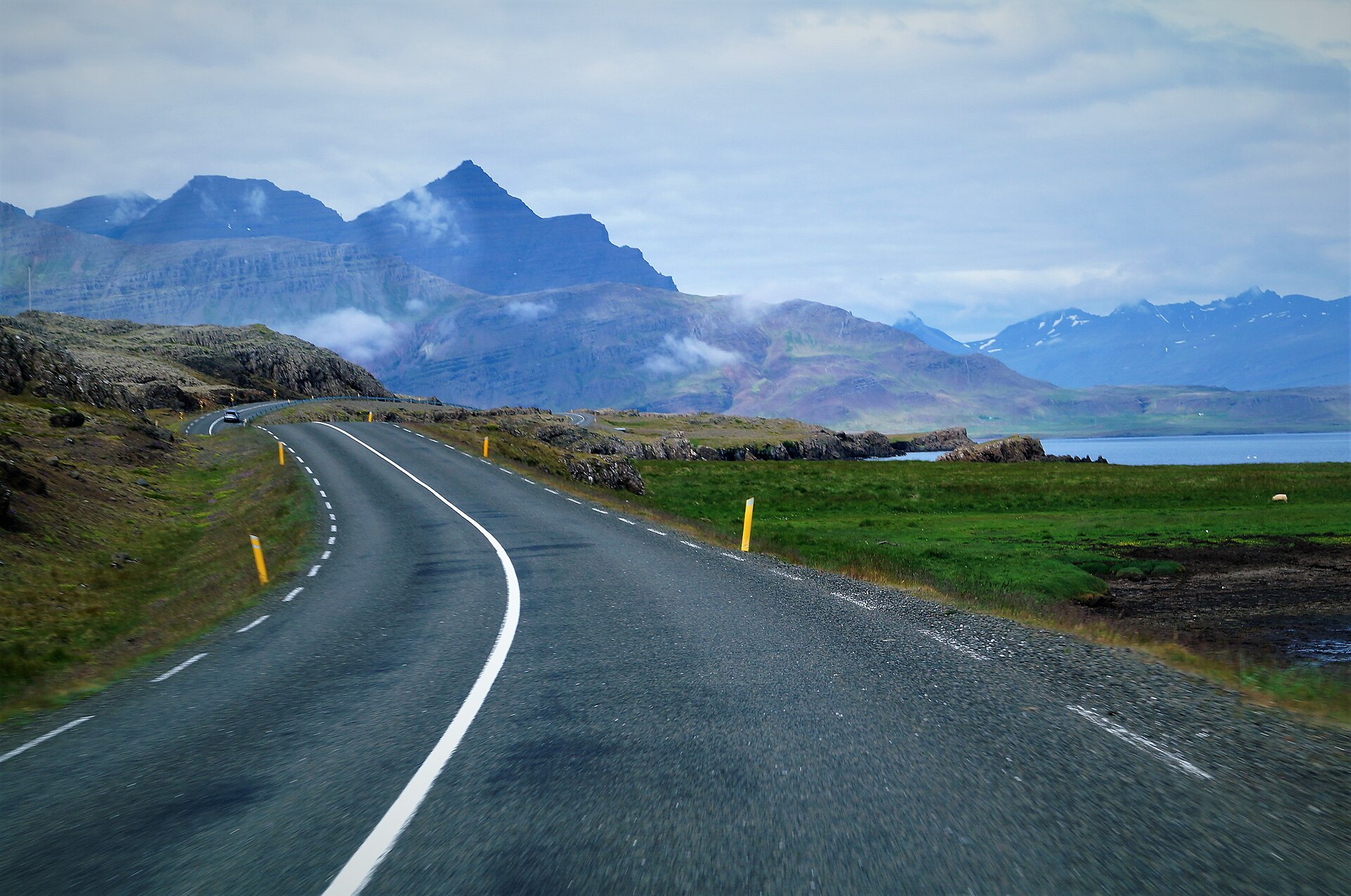
If you are still weighing seven against eight days, start with the 48-hour pre-departure recheck for Iceland. It separates the conditions that can change your route from decisions that only need testing, so you do not have to dismantle six nights of accommodation at the last minute.
If the final choice is still between seven and eight days, Iceland in 7 or 8 days: what should one extra night buy you? puts usable time, South Coast depth, fixed activities and the final night before departure into one calculation. Decide what the extra night is for, then choose the accommodation. If you have not chosen between a campervan and hotels, campervan or hire car with hotels puts campsite work, showers, luggage and nightly pack-up time back into the same seven-day route.
Q&A · Questions to settle before a 7-day, 6-night trip
Should I choose a deep South Coast trip or the full Ring Road?
For a first visit, winter travel or one driver, the deeper South Coast route leaves more room for weather and rest. With only six nights, arrival and departure reduce the usable time, leaving a full Ring Road circuit with very little room for activities or weather. Put the full loop on the shortlist only for summer, relaxed flight timings and short stops.
Should I spend a night near Jökulsárlón glacier lagoon?
If the glacier lagoon is the centrepiece, put night 5 toward Höfn or the lagoon, then use night 6 to return west. If the departure flight is early or road risk is high, an extra South Coast night is usually easier to control than chasing the eastern end.
Do I need two consecutive nights in Reykjavík?
A late arrival, no car or Reykjavík-based activity can make consecutive nights worthwhile because you avoid one luggage move. If you arrive early and plan to head south immediately, let the following day’s direction decide; do not distribute nights evenly just to balance the city count.
Can travellers without a car follow this six-night framework?
Do not copy it directly. Without a car, you mainly rely on day tours or transfers from Reykjavík, and each accommodation move adds meeting and luggage costs. Start with the five- to seven-day car-free framework, then decide whether the South Coast belongs in an overnight tour.
ICENAVI ITINERARY FIT · 7 DAYS
Choose the pace first, then decide whether the road to Jökulsárlón earns a night
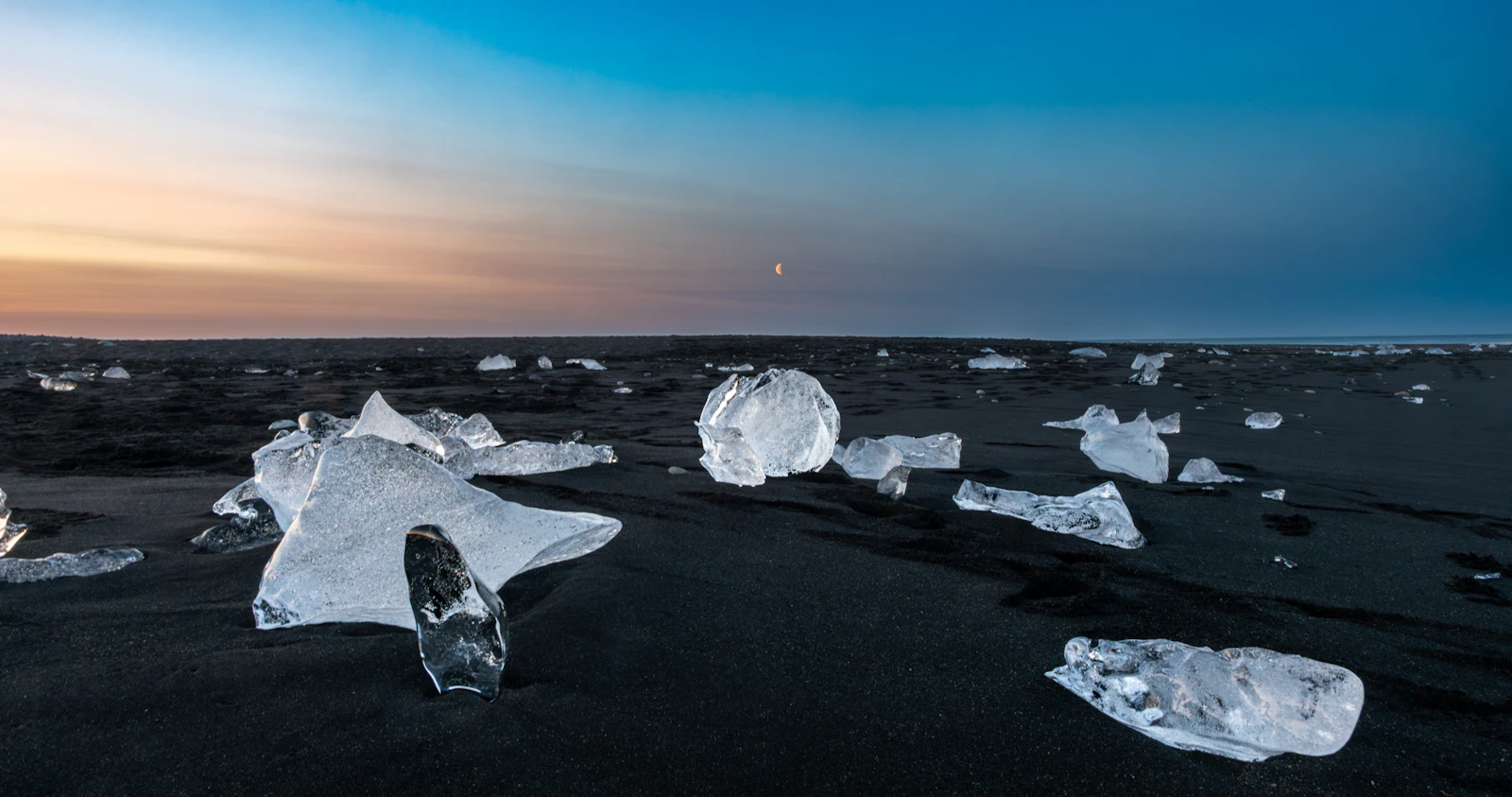
This assesses only the trade-offs supported by distances, night counts, route planning and checked conditions in the article. Claims about flexibility and alternative activities that cannot be independently verified have been removed. These scores measure route fit, not attraction rankings; roads, seasons and operations must still be checked for your dates.
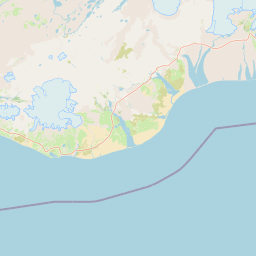
Visit Iceland lists Route 1 at about 1,322 kilometres and recommends at least 7 days. A seven-day trip has only six nights, and arrival and departure are not full driving days, so the circuit leaves little room for activities or weather alternatives.
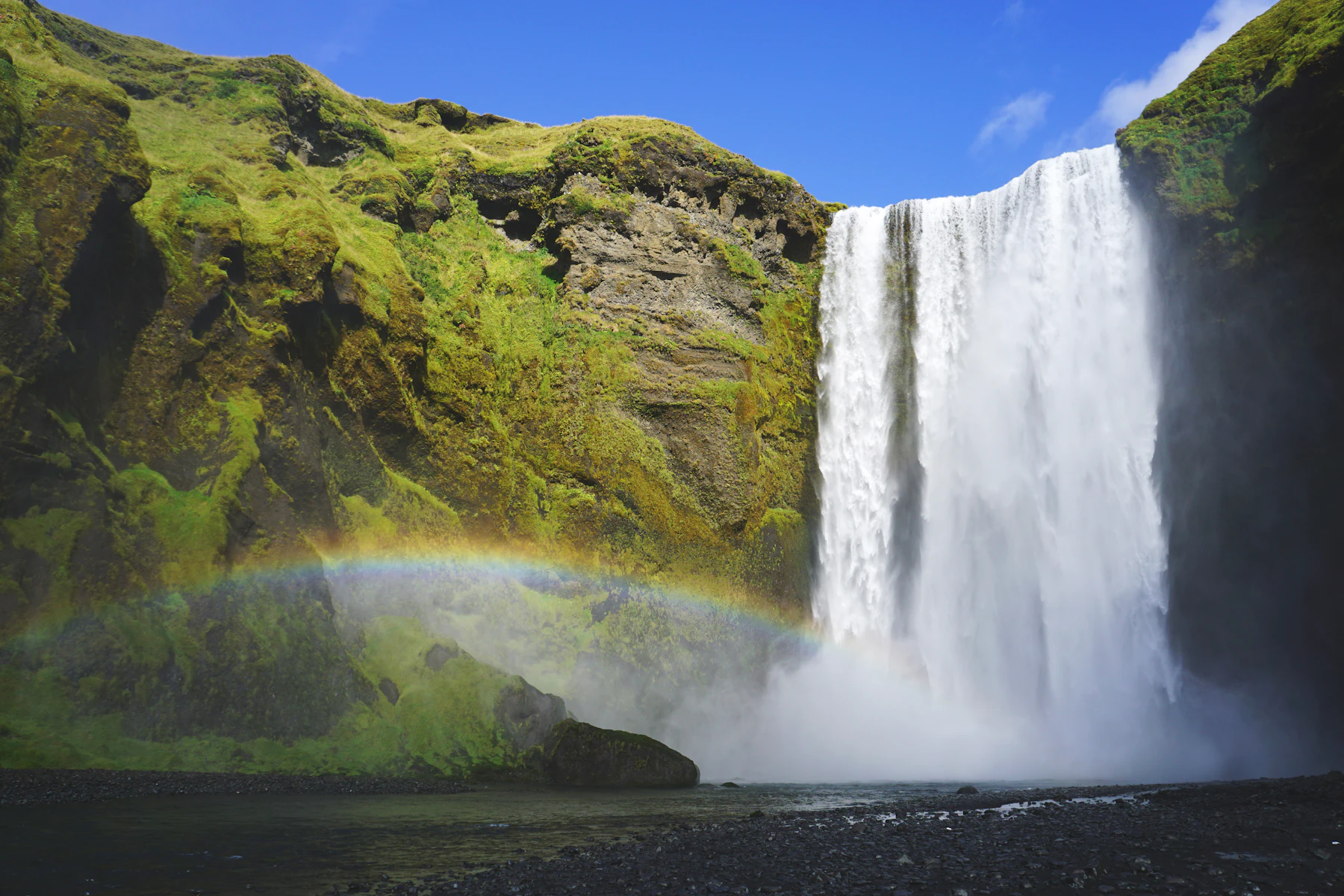
The six-night framework separates Reykjavík, Vík, the Jökulsárlón/Höfn direction and the airport end. Waterfalls, black-sand beaches and glacier activities do not all require a long transfer on the same day.
The article reaches the glacier lagoon/Höfn direction only on night 5, keeping night 6 for Keflavík/Reykjanes or Reykjavík. Pushing east earlier costs either the final recovery night before departure or one planned stop.
The three evidence-based scores average 6.5. The most rewarding seven-day version is usually a deeper South Coast route. If you still choose the Ring Road, accept shorter stops and do not spend the final night chasing another attraction.
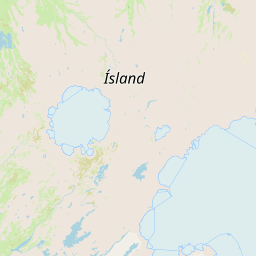
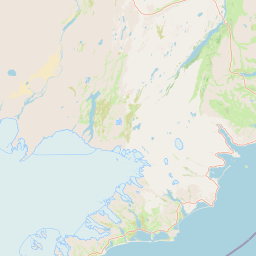
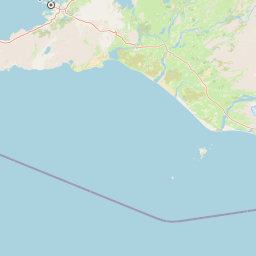
The first decision: do these 6 nights buy depth or geographic range?
Count six nights rather than seven date headings and the choice becomes clearer. The Ring Road may complete the map, but every day also carries check-out, fuel, parking, weather and the next hotel. One delay can reach into tomorrow. A deeper South Coast route keeps Reykjavík, Vík and the lagoon direction within one rhythm, so waterfalls, beaches, glacier activities and hot springs do not all have to compete in one day.
| Choice | Best for | What you give up |
|---|---|---|
| Deep South Coast | First-time visitors, people who want Jökulsárlón and anyone who wants weather room | No North Iceland or Lake Mývatn; you accept not completing the Ring Road |
| 7-day Ring Road | Summer, confident long-distance drivers and travellers making only a few stops | High daily transfer load, with little tolerance for activity or weather changes |
Visit Iceland’s Ring Road information lists Route 1 at 1,322 kilometres and says it needs at least 7 days. “At least” does not mean treating arrival, departure and long transfers as full sightseeing days. With six nights and a wish to include Jökulsárlón plus a weather buffer, the Ring Road should be treated as one option, not the only sensible answer. The information was checked on 16 August 2026. For the midnight-sun season, the summer seven-day pace guide deals with the difference between having daylight and being able to drive indefinitely.
A workable framework for 6 nights
If you have not decided whether the six nights belong to the South Coast, Snæfellsnes or a Ring Road circuit, the seven-day self-drive route trade-off places driving, hotel moves and weather alternatives in one table before you assign each night.
| Nights | Base | What it solves for the next day |
|---|---|---|
| Nights 1–2 | Reykjavík | Arrival, car-hire choice, the city and Sky Lagoon; a first-day flight delay does not undermine the South Coast. |
| Night 3 | Western South Coast/Vík | Separates the waterfalls, Dyrhólaey, Reynisfjara and the accommodation, so you do not have to drive back to the capital after dark. |
| Night 4 | Vík or Kirkjubæjarklaustur | If you have an ice-cave or glacier-hike booking, the meeting time will not collide with a long transfer. |
| Night 5 | Jökulsárlón/Höfn direction | Keeps Jökulsárlón and Diamond Beach in the better daylight window instead of turning them into rushed roadside stops. |
| Night 6 | Keflavík/Reykjanes or Reykjavík | Leaves room for an early flight, the car return and the airport; decide separately whether the Blue Lagoon fits this day. |
This is not a fixed answer for every traveller. If you arrive late, keep the first night in Reykjavík. If the departure flight is early, the final night in Keflavík can be worth more than another night in the centre. If you reach only Vík, give night 5 back to Reykjavík or the Golden Circle instead of forcing the eastward drive.
Let fixed activities choose the accommodation
Ice caves, glacier hikes, whale watching and hot springs all have meeting or entry times. Put immovable bookings on the itinerary first, then place the previous night. If you are only taking two days and one night on the South Coast, use how to divide Vík and Jökulsárlón to check that the lagoon is not being treated as a casual stop on the way. Around Vík in particular, an early meeting usually makes a night in Vík or nearby more dependable than a cheaper room that adds another driving leg; see one or two nights in Vík.
Hot springs work well on an arrival or return day with some flexibility. The Blue Lagoon is close to Reykjanes and KEF; Sky Lagoon is close to Reykjavík. They serve different booking windows in different locations. Read Blue Lagoon or Sky Lagoon before deciding which one belongs in the route.
What these 6 nights cannot carry at the same time
If the full Ring Road, the Highlands, two glacier activities and a new hotel every night are all non-negotiable, this six-night framework is the wrong fit. The hardest wish to drop is often seeing the North because you have come all the way to Iceland. Going deeper on the South Coast gives Jökulsárlón, activity meeting times, the car return and one weather-change day somewhere to go.
With an extra summer day, the Highlands can look like the obvious way to fill the gap. But without a 4WD, they are not a casual parking stop in the middle of a Ring Road circuit. How to choose a bus or Super Jeep for Landmannalaugar without driving first separates boarding, walking there and the return schedule. Confirm that day works on its own before replacing a buffer day with it.
Experienced summer long-distance drivers can certainly keep the Ring Road as another option. Be clear about the exchange: stops become shorter, activity choices narrow and a half-hour delay can travel through the rest of the plan. This framework protects the thing you least want to cancel on the road.
Arrival and departure are not full sightseeing days
The most common seven-day planning mistake is treating arrival and departure as full sightseeing days. Flight times, immigration, luggage, car collection, car return and the airport distance can change the usable hours completely. Put the flights into the table before choosing the first and last nights. With an early departure, a night at KEF or Reykjanes may be worth more than a few extra hours in Reykjavík.
If you still have energy on arrival, choose Reykjavík or a hot spring that is genuinely on the way; a long flight may not pair well with an immediate drive to the South Coast. Keeping day one as a buffer means delayed luggage, a car-hire queue or a weather change will not topple all six nights. A stable opening gives the activity you most want to keep some room.
Give each day one immovable centrepiece
Ice caves, glacier hikes, whale watching, hot-spring entry and long transfers can all run on fixed clocks. If every day contains two things that cannot be late, one delay will reach the next morning. Give each day one centrepiece: a long eastbound drive, a timed meeting or an attraction that deserves a proper stop. Keep everything around it dependent on weather and energy.
This raises the chance of completing the experiences you have booked. Keep waterfalls, coast and viewpoints as insertable stops: stay longer in clear weather, and skip them when wind or roads are poor. Missing one car park will not ruin an Iceland trip; adding one more fixed slot can remove the accommodation, activity and safety room together.
In rain, snow, high winds or closures, what goes first?
Cut replaceable sights first, then non-essential transfers, and only then consider changing a paid activity. This is not universal, but it prevents anxiety from reversing the safety order. If road or weather information says the eastward drive is unsuitable, contact the next hotel and supplier to confirm change and cancellation options. Do not try to preserve yesterday’s plan while driving. Make official road notices and SafeTravel part of the fixed morning check.
Keep the budget where it can buy time back
A seven-day budget is not just the nightly hotel difference. A night near an activity meeting point, a cancellable car or hotel and a sensible final-night location can buy time and options. If the budget all goes into one view room, the highest car category every day or a long list of add-on experiences, a changed itinerary has no room left. Keep road, accommodation and activity buffers first, then upgrade one or two things that matter most. If this is a honeymoon, calculate separately whether a view room makes the next day more constrained; the accommodation calculation for a seven-day Iceland honeymoon puts privacy, movement cost and recoverable nights into the same decision.
The final check one week before departure
Put each sleep location, booking number, meeting time, car collection and return, road type and backup plan into one offline list. If any day still says “morning meeting, long afternoon drive, new hotel at night”, redistribute the nights. The purpose is not extra admin; it is to reveal conflicts hidden between the map and confirmation emails. Confirm the plan before paying for non-refundable upgrades. That is steadier than paying first and finding reasons for the route afterwards.
Write down each traveller’s stamina, willingness to drive and two or three experiences they most want to keep. When budget, weather or time forces a choice, protect those parts first so every decision on the road does not feel impossible. With children, ask one extra question: if tomorrow starts later or an activity moves, will tonight’s accommodation let the family shorten the day rather than push through? The accommodation role and shortening test for a seven-day family trip turns that answer into a booking decision.
For travellers who want the full Ring Road and two glacier activities: Both goals are possible, but pursuing them together in 7 days usually leaves each day as driving plus a quick photo stop. Choose one priority.
For first-time winter snow drivers: Reduce the geographic ambition again. Daylight, wind and road conditions can invalidate an ideal driving time. Check official road notices and SafeTravel before setting off, rather than treating a navigation estimate as a safety decision.
For travellers without a car who rely on Reykjavík day tours: Consecutive nights in Reykjavík are usually more sensible; otherwise connections can consume the time you thought you had saved. Seven days does not mean a new direction every day. If you are choosing between an extra city buffer, another day tour or an overnight South Coast tour, three car-free frameworks for five to seven days separates the trade-off first.
Next step: compare cars and hotels after the route is settled
Place the nights first, then compare 2WD or 4WD, airport or city car collection and whether each hotel upgrade earns its cost. This order prevents a cheap room from forcing several extra hours of driving across the whole itinerary.
References
The following information was checked on 23 August 2026. Roads, weather, activities and flights change; on departure day, follow current official information and notices from booked suppliers.
- Visit Iceland: Iceland’s Ring Road (basis for Route 1’s 1,322 kilometres and suggested trip length).
- Icelandic Road and Coastal Administration: Road notifications (current road notices).
- SafeTravel: How to Drive in Iceland (road, weather, one-lane bridge and driving-safety guidance).