
ICENAVI · FAMILY TIME IS A ROUTE CONDITION
The part of family travel that is easiest to underestimate is everything after “we’re nearly there”: parking, toilets, finding coats, eating and helping everyone regulate their mood. Seven days is enough for a very complete Iceland trip, provided the plan reflects who drives, how quickly your family rests and which activities have fixed start times.

ICENAVI ITINERARY FIT · FAMILY 7 DAYS
A family of seven-day planning starts by protecting the one thing that cannot move each day
This score considers only three factors that change the itinerary: how the day’s work is allocated, tolerance for long drives and the accommodation direction required by fixed activities. Family rooms, laundry and child seats are excluded because no specific product has been selected and generic assumptions cannot be verified.
The planning board separates arrival, the main South Coast outdoors day, fixed activities and the flexible night. Each day protects one non-negotiable task, while optional stops can still be removed if the children sleep late or the day takes a different turn.
Visit Iceland lists Route 1 at 1,322 kilometres and presents at least seven days as a planning timeframe. Add parking, toilets, car-seat routines and meals with children, and a complete Ring Road earns 5.5. SafeTravel also highlights fatigue and rest; actual road conditions still need to be checked each day.
An ice cave, whale-watching trip or Blue Lagoon visit adds meeting times, changing clothes and a return journey. This page therefore assesses whether the nights before and after point in the right direction. It does not attach the score to a specific product, meeting place or age policy, so 7.0 is not a guarantee for any particular activity.
The overall score is the average of the three verifiable dimensions: 9.0, 5.5 and 7.0. The most dependable version remains a deeper southwest or South Coast trip with one flexible night. A complete Ring Road becomes a candidate only with summer conditions, two drivers and a willingness to remove stops.
Turn seven days into a simple question: what kind of day does your child need today?
Writing Day 1 through Day 7 is easy. The useful part is assigning each day a job: arrival, main outdoor day, main transfer, fixed activity or flexible recovery. A day that combines a long drive, an early meeting point, a hotel change and a first long walk can feel crowded even to adults. Children usually make that answer clear sooner.
I would not begin by asking a child’s age and then attaching a “family-friendly” label. More practical questions are whether they sleep in the car, whether they get travel-sick, who will look after them in the back seat, who will actually drive and whether completing one thing today would still feel like a good day. Those personal answers change whether you should stay in Reykjavík, Vík or near the airport. Once the seat and pickup rules are confirmed, the family self-drive check for seats, vehicle setup and stops can deal with the car itself. This article is about keeping the timing from competing with itself.
The ICENAVI family-seven-day planning board: protect one immovable task per day
| Today’s main task | What can still fit | Do not promise on the same day |
|---|---|---|
| Late arrival, car pickup or first check-in | Groceries, dinner and a short walk | A long drive to Vík or a fixed evening activity |
| Main South Coast outdoors day | One or two optional stops and an earlier return to the hotel | Continuing across the southeast while still expecting a normal meal and bath |
| Fixed meeting for an ice cave or whale-watching trip | One light activity near the meeting area | Adding the longest transfer of the trip before or after it |
| Flexible recovery night | Staying in one place, laundry, a slow walk or keeping a weather-based choice open | Pre-selling the night to another route branch |
This is not a call for every family to travel cautiously. It recognises that being able to drive somewhere and still having room to breathe as a family are different things. If you want the South Coast without turning Jökulsárlón into return-trip pressure, use the two-day, one-night South Coast guide to choosing the furthest point to see what a Vík night actually buys you. If you would rather stay in one city and choose one reliable outdoor day, three days in Reykjavík without a car may feel more like a holiday. If your dates overlap with the 2027 Children’s Culture Festival, first check the city venues, official date differences and the one-night versus two-night decision, then decide whether one flexible night should remain in town.
This is not a route map: compare the roles of three accommodation points
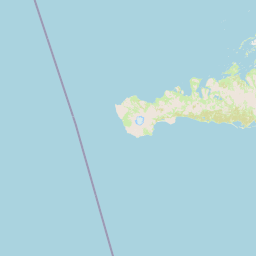
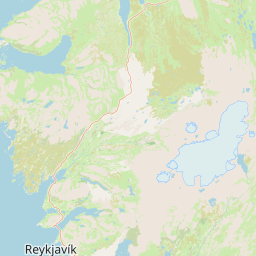
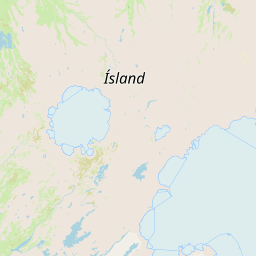
The map below places public coordinates on a real OpenStreetMap base. It does not draw driving arrows because Reykjavík, Vík and Keflavík are not three sightseeing stops to tick off in one day. It simply lets you understand before booking why the first night, the South Coast night and the departure night should not all be chosen by the same place that merely looks convenient on a map.
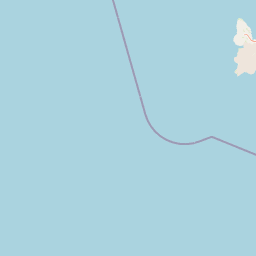
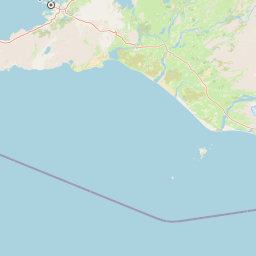
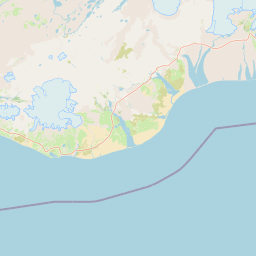
With children, the first thing to protect is the ability to return straight to the hotel
Keeping one night in the same place can sound like giving up a landscape. In practice, it gives naps, laundry, wet shoes, supermarket stops and the family’s actual condition somewhere to land. Especially when one adult does most of the driving, a sleeping child is not a signal to extend the drive. SafeTravel’s warnings about fatigue do not disappear because the back seat is quiet; driving, parking and check-in belong in the same time calculation.
If the morning already contains a fixed activity, I would not add the furthest stop in the afternoon. It may look like less on paper, but it prevents the family from negotiating at dusk over who is hungry, cold or finished walking while the hotel is still somewhere else. Use the practical time calculation for daily driving to identify the stop that can be removed. If the weather changes, use the rainy-day reshuffle that keeps accommodation intact to protect the evening instead of searching for another room at short notice.
An activity is not a reward; it changes the two nights around it
Wanting to visit the Blue Lagoon, see an ice cave or simply have one day without another long car journey are all legitimate reasons to shape the trip. The question is not whether the activity is worthwhile. It is whether you have treated it as a complete day with a meeting time, changing clothes, food and a return journey. For the Blue Lagoon, use the arrival-day or departure-day comparison to decide where it belongs. For an ice cave, work backwards from the meeting place, age rules and the previous night. That keeps the morning from becoming a rush to the meeting point and avoids sending everyone into an unnecessary long drive afterward.
The ICENAVI “shorten tomorrow” test: did this night actually buy you choice?
Before booking, I add one sentence after every night: if it rains tomorrow, someone feels unwell or we leave an hour late, can this night still absorb us? If the only answer is “we will just remove one sight,” the day probably has no genuinely removable part; the hotel has simply moved the pressure to the morning. A stronger plan keeps the main route intact and leaves waterfalls, a beach walk or a hot pool as optional choices for a day when everyone has the energy.
| Tomorrow’s variable | Accommodation night that still works | Signs that the plan is too tight |
|---|---|---|
| The children wake one hour late | The first stop can move later and check-in is not close to its deadline | You must cancel lunch or skip every break to reach the hotel |
| The fixed activity moves earlier or later | The previous night is close enough to the meeting point and the following night does not require the longest transfer | You cross regions only after the activity, leaving dinner and check-in to an estimate |
| Weather shortens the outdoor visit | You are staying put or have an indoor or short-stop alternative nearby | The only remaining option is to keep driving, with nowhere suitable to settle next |
This test also separates “we genuinely need two nights” from “we are afraid of missing a sight.” The value of two nights is not sleeping in the same hotel twice. It is that one morning does not begin with packing every bag. For children, that means waking up before going out. For the driver, it means not watching the estimated arrival time while hoping the back seat stays asleep. If a South Coast night has become central to the trip, the comparison between one or two nights in Vík separates the accommodation difference from the next day’s direction, whether eastward or back west. Once the number of nights is clear, use the Iceland family-accommodation guide to rooms, kitchens and laundry to check each function. “Sleeps four” does not automatically mean four people will be comfortable. If you are choosing between two family rooms, an apartment and a hotel, the division of responsibilities between guesthouses and hotels puts check-in, cleaning, food and backup plans back into the context of one night instead of leaving you to judge by room photos alone.
A good seven-day family trip does not require children to follow an adult checklist
The thing most worth protecting is the family still having the energy to get out and see the first waterfall. Seven days might mean Reykjavík plus the South Coast, a longer stay combined with one guided day or, under very generous conditions, a shortened Ring Road. Having one spare space on the calendar does not mean handing it to another stretch of road. Give every night a purpose first, and the itinerary has room to improve when the children genuinely enjoy the day.
Related reading
Connect accommodation and driving before adding stops
More reading
Choose one activity day the whole family can keep
References
- Visit Iceland | The Ring Road: Route 1 is 1,322 kilometres, with official planning guidance suggesting at least seven days; this article does not treat it as a mandatory family itinerary.
- SafeTravel | Fatigue and drowsiness: Source boundary for fatigue and rest guidance; same-day roads and weather require separate checks.
- OpenStreetMap contributors: Geographic base map for the three accommodation roles shown in this article.
Q&A | Questions to settle before departure
How should we change the plan if the children wake one hour late?
Remove optional sights first. Keep the breaks and the meal.
Do we have to drive the Ring Road in seven days with children?
No. A deeper South Coast trip with fewer hotel changes is usually steadier.
What should we check when booking a family room?
Confirm the beds, bathroom, kitchen and laundry access rather than looking only at the stated occupancy.
References
Roads, activity times, ticketing and opening arrangements can change. Before departure, check each item against the sources listed at the end of the article.