
ICENAVI · FAMILY ROAD DECISION
At the rental desk, families usually worry less about the most beautiful waterfall than about practical questions: where the child seat fits, whether the bags will fit beside it and how far the car should go after the next bathroom break. Those details decide how many choices you still have by evening.
Confirm the Seats and First Night Before Choosing the Car
Under Icelandic rules, children under 135 cm need a suitable child restraint for their age, height and weight. A child under 150 cm must not sit in a front seat with an active airbag. Before choosing a car or route, confirm the seat type and installation, the first night’s location, a realistic stop rhythm and a weather fallback. Until those details are confirmed, the plan is not ready.
ICENAVI FAMILY DRIVE · ROAD FIT
Does this route leave enough room for a family day?
Scores reflect editorial judgment on seat safety, stop rhythm, driving load, accommodation fallbacks, and activity logistics. They are not rental car or hotel ratings. Verify child height, car class, weather, and road conditions for your specific travel dates.
Children under 135cm need a proper seat. Front-seat airbag rules (150cm limit), installation method, and pickup checks directly affect which car class you need.
Include time for bathrooms, fuel, meals, and walking from parking in your schedule. Keep one optional stop per day so you have a choice if the kids are struggling.
An hour in Iceland is more than just an hour at the wheel. A single driver, wind, snow, or short daylight hours all reduce the safe distance you can cover.
Staying near the next decision point (e.g., Vík or a South Coast base) reduces night driving. A cancellable booking is more valuable than chasing one more scenic stop.
Ice caves, whale watching, or early departures require planning backward from the previous night's location. If an activity is fixed, don't schedule the longest drive on the same day.
Self-driving works well when seats, short daily drives, accommodation, and activities are compatible. If your children need a stable routine, a mix of hotel stays and day tours offers more flexibility.
Do Not Choose a Child Seat by Age Alone
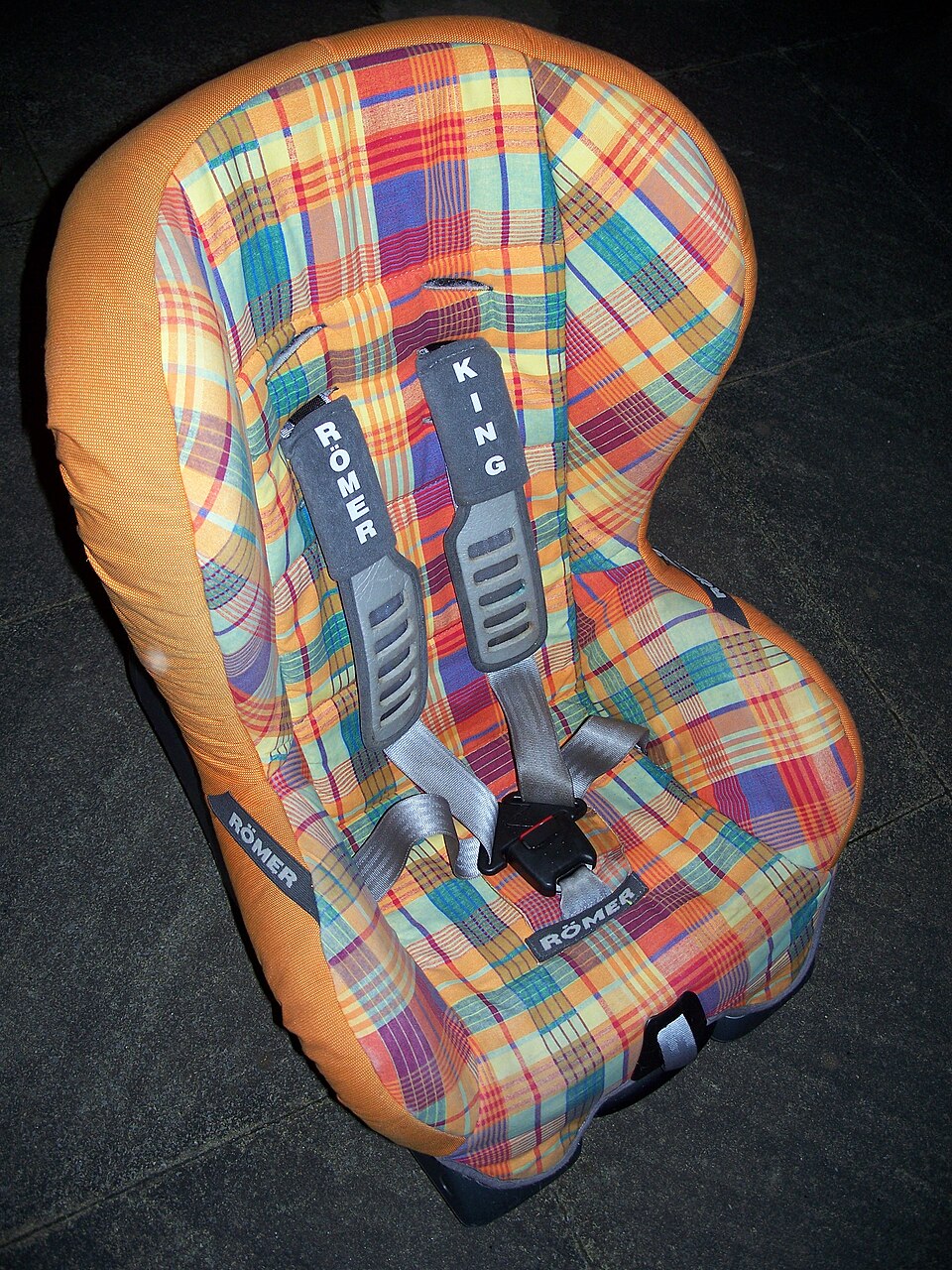
“Child seat” on a booking form is only a starting point. Match your child’s height and weight, rear-facing needs and five-point harness to the anchoring system in the actual car. Before flying, record those details in the booking and ask the rental company to confirm the seat type, collection and installation time, and the manual’s language. A generic “seat available” reply is not confirmation.
| What to ask now | Why it changes the trip | What not to rely on |
|---|---|---|
| Child height, weight & seat type | Determines the required seat and installation method | The phrase "child seat available" |
| Car class, luggage & passenger count | Determines if visibility and trunk space remain adequate with seats installed | Marketing photos of the same car class |
| Front-seat airbags & seating position | Children under 150cm cannot sit in front seats with active airbags | The idea that front seats reduce motion sickness |
| Arrival time & first night location | Determines if you must install seats and drive in the dark while tired | The driving time shown by your navigation app |
Four Things to Settle Before Leaving the Rental Counter
Do not make the counter your first research session, install the seat before checking the luggage, move a child to the front for a better view without checking the airbag, or schedule the longest drive immediately after pickup. A queue and a coffee may be manageable for adults; a child’s patience will not improve because the country is new.
Have one adult check the bodywork, tyres, fuel and contract while the other handles the child and the seat. After installation, both adults should test the buckle and shoulder straps and secure loose items before leaving. Ask the rental company if anything is unclear. Do not use a seat with a collision history, unknown age or visible damage. Check whether the family’s luggage actually fits in the chosen car; the 2WD vs 4WD guide is more useful for that question than the 4WD badge alone.
For a Family, Rest Is Part of the Driving Plan
When a child gets restless, “one more hour” is rarely just one more hour. Icelandic driving also includes bathroom and fuel stops, wrestling a door in the wind, finding a place to park and walking to the sight. Removing those pauses does not make the road shorter; it makes the final stretch harder for everyone.
Plan one substantial driving leg and one optional stop. Keep the stop if the children are comfortable; go straight to the hotel if they are not. The daily driving-time guide counts parking, meals, check-in and fixed activities as part of the day. With children, that buffer helps the driver stay alert.
Your Hotel Location Is Part of the Safety Plan
For a three- or four-night trip, changing hotels every night for a different view usually costs more energy than it saves. A late arrival still includes car pickup, water, luggage and seat installation; an airport or Reykjanes night can be the sensible end of day one. Start sightseeing the next morning. If an ice cave or glacier-lagoon booking is on the South Coast, choose one or two nights in Vík by the next morning’s meeting point, not by whether the child happens to sleep in the car.
Start by deciding where to stay the first night, then use how to split your Iceland nights to plan transitions. If you know only one adult will drive long distances, or if your child is prone to motion sickness, staying in Reykjavik for multiple nights and taking day tours might be more comfortable than renting a car. Our guide on self-drive vs day tours covers this trade-off.
| What the family wants to protect | What self-drive provides | The cost you pay | A more stable alternative |
|---|---|---|---|
| Child's routine & sleep | Stop based on the child's state, check in early, or avoid moving luggage | Driver still faces weather, parking, and road changes; driving time isn't offset by the child sleeping | Stay one extra night at the same base, or hand the long segment to a guided day tour |
| Scenic stops | Waterfalls, black sand beaches, and towns can be adjusted for weather | Every stop, walk, bathroom break, and re-entry adds to arrival time | Keep one main attraction, mark others as optional, don't treat the list as a promise |
| Fixed activities | Control over previous night's stay and departure time | Activity check-in, changing, meals, and parking all need buffer; late arrival fallbacks are limited | Stay near the meeting point the night before, or use the activity's shuttle for part of the trip |
| Budget | Family shares one vehicle, reducing per-segment transfer costs | Seats, fuel, parking, split nights, and extra buffers for children all add up | City base + selected day tours, avoiding the fatigue cost of every road segment |







Build the Itinerary Around the Child’s Needs
A good family road trip does not need to prove that everyone can complete an adult-paced Ring Road. The useful test is simpler: the seat is correct, the driver is rested, and dinner and check-in do not depend on night driving. Dropping an “on the way” stop gives you time to make a real roadside stop when the family needs one.
Two Families Can Need Completely Different Plans
Only one adult drives long distances: Don't assume the driving load is shared just because there are two adults in the car. The passenger handles navigation, snacks, an unsettled child, and planning the next bathroom stop, but the person at the wheel is the one accumulating driving fatigue. In this case, I would shorten the driving day or stay one extra night at the same base. A sleeping child might seem like a good time to push on, but the driver may have already passed the point where a rest is most needed.
Ice caves, whale watching, or early meetings: The activity itself is a time-sensitive commitment. Don't sandwich the longest drive before or after it. The child needs to wake up, change, use the bathroom, and eat. The farther away the meeting point is, the closer your hotel should be the night before. For ice caves, see how the meeting point determines the previous night. If it's winter and you're dealing with short daylight and road changes, Winter Driving: Go/Hold/Stop is a more practical answer than "leave earlier tomorrow."
Children are often unhappy because the adults are chasing the timetable, not because one attraction was missed. Put fixed activities, long drives and the first check-in on separate days where possible. Keep medication, warm layers, water and spare clothes in the cabin rather than under the luggage. In rain, motion sickness or a late check-in, that small choice can turn a difficult stop into a quick one.
Related Reading
Set up the car and the day's rhythm first
Iceland: 2WD or 4WD? How many hours to drive per day in Iceland?More Reading
Let accommodation and transport serve the family
Where to stay on arrival day in Iceland? Iceland: Self-drive or Day Tours?Q&A | Practical questions to confirm before departure
What should a family solve first before driving?
Confirm the child seat, realistic daily distance, rest stops and access to essentials inside the car. Only then decide how many sights can fit.
Can we change hotels every day?
You can, but repacking wet clothes, snacks, seats and luggage every day adds work. Two nights in one base usually leaves more room for a weather fallback.
Can we follow the summer route in winter?
Don't copy it. Short daylight, wind, snow, road warnings, and temporary closures reduce available activity time. Prioritize lowland fallbacks.
Do we need to book a child seat?
Yes, confirm the type, size, installation and availability with the rental company. “Seat available” does not prove that it suits every child.
References
Regulations and rental company offerings, car classes, and installation processes may be updated. The following sources were verified on August 24, 2026. Please confirm with the supplier before pickup.
- Icelandic Transport Authority | How to Drive in Iceland: Child seat rules for under 135cm and seatbelt rules for all passengers.
- Icelandic Transport Authority | Child safety in motor cars: Front-seat airbags, 150cm limit, and seat condition data.
- Cschirp / Wikimedia Commons | Child car seat: Physical seat photo in the article, CC BY-SA 2.5; used for scaling on this site, not a rental supply or installation tutorial.
