
ICENAVI · ROUTE PRESSURE TEST
There is no useful rule that says every Iceland day should contain four hours of driving. Four hours may be an easy transfer, or a full day of watching the clock around an activity, black-sand beaches, fuel, stops and a late check-in. A time breakdown is more useful than a neat maximum.
ICENAVI DRIVE FIT · DAILY TIME
Subtract Fixed Commitments Before You Add Stops
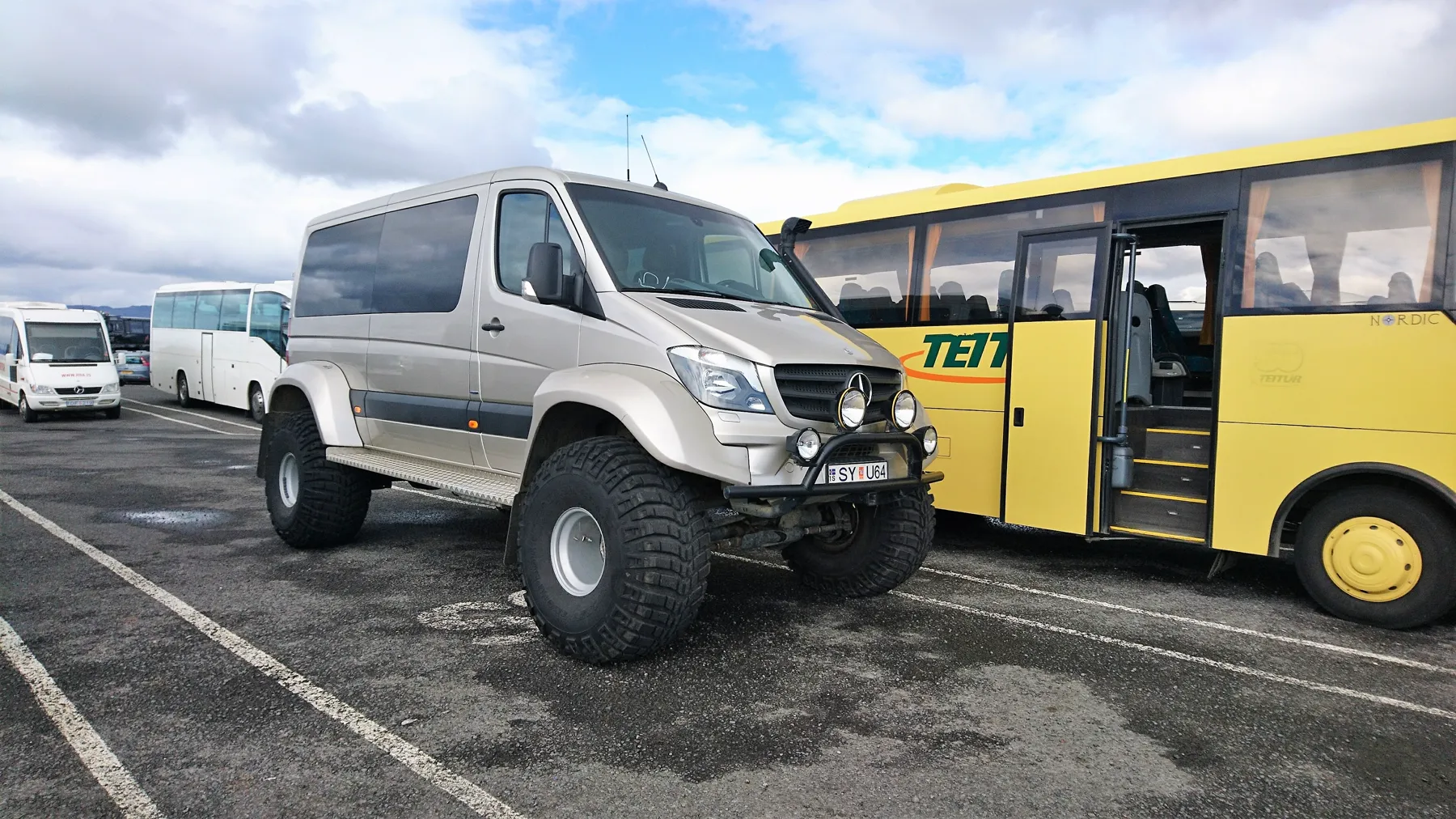
This editorial score weighs fixed commitments, expanding stops, the overnight endpoint, activity meetups and weather or fatigue margin. Re-check road and accommodation arrangements for your dates.
Deduct meetups, check-ins, car returns, and flights first. What remains is your free movement time.
Budget for parking, walking, toilets, meals, fuel, and photos at each stop. Underestimating every stop leads to a chaotic afternoon.
Tonight's stay should minimize tomorrow's backtracking. Don't let the shortest navigation time replace the time needed for arrival, resupply, and car setup.
Ice caves, whale watching, snorkeling, and spas all require check-in, gear, and post-activity fatigue. Calculate driving time from both ends of the activity.
Keep removable stops and a direct-to-hotel option. This gives you room for wind, poor visibility, getting lost, or a companion needing rest.
Add navigation, stops, activities and check-ins to the same schedule so you can see what can be dropped safely.
If you travel between June and August, do not let the midnight sun erase the time budget. The summer driving guide separates long daylight, road types and fatigue. More light can make a stop easier; it does not remove tomorrow’s hotel or a fixed meeting time.
Before Asking “How Far Can I Drive?”, Check What the Evening Can Still Hold
A 9 a.m. departure and 3 p.m. arrival do not create six spare hours. The first day includes learning the car, fuelling, buying water and adjusting the seats. One waterfall may require parking, a jacket, a walk to the viewpoint and a toilet. Those minutes are part of travel; they are not evidence that anyone is moving slowly.
Split the day into fixed commitments, road time, expandable stops and a buffer. The buffer is easy to delete because it never appears in a photo, but it absorbs a weather change, wrong turn, tired passenger, early-closing shop or late-arrival call to the hotel. SafeTravel warns that Icelandic weather and road conditions can change quickly, while Google Maps may not show closures or impassable roads. If the checking order is unclear, use the Iceland road-conditions reading guide to separate road notices, weather and navigation. A smooth day is evidence, not a promise.
| Time of Day | What Fits Here | Where Planning Usually Goes Wrong |
|---|---|---|
| Immovable | Ice cave/whale watching meetups, check-in deadlines, car returns, flights | Remembering only the activity duration, forgetting check-in, gear, and post-activity cleanup |
| Road Baseline | Navigation estimate when official road conditions allow | Treating the fastest listed time as if wind, construction, and stops don't exist |
| Travel Stops | Parking, walking, toilets, meals, fuel, photos | Underestimating each stop slightly, leading to a sudden afternoon breakdown |
| Optional Stops to Cut First | Second waterfall, detour coffee shop, sunset wait | Not writing them down first, so you don't know what to cut when weather turns |
| Buffer | Delays, rest, wrong turns, re-checking roads | Being treated as "free time" and filled with another sight |
Choose Tonight’s Base Before You Add Another Stop
More Sights Do Not Automatically Improve a Longer Driving Day
Route 1 is about 1,322 km, and official tourism information recommends at least seven days for a complete circuit. That does not turn 189 km into a safe daily target: towns, passes, Eastfjords and sightseeing stops make the effort uneven. Dividing kilometres by days gives a tidy number, not a hotel plan. Where asphalt becomes gravel, allow for lower speeds, greater following distance and safe stopping; how to drive on gravel roads covers those decisions. At single-lane bridges, how to slow down and give way at bridges covers another delay navigation tends to hide.
The South Coast creates the same trap. From Reykjavík to Vík, every stop appears to sit on one line, but you still have to choose between lingering at waterfalls and black-sand beaches or protecting a night before Jökulsárlón. If everything looks “on the way”, how to split Vík and the glacier lagoon over two days and one night divides the route across two nights. The useful question is where you sleep next, not how many sights fit on the list.
Averages are even less reassuring in the east and north. Visit Iceland's ring road information describes the section from Höfn to Egilsstaðir as a zigzagging route through the Eastfjords. The summer route over the 939 Öxi pass can save 68 km, but it is a steep, winding gravel alternative. Fewer kilometres do not suddenly make this a good section for adding an activity with a fixed meeting time. I would keep that time for check-in and dinner, because you will be driving again the next day.
With a Fixed Activity, Count the Drive on Both Sides
Ice caves, snorkelling, whale watching and spas have check-in points, equipment, meeting times and post-activity fatigue. If you need to meet at Skaftafell in the morning, a hotel in the right direction the night before usually matters more than one extra waterfall after breakfast. Putting the activity inside a long transfer often creates a late arrival when it is dark, raining or unfamiliar to park. For an early start, how to assess an Iceland hotel breakfast add-on helps you check opening times, breakfast boxes and limited supplies. “Breakfast included” is not automatically useful.
This is also why I do not dismiss day tours as inherently restrictive. If you want to see the south coast without taking on the long drive, How to choose a south coast day tour clarifies the meeting point, return journey, and sightseeing trade-offs. If you prefer to self-drive but need to fit in an ice cave tour with a fixed meeting time, start with How to choose an ice cave tour meeting point. Both articles establish the activity's meeting and return times before considering where to stay and how to structure the journey.
When These Four Signals Appear, Stop Adding Stops
| Current Situation | Better Response | Not a Solution |
|---|---|---|
| Navigation arrival time is right up against check-in or meetup | Change to a closer night, swap days, or remove optional stops | Telling yourself "it shouldn't be traffic" |
| Only one driver for the whole day | Leave the afternoon blank, judge the next stop after lunch | Treating fatigue as a minor issue with coffee |
| Road, wind, or visibility is changing | Re-check official road conditions, go directly to hotel or stop at a service point | Using a morning screenshot to replace current status |
| Same day also has pickup, resupply, or return | List it as a travel day, keep only one most-wanted sight | Treating pickup/return as a five-minute procedure |
Pickup day deserves special caution. Even with a familiar model, the counter, vehicle inspection, fuel, luggage, navigation, supermarket and first departure from the airport can make an afternoon start sensible. The first-night location determines how much unfamiliar road you must handle while tired. If arrival is late, companions are exhausted or the Blue Lagoon is still in the plan, use First night stay: KEF, Reykjanes, or Reykjavík before adding distance. Keep warm layers, dry socks, waterproof bags and chargers in a daypack; Iceland luggage allocation for self-driving, wind/rain and wet clothes explains the practical split.
If there are children in the back seat, the first leg also involves three things you cannot fix while driving: child-seat installation, front airbags, and luggage space. Read Planning car pickup and spare time on an Iceland family road trip when you book the car, not when the children start getting impatient.
Choose an Overnight Base That Shortens Tomorrow’s Drive
The right overnight base keeps tomorrow’s first hour from retracing yesterday. On the South Coast, Vík can reduce the return from Reykjavík when Jökulsárlón, ice caves or further eastbound travel remain. With only two nights for the Blue Lagoon and Reykjavík, moving south every night may spend your sightseeing time on luggage and check-in instead.
If you are deciding how many overnight bases the trip needs, start with How many days to spend in Iceland. It uses the nights actually available, rather than an idealised sight count, to divide time between the ring road, south coast, and a city base. If you have already settled on Vík, One night or two in Vík weighs black sand beaches, ice caves, and the next day's eastbound journey. Compare individual hotels only after those two decisions, when you know whether you are paying for breakfast, parking, flexible cancellation, or one less late arrival. To set a firm stopping point each night, Setting a nightly driving limit on the ring road adds stops, supplies, weather, and arrival tasks to the navigation estimate. This fills in an often-missed step before deciding where to sleep. If roads, flights, or fixed activities are not yet confirmed, Accommodation cancellation terms and change radius can help you decide which night needs flexibility most.
Write a Backup Plan You May Never Use
Before departure, write two versions of the day. Plan A keeps the stops you most want; Plan B goes straight to the hotel if weather worsens or the driver tires. Deciding this early is easier than debating “we have already driven this far” late in the afternoon. If Plan A pushes the last leg into darkness, Iceland mountain-road night driving: daylight, fatigue and animal risks separates remaining daylight from remaining energy. SafeTravel’s advice to drive to current conditions and stop safely also means that parking and rest belong in the itinerary.
If the schedule works only when every stop is brief and every segment matches navigation’s fastest estimate, it is not ready to book. Leaving one sight for another trip is a better trade than putting tonight’s hotel, tomorrow’s meeting, your companions’ energy and safety on the same bet.
Related Reading
Connect today's drive to the next decision
2WD/4WD: Does today's route really need an upgraded vehicleWinter driving: How that morning road judgment changes the whole dayMore Reading
Use Night Count and Accommodation Location to Shape the Route
8-day ring road: Which night should not be pushed further east or northIceland accommodation night split: choose bases that shorten the next dayQ&A | How to tell if a daily driving schedule fits
Navigation shows five hours; how much time should the itinerary allow?
Five hours is only the road baseline. Add parking, walking, toilets, meals, fuel, photos and a weather buffer. If the day has a fixed meetup or check-in deadline, deduct it first and see whether the remaining distance still fits.
What is the maximum reasonable kilometres per day?
There is no fixed kilometre count that applies to everyone. Road surface, wind, stop density, number of drivers, and next-day activities all change the answer; rather than chasing a pretty number, it's better to pre-write removable stops and a direct-to-hotel version.
Activity is already paid for; should it be forced into a long driving day?
First look at the check-in point, gear time, and post-activity return direction. Fixed activities occupy time at both ends; if scheduling leaves only a long night drive, changing the previous night's stay or moving the activity to another day is usually more stable than chasing sights with fatigue.
What signals mean today shouldn't add another stop?
Navigation arrival time against check-in or meetup, only one driver, worsening wind and visibility, or companions starting to need rest are all stop signals. At this point, remove optional sights; don't use "still daylight" as extra capacity.
References
Roads, weather, activity meetups, and rental terms change; the following data was verified on August 23, 2026, and should still be re-checked on departure day.
- Visit Iceland | The Ring Road: Route 1 approx. 1,322 km, complete ring road recommended at least 7 days, and eastern fjords and Öxi pass route descriptions.
- SafeTravel | How to Drive in Iceland: Road and weather changes, gravel roads, single-lane bridges, fatigue, and navigation data limitations.
- SafeTravel | Travel conditions: Same-day roads, wind, weather, and warning information entry.
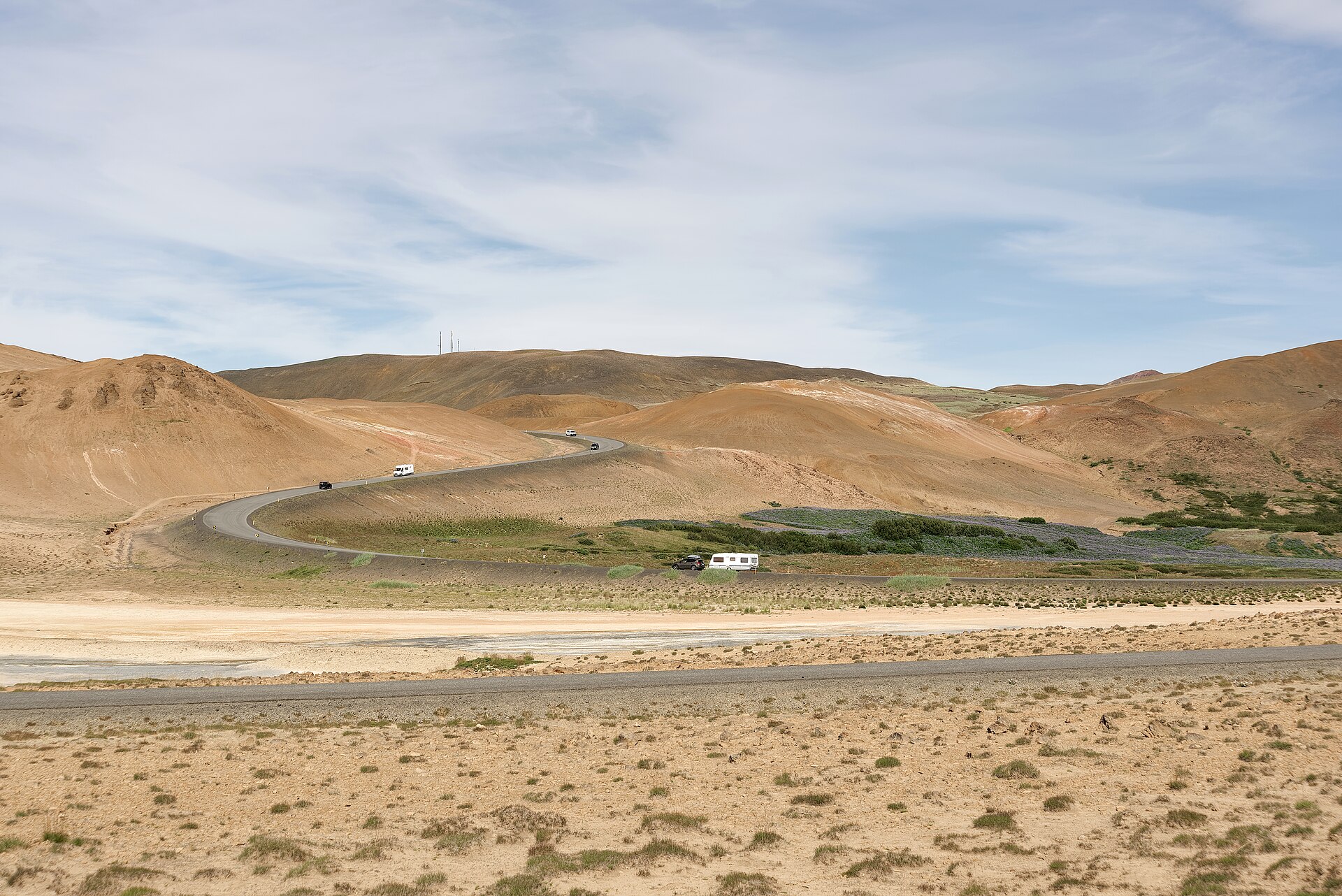
- Jakub Hałun/Wikimedia Commons | Route 1 near Hverarönd: Main text road scene image source, CC BY-SA 4.0; image only for road scale and environment description, not for same-day status basis.
