
ICENAVI · SUMMER DRIVING IS A RHYTHM, NOT A CLOCK
The familiar summer mistake starts around 9 p.m.: it is still bright, so someone suggests one more stop. The tank may not be full, the bags are still in the car, the driver has not rested, and tomorrow’s plans are already being spent. In Iceland, the midnight sun gives you room to pause; it does not give you extra stamina.
ICENAVI DRIVE FIT · SUMMER SELF-DRIVE
Use the Daylight Buffer Without Spending Tomorrow’s Energy
This editorial score weighs road type, parking and stops, fatigue under long daylight, fixed activities, F-road eligibility and overnight-base logic. It is not a safety rating or a live road forecast. Re-check roads, vehicles, rental terms and activity policies for your travel dates.
Long daylight gives you recoverable time, but it shouldn't be used to offset parking, meals, road changes, activity check-ins, and driver fatigue.
Route 1, gravel side roads, and F-roads have different opening seasons, vehicle requirements, river crossings, and insurance boundaries. Identify the surface first before comparing car classes.
Light at night only means better visibility; it doesn't extend your reaction time, attention, or driving capacity for the next day.
Parking, walking, restroom breaks, water, fuel, and getting back on the road all add time beyond the navigation estimate. Scenic stops are never instantaneous.
Whale watching, glacier lagoon boats, snorkeling, and snow activities have check-in times and return drives. Your previous night's base should be chosen based on the meeting point direction.
Summer doesn't mean automatically open. Roads, rivers, vehicle class, rental terms, and rescue boundaries must all be valid on the day. Otherwise, convert the highland to a theme day or cancel it.
Summer Is Not One Road: Start With the Surface Under Your Wheels
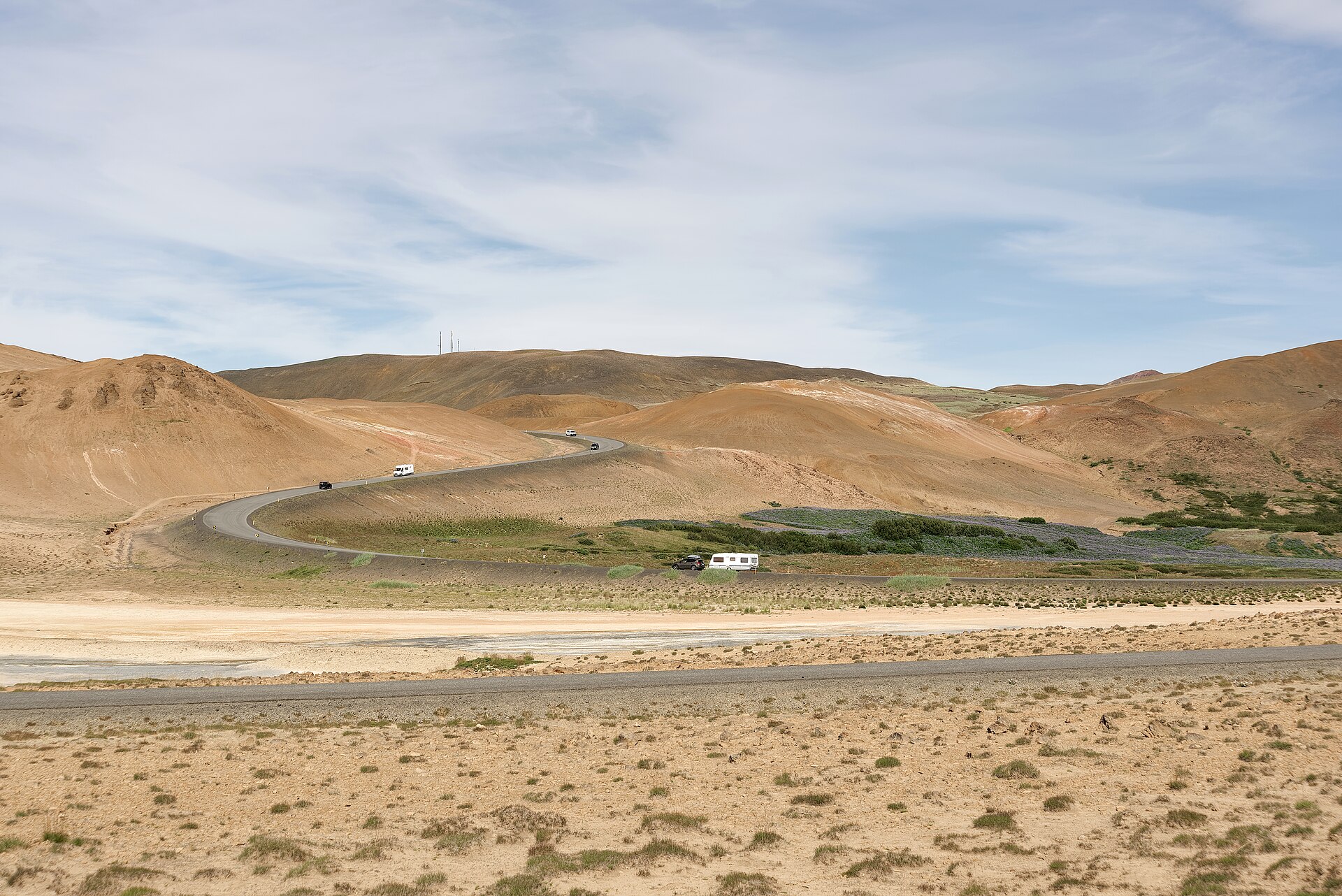
Route 1 is mostly paved, yet you still need to allow for narrow shoulders, single-lane bridges, livestock, crosswinds and sudden roadside stops. Gravel reduces grip and following distance. F-roads add seasonal openings, unbridged rivers, rental restrictions and vehicle requirements. Write down the roughest and longest surface on your route first; only then compare vehicle size and insurance.
| Road You Plan to Drive | What to Verify | How to Write the Itinerary | What Not to Substitute |
|---|---|---|---|
| Main paved highway | Traffic, shoulders, single-lane bridges, wind, and parking spots | Limit main sights per segment, leave safe parking time | "Navigation says only two hours" |
| Standard gravel side road | Rental company terms on vehicle class, gravel coverage, and road conditions | Reduce speed, account for photos and avoiding traffic | Treating the 80 km/h limit as a target |
| F-road highland | Current opening, legal vehicle class, rivers, and rescue boundaries | Treat as a theme day, keep a cancellation exit | "If it has 4WD, it must be fine" |
The Midnight Sun Makes “One More Stop” Feel Harmless
Fatigue may show up as missed turns, casual roadside parking or the thought that the last 40 minutes will be easy, rather than a yawn. SafeTravel recommends stopping to stretch about every 100 km and changing drivers when possible; June does not change that advice. Put parking, toilets, water, fuel and offline-map downloads into the same break so the next stretch gets your full attention.
Set the latest time you want to be parked for the night before adding dinner or photography stops. A 9 p.m. photo in daylight does not make a 9:30 departure sensible. If tomorrow starts with whale watching, a glacier-lagoon boat or another fixed meeting time, staying near the right starting point matters more than one extra waterfall. A prepaid activity should never turn tired driving into the plan.
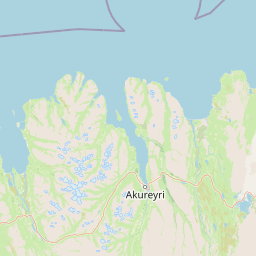
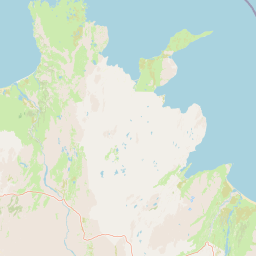
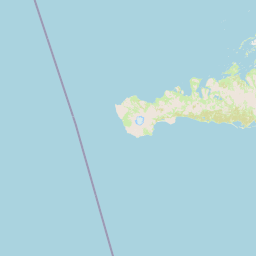
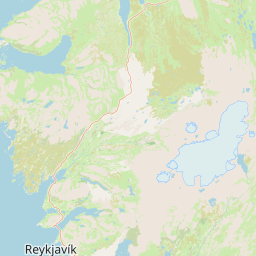
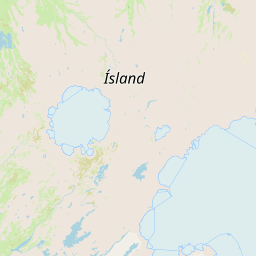
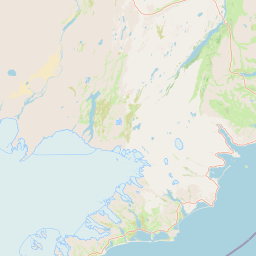
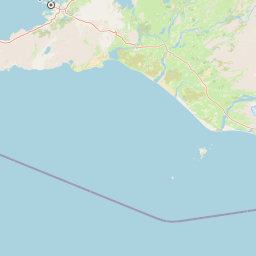
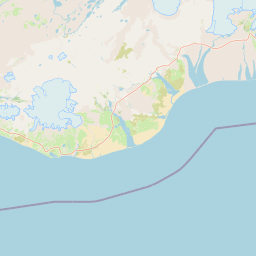
Three Summer Route Shapes: Decide What You Are Willing to Skip
Choose a Summer Route by What You Are Willing to Drop
| Nights Available | Stable Main Route | Can Add | Should Cut First |
|---|---|---|---|
| 3–4 nights | Reykjavik + Golden Circle or West South Coast | One fixed activity, one hot spring | Ring Road, F-roads, two far bases |
| 5–7 nights | Deep South Coast or Ring Road test version | One overnight in Vík or Höfn | Snæfellsnes and West Fjords as "on the way" |
| 8–10 nights | Ring Road main line, segmented SE and North | One cancellable activity or highland theme day | Daily long transfers plus boat schedules |
A longer trip still cannot hold every side road. Even with ten days, decide which night can stay in one place; changing hotels every night turns the extra daylight into extra luggage handling. Compare Ring Road directions with Clockwise or Counterclockwise. If you have seven nights, Summer Seven-Day Pace shows where to use the daylight and where to keep the same base.
Let Fixed Activities Choose the Overnight Base
Whale watching, snorkeling, glacier-lagoon boats and snow activities come with check-in times and cancellation rules. Put the meeting point, latest arrival and return drive from the confirmation beside the map before comparing drive times. A Reykjavik activity has different morning logistics from a downtown or airport base; whale watching from Húsavík may justify a proper night in the North. Choose the activity-facing base first, then compare room prices.
If you want South Coast activities without handling the driving every day, see Self-Drive or Day Tour first. Once the tour meeting point is set, How to Choose a South Coast Day Tour will be more useful than renting a bigger car. Vehicle class should suit the road surface and your luggage, not disguise an overlong route.
Before Departure: Three Official Sources, Three Different Questions
Start with Umferðin Road Info: is the segment open, and are there construction or accident notices? Then check Icelandic Met Office Alerts for wind, rain or poor visibility in the places and hours that matter. Finally, use the SafeTravel Driving Guide for fatigue, parking, livestock, single-lane bridges and highland boundaries. If any source reduces your buffer around a fixed segment, shorten the route before cutting rest.
Google Maps is useful for addresses and route estimates, but it is not the authority on closures or impassable roads. Download an offline map before leaving and keep the accommodation number and rental support details where a passenger can find them. If wind rises, the group starts bargaining for one more stop, or the driver is getting drowsy, park and re-plan. Summer gives you recoverable daylight; it does not require you to finish every minor road.
ICENAVI · Summer Driving Stop Line
It Is Still Light at 10 p.m.; Who Is Driving Tomorrow?
If the answer is the same person who has already driven eight hours, stop for the day. Use the remaining light for dinner, a short walk and sleep. Tomorrow’s buffer is more useful for a road change, a fixed activity or one genuinely worthwhile long transfer.
Choose the Car by Road, Then the Lodging by Drive Time
- 2WD or 4WD: Split F-roads, season, and luggage into three tests.
- Daily Drive Time: Add parking, resupply and check-in time to the navigation estimate.
- Summer Seven-Day Itinerary: Lodging and stop rhythm under midnight sun.
More Reading
Keep a Backup Plan for Both Activities and Weather
Q&A | What to Decide First for Summer Self-Driving
Under the midnight sun, can I drive until 10 PM every day?
Daylight does not equal energy. Set your latest stop time first, then consider how long the driver has been behind the wheel, whether you have a fixed meeting time tomorrow, and the wind conditions on the road. Use the midnight sun to make stops more flexible, not to push fatigue later into the night.
Can I rent a standard car for the highlands in summer?
Not necessarily. F-road opening seasons, vehicle class, river crossings, and rental exclusions still need to be checked individually. Summer only increases the chance that a route will be open; it does not make a standard car suitable for a highland road.
For five to seven days, should I do the Ring Road or focus on the South Coast?
If you want time to stop, rest, and respond to the weather, choose one main route first. The Ring Road only works if you have enough nights and well-positioned accommodation; adding the Eastfjords and Westfjords as places "on the way" usually erodes your stopping buffer first.
Where in a self-drive day should fixed summer activities go?
Put the meeting point, check-in time, equipment needs, and likely fatigue on the return drive into the timeline first, then decide where to stay the night before and after. A prepaid activity does not leave room for a long transfer on the same day; a direct drive back to your accommodation is the more practical plan.
References
The following sources were verified in September 2026. Roads, activities, rental terms, and highland openings change; this article provides a decision framework, not a substitute for daily official notices or supplier written confirmations.
- SafeTravel | How to Drive in Iceland: Speed, livestock, single-lane bridges, fatigue, and navigation limits.
- SafeTravel | Fatigue and drowsiness: Stop every ~100 km, rest, and rotate drivers.
- SafeTravel | Highland driving: F-roads, unbridged rivers, vehicle class, and off-road boundaries.
- Icelandic Road and Coastal Administration | Traffic info: Real-time road status and notices.
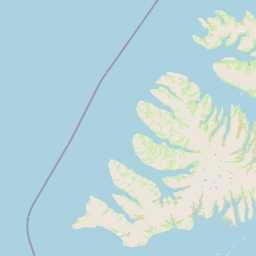
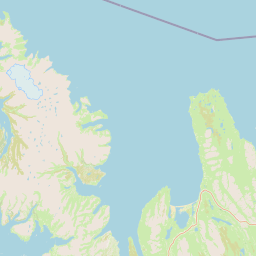
- OpenStreetMap contributors: Real base map for the five geographic pins in this article.
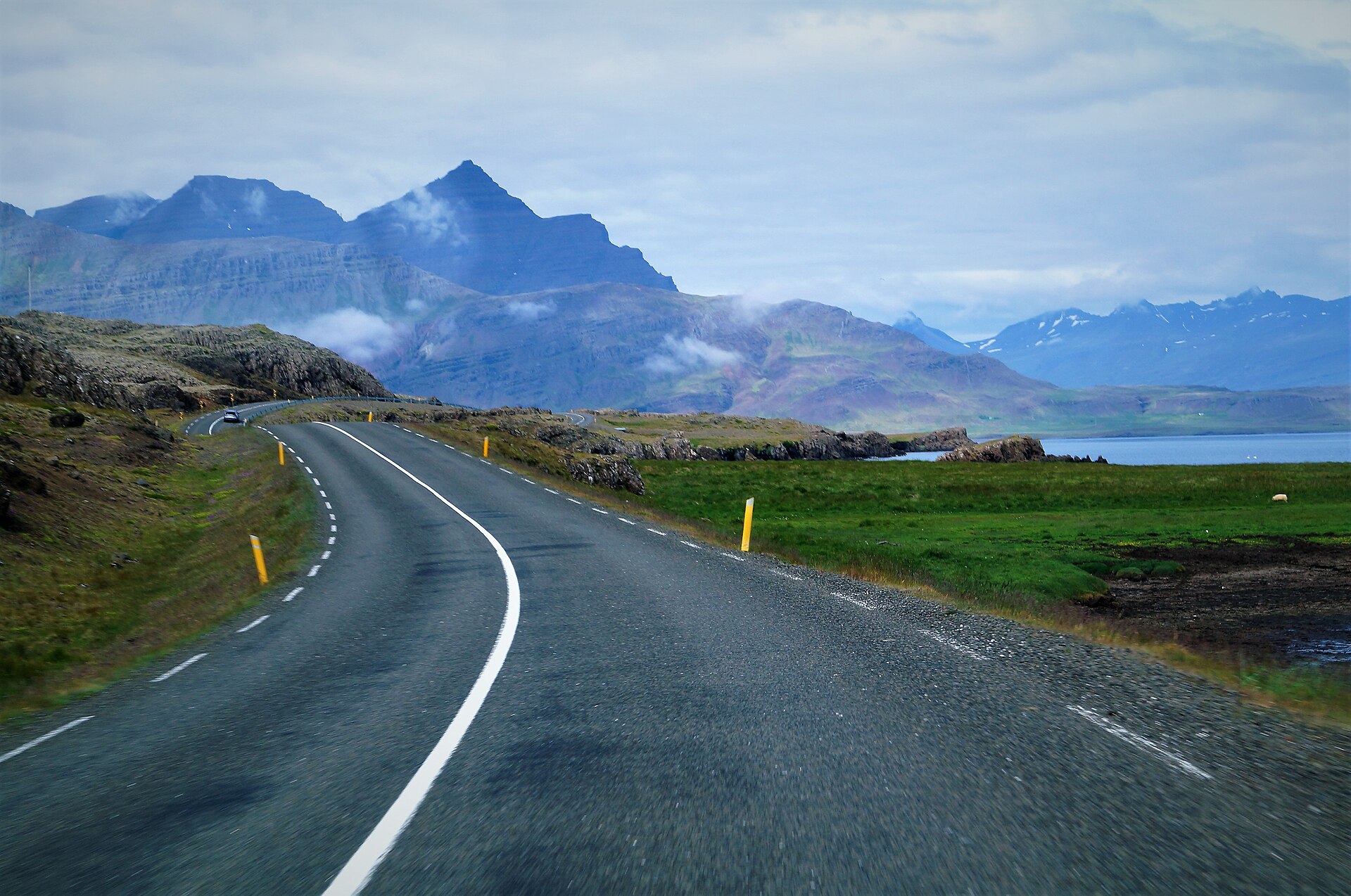
- Hero image: Alexander Grebenkov/Wikimedia Commons, CC BY 3.0; used only to understand summer Route 1 curves and exposed terrain, not real-time conditions.
