
ITINERARY DECISION · RING ROAD DIRECTION
Iceland’s Route 1 is roughly 1,322 kilometres, but the loop is not evenly paced. A late arrival, an ice-cave meeting, a mountain pass or a final airport run can make one direction far easier to recover than the other. Choose around those fixed points instead of treating clockwise and counterclockwise as permanent rules.
ICENAVI ITINERARY FIT · RING ROAD DIRECTION
Clockwise versus counterclockwise is an order of constraints
These scores are an editorial judgement about direction, not a route ranking. Recheck fixed activities, stays, passes, roads and each driver's condition for your dates.
The flight, car pickup, supplies and first-night location matter before the arrow. After a late arrival, do not force a long drive just to begin the loop “properly”.
An ice cave, boat, hot spring or early meeting fixes the previous night on one side of the loop. A product name does not mean you can check in from across the country.
Passes, wind, snow, daylight and road alerts mean winter direction cannot be promised in advance. A stay and regional backup matter more than defending the arrow.
Place the room first each night, then keep one stop you can remove. If a direction only works when every day goes perfectly, shorten a leg or add a night.
Either way, the final stretch needs room for the car return, fuel and flight. Protecting the last night is more practical than squeezing in one extra detour.
There is no permanently correct direction. Protect the fixed timings first, then let the direction work around them.
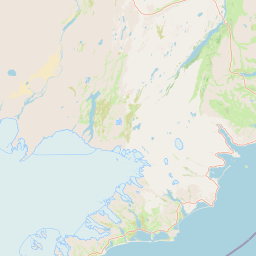
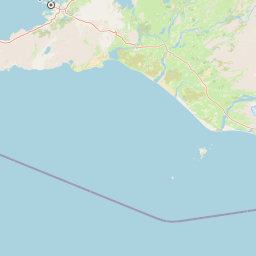
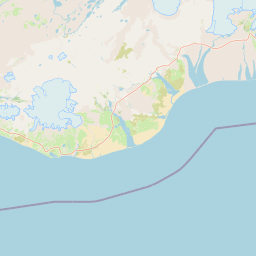
What usually stops travellers is deciding whether to push on today
The loop looks simple: drive east from Reykjavík through the South Coast, Glacier Lagoon and Eastfjords, then on to Mývatn, Akureyri and the west—or reverse it. By day two, though, the choice is no longer just clockwise or counterclockwise. Wind, cloud, check-in time, accumulated driving and the look on a passenger's face when they realise there are still three hours in the car all matter. At that point, the first-night location is more useful than the neat clockwise arrow on a sample itinerary.
There is no single correct direction. You can go east or north from Reykjavík, and the day’s weather and roads should have the final say. The South Coast has a high concentration of sights, but the Eastfjords and north are not leftovers. That distinction moves the decision away from popularity and back to where you have room to adapt. Iceland is very good at reshuffling a must-see order on the morning you leave.
| What you already know | Starting direction that often fits | What you cannot assume |
|---|---|---|
| Summer; first or second night on the South Coast | South first, counterclockwise | Dense sights mean you need fewer nights |
| First night in Borgarnes or the northwest; fixed northern plan | North first, clockwise | The north is always quicker or has less weather variation |
| Winter, strong wind or pass alerts | Let today's roads decide | The planned direction must be completed |
| Ice cave or scheduled activity in the southeast | Place the stays around the meeting date first | Insurance or a 4WD can remove road risk |
The real choice is often whether to push on today
The first night is not just somewhere to sleep: it sets up tomorrow morning
Collecting the car, buying a SIM, finding a supermarket, getting used to the vehicle and dealing with a delayed flight rarely produce a tidy first day. If you arrive late, do not drive far just to make the loop officially “start in the south”. Use Where to stay on arrival: the airport, Reykjavík or the Blue Lagoon to settle that night first; decide clockwise or counterclockwise the next morning.
The same applies to the final night. Whether you reach the west after a counterclockwise loop or return from the South Coast clockwise, you still need the car return, fuel and flight. Keeping Reykjavík or the airport area for the end means the last stretch does not have to gamble with your flight. If you are still wavering, read Where to stay the night before departure: the airport or city centre; working back from the final night often clarifies the first one too.
Circle the immovable anchors first, then fit the direction around them
The anchors are flights, non-refundable stays, ice caves or hot springs with meeting times, and driving days your group cannot handle. They are not minor itinerary details; they determine the direction. An ice-cave meeting usually makes the previous night in the southeast especially important. Place the two nights around that meeting first, then decide which side to enter from. See how to choose an ice-cave tour so you do not discover after booking that the meeting requires crossing half the country.
Only then look at the flexible pieces: a detour through the Eastfjords, an extra night around Mývatn, a stop in Borgarnes or a direct return to the capital. Flexible pieces are where weather changes can be absorbed without bringing down the whole chain. It may look less exciting than a seven-day checklist, but a road alert is much easier to handle when you are not cancelling three commitments at once.
Starting south has real benefits, but it does not mean cramming the South Coast into one day
Driving east from Reykjavík brings you quickly to the Golden Circle, waterfalls, black-sand beaches and Vík. The scenery comes early, which is why first-time visitors often feel the trip has finally begun. The South Coast packs in waterfalls, glaciers, black sand and Glacier Lagoon; in high season, stays between Selfoss and Höfn are harder to find. Remember the second point: dense sights do not mean fewer nights are needed.
If you have only 5 days, ask whether a full loop is sensible before asking which direction to take. Our 5-day South Coast plan separates going deeper from forcing a complete loop. With 6 days, direction still cannot erase the driving; see what a 6-day Ring Road trip has to sacrifice. This avoids reaching day five only to discover that places which look close in photographs are separated by a full day of tiring driving.
Starting north: keep the South Coast for later
Starting clockwise through the northwest and north does not feel as instantly Icelandic as the South Coast, but it can protect the sights you most want to keep—perhaps the South Coast, Glacier Lagoon or a southeast activity—for later rather than making you rush there after landing. This only works if the northern route, passes and weather allow it, and you have enough nights in the north and east. Saving the South Coast does not create extra time; it moves the pressure elsewhere. Do not choose it solely because someone says the reverse direction is quieter.
From September to May especially, watch passes such as Holtavörðuheiði, Öxnadalsheiði and Möðrudalsöræfi. Storms or strong winds can affect them in summer too. These examples explain why winter direction cannot follow a fixed rule. Check roads, weather warnings and SafeTravel in the morning. If one side is unsafe, protect the stays you already have and make it a regional day rather than insisting that today was meant to be clockwise.
Do not mistake sight density for driving cost
Frequent South Coast pull-offs can make the route look short. The Eastfjords and north have fewer marked sights, yet bends, supplies, weather and stopping to look can make them much longer than expected. The common self-drive mistake is treating pure navigation time as the day's budget. Add fuel, toilets, food, parking, photo stops and the slower pace that bad weather demands, and the blank space on the map disappears.
Use a simple direction test: place every night first, keep one stop per day that you can remove if the wind or rain turns, and check whether the group can still arrive before dark and while everyone is alert. If clockwise works after removing one optional stop but counterclockwise makes the final two days painfully tight, the choice is clear. If both directions depend on every day going perfectly, shorten the loop or add a night.
Winter is not the time to promise a direction; summer daylight is not unlimited
In winter, give the first two and final two days an escape route. Roads and weather can change quickly, and SafeTravel clearly warns that navigation may not reflect closures or impassable conditions. If any winter night cannot move, avoid placing it next to a long pass, night driving or an ice-cave meeting. The logic in how to build buffer into a 5-day winter Iceland trip also applies to longer routes.
Summer creates a different illusion: long daylight can make you think you can keep driving. Seeing a waterfall at 9 p.m. does not mean you are still sharp in the tenth hour behind the wheel. The midnight sun gives you more flexibility for stops; it does not turn a two-day geography problem into one day. Rest, fuel, check-in and parking the car safely still belong in the daily budget.
Answer these six questions before paying or booking
- If the flight, car pickup or weather changes the first night, can you still reach it safely?
- Does the final night leave room for the flight, car return and fuel?
- Are you within a reasonable distance of a fixed meeting the night before?
- Which two nights are hardest to cancel, and are they beside the least reliable leg?
- Does each day have one stop you can remove without affecting the stay?
- If a road alert tells you to stop for a day, does the rest of the itinerary remain standing?
Once you answer all six, clockwise or counterclockwise turns into concrete choices: when you want the South Coast to appear, where you need a pass-day fallback, and whether tonight's stay leaves two options for tomorrow. A sound choice means that when conditions change on day three, you still have a way forward without sacrificing the whole trip.
Related reading
Direction is only the first step; the end nights lock in the route
Where to stay on arrival · Where to stay before departure · How to divide six nights over seven days
More to read
Pressure-test the days, vehicle and fixed meetings
What a 6-day Ring Road trip sacrifices · An 8-day Ring Road night-count pressure test · 2WD or 4WD · Ice-cave meeting point and the previous night
References
- Visit Iceland: Ring Road distance, direction and regional notes
- Icelandic Road and Coastal Administration: live roads and closures
- Icelandic Met Office: forecasts and warnings
- SafeTravel Iceland: roads, weather and navigation limits
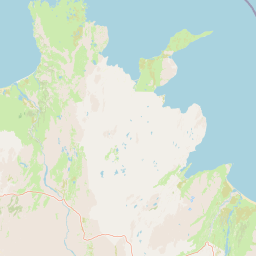
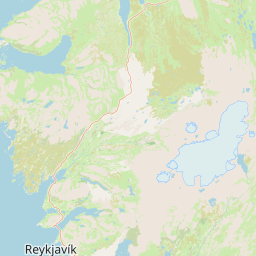
- OpenStreetMap contributors (the geographic base map for the Ring Road starting-position map).
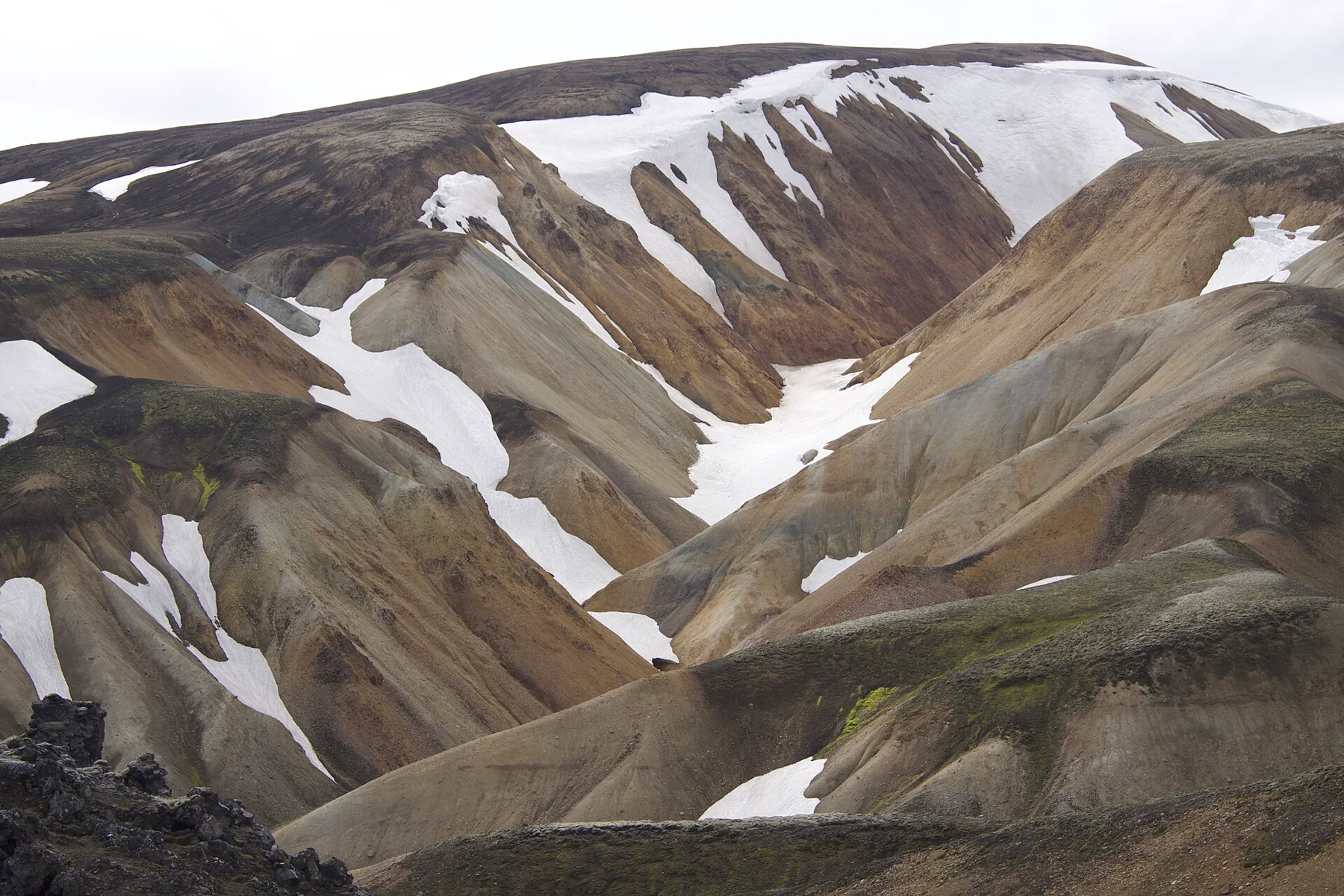
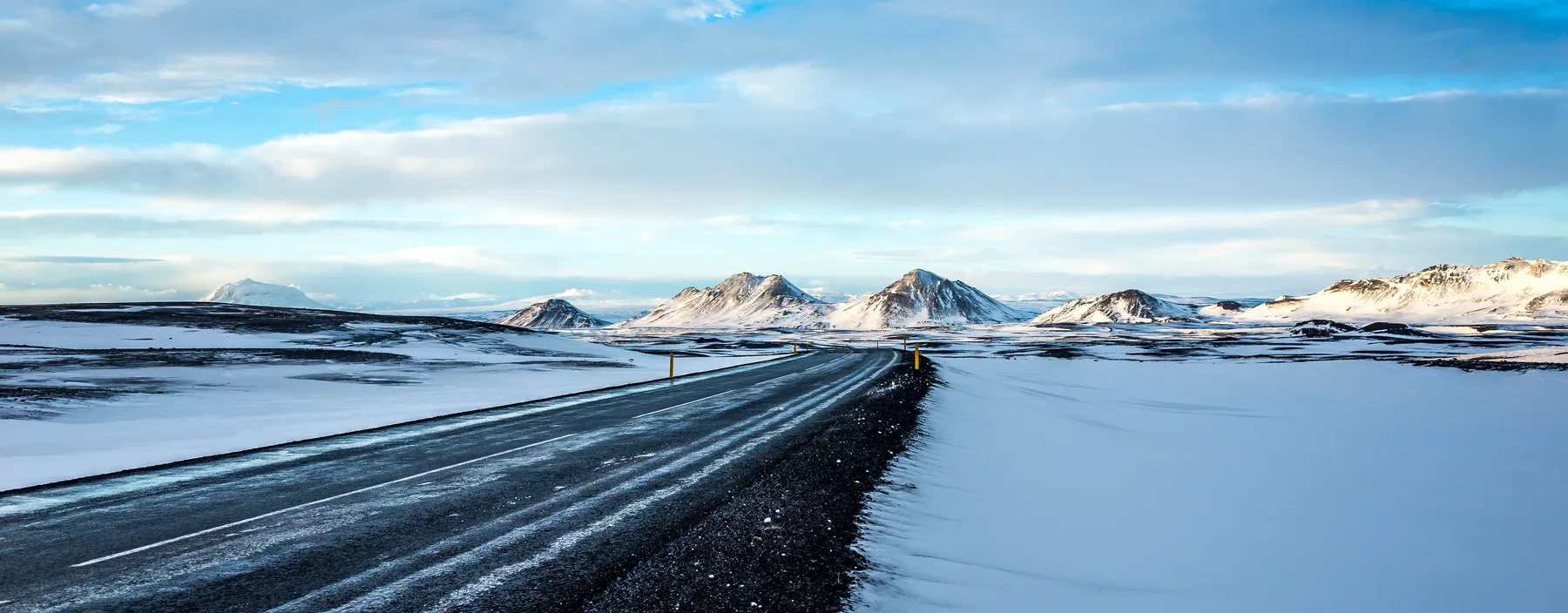
- Route 1 highland photograph: sergejf / Wikimedia Commons
.jpg)
Q&A | Ask these before departure
What should stay protected when plans change?
Protect stays, fixed meetings and flights first, then remove optional sights.
How should I adjust when roads or activities are uncertain?
Rebuild the day around official road and weather information for your departure date, with one cancellable backup.
Do I need a buffer?
Yes. Short daylight, group energy and long drives all belong in the daily budget.
References
Roads, activity times, ticketing and opening arrangements can change; check each item against the sources listed at the end of this article before departure.