
ITINERARY DECISION · 6 DAYS
Once the first and last days are removed, most six-day trips have four full driving days. Visit Iceland puts Route 1 at 1,322 kilometres and suggests at least seven days. A compact loop can be a summer challenge with two registered drivers; for a first drive, winter travel or a trip built around hot springs and ice caves, the South Coast leaves more useful slack.
Q&A | Questions to settle before a six-day trip
Is six days really too short for the full Ring Road?
If arrival and departure each take half a day, you normally have only four complete driving days. Route 1 is about 1,322 kilometres, before parking, supplies, weather and activities are counted. An early summer arrival, an early departure and two registered drivers create the conditions for a challenge; in other cases, concentrating on the South Coast is more dependable.
Which part of the South Coast belongs in six days?
Protect Reykjavík and the southwest, the waterfalls, the black-sand beaches and Vík first. If daylight and road margin remain, extend east to Jökulsárlón glacier lagoon. Do not promise yourself the glacier lagoon first and then fill the gap with lost sleep and a rushed return.
What should you cut first from a six-day winter self-drive?
Remove long cross-region drives and fixed, remote activities first, while keeping sights that can be reached near your accommodation. When road notices or visibility are poor, staying at the same base is more sensible than continuing east to protect a non-refundable hotel.
Should you change hotels every night?
Changing rooms daily is not proof of efficiency. It pays off only when the next day's first fixed meeting point is clearly farther along and checkout, luggage and dinner time are included. Otherwise, avoiding one more luggage move is usually the better use of the day.
ICENAVI ITINERARY FIT · 6 DAYS
Six days is a four-day route stress test, not a passing grade for completing the loop
These scores use the distance, day-count and road-weather evidence available here. They measure route fit, not the quality of any individual sight or hotel.
Visit Iceland lists Route 1 at 1,322 kilometres and recommends at least 7 days; six days is one day short, with meaningful room for discussion only when the flights do not consume complete days.
Across four complete driving days, 1,322 kilometres averages about 331 kilometres per day. That excludes fuel, parking, meals, toilets and weather adjustments, so it is a pressure test rather than a navigation estimate.
SafeTravel notes that Icelandic weather and road conditions can change quickly, and spring and autumn can still bring winter conditions. With four full days, a closure or reduced visibility is difficult to absorb without damaging the return west.
The three evidence-based scores average 4.0. Summer, two registered drivers and generous arrival and departure flights can make it a personal challenge, but most six-day trips should keep their recovery room for the South Coast.
Translate “six days” into the driving time you actually have
Many itineraries count arrival and departure as full days, so six days appears to fit the Golden Circle, South Coast, glacier lagoon, Eastfjords, Lake Mývatn, Akureyri and the return west. In reality, a late arrival may allow only car collection and check-in; an early departure means returning to the southwest the night before. Once both ends are removed, you may have only four complete days. If you still insist on the loop, long drives, sights, meals, fuel, check-in and weather all have to fit inside the same daylight window.
Put the flights, first night, last night, car collection and return on the map, then count complete driving days rather than calendar days. If the route direction is still open, read the clockwise versus counter-clockwise comparison before choosing hotels. The remaining questions are practical: can the group change rooms nightly, share the driving legally, and remove a whole region if wind or a closure appears? If not, the loop has no useful buffer.
| Your conditions | Better fit | Why |
|---|---|---|
| Summer, a full 6 days, two drivers | Consider a compact Ring Road | Longer daylight helps, but stops still need to be kept short |
| Winter, short daylight or an unstable forecast | Southwest plus a deeper South Coast | Keep road and accommodation alternatives near the main route |
| First self-drive trip, only one driver | 5 to 7 days on the South Coast / Golden Circle | Do not concentrate fatigue and a long return drive on one person |
| You want an ice cave, whale watching or several hot springs | Choose depth in one region first | Fixed meeting-point activities conflict with changing accommodation every day |
| Children, older travellers or slow photography travel | Fewer regions, more consecutive nights | Parking, meals, rest and weather need more time |
What a six-day Ring Road trip really gives up is time to look back
The Ring Road is more than a long distance. Each day asks you to leave one hotel in the morning, stop in a new area in the afternoon, reach another hotel in the evening, and fit in fuel, meals, toilets, luggage, photographs and weather changes along the way. The kilometres shown by navigation do not include those costs. When the clouds lift, the glacier lagoon has beautiful light, or a small town deserves another half-hour, a six-day Ring Road trip usually has no room to stay.
A deeper South Coast or slower southwest route gives you the ability to change the order around the weather: waterfalls today, Vík tomorrow, the glacier lagoon the day after, or a recovery day in Reykjavík. That does not mean you have “missed the north”; it means you have more time to see the places you reached properly. A trip should not be valued only by whether a circle appears on the map.
If you are willing to turn six days into a deeper South Coast trip, you can consider a full day for the Fimmvörðuháls hike, which runs from Skógar to Þórsmörk and takes about 8–12 hours. Transfers at both ends and mountain-pass weather can consume a complete day. It suits travellers who have decided to focus on South Coast landscapes; it is not a sight to add casually halfway through a Ring Road drive.
If you still choose the Ring Road, let overnight bases limit each day’s ambition
A compact summer version can use the southwest, the South Coast / glacier-lagoon direction, the East, Lake Mývatn / Akureyri, then the west or capital area as consecutive overnight bases, but each night's location should come before the sight list. Choose one main theme per day: South Coast waterfalls and black sand, the glacier lagoon, Eastfjords roads, Lake Mývatn geothermal sights, a northern city or the return west. If you list every popular stop in every region, the accommodation base immediately loses its purpose.
As you move north from Akureyri towards Lake Mývatn, put the Vaðlaheiðargöng tunnel toll in your route notes too: one way or return, whether the number plate was recorded, and whether the 24-hour payment window still applies. It is not an itinerary theme, but it is an easy detail to discover only when returning the car.
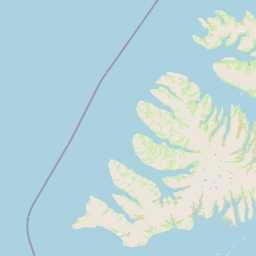
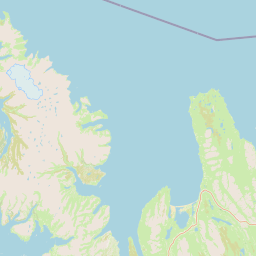
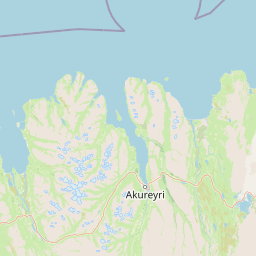
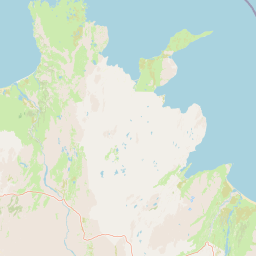
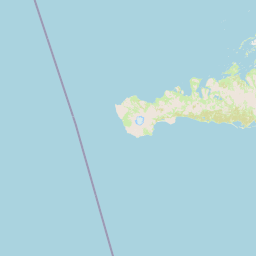
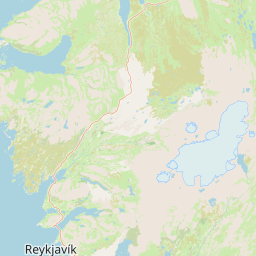
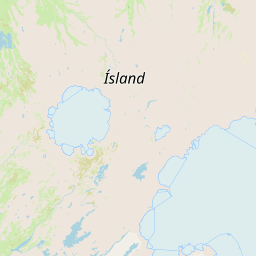
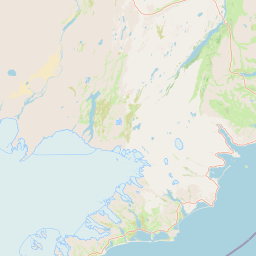
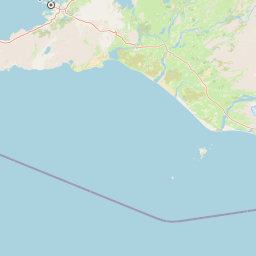
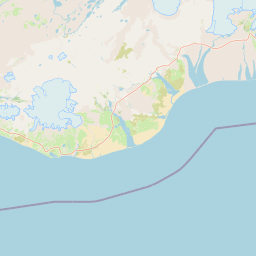
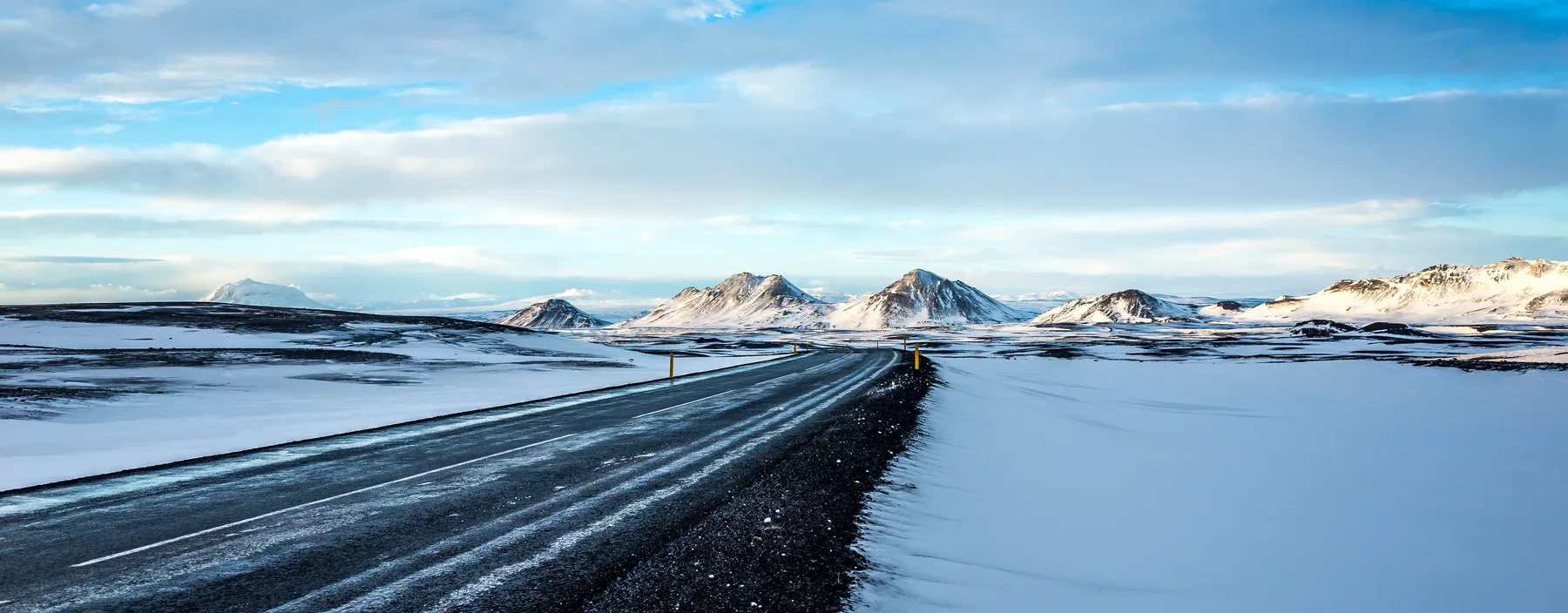
Set one firm rule as well: if roads, wind, visibility, fatigue or a previous delay pushes your departure late, remove optional sights first rather than making them up with a late-night drive. East and North Iceland are not places you must complete simply because you reached them; local weather, roads and daylight have more authority than the original itinerary. When confirming accommodation, prioritise clear terms, workable parking and a defined late-arrival process.
The deeper South Coast version usually suits a first six-day trip better
If you skip the Ring Road, six days lets you place Reykjavík, the Golden Circle, the South Coast, Vík, Skaftafell or the glacier lagoon into a more workable rhythm, while keeping one night in the southwest for arrival, the Blue Lagoon or departure. You can add an ice cave, glacier hike, black-sand beach, waterfalls and hot springs without moving luggage every day. In winter rain or snow, it is also easier to turn a day into city time, a hot spring visit or a base day.
The point of a South Coast base is to reduce backtracking. Whether you stay in Vík for one night or two should depend on the next day's ice-cave activity, whether you are moving towards the glacier lagoon, driver energy and road conditions, rather than room price alone. Once your South Coast base is clear, compare available room types, parking, breakfast and cancellation terms; do not let a cheap room send you back into a long return drive.
Once the South Coast has room to breathe, compare rooms in Vík
The links below open verified hotel searches for the Vík area. Compare the same dates, room type, parking, breakfast, cancellation terms and final total; Accommodation can reduce backtracking, but it cannot guarantee open roads or make an over-tight Ring Road safe.
Season changes the line between “possible” and “wise”
Summer daylight gives you more time for stops and driving, but crowds, booking pressure and fatigue remain. In spring and autumn, weather and daylight are changing, so leave more room to adjust accommodation and activities. For April dates, examine whether the extra daylight is enough to trade for a night on the Ring Road using this night-by-night look at April Ring Road, roads and accommodation. In winter, do not proceed just because the loop looks possible on a map: road conditions, storms, short daylight and ice may make a particular day unsuitable for a long move. Use the official road conditions, Icelandic Met Office and SafeTravel as your authority.
A paid hotel, activity or rental car should not force the next move when warnings or visibility make driving unsuitable. Stay put, shorten the route or ask the supplier about changing the date. Write the cut list before departure, while every region is still optional.
Before drawing a loop on the map, accept nine constraints that will not disappear
One: how many complete driving days remain after arrival and departure? Two: is it summer, or is there enough daylight? Three: are there at least two people who can take turns driving, and are both registered on the rental agreement and eligible for the vehicle group? Read whether adding a second driver is worthwhile first; travelling together does not mean you can legally swap drivers. Four: can I accept changing accommodation every night? Five: do activity meeting points force a detour? Six: if a road closes, which region can be removed immediately? Seven: is the final night back near the airport, or is there enough margin? Eight: do the vehicle, insurance, eSIM and offline maps support the route? Nine: if I do not drive the Ring Road, which region do I most want to explore in depth?
If several of the nine answers are still unclear, choose a deeper South Coast trip or give the Ring Road 7 to 9 days. Next, read about a seven-day night plan, winter driving and the Vík accommodation decision; those pages put “I want to drive the Ring Road” back inside real road, accommodation and safety conditions. A slower pace usually leaves more room to notice what is in front of you. Getting back to your accommodation safely is the most important thing to complete each day.
Related reading
Break “the Ring Road” into two decisions
Choose clockwise or counter-clockwise first
What one extra day really changes
More reading
Once you choose depth, connect the South Coast properly
How to do five days on the South Coast without rushing
One or two nights in Vík?
References
- Visit Iceland: Getting around Iceland (background for Ring Road and self-drive planning)
- Icelandic Road and Coastal Administration: Umferdin (same-day road information)
- Icelandic Met Office (weather forecasts)
- SafeTravel / ICE-SAR (road and safety guidance)
- OpenStreetMap contributors (public coordinates and geographic base map for the location figure; not for navigation).
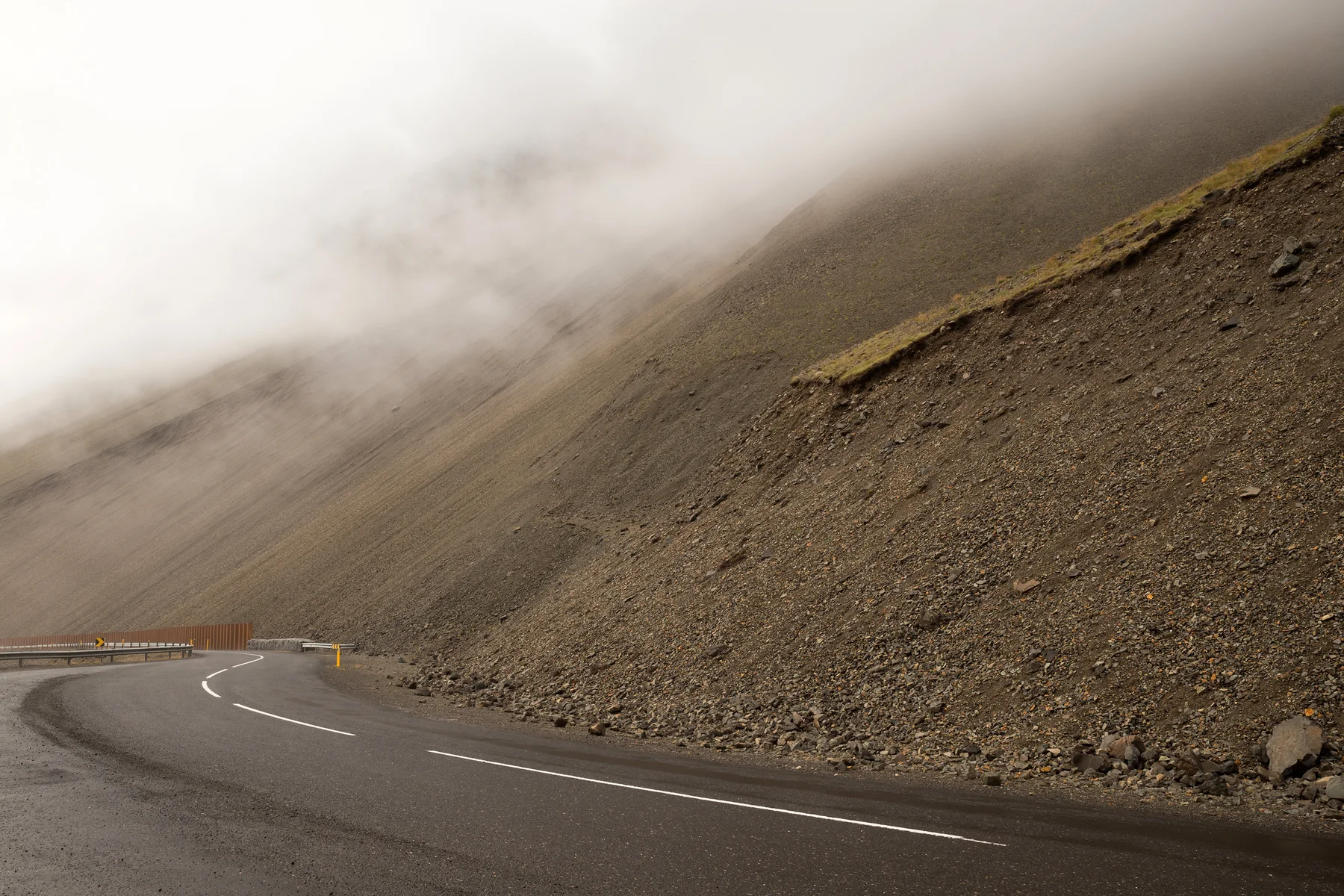
- Road photographs: sergejf / Wikimedia Commons (CC BY-SA 2.0); and Unukorno / Wikimedia Commons (CC BY 4.0).
.jpg)
_2016.jpg)