
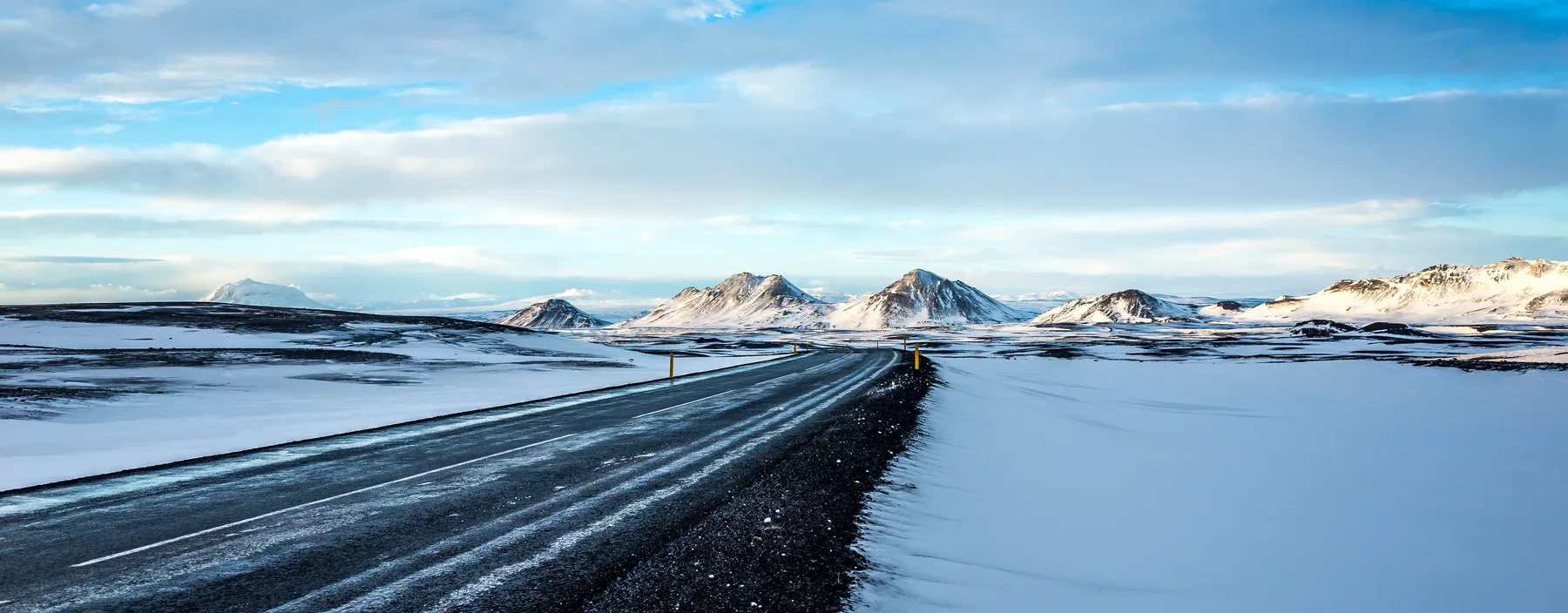
APRIL ITINERARY · RING ROAD DECISION
April can make travellers soften their judgement: daylight lasts a little longer, snow sometimes retreats, and your luggage may be ready to lose one layer. A workable Ring Road plan still depends on usable nights, road-day flexibility and accommodation that does not waste your recovery time.
The minimum conditions for the Ring Road: nights, roads and accommodation need room to move together
Visit Iceland's spring informationdescribes April as a thawing transition period: temperatures are around 2–6°C, and a clear morning can give way to sleet at night. The same source notes that highland F-roads generally do not open until mid-June. Longer daylight is more comfortable than in March, but it does not open the highlands or make mountain passes, wind and accommodation distances insignificant. If you can move your dates to May, the question does not disappear; winter road conditions give way to deciding what can be booked now and what still needs checking. For that comparison, see Iceland in May: the South Coast and highland trade-off.
With seven nights or more, a willingness to check road information every day and no desire to drive late for a single attraction, you can plan the Ring Road seriously. With four to six nights, Reykjavík, the Golden Circle and the South Coast are more resilient when plans change. A base around Vík or south-west Iceland can also preserve one evening that remains adjustable.
ICENAVI ITINERARY FIT · APRIL RING ROAD
Longer daylight helps, but keep a recoverable night for the route
Only dimensions supported by the article and capable of changing the route are scored. These ratings do not represent road conditions, weather, activities or cancellation terms on your travel dates.
Seven nights or more gives you room for one reroute; with six nights or fewer, a deeper South Coast trip usually gives more value.
Sleet, crosswinds and pass restrictions can still appear in April; estimated navigation time cannot replace the day's road information.
Staying several nights around Vík or south-west Iceland, with cancellable nights, can absorb rerouting, postponed activities and an earlier return of the car.
April can support the Ring Road with conditions: the night count, accommodation plan and road decisions must all leave one section that can be abandoned.
April is only one part of the spring season. If you are choosing a travel window between March and May, Iceland spring travel: the thaw, roads and crowds table sets out each month's limitations before you return here to decide whether April gives the Ring Road enough nights to absorb change.
Seven nights can still mean very different routes
Seven nights may look like the entry point for the Ring Road, but the first and last nights matter more than the headline number. If you collect the car in the afternoon and catch an early flight home, seven nights may leave only a little over five full days. If every day must end at the next accommodation, the route has no recovery space. In that situation, loosen the South Coast plan, leaving room to move Jökulsárlón, a waterfall stop or the Blue Lagoon to another day. You give up one northern place name and remove much of the pressure to reach a particular hotel at any cost.
Seven nights looks more realistic when two people can drive, the flight arrives before midday and no fixed group departure dictates the schedule. What you gain is the ability to substitute: one driver can take over when the other is tired, and if a section of the Eastfjords does not merit a long stop, you can remove one viewpoint without arriving after dark. If an ice cave, whale-watching trip or another date-specific activity is fixed in the middle of the journey, build a buffer on both sides of that day before drawing the rest of the route.
Another easily missed problem is the combination of non-refundable accommodation and a plan to let April's weather decide the direction. That gives your booking terms control over the trip. Put every cancellation deadline and latest check-in time beside the corresponding night. If changing one night would also cost the next two, a South Coast base usually matches the actual risk better than a full loop. Keep the money for the right location and terms rather than spending it on one more attraction.
Put April's version of the Ring Road back in its real geography
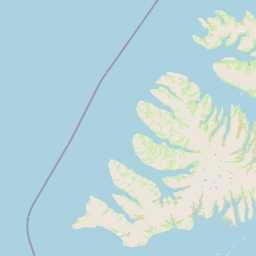
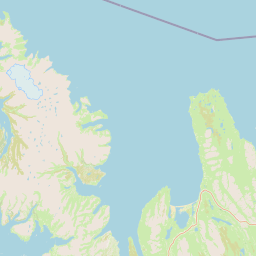
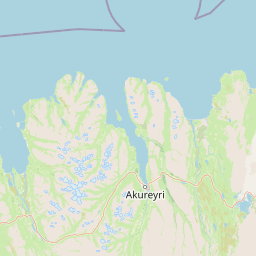
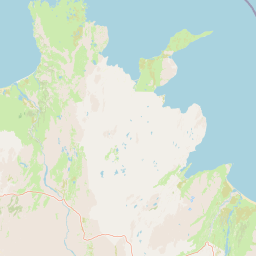
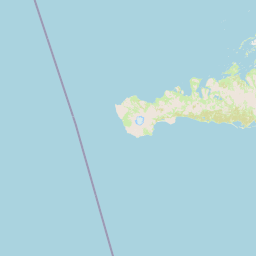
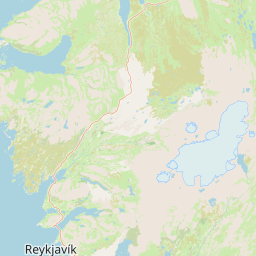
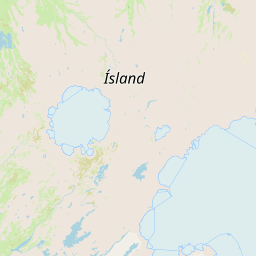
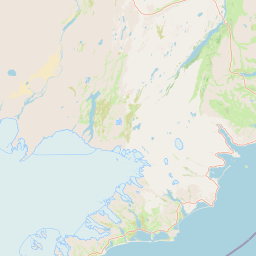
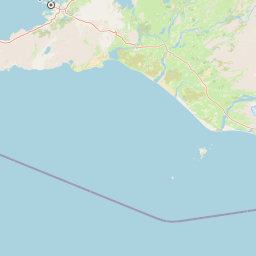
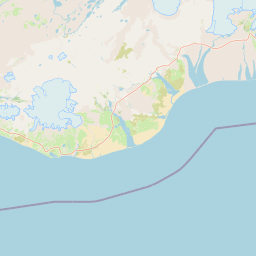
Once four locations sit on the same map, the trade-off becomes clearer than asking whether April has “enough daylight”: KEF and Reykjavík handle the flight, car collection and recovery; Vík is the practical base for splitting the South Coast across a night; Jökulsárlón Glacier Lagoon pulls you into a longer eastbound section. The map is a reminder that every distant point also buys a stretch of accommodation and weather exposure that cannot be casually removed.
April's most common misconception: longer days mean you can drive farther every day
More daylight does make stops feel less rushed. But collecting the car, refuelling, parking, holding a door against the wind, stopping for coffee and checking in do not disappear with spring. Removing those minutes from the schedule is where a Ring Road plan first begins to lose contact with reality.
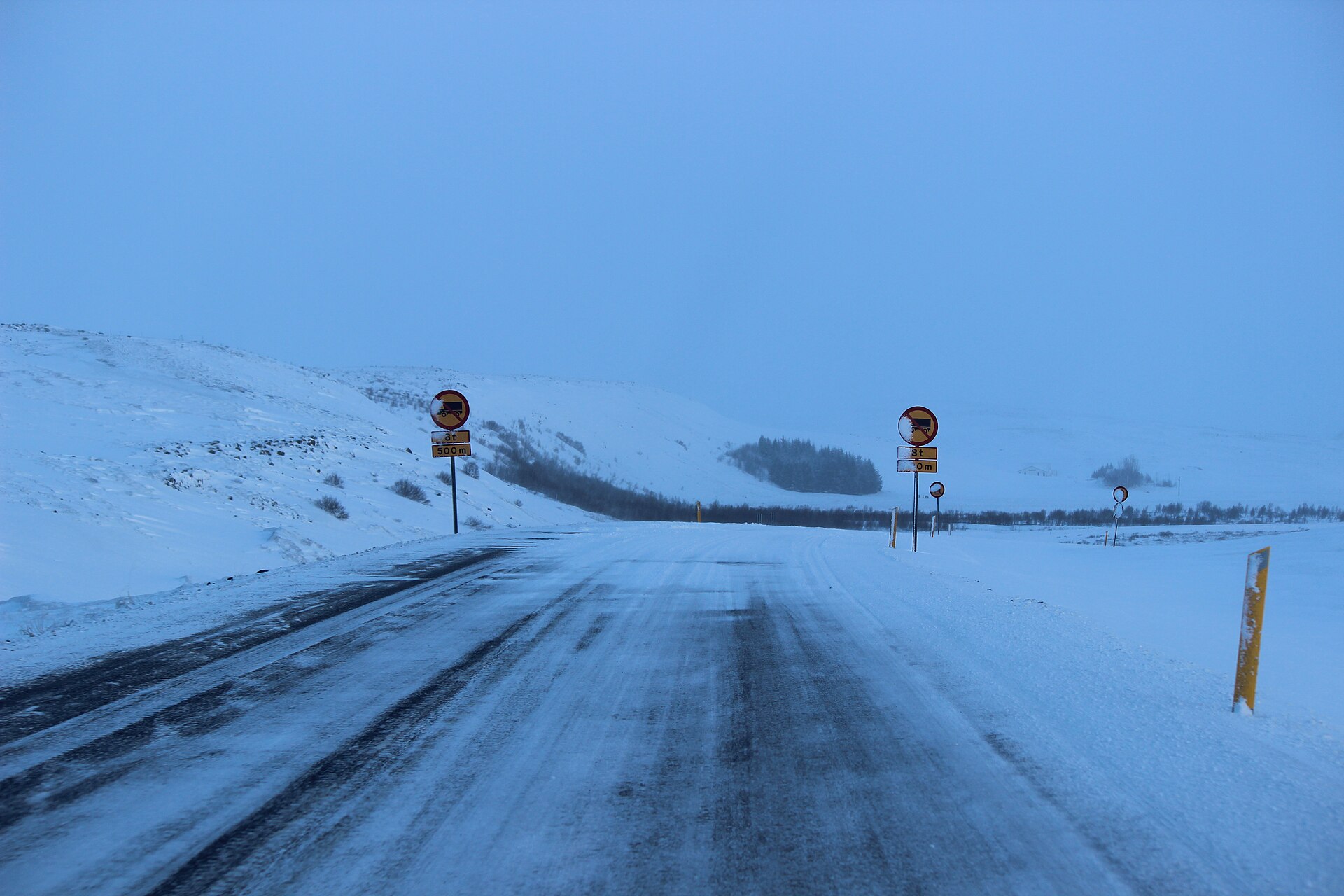
The Icelandic Met Office warns that weather can change quickly where oceanic and Arctic air meet; official road information is what you use to judge whether the roads you plan to take are passable that day. In April, you do not need to fear every cloud, but you should separate the day's drive from the requirement to reach the next hotel. A navigation app saying a road is possible does not mean the road is sensible to complete at the same pace that day.
Count the nights before choosing the direction
| Usable nights | More resilient approach | What can make the trip unravel |
|---|---|---|
| 4–5 nights | Make the South Coast the main route; let Vík or south-west Iceland absorb weather changes | Forcing Jökulsárlón, the North and the return-to-airport day into the same plan |
| 6 nights | Compare a deeper South Coast trip with a compact loop, keeping one section removable | Writing every day as “arrive in the next town” |
| 7 nights or more | Place accommodation, fixed activities and direction first, then decide whether the Ring Road fits | Treating an F-road or inland shortcut as an April escape route |
Whether six nights are enough for a Ring Road should not be decided by saying that “the roads are much better in April.” Is a six-day Ring Road worthwhile?lays out the cost of each day. If you want one more day but less pressure, how to divide seven days across six nightsis the more useful comparison. Those pages deal with the night count; April weather and roads still need to be checked every day.
When the highlands are closed, keep the alternative within the same base
Some route maps show the highlands, F-roads or inland sections in April as if they were an alternative whenever the South Coast weather turns poor. That creates a false sense of security. Official spring information states that highland roads generally open around mid-June, and the actual opening still depends on that year's conditions. In April, the alternative should be staying at the same accommodation base, shortening the sightseeing list or moving an activity—not inventing an inland line that looks faster on a map.
If your rental-car shortlist keeps getting larger because of the highlands, read the three gates for F-roads: road access, contract terms and vehicle type. The answer may be that this trip does not need you to pay for a road that may not be open. Putting the budget towards one cancellable night in the right location is often more useful in April.
The difference between the Ring Road and the South Coast is which day you can afford to lose
The Ring Road gives you more landscapes and a different direction every night. The cost is that one bad road day, weather delay or activity disruption can connect the next hotel, fuel stop, car return and remaining accommodation into one chain. The South Coast gives up part of the northern or eastern map, but leaves a day that can stay at the same base, move an ice-cave booking or focus on nearby sights. The dividing line is the kind of loss you can absorb.
Use a simple test: write each hotel night on its own line and mark whether there is a fixed departure that day, whether you could stay in the same place if you did not drive, and whether the following day requires a long drive or the car return. If two consecutive nights both answer “no,” the Ring Road is probably too tight for this trip. If one night can remain open—or can be cancelled without disrupting what follows—the route begins to have a buffer. This small checklist reflects April's real pressure better than rounding each day's driving hours.
Do not put a fixed activity on a day that already requires a long drive
In April, ice caves, hot springs and the northern lights can still be highlights, but they should not become the timetable for the whole route. Ice-cave tours especially affect the meeting area and the nights on either side. Check the seasonal window for natural ice cavesbefore deciding which day should remain open, then use the meeting point and cancellation termsto decide whether the activity fits your direction.
One rule is straightforward: after an activity day, do not require yourself to complete a long transfer where being late is not an option. A tour may finish on time, but equipment, transfers, weather and the group's walking pace often have more influence than the itinerary does.
Before moving in the morning, check three separate sources
The Met Officecovers forecasts and warnings; official road informationcovers the actual roads you plan to use; fixed activities depend on the supplier's updates. When the three do not agree, do not let navigation act as the judge.
For April accommodation, location is worth more than ceremony
Whether the Ring Road feels manageable is often decided when you book the rooms. A distant overnight can be expensive in practical terms if you must cover a long stretch, the weather deteriorates and late arrival is not possible. A night at a sensible base where you can check in early and put your bags down gives the following day a genuinely different option.
On the South Coast, Vík is useful because it breaks up the direction from Reykjavík towards Jökulsárlón. Should you stay one or two nights in Vík?looks at the next day's eastbound direction, activity departure points and the return journey. Once you know which night belongs to the South Coast, compare breakfast, parking, room type and cancellation terms for the same date on Booking.com, Agoda and Trip.com. The point is not to push a booking; it is to make the room purchase give you adjustable time.
What kind of traveller is April suited to?
April suits travellers who can divide attractions into three groups: essential, weather-dependent and saved for another trip. It suits anyone who wants more daylight than deep winter while accepting that clothing still needs to handle wind and rain. It also suits people who can treat the northern lights as a possible evening rather than a result that must be delivered every night.
April works well for travellers who do not want to hand the entire trip to the summer high season. Meltwater begins to appear beside the roads, waterfalls can look especially powerful and the daylight makes it easier to stop for photographs. None of that requires stretching the route to its limit. Giving one or two evenings to an early check-in, dinner and a forecast may sound less impressive than adding another place name, but the difference is usually clearest when you reach the final night.
April is a poor fit for anyone with only a few days who still wants the Ring Road, the highlands, Jökulsárlón, an ice cave and the Blue Lagoon in one trip. When every item becomes non-negotiable, one weather change leaves only rushed driving. The strongest April plans usually identify the section that can be quietly released before departure.
If someone in the group is driving on snow or in strong winds for the first time, agree on that releasable section before booking accommodation. You should not need a conference in the car whenever a cloud appears. Knowing the day's priority and the backup option keeps the atmosphere closer to a holiday than any list of attractions can.
RELATED READING
Do not choose a direction before the night count is settled
- Iceland's six-day Ring Road: see how many complete driving days six days really leaves before drawing a perfect circle.
- How to divide seven Iceland days across six nights: see how arrival, departure and northern nights consume April's buffer.
MORE READING
Place April's flexible elements where they can actually move
- One or two nights in Vík: whether to go deeper into the South Coast or turn back usually depends on the next day's direction and fixed departures.
- Winter driving in Iceland: use roads, warnings and driver condition each morning to choose Go, Hold or Stop.
Q&A | What to confirm before driving Iceland's Ring Road in April
Does longer April daylight make the Ring Road equivalent to a summer trip?
No. Daylight only increases the usable part of the day. It does not remove sleet, crosswinds, road warnings or closed highland roads; the route still needs to contract around the day's conditions.
How many nights make the Ring Road worth discussing in April?
This article uses seven nights or more as the point where the route has more room to recover. With six nights or fewer, a deeper South Coast plan is usually more sensible than sleeping in every region for one night.
Which night should be near an ice-cave or glacier activity?
Place the previous night in the direction of the meeting point, and follow the activity with only a short transfer. Before booking, reconfirm seasonal operation, meeting time and cancellation arrangements.
If a road closes in April, which section should be removed first?
Remove the highlands or a remote spur first. Keep the main South Coast route and a final buffer for returning west; do not try to recover weather-lost time with night driving.
References
The sources below were checked again on 22 August 2026. Actual April roads, mountain passes, activities, vehicle restrictions and weather warnings still depend on official information and supplier notices available on the day of travel.
- Visit Iceland | Iceland in spring: spring climate context and the usual opening period for highland roads.
- Icelandic Met Office: forecasts and weather warnings.
- Umferðin: live road conditions and access information.
- SafeTravel | Driving in Iceland: driving safety guidance for rapidly changing road and weather conditions.
- sergejf / Wikimedia Commons: Route 1 image, CC BY-SA 2.0.
- Wiki.cullin / Wikimedia Commons: snow-covered road and road-sign image, CC BY-SA 4.0; used only to explain winter road surfaces and visibility.
- OpenStreetMap: the public geographic base map for KEF, Reykjavík, Vík and Jökulsárlón Glacier Lagoon shown in the figure.