
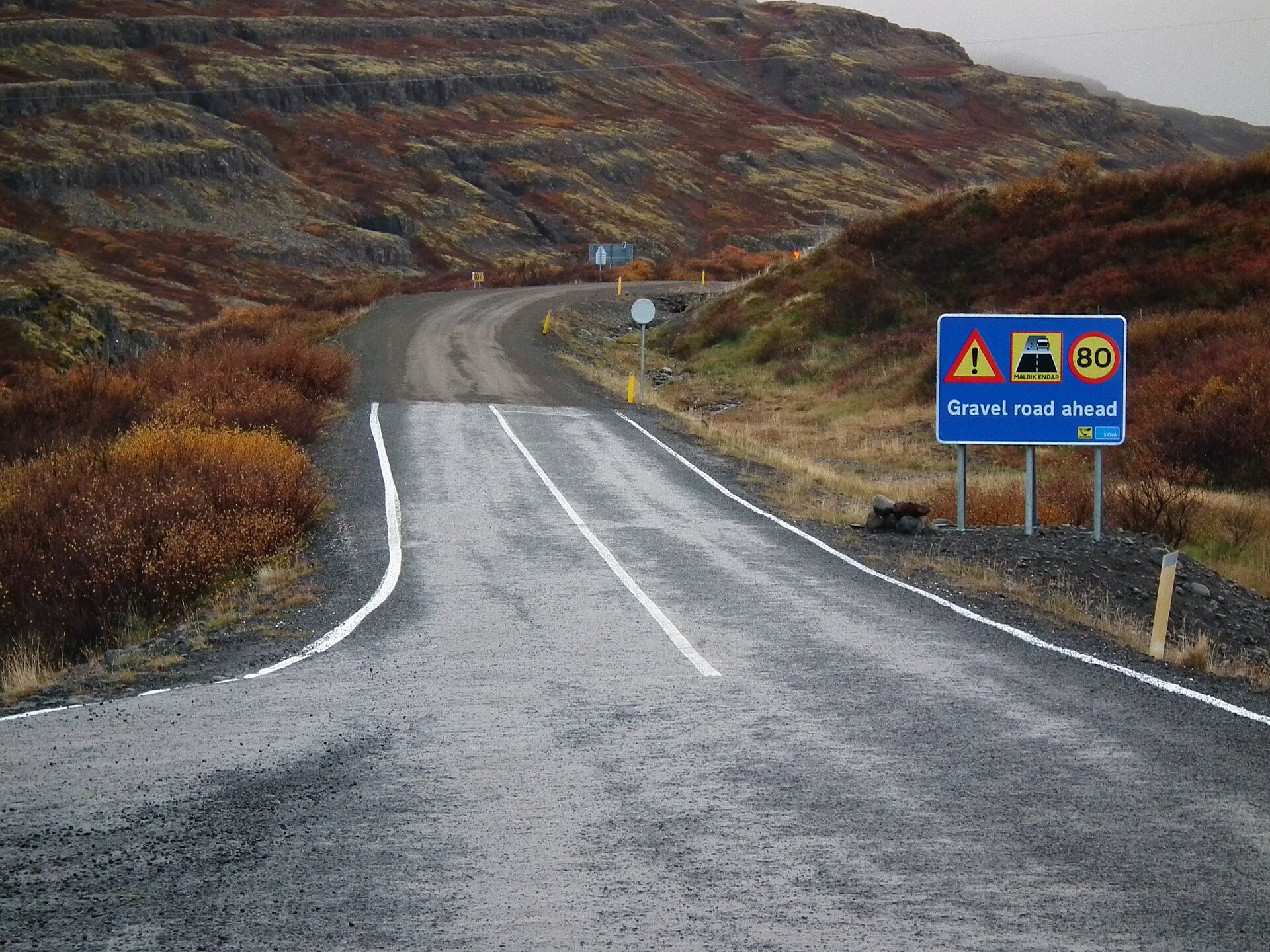
Check whether the roads and activities work before deciding how far to travel in spring
In March and April, put winter roads, short daylight and snowmelt first; May brings more daylight, but the Highlands and mountain roads may not open at the same time. Spring can work very well when your main route stays on Route 1, your accommodation is flexible and activities are not the sole purpose. If the trip depends on an F-road, a remote side road or a fixed meeting time, prepare a cut-back version first.
Before paying, check current road notices, activity availability, accommodation cancellation deadlines and rental-car terms. Fewer visitors are useful, but they do not replace evidence about road conditions, daylight or driving time.
ICENAVI SPRING ROUTE FIT · SHOULDER SEASON
How much of your spring route should you leave to the weather?
This is not a score for spring scenery. It weighs snowmelt, roads, daylight, crowds, activity availability, accommodation and decisions attached to the rental car together. Same-day road notices, activity schedules and rental terms change, so check official information again before departure.
Route 1 and side roads do not switch to summer conditions together; check passes, gravel roads and F-roads against the day’s notice and the vehicle type.
May has longer days, while March still demands care with daylight; stack the longest drive, an early meeting and the return journey on one day and the buffer disappears.
Ice caves, boat trips and Highland activities each follow their own seasonal calendar; “spring” is not evidence that a service is open or has daily spaces.
A place near Route 1 with parking and early check-in keeps options open in spring; the rental vehicle, insurance and F-road limits still depend on the terms.
Fewer visitors can make short stops and accommodation easier to adjust, but it does not reduce snowmelt, wind, parking-surface or activity-cancellation risk.
Spring is workable, but the main route, side roads, activities and decisions attached to the rental car need separate decisions; keeping accommodation and cut-back space is usually steadier than chasing every newly opened sight.
This card separates “fewer people” from “you can drive farther”. Spring is valuable because it shows which parts need same-day evidence, and which nights and rental arrangements can still be changed.
| Plan | What it keeps | What you give up or accept | When to choose it |
|---|---|---|---|
| Route 1 main route + short stops | Flexibility for road reports, accommodation and activity alternatives | Some side roads; fewer sights than in summer | March–April, one driver, or a traveller who does not want long waits |
| May Ring Road + changeable side roads | Longer daylight and more cross-region travel time | Highlands, F-roads, boats and remote activities cannot be treated as guaranteed | You have enough nights and will decide side roads from notices before departure |
| Self-drive with same-day route changes | Stay longer in good weather and shorten the day in poor weather | You carry the road, vehicle, insurance, fatigue and parking decisions | The driver knows how to check conditions and the vehicle terms fit the accommodation locations |
| Capital-based day tour / hybrid | The operator takes on part of the long-road driving and judgement | Fixed meeting and return times; a cancelled activity may not be extendable | You do not want winter self-drive or want a fixed operator to handle one South Coast day |
The green on the map is what spring most often makes travellers overestimate
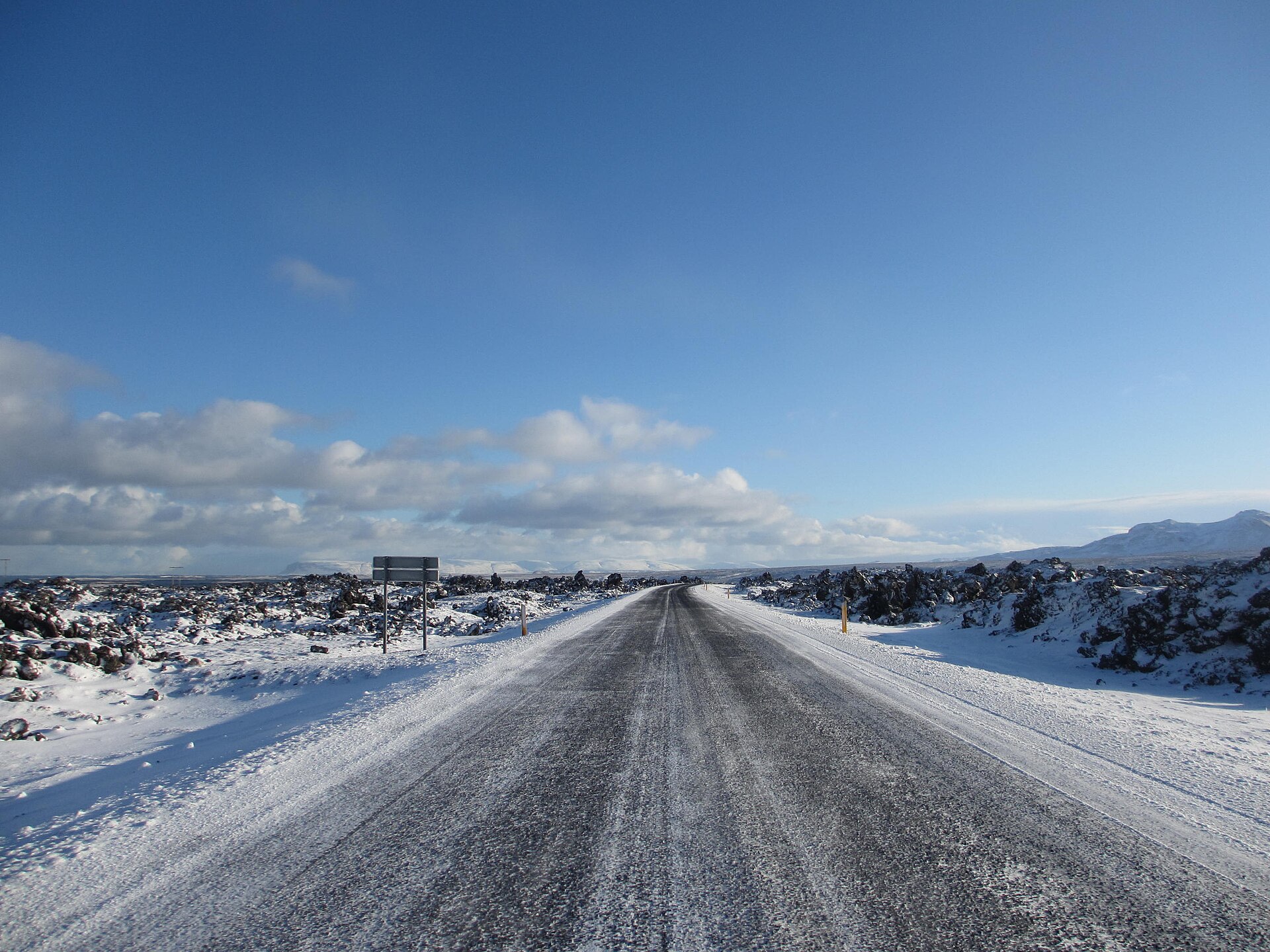
Grass starts to change colour and meltwater may increase waterfall flow, so photographs can make the roads look as if they have already switched to summer. Iceland’s official road information records road sections, opening status and current conditions separately; a mountain pass, gravel side road or F-road does not become drivable just because the sun is out. Route 1 may be comfortable while the next side road is still wet, snowy or restricted to another vehicle type.
It is unhelpful to end the decision with “spring roads are worse”, because that does not help you plan. Ask instead: is tomorrow’s main sight beside Route 1? Do you need to leave the paved road? If the side road is closed, is the day still worthwhile after removing it? Those answers create a route you can actually run, rather than one based on rising temperatures.
| Spring window | What you usually accept | Route work it suits | Do not promise in advance |
|---|---|---|---|
| March | Short daylight, winter wind and snow, activities and roads changing by day | Reykjavík, the Golden Circle and western South Coast; keep accommodation flexible | Full Ring Road, Highland side roads and long night drives |
| April | More daylight, but snowmelt, wind and passes still out of step | A buffered South or South-East Coast; add short stops to the main route | Applying a May/June road plan unchanged |
| May | Longer daylight and returning crowds; some Highlands still await notices | Ring Road or Snæfellsnes, while keeping changeable side roads until before departure | Making every F-road, boat trip or remote activity compulsory |
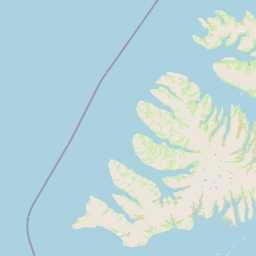
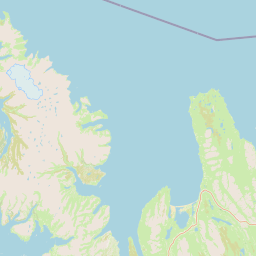
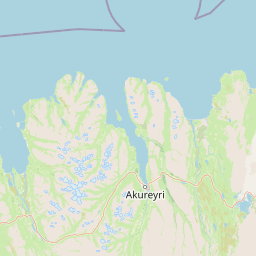
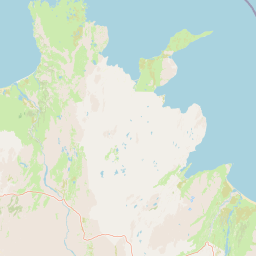
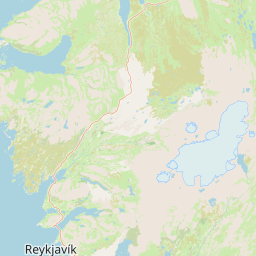
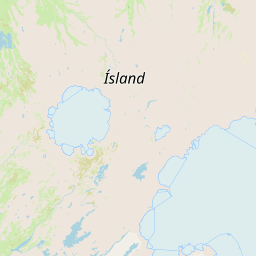
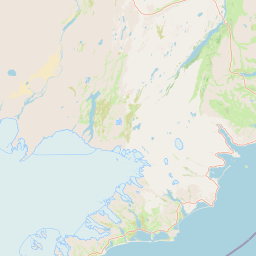
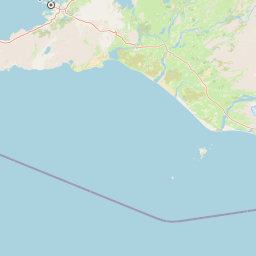
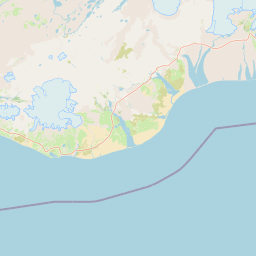
Spring makes it easy to confuse scenery with road conditions. The map below puts Reykjavík, Vík, Skaftafell and Jökulsárlón back into their real geographic roles, so you can see the distance implications for accommodation, rental cars and activities first; it is for directional judgement, not same-day navigation.
Snowmelt brings more variables, not simply “better scenery”
Spring water levels, mud, wind and low cloud can change how the same car park feels. A waterfall may be more powerful while its path is wetter; waves at a black-sand beach may reach farther inland, so keep the marked safety distance. The common thread is simple: a photograph is stable on your phone, but the ground will not steady itself for you. Waterproof shoes, spare socks and a short alternative in the same day usually help more than adding another waterfall.
If you are going to Skaftafell or Jökulsárlón, separate trails, boat trips and ice-cave tours. The Jökulsárlón and Skaftafell area guide handles location and accommodation roles; the ice-cave tour guide handles meeting points, equipment and changing caves. Similar names do not mean the activities share a season.
ICENAVI · SPRING STOP LINE
Green grass does not make a road a summer road.
If the side-road status is unconfirmed and your party does not want mud or a long wait, stay with the route that already works. Spring is most enjoyable when you can still change your mind in the afternoon, not when you chase every sight that has “finally opened”.
Fewer visitors do not mean every booking can wait
Spring accommodation demand is usually lighter than in high summer, but fixed activities, popular room types, airport transport and cancellation deadlines each run on their own schedule. The benefit is not postponing everything until departure; it is keeping changeable items open until you have current information. Secure the nights that determine your route first. Leave short stops, viewpoints and city restaurants for the day.
For a May departure, the two May South Coast clocks separates what you can book early from what needs a fresh check; for March, a March South Coast self-drive puts daylight, driving time and accommodation buffer on one line. Do not treat their road conditions as identical simply because both sit near spring.
Self-drive, day tours and hybrids differ by who carries the driving decisions
| Option | Spring benefit | What you still carry |
|---|---|---|
| Self-drive | Shorten or extend the day around current weather, with more accommodation freedom | You judge roads, parking, fatigue, vehicle type and insurance |
| Capital-based day tour | The operator handles long-road driving and driver judgement; useful if you do not want to move rooms daily | Fixed meeting and return times; slow weather may not be extendable |
| Hybrid | No car on city days, then arrange driving for the South or South-East Coast | Count the two sets of meetings, luggage and accommodation changes separately |
The easiest spring cost to miss is hiring a car for the whole trip and then discovering that half the days are in the city. The reverse also happens: after staying on the South Coast, a last-minute capital-based tour can turn the return transfer into a new problem. Decide which days genuinely need your own control, then compare self-drive with a day tour; the answer will be clearer than looking at the rental price alone.
When the weather changes in a day, protect the night and the return journey first
- Recheck roads, wind, precipitation and the activity operator’s notice before departure; a screenshot from last week is not permission.
- Put the farthest and least-cancellable plan on the day with the best conditions, away from an early meeting.
- Remove unbooked side roads and remote photo stops first, so the main route, accommodation and meals still work.
- If you need to change course, let that night’s accommodation become the decision centre; do not drive an unfamiliar stretch just to complete a sightseeing list.
The same order applies when snow arrives suddenly or a road restriction appears. The Iceland road-conditions site guide explains the source, while the re-planning guide that protects your accommodation turns it into the next move; both are more dependable than assuming “spring should be fine”.
Spring luggage and accommodation are both about keeping damp outside
A waterproof outer layer, stable soles and a bag that separates wet clothes will protect the afternoon better than one more smart jacket. For accommodation, a place near Route 1 with easy parking, early check-in or a simple dinner option has practical spring value; it does not have to be the address closest to the sight. To judge whether paying more for one night is worthwhile, read how to divide your accommodation nights, then compare the price.
Spring is not a season to conquer. Once snowmelt, roads, crowds and activities are checked separately, it becomes a useful window for keeping choices open: some sights have more water, some roads still need to wait, and your itinerary can remain honest about both.
Another easily missed spring question is how to finish the day after getting wet. An afternoon at a waterfall or black-sand beach means more than wiping mud from your soles in the car; you also need to place wet layers, muddy water and dinner time before the next stop. Accommodation with somewhere to hang clothes, easy parking and no need for another long drive directly preserves options for the following day. A photograph will not tell you that, but it can decide whether the spring itinerary continues comfortably.
Q&A · Which parts of an Iceland spring plan cannot be inferred from the month?
Can I drive a summer route in April?
A month cannot guarantee it. Main roads, passes, gravel side roads and F-roads do not open together; check the departure-date road notice, rental terms and vehicle type section by section.
How much road buffer should I leave in spring?
It depends on the longest leg, daylight, wind and snow, and whether you have a fixed activity. Do not add one fixed percentage to the navigation time; leave room for removable stops and cancellable accommodation as well.
Does snowmelt always make waterfalls and trails better?
Water flow may increase, but mud, ice, wind and parking conditions can change the experience. Better scenery does not mean every trail suits your party or the vehicle conditions that day.
Should I book spring activities early or wait for the weather?
Book activities with fixed capacity and clear cancellation terms early. For road-sensitive activities requiring a long drive to a meeting point, confirm your transport fallback and accommodation before locking them in.
References
- Icelandic Road and Coastal Administration: Road notifications (road status and same-day notices; checked 2026-09-04).
- SafeTravel Iceland: Driving (roads, weather, fatigue and spring conditions).
- Visit Iceland: Iceland in spring (spring travel context; confirm actual activities and roads for the current period).
- Titoine08 / Wikimedia Commons, CC BY-SA 3.0; the hero image shows a tarmac-to-gravel environment and road boundary, not the opening status or rental terms of any spring route.
