
MARCH ITINERARY · SOUTH COAST
March gives you a narrow but useful window: daylight is lengthening, while snow, wind and road decisions can still change each day. Use 3 to 5 nights for the South Coast first; put the Ring Road back on the table only with 7 nights or more.
Build the three-to-five-night plan around Reykjavík, the Golden Circle and the South Coast
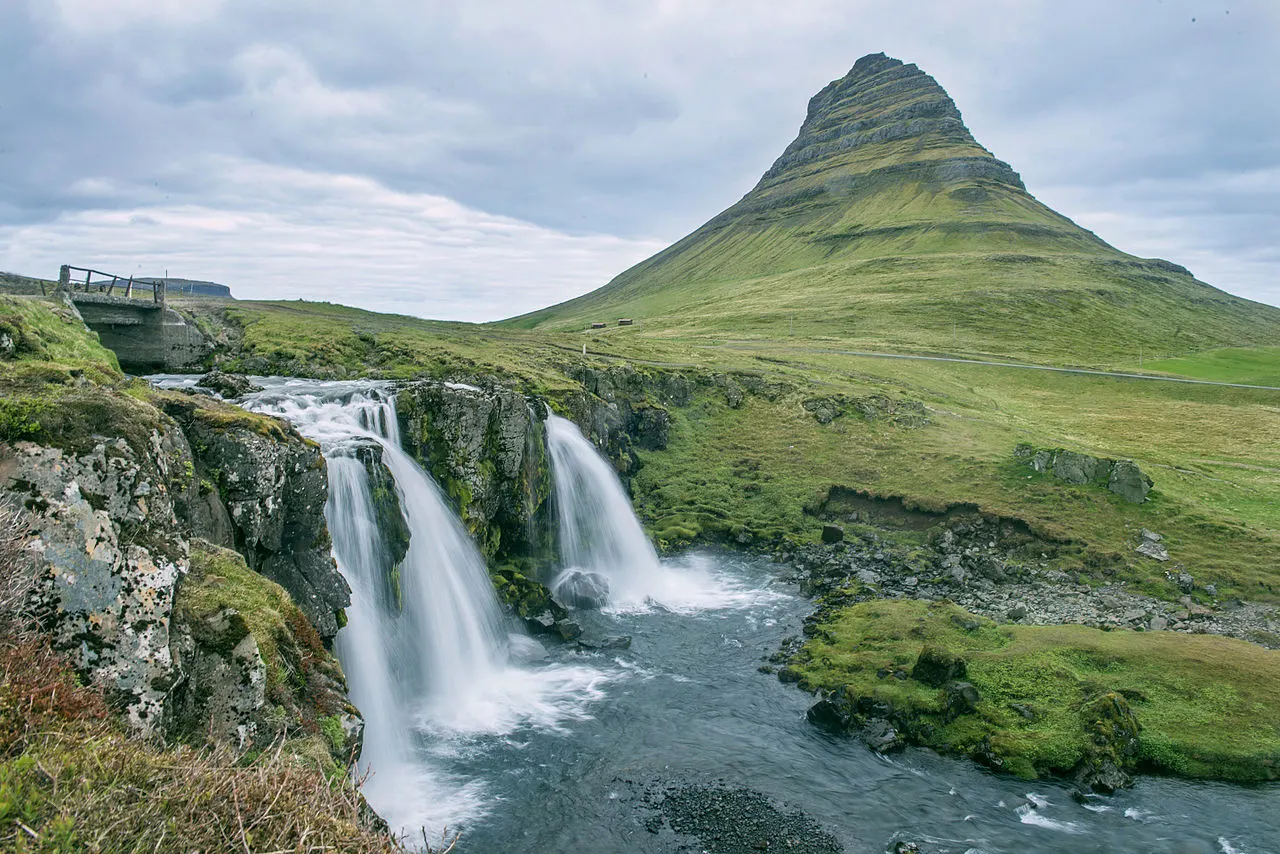
Visit Iceland's spring guidance notes that March commonly still brings snow, with average temperatures around 1–4°C, while daylight has reached roughly 11–13 hours. Near the spring equinox, light and dark are close to twelve hours each. That gives the South Coast more comfortable daytime stops while preserving a chance of Northern Lights after dark, but road suitability still needs a fresh check each day.
Decide which route carries the trip. Four or five nights let the South Coast carry the main scenery; seven nights or more give the Ring Road room to absorb one diversion, a late check-in or a changed activity.
ICENAVI ITINERARY FIT · MARCH SELF-DRIVE
Longer daylight still needs a road-weather buffer
These scores consider March daylight, changing roads, South Coast route fit, fixed activities, how recoverable your accommodation is and night-time fatigue. Recheck official road, weather and supplier terms before departure.
Around 11–13 hours of daylight gives South Coast stops more breathing room, while the night remains dark enough for the Northern Lights.
Snow, wind and visibility can change direction on the same day; more daylight does not turn a navigation estimate into a promise that the road will be open.
With 3 to 5 nights, Reykjavík, the Golden Circle and Vík make a compact spine with enough room to pull back when conditions change.
An ice-cave meeting point, activity length and cancellation terms can decide the previous night's base; do not choose rooms by attraction distance alone.
Consecutive nights and cancellable rooms can absorb snow, an activity change or a return to Vík without rebuilding the whole trip for one diversion.
March suits going deeper on the South Coast, not hiding road and accommodation recovery costs behind longer daylight.
March's useful window: more daylight, winter responsibility intact
Winter can make the afternoon feel like a countdown to darkness; summer can make a 21:00 sunset feel like permission to add one more stop forever. March sits between them. There is enough daylight for the South Coast to feel less hurried, while the night remains genuinely dark. That is why the month works for travellers who want both an ice cave and a chance at the Northern Lights.
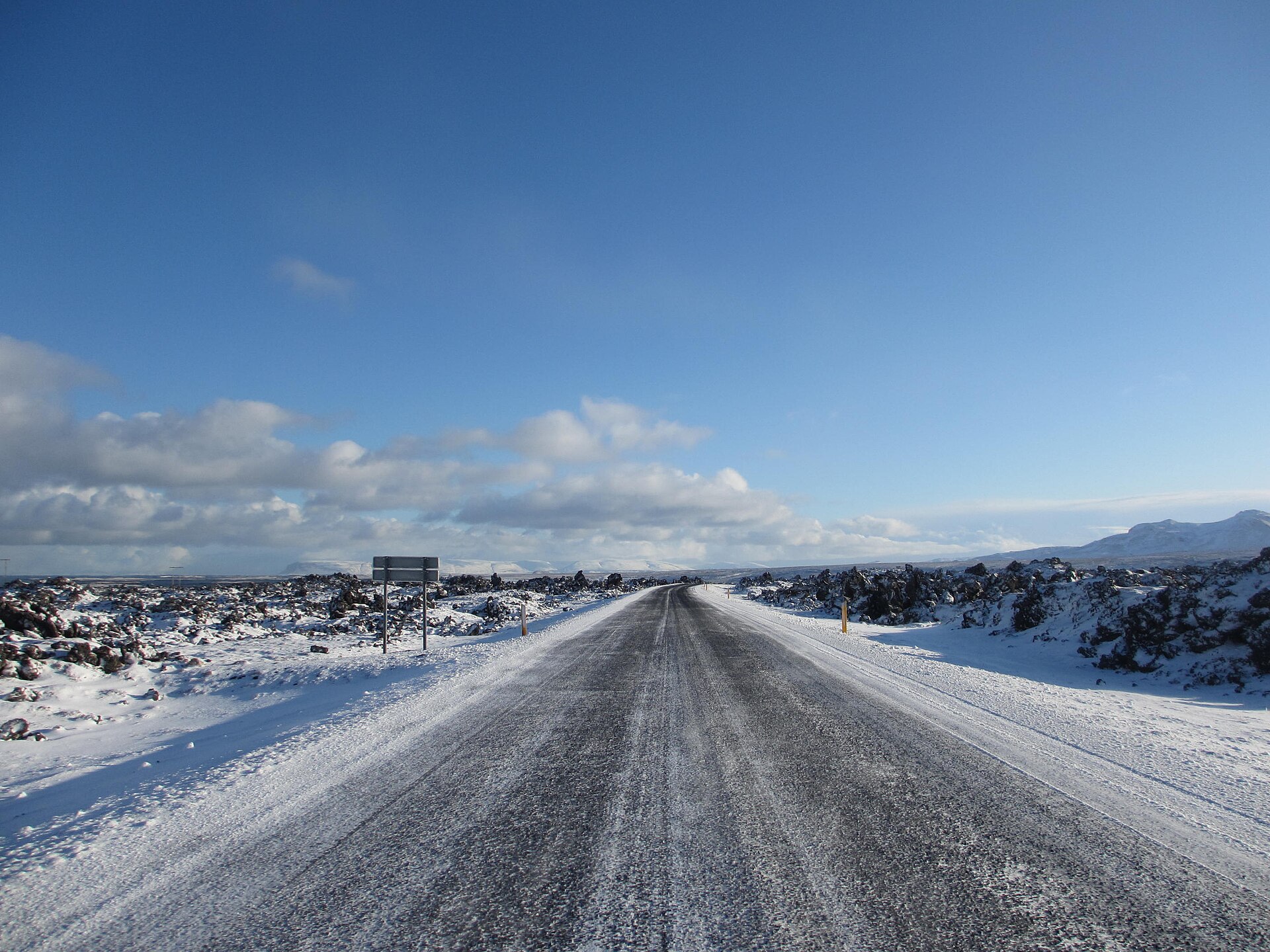
More daylight is not travel insurance. The Icelandic Met Office describes local weather as strongly affected by the meeting of warmer Atlantic and colder Arctic air, bringing rapid changes and storms. Morning sun can make a car door look like spring; by afternoon, crosswinds, wet snow or visibility can turn the same road into a different proposition. Leave the question of whether to go east to the day's information, not a map made two months earlier.
Place the nights well and March feels calmer
| Nights available | Protect this | Do not promise yet |
|---|---|---|
| 3 nights / 4 days | A smooth arrival, the Golden Circle or western South Coast, one night in Vík and a departure buffer | A same-day glacier-lagoon return, the Ring Road or a new hotel every night |
| 4 nights / 5 days | Two South Coast days, a Vík base and one day for an ice cave or road flexibility | Putting the ice cave, glacier lagoon and a long return drive into one day |
| 6 nights or more | Place accommodation and fixed activities first, then decide whether to extend southeast or take the Ring Road | Skipping daily road checks because the sun sets later |
Read the three accommodation roles before deciding how far east to go
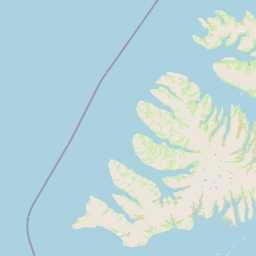
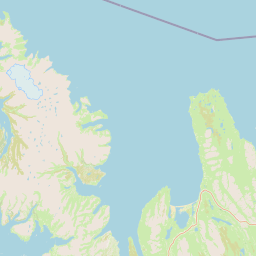
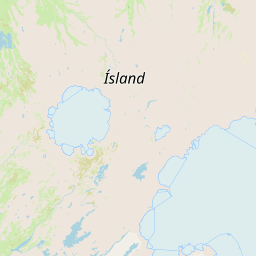
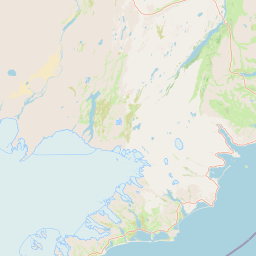
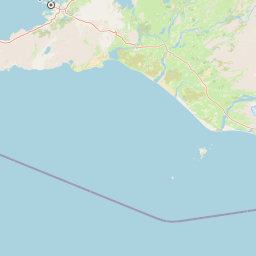
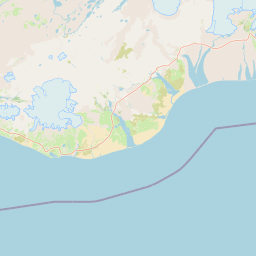
Reykjavík, Vík and Jökulsárlón Glacier Lagoon form a line on the map, but they represent three different nights. With 3 to 5 nights, Vík is easier to use as the South Coast end point; the glacier lagoon becomes an overnight base only when both the number of nights and the road buffer support it. The map below shows location and trip role, not a promise of a same-day drive.
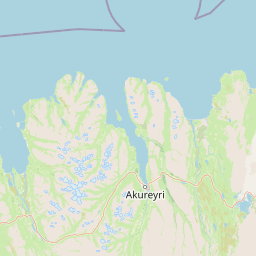
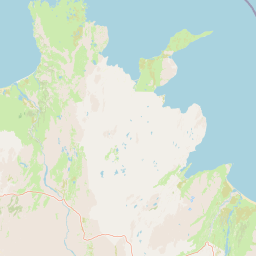
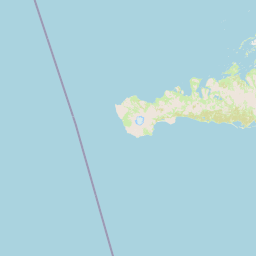
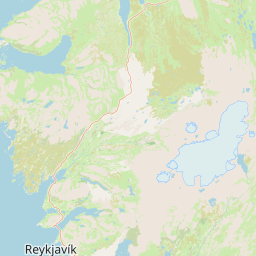
With only three nights, the four-day South Coast accommodation plan is more useful to open first than a checklist of must-see sights. It removes the fantasy of the Ring Road and glacier lagoon while keeping an arrival, Vík and return that can work. One fewer sight is a fair exchange for not discovering at 18:00 on day three that every photograph cost dinner and sleep.
With four nights or more, place an ice cave by its activity day, then choose the night before it. How to keep an ice-cave date flexible handles the travel window; once the date is fixed, the meeting point, activity length and cancellation terms tell you whether that night belongs in Vík, farther east or nowhere beyond a comfortable base.
A March route does not need to prove its efficiency every day
Some itineraries reduce March to a neat claim: daylight is longer, so the Golden Circle, waterfalls, black beaches and the glacier lagoon all fit. The sentence sounds plausible but does not answer where you sleep, what happens if the activity is late, which stretch can be cut in strong wind or whether the car has to be returned the next day.
A more useful plan gives each day one immovable task. The Golden Circle day might protect the return to Reykjavík; the South Coast day might protect a Vík check-in; the ice-cave day might protect the meeting time and a nearby room afterwards. Waterfalls, viewpoints and dinner can respond to weather, parking and the group. An itinerary does not fail because one pin disappears; it fails when nobody knows where they are sleeping tonight.
Check three things before setting out in March
The Met Office forecast and warnings answer weather and wind; official road information answers whether today's section is suitable; the supplier's message controls a fixed activity. Navigation draws a line, but those three sources decide whether the line needs to be followed today.
Put the rental car and accommodation on the same timetable
Visit Iceland's spring guidance treats March and early April as a more winter-like period and suggests considering the extra grip of a 4×4; it also says that later spring usually allows the main Ring Road and Golden Circle in a standard 2WD. Choose the car with the route, forecast, driving experience, luggage and rental restrictions in view. The practical 2WD-versus-4WD decision puts those trade-offs back in one table.
Accommodation works the same way. The most valuable March night may not have the most dramatic view; it may simply keep you from crossing a long distance after snow, a delay or an activity change. If Vík is your South Coast base, check parking, breakfast, late arrival and road buffer for a winter stay in Vík before comparing room photographs. Once you know where you meet the next day and whether you are heading east or west, compare the same dates, room type and cancellation terms on Booking.com, Agoda and Trip.com.
Keep the Northern Lights at night without letting them eat the day
March still has darkness, which is an advantage, but the Northern Lights need both dark skies and suitable conditions; putting them on night four does not make an appearance certain. Treat them as a bonus after dinner, not a reason to drive for two hours every night and lose judgement the following day. If you want a base where you can stay several nights without moving luggage daily, the Northern Lights guide to cloud, roads and choosing a base continues this decision.
The chance of seeing the Lights at night does not require another daytime detour. If the car is driven late and the next morning brings wind, snow or an early meeting, everyone in the car has paid with their decision-making. A comfortable base makes a sighting a welcome surprise; it also leaves tomorrow intact if the sky stays quiet.
If clouds close in, the best outcome is still to have the energy to reach the next base safely tomorrow. An aurora photograph can be worth waiting for, but not at the cost of breaking a sensible accommodation rhythm.
List three removable stops before you have to rebook a night on the roadside
The final honest question for a March itinerary
Before paying, ask: if the road east is unsuitable tomorrow, do this hotel's location, the activity and the return still work? If the answer is that you can stay in the same area and leave one sight for another trip, the route is more reliable than a beautiful table with no exit. If everything collapses, the activity, accommodation and driving order still need work.
Related reading
When the number of nights is unsettled, let accommodation keep the buffer
- Four-day Iceland South Coast: with only three nights, this accommodation plan shows which sights belong on the next trip rather than after dark.
- A winter stay in Vík: parking, late arrival and the next day's road often affect the decision before the room photograph does.
More reading
When the route has flexibility, the car and activity choices become clearer
- 2WD or 4WD: put the March route, forecast, driving experience and rental restrictions into one decision.
- How to choose an ice-cave tour: a fixed meeting point and cancellation terms can decide which night should not include a longer drive.
References
The following sources were rechecked on 22 August 2026. March weather, roads, activities and rental terms can change daily; this article does not replace official information on the day of departure and does not treat an average temperature as a promise of access.
- Visit Iceland | Iceland in spring: spring daylight, climate and travel context.
- Icelandic Met Office: forecasts, warnings and wind conditions.
- Icelandic Road and Coastal Administration | Traffic info: road notices and live conditions.
- OpenStreetMap contributors: geographic base map for the March accommodation-role map.
Q&A | Questions to settle before departure
Is March suitable for a self-drive?
It suits travellers who can keep the route flexible and check road conditions each day.
Should a short March trip take the Ring Road?
In most cases, a deeper South Coast or western route is the steadier choice.
How should you balance an ice cave and the Northern Lights?
Lock in the ice cave because it has a meeting time, then keep a movable evening for the Northern Lights.
References
Roads, activity times, ticketing and opening arrangements can change; check each source listed at the end of the article before departure.