
SEASON DECISION · NORTHERN LIGHTS
Traveling solely for the aurora can turn an uncontrollable sky into a source of stress. Plan for several chances to see the lights instead of treating every night as an appointment with the sky.
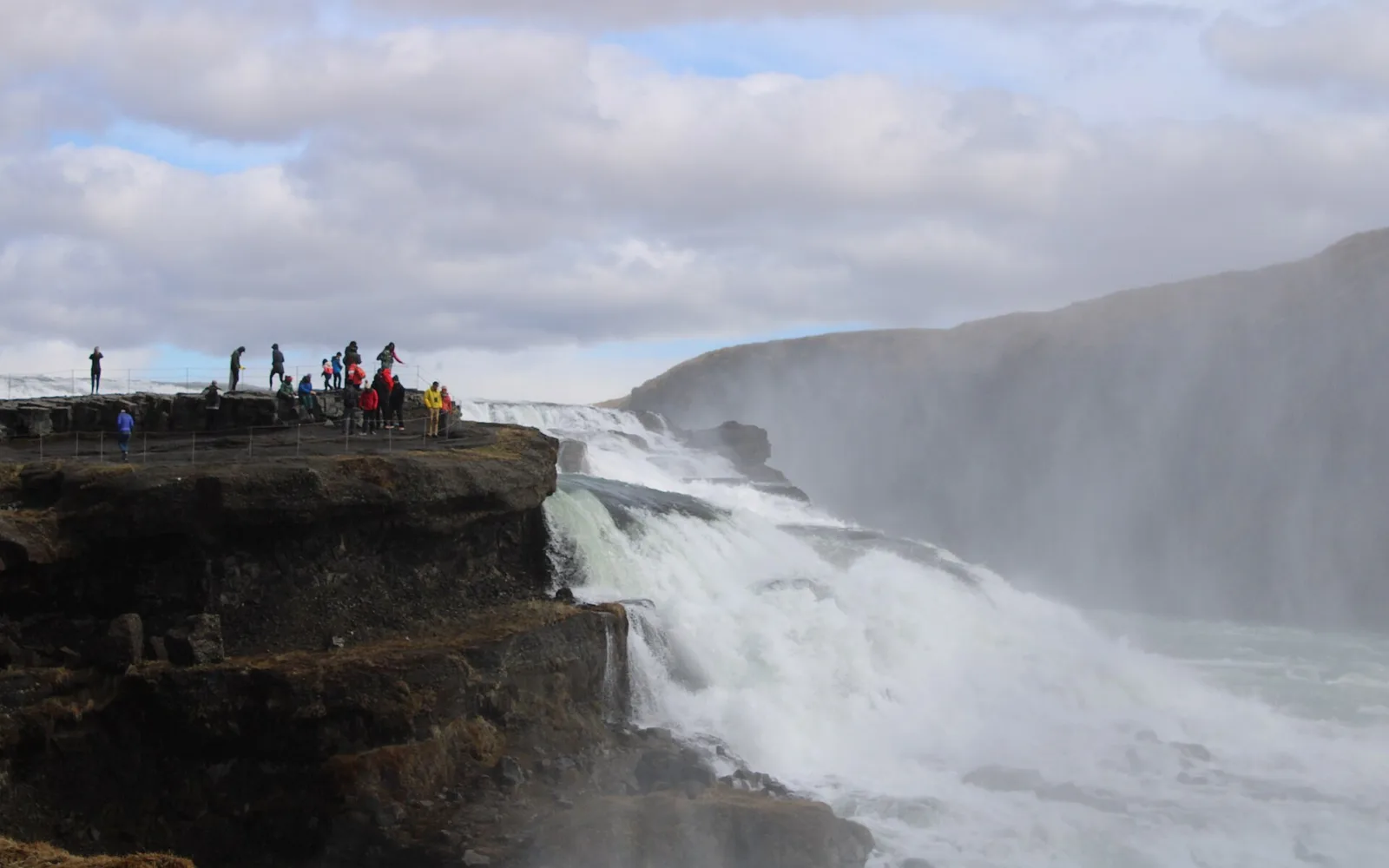
ICENAVI SEASON FIT · NORTHERN LIGHTS
Choose Flexible Nights Before Chasing the “Best” Month
Scores reflect dark hours, cloud predictability, base logistics, aurora transport, rescheduling space, and photography/warmth costs. This is not a guarantee of aurora visibility or forecast accuracy. Always check the Icelandic Met Office, road conditions, and SafeTravel for same-day data before departure.
Multiple nights, a fixed base, and a safe return route offer more real opportunities than any single "best month."
September to April provides longer dark hours, but sunset, darkness, sunrise, and moonrise times vary by region and cannot be copied directly from Reykjavík data.
Cloud cover matters more than the 0–9 activity index. Forecasts are tools for deciding whether to wait, not a percentage chance of seeing the lights.
Reykjavík, Vík, or rural bases offer different trade-offs between convenience and light pollution. Proximity to supplies, legal parking, and a short return drive are more important than remote marketing photos.
Two or three nights offer only one or two attempts. Consecutive stays, no early morning commitments the next day, and a reserved buffer night provide the space to handle clouds or cancellations.
Tripods, spare batteries, gloves, insulation, and lens moisture control must be prepared during the day. Your camera should never take priority over navigation, charging, or safety awareness.
Dark Months Create Opportunity, Not a Guarantee
The aurora requires several conditions to align: sufficient darkness, a relatively clear sky, appropriate solar activity, and your ability to be safely in a location where you can see it. The month tells you how long the dark hours are, but it cannot guarantee cloud cover, wind, or that night's activity. Understand "September to April offers longer dark hours" as a planning window, not a guarantee; actual seasonal boundaries, daylight, and observation advice should be re-verified for your specific travel year. If your trip falls in September, the next step isn't finding the "best aurora spot," but deciding which route—Ring Road, Snæfellsnes, or South Coast—leaves you with flexible nights. You can explore the three September self-drive route patterns and overnight-base maps.
Therefore, the most useful question isn't "which month guarantees a sighting," but "how many nights can I adjust for the weather?" Staying at the same base for two nights is usually better for aurora travel than driving to a new area every day: you can complete South Coast, Golden Circle, or city plans during the day, then go out for short distances at night based on conditions. If the clouds are poor, you can rest comfortably and keep your hopes for the next night. As for whether to place the aurora on the first night, mid-trip, or before departure, the date position decision page separates rescheduling opportunities, next-day long drives, and last-night risks.
| Travel Condition | Recommended Aurora Strategy | Most Common Mistake |
|---|---|---|
| Only 3 to 4 nights | One or two bases; aurora is just an evening option | Long drives to change hotels daily, arriving exhausted |
| 5 to 7 nights self-drive | Leave consecutive stay space in Reykjavík and the South Coast | Packing glacier lagoons, hot springs, and aurora chasing into one day |
| First winter self-drive | Prioritize road safety and shorter drives | Driving far at night for a clear sky forecast |
| No rental car | Stay in the city; choose suitable tours based on daily conditions | Treating a single aurora tour as a guarantee |
| Photography-focused | Multiple nights, fixed location, backup power, and warmth | Looking only at the index, ignoring cloud cover and actual visibility |
Check Cloud Cover and the Return Route Before the Aurora Index
Aurora forecasts are a reference, but if clouds are thick, it's snowing, or road conditions are poor, a high number doesn't mean you should drive out. Every afternoon or evening, first check the Icelandic Met Office forecasts and alerts, then the official road conditions and SafeTravel. Any road closures, strong winds, or warnings should take priority over viewing plans. A brief look at the sky near your hotel is often more reasonable than chasing clouds far away in bad conditions. If you're drawn to aurora glass houses, read Winter stays: don't just look at the glass house to factor warmth, meals, roads, and clouds into your stay decision.
Moonlight affects the naked eye and photography, but it's not a reason to cross out the whole night; a brighter moon can make the foreground clearer, and the aurora can still be seen under good conditions. Conversely, a moonless night with thick clouds doesn't suddenly become a great observation opportunity. Trip planning should center on "being able to wait safely," not on negating a date based on one astronomical element.
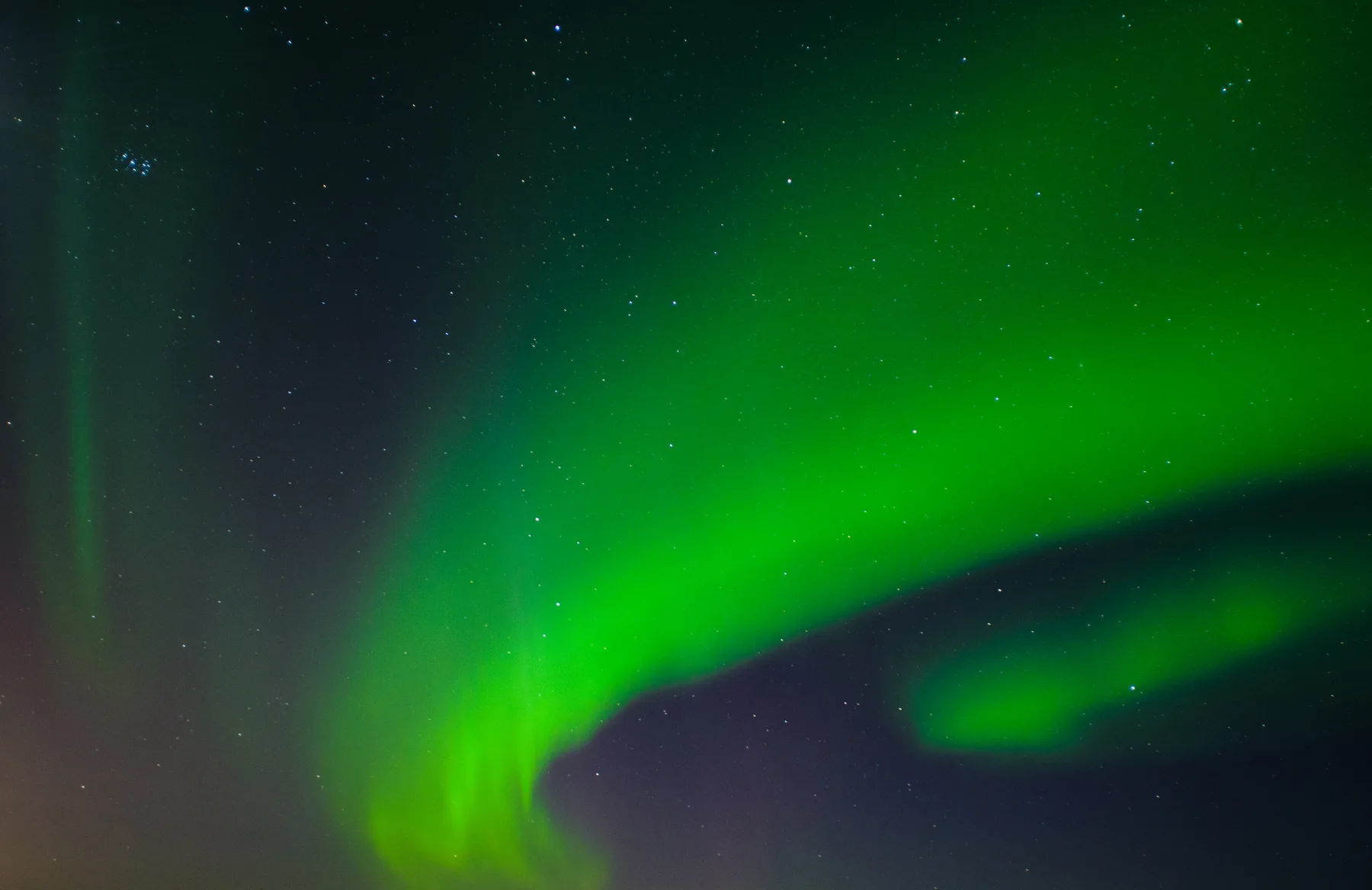
Use Four Nightly Checks Before You Decide to Go Out
The Icelandic Met Office's aurora page puts four types of data on the same screen, which actually hints at the reading order. The map shows cloud cover first: green areas are cloudy, white areas are clearer; the time slider changes cloud positions. The 0–9 in the top right is the aurora activity forecast for midnight of the selected date, not a "percentage chance of seeing the aurora." Sunset, darkness, sunrise, and moonrise times are based on Reykjavík; if you're staying in the north or east, you can't apply those times directly.
| Order | What to check tonight | If it passes, do what | If it fails, the answer |
|---|---|---|---|
| 1 | Darkness | Is your location dark enough during your available window? | Check cloud cover; no need to chase the index first | Keep normal dinner and rest; wait for the next night |
| 2 | Clouds | Are there clear windows near your stay or in short-distance directions? | Use the time slider to see if the window persists | Don't do a long night drive for a small white patch on the other side of the map |
| 3 | Activity | Is the 0–9 activity forecast worth waiting for under visible sky? | Set a waiting time and latest return time | Low activity doesn't mean zero chance, but don't cancel sleep to gamble |
| 4 | Safety | Alerts, wind, roads, parking location, and driver condition | Only go out if there is legal safe parking and a clear return route | If any item fails, stay at the accommodation; the aurora won't clear the road for you |
These four gates also explain why "index 5 but no sighting" isn't a contradiction: activity conditions can exist, but local clouds still block the sky. Conversely, lower activity with a clear dark night might be more worth waiting for near your stay than a high index with thick clouds. If you need to drive to chase every cloud gap, read Winter road judgment first; once the road page shows conditions are unsuitable, the decision for tonight is made—no need to convince yourself with the aurora forecast.
Choose Your Aurora Base by the Return Drive, Not Darkness Alone
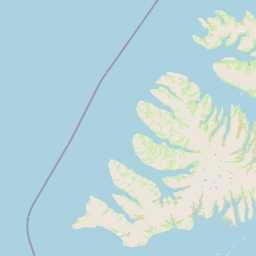
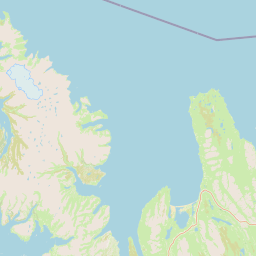
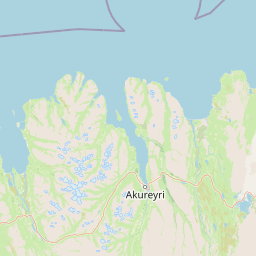
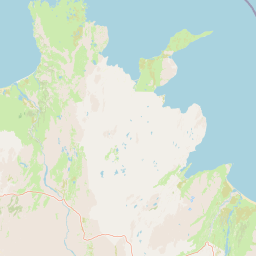
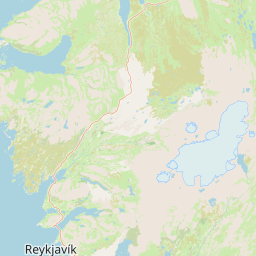
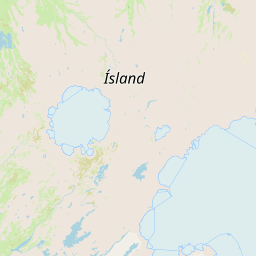
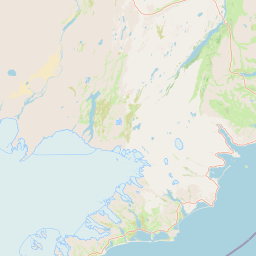
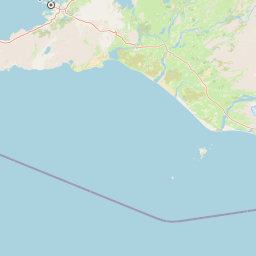
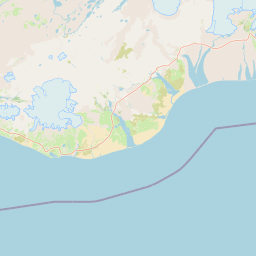
The map below uses a real OpenStreetMap base to mark the base roles of Reykjavík, Selfoss/Hveragerði, Vík, and Húsavík. It is not an aurora hotspot ranking, nor does it calculate same-day drives; its purpose is to put "chasing cloud gaps" back into the context of stays, supplies, and next-day directions. City bases may have higher light pollution, but offer more indoor options in rain, snow, or fatigue; South Coast or northern bases are easier to get away from lights, but you must factor roads, legal parking, and return time into the same calculation.
Count the Nights When You Can Actually Chase the Aurora
Multiple nights are valuable because the cloud cover, activity, and your energy can differ each night; it doesn't mean opportunities can be calculated by simple multiplication. If you land late on the first night, have an ice cave on the second, and must drive back from Vík to Reykjavík on the third, you technically have three nights, but only one might be truly available for quiet waiting. Factor in flights, fixed meetups, dinners, and next-day long drives to count your usable nights.
I divide each night into three categories: "actively arrange," "only look near the stay," and "don't arrange." Consecutive base stays, no early morning activities the next day, and normal roads fall into the first category; just finishing a long drive or needing to wake up early means staying near the accommodation; alerts, fatigue, or worsening roads go straight to "don't arrange." This classification isn't romantic, but it prevents you from looking at the sky for two minutes and then having to swallow a one-hour return drive in the middle of the night.
A Base You Can Return to Easily Is Better Than a Long Aurora Chase
The first condition for an aurora stay isn't a glass house or remoteness, but whether you can safely arrive, rest well that night, and still complete your itinerary the next day. Reykjavík is suitable as a base for no-car or first/last days; Vík is a good South Coast stay node, so you don't have to return west after seeing black sand beaches, waterfalls, or ice caves. If you want to try observation in the countryside, check parking, roads, nearby lighting, check-in times, breakfast, and cancellation terms first, before the marketing photos sway you.
Remote stays don't equal better results. Winter road conditions, crosswinds, darkness, and fatigue all increase return risks; while being too close to the city has light pollution, it offers more convenient backups, dining, and roads. For first-time visitors, choosing a base along main roads that reduces backtracking and offers flexibility is usually more sensible than committing to a long night drive for "complete darkness."
Compare Vík Stays Only If the South Coast Is Already in Your Route
Compare the same dates, room types, parking, breakfast, cancellation terms and final total price across the three platforms. The point of a Vík stay is not to guarantee the aurora; it is to give the South Coast itinerary a safer, more flexible overnight base.
Keep the Aurora as an Evening Option Inside a Stable Itinerary
The most stable approach is to arrange daytime themes that don't depend on the night sky: hot springs, city, Golden Circle, South Coast waterfalls, museums, or suitable winter activities; only try observation at night if conditions allow. This reduces the disappointment of "today's miss means the day was wasted" and means you don't have to force a long drive in bad weather. If joining a tour, clearly understand if there's a retry policy, the validity of the retry, the meetup location, and weather cancellation handling; if self-driving, pre-set the furthest driving boundary and let your companions know when to return to the hotel. When you're stuck on "I have a car, should I leave the city myself," Aurora tour or self-drive chasing breaks down roads, fatigue, legal parking, and next-day transfers into the same night's judgment.
Photographers should prepare separately: tripods, spare batteries, gloves, insulation layers, lens moisture control, and familiarity with manual settings should all be completed during the day. Don't try to handle the camera and car doors simultaneously for the first time in strong winds, low temperatures, an unfamiliar parking area, and darkness. Even if you only want to shoot with a phone, keep battery for navigation and contact; images should never be prioritized over safety.
Each Month Changes the Cost of a Late Night
Autumn usually retains more daylight, offering relatively good route flexibility, but nights aren't as long as deep winter; deep winter has long dark hours, but also brings ice, snow, wind, short daylight, and higher movement pressure; early spring sees increasing daylight, still offering night opportunities, but roads and weather should be confirmed daily. When choosing a time, ask yourself: are you willing to slow down the itinerary, will you self-drive, can you accept temporary changes, and what do you most want to accomplish besides the aurora? If the aurora is just one item in the whole trip, Iceland's best travel months: full trade-offs puts long daylight, highlands, short trips, and companion pace back into the same choice.
If the answer is "I want to see ice caves and the aurora," first confirm the ice cave meetup point and the previous night's stay; if the answer is "I just want to chase the lights easily," first choose an area that allows consecutive stays and is close to supplies; if the answer is "it's my first winter self-drive," first check the vehicle type, insurance, and road information. The aurora is just one goal that strings these decisions together; it cannot replace them.
If the date happens to be in February, this order is easily disrupted by a single activity voucher: the early morning meetup can be booked first, but whether to go out for the aurora tonight must still be left to the conditions. How to separate these two types of bookings in February separates fixed bookings from weather-dependent plans on the same itinerary.
Use These Eight Checks Before Any Aurora Night Drive
One: Do today's cloud cover and road conditions allow movement? Two: Are my companions well-rested and adequately dressed? Three: Do I know the latest time to return to the hotel? Four: Is the parking location legal, safe, and not obstructing the road? Five: Are my phone, in-car charging, and offline maps available? Six: Have I completed the trip's main themes, so I won't be disappointed if the sky doesn't cooperate? Seven: If I don't see it, is there still a safe second chance tomorrow? Eight: If any warning appears, am I willing to immediately abandon going out?
Only when all eight are answered clearly is it worth leaving the stay to look at the sky. Whether you see it or not won't negate the safety judgment you've already made; keeping the return route and sleep intact means you still have a fuller Iceland the next day. If the South Coast is already in your route, Vík: one night or two helps you distinguish which night can be used for waiting; if you haven't decided on a winter route yet, look at the five-day buffer version first, and don't pre-arrange aurora chasing tasks for every night.
Related Reading
Keep the Winter Route Stable When the Aurora Forecast Changes
How to judge winter roads · How to leave buffers in a 5-day itinerary · How to choose a Vík winter stay
More Reading
Match the Month, Activity and Overnight Base to One Workable Route
When to go to Iceland · September self-drive routes · Ice cave meetup points and terms · 5-day South Coast itinerary
References
- Icelandic Met Office: Aurora activity, cloud cover, darkness, and moonrise forecasts
- Icelandic Met Office: Weather forecasts and alerts
- Icelandic Road and Coastal Administration: Real-time road conditions
- SafeTravel Iceland: Winter and unfamiliar road driving safety
- Visit Reykjavík: Aurora season and Reykjavík viewing baseline
- © OpenStreetMap contributors: Base map and public geographic location data for this article's aurora stay base direction map.
- Þingvellir aurora photo: Carl Young / Wikimedia Commons

Q&A | Decisions to re-confirm before departure
Which months are best for seeing the aurora?
Autumn, winter, and early spring with sufficient darkness are all possible; the month is just a daylight condition and cannot replace cloud cover, activity planning, and that night's road judgment.
With only two or three nights, should I chase the aurora every night?
It's not recommended to turn every night into a long night drive. Keeping the same stay base and deciding whether to go out based on cloud cover and safety information usually recovers the itinerary better than chasing a single forecast.
Does staying further away make it easier to see?
Remote stays may reduce light pollution, but also increase the cost of supplies, legal parking, and safe return routes; without a safe fallback, it's not worth moving far just for darkness.
How to choose between an aurora tour and self-driving?
If you're not familiar with winter roads or don't want to take on night driving, the tour handles more of the transport and return logistics; self-driving offers flexibility, but roads and cancellation fallbacks must be treated as hard conditions.