
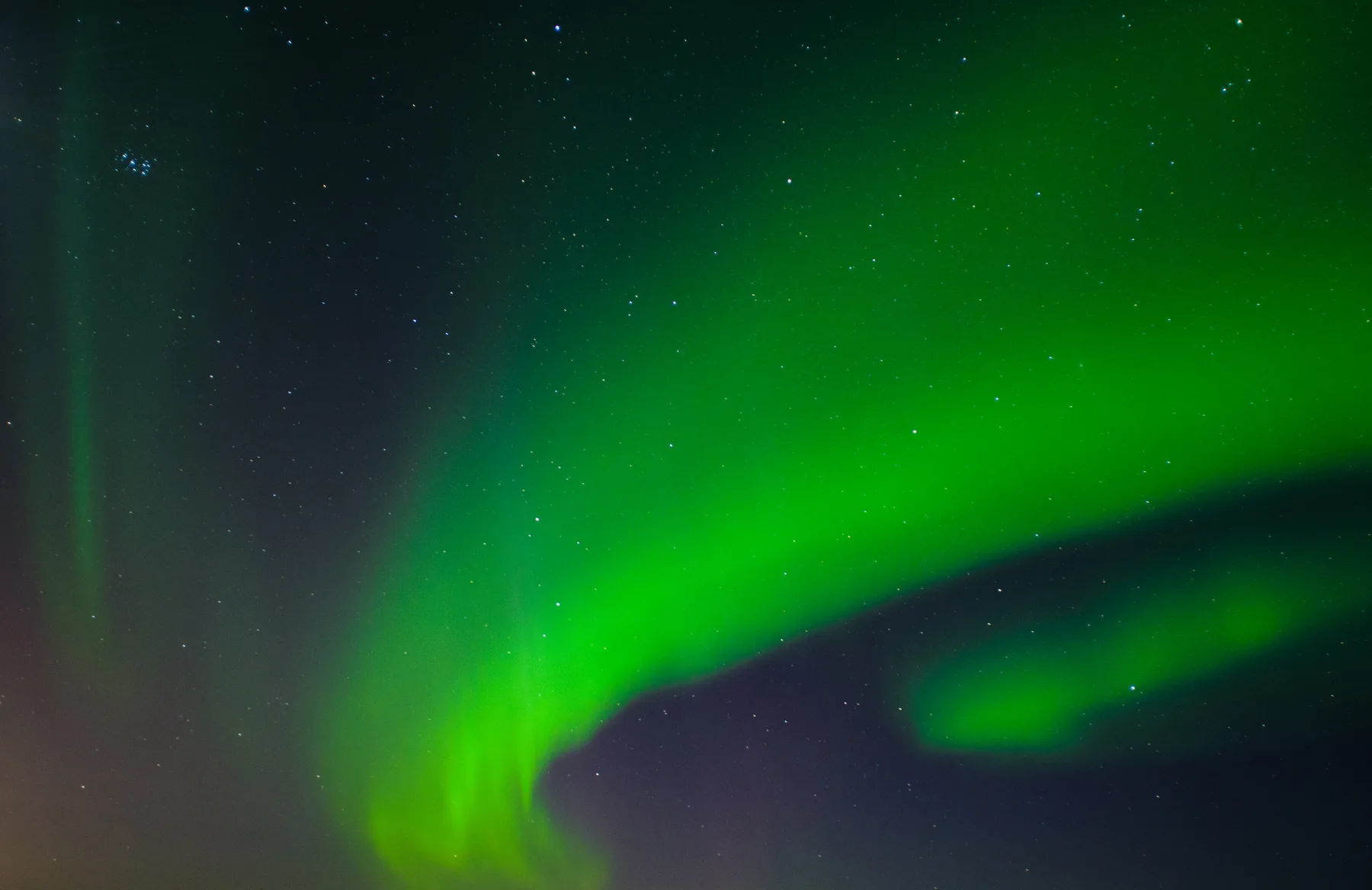
SEPTEMBER SELF-DRIVE · ROUTE DECISION
September makes people greedy for distance: the long summer days have not fully gone, while aurora season is just beginning, so every stretch of road seems to invite one more stop. This article deals with one decision: do your number of nights and tolerance for risk support the South Coast, the Ring Road or Snaefellsnes? If you are choosing between April, May, September and October, the shoulder-season comparison puts daylight, activities and road windows on the same page.
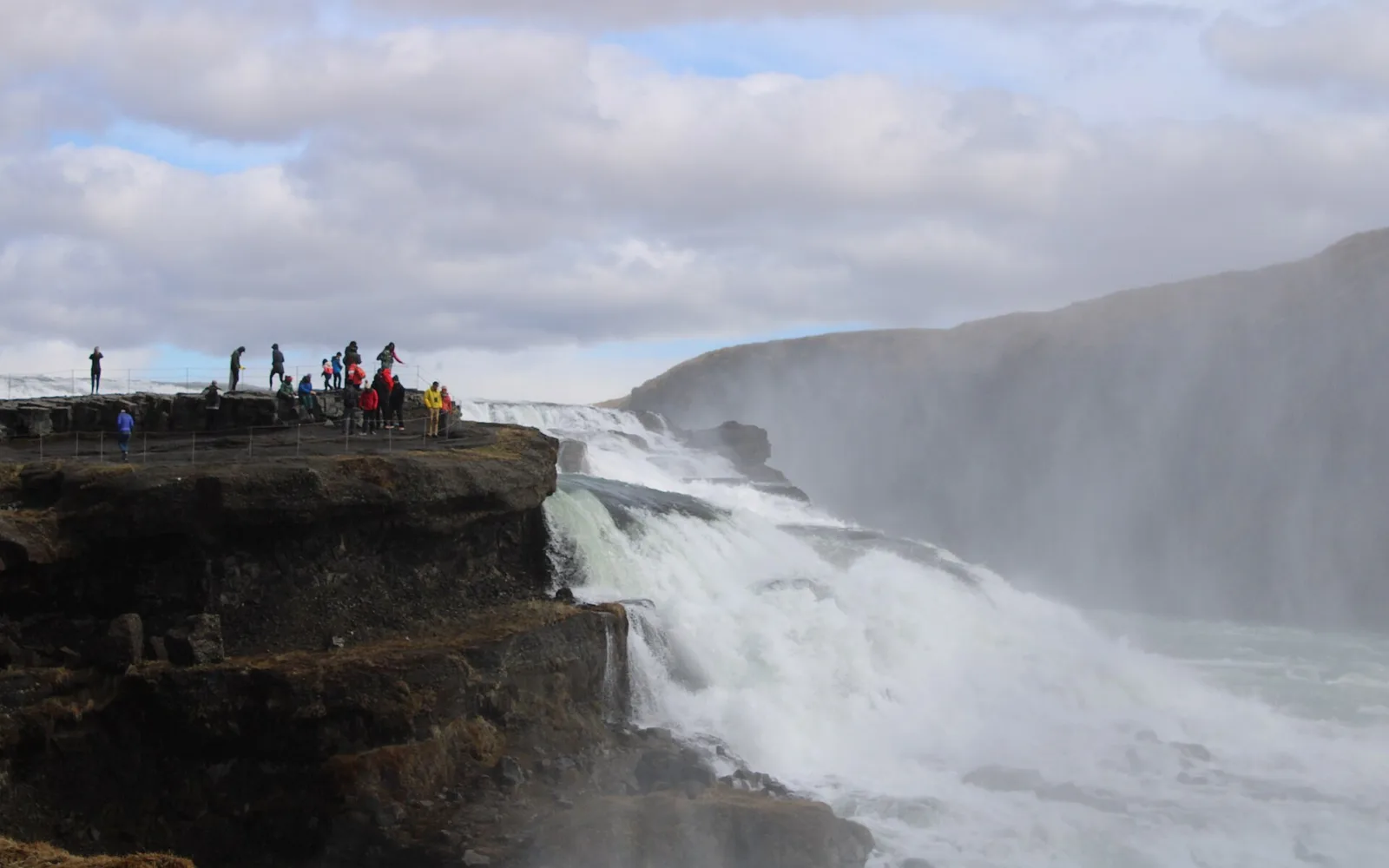
ICENAVI ITINERARY FIT · SEPTEMBER ROUTE CHOICE
Choose the route you can recover from, then wait for the aurora
The scores reflect full days, how much accommodation can be recovered, aurora flexibility, September roads and mountain passes, and the cost of changing route; cloud, roads, prices and activity terms must be checked again for your travel dates.
With five to seven days, one driver or incomplete arrival and departure days, the South Coast keeps weather and activity changes on one main axis.
There is room to discuss it only with at least seven full days; northern passes and eastern transfers make a mid-route change affect later accommodation and the return of the car.
Treat the peninsula as a complete small loop in the west and keep a night for weather and slower walking; it is more recoverable than forcing it into the final two days of a Ring Road trip.
Treat the aurora as an extra, stay near a safe return and the next day's direction, and do not push a long drive into the night for one night's cloud forecast.
From September to May, check northern passes and roads on the day of departure; cancellable nights are more valuable than assuming that September is usually fine.
September scores well when you protect at least one night that can change, allows a safe return and can shorten with road conditions.
Leave nights for September's seasonal change
September's appeal is clear: there is still enough daylight for scenic drives, while nights have a chance to become dark; official tourism information places aurora season from September to April. The aurora does not appear simply because you put Iceland on a September itinerary; you need darkness, gaps in the cloud and patience. The useful arrangement is to leave enough room near accommodation on at least one night, so you do not have to reach the next area before daylight.
At the same time, Iceland's official Ring Road information specifically warns that northern passes and road conditions need attention from September to May; SafeTravel also notes that roads, weather and navigation are not always in sync. You can drive the Ring Road in September, but “I usually go in September” is not a road decision. If every night is non-refundable, you are effectively turning same-day weather into an instruction you cannot decline.
Draw the three options at different scales; the answer is easier than comparing sights
| Route | What it really buys you | The cost most easily underestimated |
|---|---|---|
| Deeper South Coast | Freedom to change the order for wind, cloud and activities | Assuming a return drive is wasted, then forcing yourself east all day |
| Ring Road | Landscape range and the satisfaction of completing the loop | Northern passes, eastern transfers and moving luggage every day |
| Snaefellsnes + West Iceland | Time to explore the peninsula as one complete region | Mistaking it for a short Reykjavík side trip, or adding it to the final two days of the Ring Road |
September leg-time ledger: use a clear night for rest before you need flexibility
These figures are planning baselines. They exclude September parking, meals, fuel, slower driving through passes, activity check-in and the trip back to your accommodation; use them to identify days that can carry only one long transfer.
| Leg | Navigation baseline | Time to allow in practice | What bad weather takes away first |
|---|---|---|---|
| Reykjavík → Vík | About 185 km/2.5–3 hours | 5–7 hours | South Coast activities and the time to return for an evening aurora watch |
| Vík → Jökulsárlón Glacier Lagoon | About 190 km/2.5–3 hours | 5–7 hours | Accommodation choices east of the glacier lagoon towards Höfn |
| Egilsstaðir → Akureyri | About 270 km/3.5–4 hours | 5–7 hours | Northern activities and the next day's pass buffer |
| Akureyri → Reykjavík | About 380 km/4.5–5 hours | 6–8 hours | The final night and the safe margin before an early flight |
This table has an unromantic conclusion: the three routes do different work. The South Coast keeps time on one main axis; the Ring Road accepts moving forward every day; Snaefellsnes opens a separate western branch. If you put all three into seven days, the map looks rich, but inside the car there is usually only a charging cable, takeaway food and the question of how long until the next hotel.
The cost that matters is the cost of changing route. On the South Coast, dropping one stretch usually means adjusting the next night; changing course in the middle of a Ring Road trip moves several later hotels, activity meeting times and the car return together. The tighter the September itinerary, the more useful it is to leave space for that chain reaction.
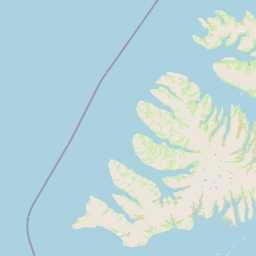
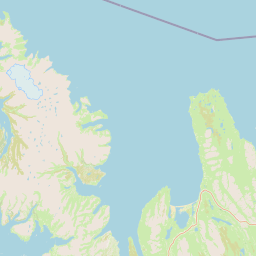
On the map, the three options operate at three different scales
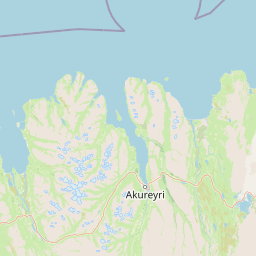
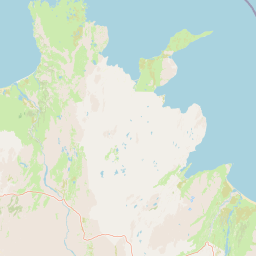
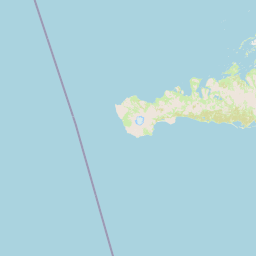
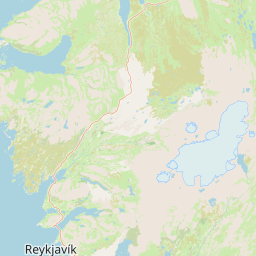
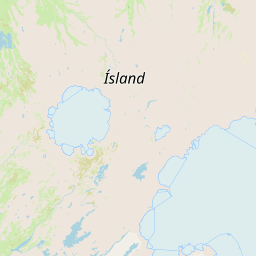
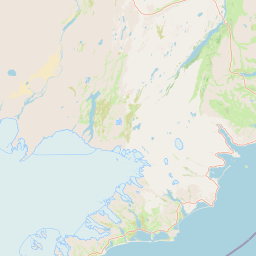
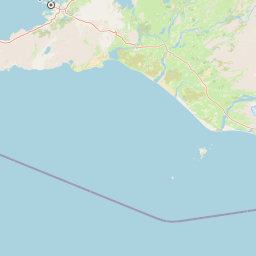
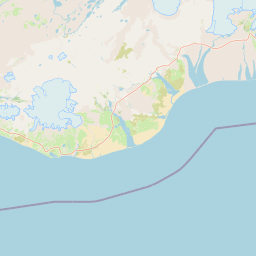
The map below spreads out the accommodation pressure created by the three itineraries using public geographic positions. Route 1, weather and rental terms still need checking for your departure date: Snaefellsnes is a separate western extension; the South Coast takes you towards Vík and Jökulsárlón Glacier Lagoon; once the north and east enter a Ring Road plan, each later night naturally moves forward. Once you see the range, it becomes easier to understand why “one more peninsula” and “one more stop” are two different additions.
Choosing the South Coast keeps September's movable pieces where they can move
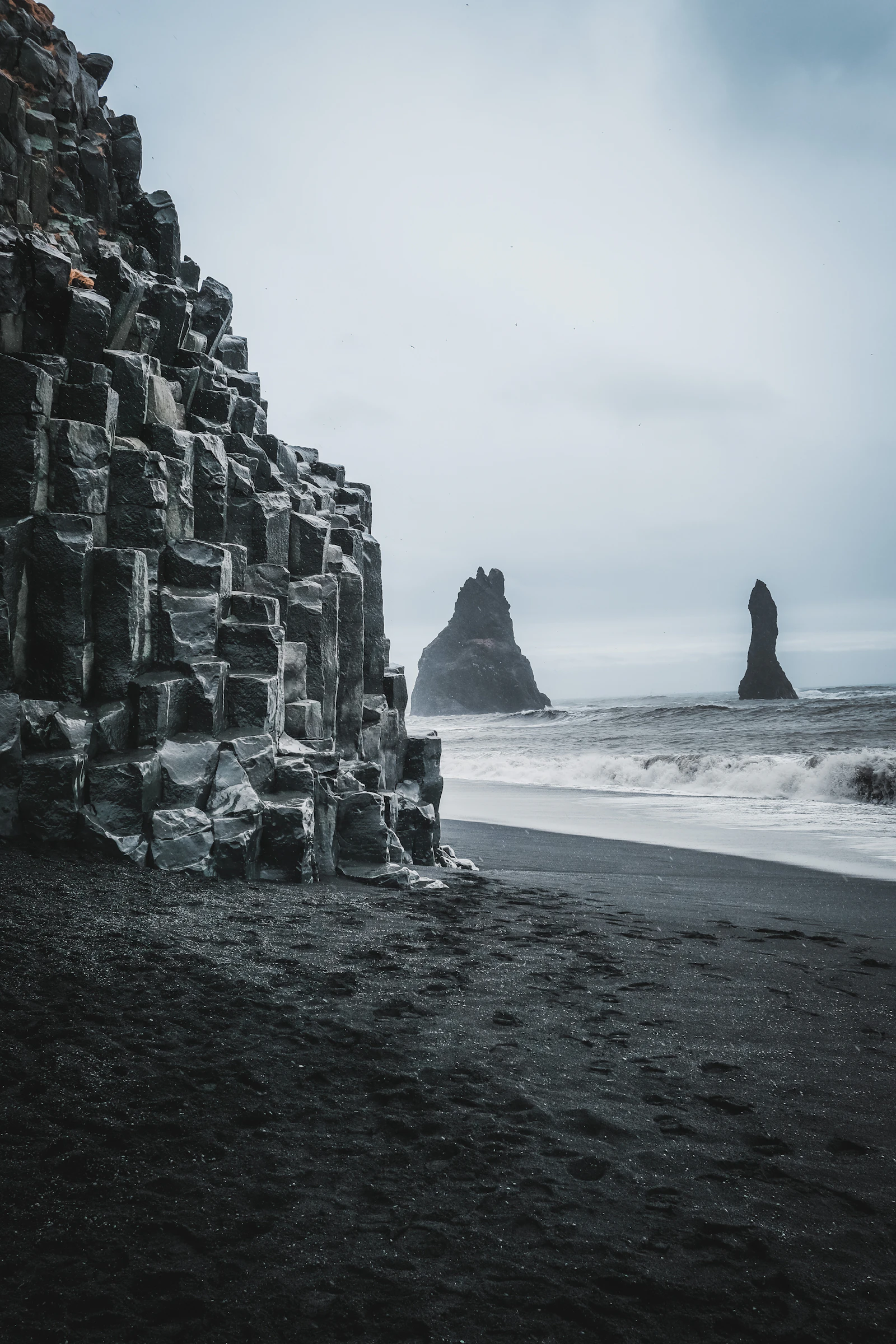
With five to seven days, incomplete arrival or departure times, one driver, or a wish to focus on waterfalls, black-sand beaches, the glacier lagoon and ice caves, the South Coast is usually the more mature answer. Driving east from Reykjavík, accommodation can sit around Vík and extend towards the glacier lagoon if conditions allow; if cloud is poor one day, switch to a waterfall or hot spring, and a rescheduled activity will not bring down the whole Ring Road plan. Use whether five days is enough for the South Coast and how to divide two South Coast days and one night to put depth and driving back on one page.
In this option, the aurora is a bonus rather than a daily assignment. If the clouds break on your first September night, stay out; if they do not, you do not need to push the long road beyond Vík into the night. The right time to compare Vík hotels is after you have confirmed that the following day still works eastward, back towards Reykjavík or in place. What accommodation location buys here is an option, not an aurora guarantee.
Before choosing the Ring Road, have at least 7 days to discuss it properly
Visit Iceland lists Route 1 at about 1,322 kilometres and recommends at least 7 days. During planning, “at least” is easily misread as “seven days is just right”; it means only that the distance begins to have room to be allocated. It does not answer your flights, passes, accommodation, shared driving or fixed activities. If seven days include a late arrival, an early flight or a fixed ice-cave meeting, the Ring Road becomes narrower than the calendar suggests.
With seven or eight full days, start with the accommodation-point map for choosing whether to begin the Ring Road from the south or north, then read how to divide 6 nights across 7 days or where to put the extra day in an 8-day Ring Road trip. These three pages deal separately with direction, nights and buffer; none assumes that September weather will cooperate. If a northern warning worsens, staying on the South Coast or shortening the trip to one region is still a successful itinerary, even without completing the Ring Road.
Snaefellsnes works best as a destination, not as a ticket for collecting one more sight
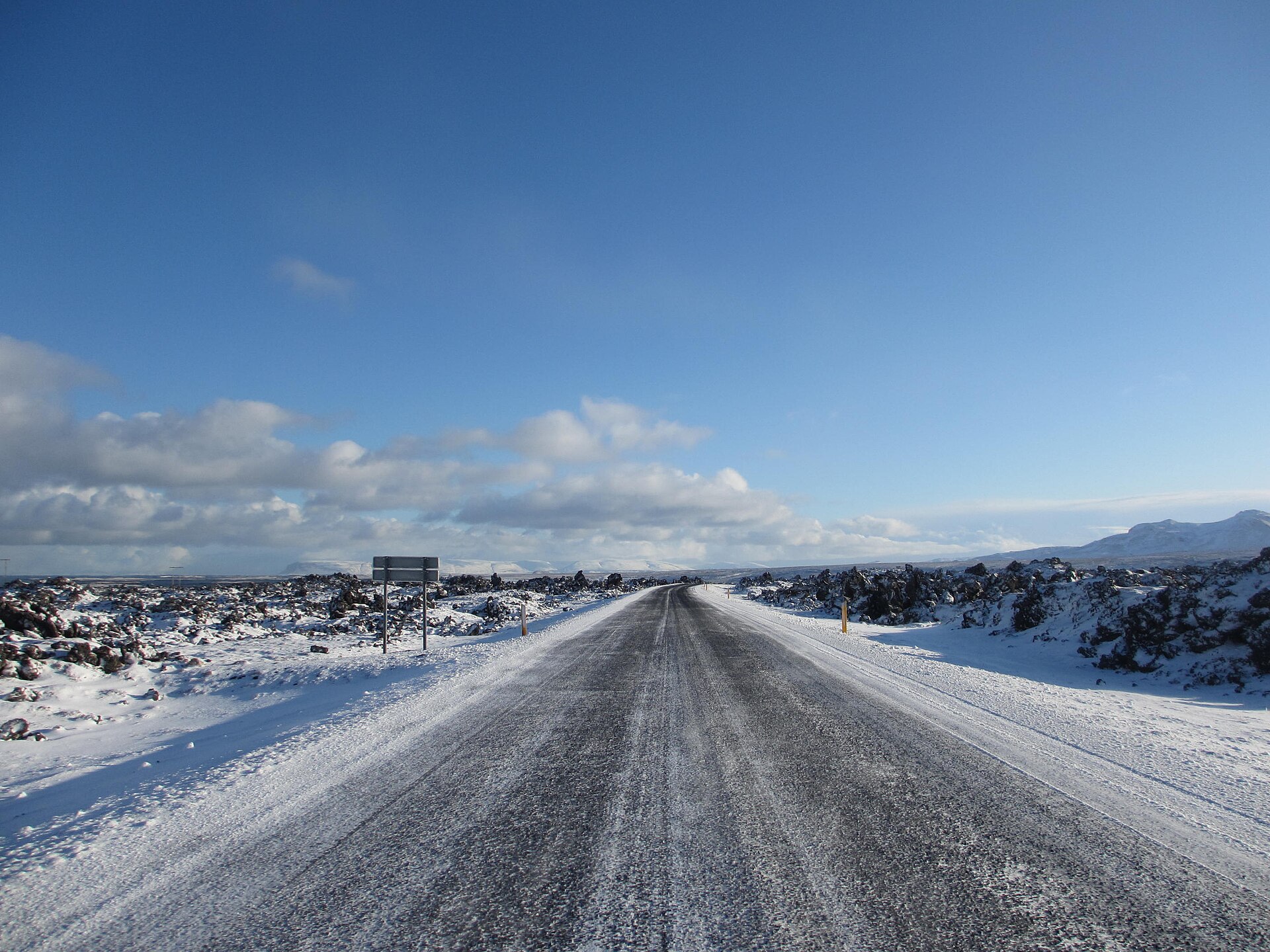
The Snaefellsnes Peninsula is often called “Iceland in miniature”, so it is easily squeezed into one day before or after Reykjavík. The problem is that when you want to stop on the coast, circle small towns, watch the light or wait for weather, the peninsula will not cooperate with a plan that demands a return to the capital by 4pm. If you choose Snaefellsnes, treat Borgarnes/West Iceland accommodation, one night on the peninsula and the return the next day as a complete small loop; it feels more like travel than forcing it in on day six of a Ring Road trip.
Snaefellsnes in September also suits anyone who wants to protect an evening, but do not book an isolated place merely to escape city lights if it makes the next day's drive harder. Ask whether you need an evening with a chance of night sky or a scenic room that requires a long arrival in strong wind and rain; the room price may differ only slightly, while the pressure across the whole drive differs sharply.
Keep the “September aurora” as the final layer; do not use it to choose accommodation
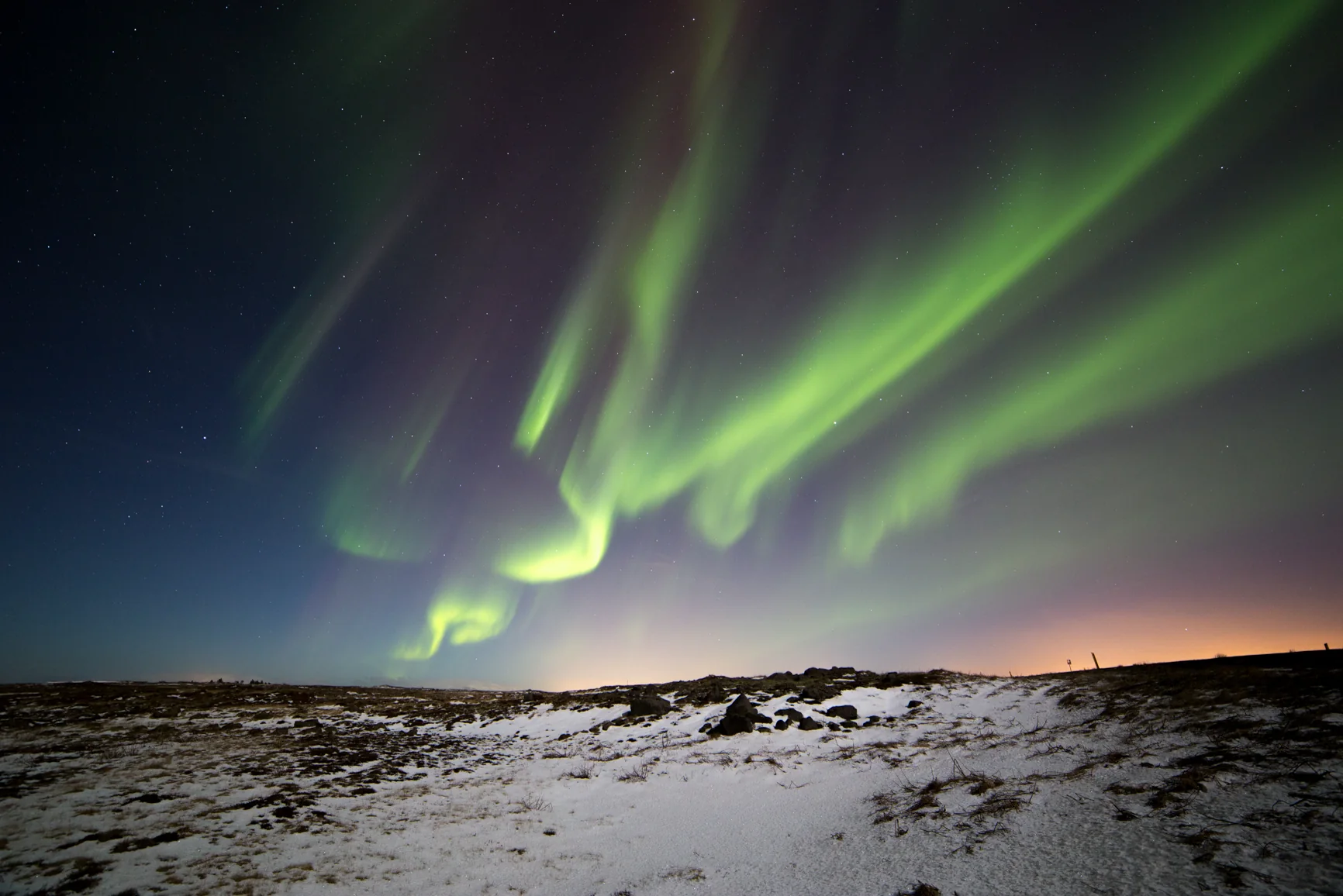
September to April is a common aurora season; clear or partly clear skies matter more than watching the index alone. Clear or partly clear skies matter more than watching the index alone. So do not search for an “aurora hotel” and build the itinerary around it: the hotel must first allow a safe arrival, a sensible direction the next day, and clear parking and cancellation terms. When the aurora appears, it is an extra; when cloud covers it, you still have accommodation in the right place and a night in which to sleep. For the fuller decision, see Iceland aurora season: darkness, cloud, roads and accommodation.
Before paying, use four questions to choose your September version
- If one day in the north or east becomes unsuitable for travel, can I still reach the departure end safely?
- Have I mistakenly counted my first and final nights as full sightseeing days?
- Have I kept at least one night when cloud, a rescheduled activity or fatigue can mean no long drive?
- Am I choosing the Ring Road/Snaefellsnes/South Coast because the number of nights supports it, or because I do not want to cut a sight?
If the answer to the fourth question is the latter, cut one stretch first; that can preserve good weather for the rest of the trip. September's most beautiful moments often arrive when the cloud has just lifted and you do not have to rush to check in. Giving the itinerary a chance to catch that moment is more useful than putting every place name into Google Maps.
Related reading
If you are deciding where to stay along the South Coast
- One or two nights in Vík: before committing to a deeper South Coast trip, check whether one extra night buys activity flexibility and a workable direction the next day.
- Five days on Iceland's South Coast: the job of five days is South Coast depth; this framework shows how to keep movable sights in movable places.
More to read
If your nights really support the Ring Road, do not skip these two steps
- Clockwise or anticlockwise around Iceland: set the direction using the first night, meeting address and fixed activities, not just an arrow on a map.
- How to divide six nights across seven days in Iceland: count arrival and departure days back into the plan to see whether “at least seven days” really fits your calendar.
Q&A | How do you check an itinerary quickly?
What is the most important decision?
Check nights, roads, accommodation options and fixed activities first, then decide whether to add a branch or compare prices.
What should be checked again before departure?
Recheck official roads, weather, room type, check-in and cancellation terms; this article cannot replace a confirmation on the day of travel.
References
The following official entry points were checked again on 22 August 2026. Roads, passes, weather, cloud and activity status must still be confirmed again on the day of departure.
- Visit Iceland | The Ring Road: Ring Road distance, the recommendation of at least seven days, and the September-to-May warning for northern passes.
- Visit Iceland | Northern Lights: aurora season, darkness and the role of cloud.
- SafeTravel | Driving in Iceland: road and weather safety guidance.
- © OpenStreetMap contributors: the geographic base map and public coordinates used for the three-route range map.
- Carl Young/Wikimedia Commons (CC BY-SA 4.0): the aurora photograph above Thingvellir National Park; used only to illustrate a night-sky setting, not September cloud, road conditions or visibility on any particular night.
References
Roads, activity times, accommodation policies and opening arrangements can change; before departure, check each item against the sources at the end of this article.