
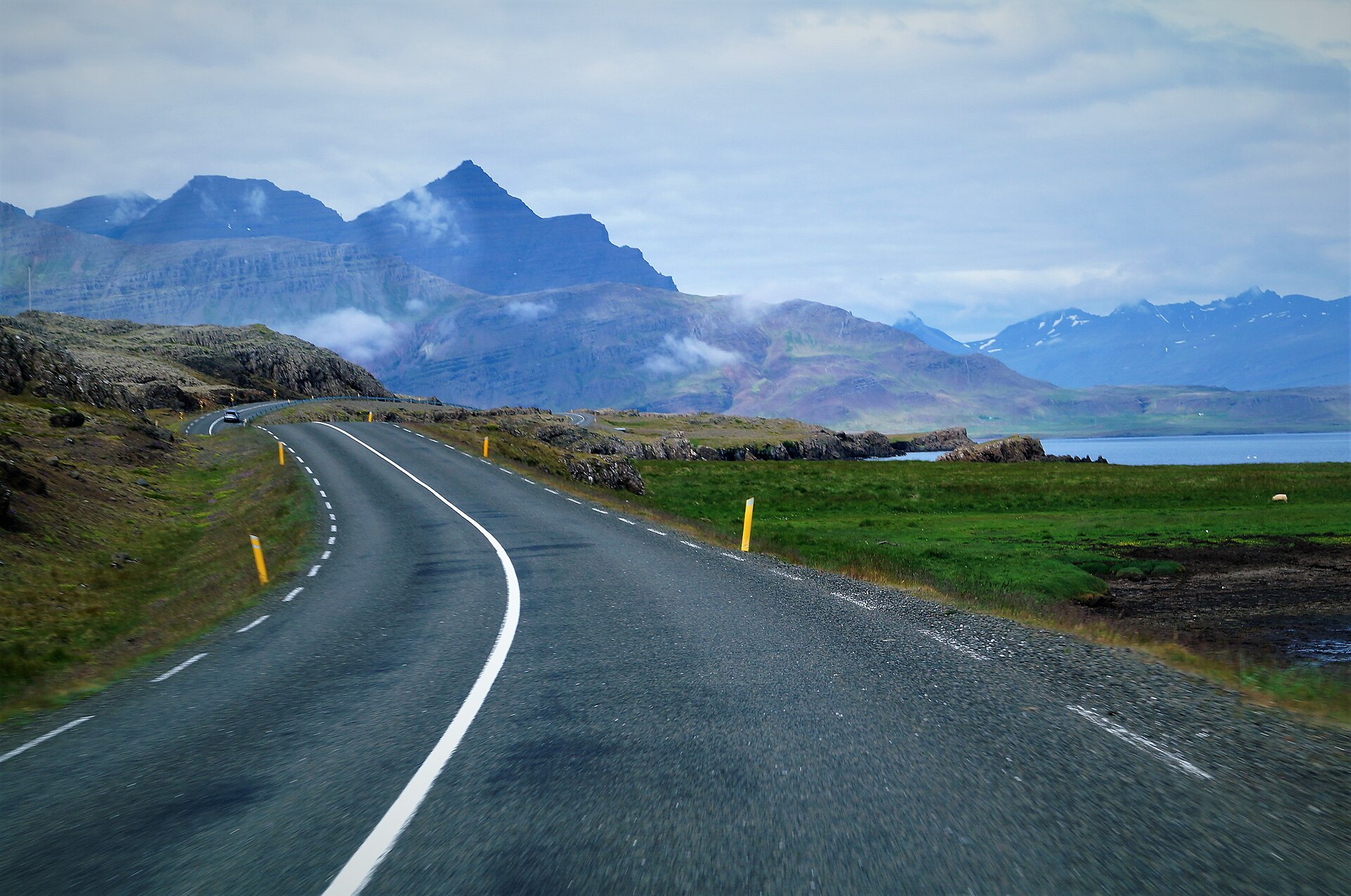

ICENAVI SHOULDER FIT · FOUR MONTHS
The quieter season changes what each month can give you
Scores weigh daylight, roads, activity windows and accommodation flexibility. They support travel decisions; they are not a weather guarantee.
The ice-cave season is more established, but daylight is still short; South Coast activities need rescheduling room and night driving costs more.
Daylight is building, so waterfalls, black-sand beaches and the glacier lagoon fit the same South Coast route more easily; the Highlands remain uncertain.
There is still enough daylight for the main route, while the nights begin to offer aurora chances; keep weather buffers in East and North Iceland.
Autumn colour, early snow and lighter crowds work in its favour; shorter daylight means recalculating how much of the Ring Road fits each day.
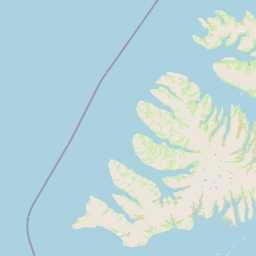
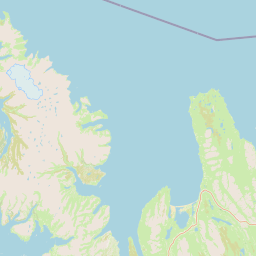
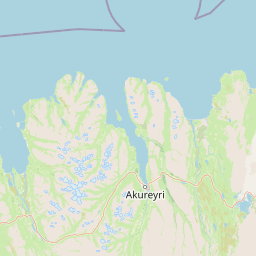
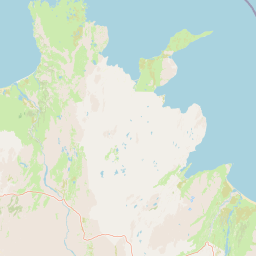
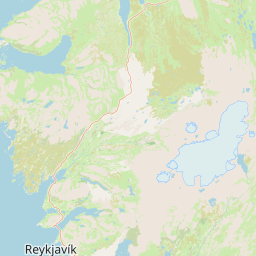
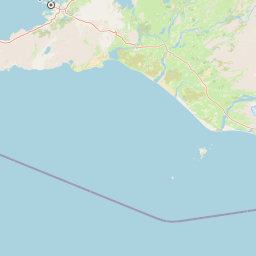
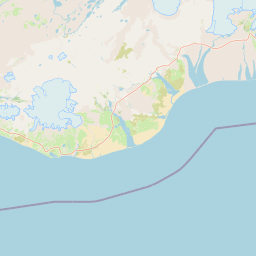
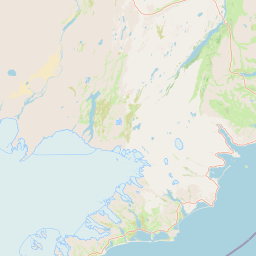 ReykjavíkStart and finish baseVíkSouth Coast activitiesGlacier LagoonIce caves / icebergsMývatnNorth / northern lights
April: ice caves still lead, so shorten your driving days
Mornings in April can still feel like winter, while the afternoon already carries spring light. The contrast is sharpest on the South Coast: ice-cave meet-ups are often early, and the wind at the black-sand beach may not cooperate. Put Vík, the glacier lagoon and the Eastfjords into two days and the final stretch may end up after dark. April works better with Reykjavík, the South Coast and the glacier lagoon as your main line, plus one day that can absorb a rescheduled activity.
Highlands plans need a separate sheet. Most F-roads are still not routes for ordinary visitors, and a mountain-road window does not appear simply because the calendar reaches April. Put an ice-cave tour meeting point on the South Coast; choose lowland accommodation in Hella, Hvolsvöllur or Vík so waterfalls, pools and a city day remain available if the weather turns.
May: daylight returns, but keep a backup plan
May's advantage is the steadily expanding usable day. Waterfalls, black-sand beaches and the glacier lagoon are easier to connect in daylight. Four or five nights on the South Coast can feel unhurried, with room for one fixed-date activity; the Highlands, sea excursions and mountain passes still have their own opening times, so do not push every night farther away just because the sun stays up longer.
In May, secure accommodation and activities whose dates are already published, then make the Highlands or seabird sites your flexible layer. The May South Coast itinerary separates what you can secure now from conditions that need checking closer to departure. If you still want the Ring Road, start with the eleven-day, two-night allocation, keeping one night for South Coast activities instead of spreading nights evenly across the map.
September: the best balance, and the easiest month to overestimate
Early September can retain summer warmth, while the end of the month has enough darkness for northern lights. That makes it a balanced month for the Ring Road and nature activities: daylight can cover the main Route 1 drive, and the night may offer sky-watching in Mývatn, the East or the West. The catch is that daylight shrinks every day, so mid-September and late September should not share one itinerary.
September's two fixed timings are the activity meeting time and the final night. If whale watching, a glacier-lagoon boat trip or an ice-cave activity moves, the previous night's base directly affects whether you can try again; on the final night you still need to move west, and an aurora chance is no substitute for flight-day buffer. The September self-drive route choice first separates the Ring Road, Snæfellsnes and the South Coast, then assigns the night-sky activity.
October: beautiful autumn colour, but long drives are no longer free
October's landscape changes quickly; hillsides, tundra and the first snow can look different within days. Crowds are lighter and the ice-cave season gradually begins, but shorter daylight makes “three regions in one day” unrealistic. A deeper South Coast stay or a slower trip through the West gives you more time to photograph; if you insist on the Ring Road, keep an early-finish version for every night in the East and North.
In October, let the road decide where you sleep rather than chasing the view alone. After the glacier lagoon, should you stay in Kirkjubæjarklaustur, Vík or Höfn? Count the next day's direction and activity meeting time with it; the accommodation-base comparison after the glacier lagoon helps with that choice. For northern lights, choose a base with a cancellation policy and keep the second night in a better-serviced town, so worsening weather does not leave you forcing a remote drive.
Use this table to choose your shoulder-season month
| What you most want to protect | Priority month | Route outline | Trade-off to accept first |
|---|---|---|---|
| Ice caves, snow and a fuller winter activity season | April | Reykjavík + South Coast + glacier lagoon | Short daylight, wind and snow, rescheduling |
| South Coast waterfalls and longer days | May | Golden Circle + deeper South Coast | Highlands still uncertain, scattered activity windows |
| A balance of the Ring Road and northern lights | September | Ring Road main route, with two nights in the North or East | Shorter daylight late in the month, warmer night clothing |
| Autumn colour, lower density and an ice-cave window | October | A slower South Coast or West Iceland trip | Less flexibility for long drives |
ICENAVI · SHOULDER SEASON CALL
The shoulder season's advantage is keeping tomorrow flexible
Book the activity you would genuinely regret missing, then choose accommodation that can absorb a weather change. Do not stake April on the last ice-cave day, treat September's aurora as a fixed stop or estimate October with summer driving times. That spare slot is the practical advantage the shoulder season gives you over peak summer.
Before departure, place the month, full daylight, road window, activity meeting time and final night on one timeline. Then decide whether the Highlands or a remote detour still fits. To choose a route by trip length, start with how many days to spend in Iceland; to settle your bases, continue with the Iceland accommodation night plan.
Q&A | Choosing an Iceland shoulder-season month
Can I complete the Ring Road in April?
You can plan around that year's roads and flights, but daylight is short and wind and snow can change quickly. First-time self-drivers are usually better served by concentrating on the South Coast and glacier lagoon.
Are ice caves still available in May?
Some ice-cave activities still have a seasonal window, but caves, meeting points and operating dates vary. Check the specific date you intend to travel.
Is September the best month for northern lights?
September can combine a daytime route with dark skies, but the aurora needs darkness, suitable cloud cover and the right activity conditions at once. Treat it as a possibility, not a fixed attraction.
Is October suitable for a first Ring Road trip?
It can work if you accept shorter daylight, finish driving earlier each day and keep road buffers. For a slower photography trip, the South Coast or West Iceland is easier to control.
Should I book a non-refundable shoulder-season rate?
Secure the first and last nights, plus genuinely scarce beds near the activities you care about. Keep the rest flexible so a weather-led reroute still leaves you choices.
References
- Visit Iceland | Plan your Visit to Iceland in Spring (seasonal background for March to May).
- Visit Iceland | Iceland in Autumn (autumn daylight and activity background).
- Vegagerðin | Mountain roads (Highland road windows and current maps).
- SafeTravel Iceland (road and weather conditions before setting out).
- OpenStreetMap contributors (the real map base used here).