
ICENAVI ROUTE FIT · OCTOBER ICELAND
In October, you are buying room to change course
The scores weigh full daylight days, road tolerance, accommodation transfers, recoverability of activities and route density; they do not rank scenic appeal.
Vík, Jökulsárlón and the South Coast waterfalls can be split across days, while the coast and nearby towns remain fallback options if an ice-cave trip is cancelled.
You need enough nights to leave one adjustment slot for the east, north and South Coast; crossing regions every day magnifies October wind and snow.
The usable light differs between early and late October, and a single-axis South Coast route makes it easier to keep daylight for outdoor plans.
Autumn can still bring winter surfaces, crosswinds or poor visibility. If one Ring Road section is affected, every later overnight stop may have to move.
Meeting points are mostly on the southeast coast, so a focused South Coast route can keep the nights before and after nearby. A Ring Road version must separate meeting times from long transfers.
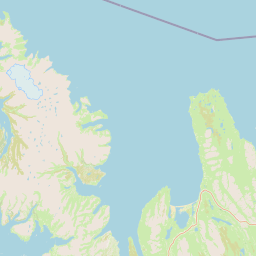
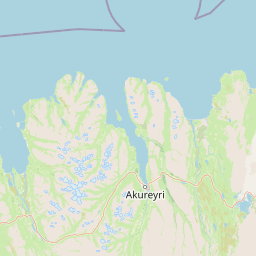
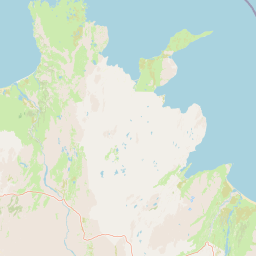
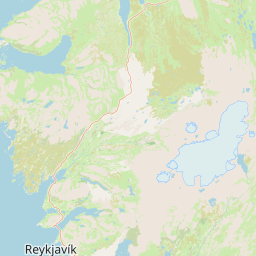
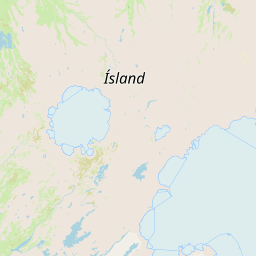
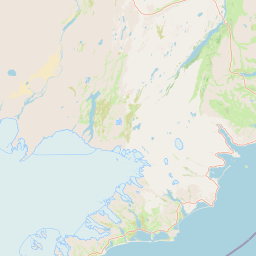
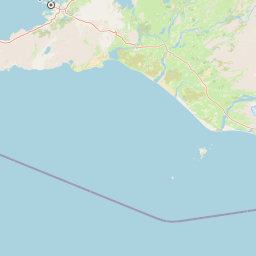
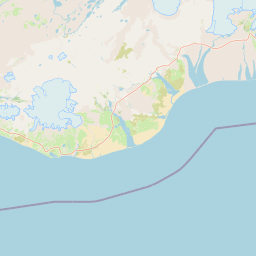
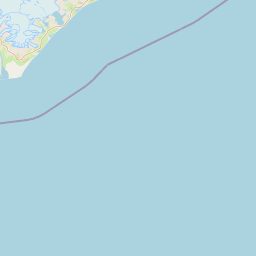 ReykjavíkCity / car-hire startVíkSouth Coast baseJökulsárlónIce-cave / boat-tour meeting areaAkureyriNorthern transferEgilsstaðirEastern supplies
October's first trap: calendar days look like more than full days
Arrive late on Friday and fly out early the following Thursday: the itinerary says seven days, but you may have only five and a half usable outdoor days. Collecting the car, buying food, checking in, returning the car, reaching the airport and keeping one weather fallback all take time. A focused South Coast route keeps these non-sightseeing tasks in one corridor; the Ring Road lets every transfer consume half an afternoon.
Put flight times into a working plan: arrival day is for collecting the car and reaching the first night; departure day is for returning the car and reaching the terminal; the days between are your usable daylight. That is why 4–6 full days naturally point to the South Coast, while 7–9 full days create enough room to push north and east. For the total number of nights, see how many days to spend in Iceland on a first trip, then return here to choose the October route.
When planning October, let the number of nights follow the usable daylight. Every base change costs packing, checkout, parking and a fresh supply stop; map distance alone is not a complete sightseeing day.
Focused South Coast: make one line work in four to six days
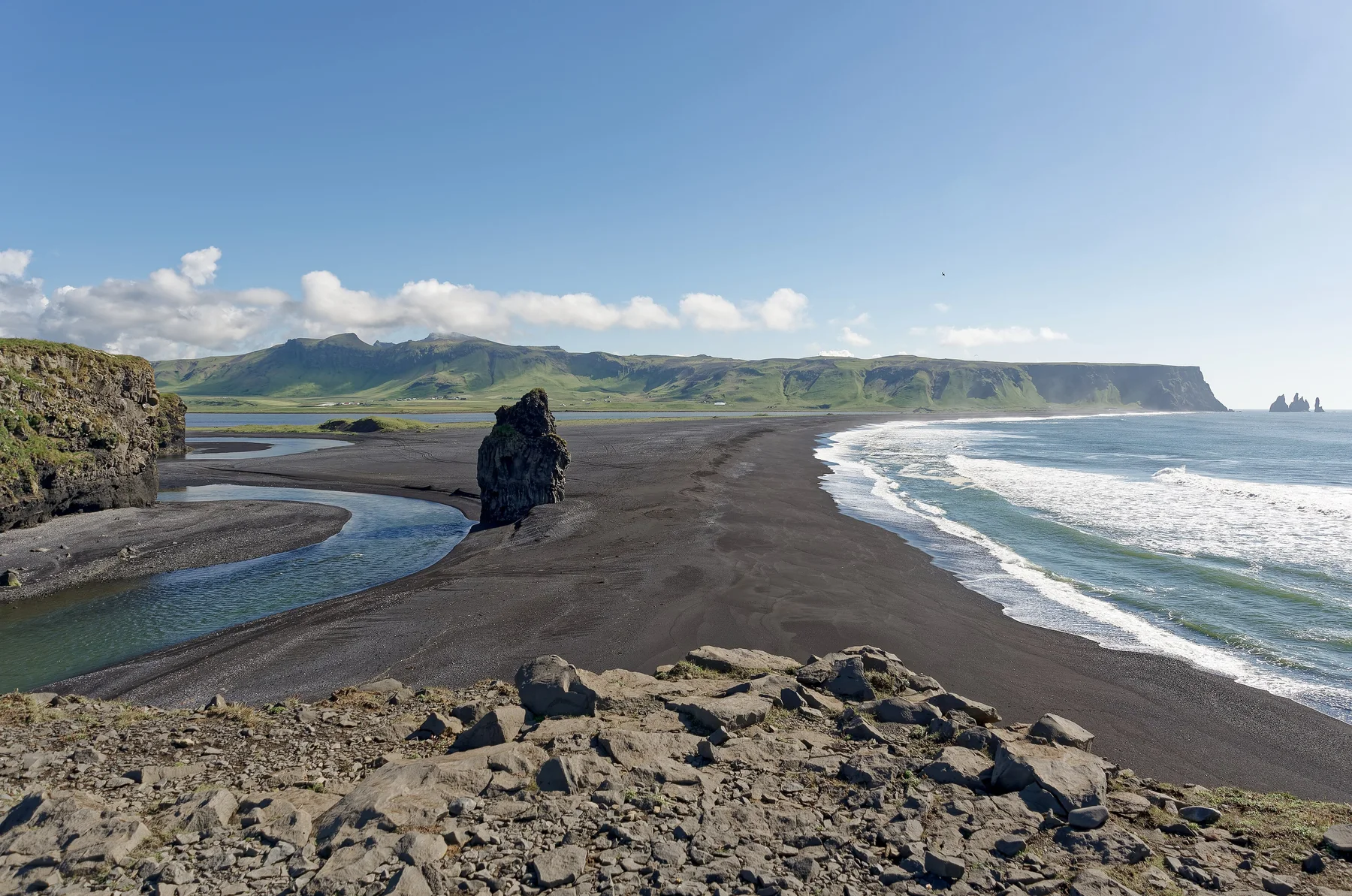
The practical South Coast framework starts around Reykjavík / Selfoss, then runs past Seljalandsfoss, Skógafoss, Dyrhólaey and Vík, with Jökulsárlón, Diamond Beach or Skaftafell at the eastern end. You do not need to spend the same length of time at every stop: waterfalls can be short visits, while the coast and Jökulsárlón depend on wind, light and parking.
For four South Coast days, stay two nights in Vík and move one night towards Jökulsárlón; with five to six days, split Vík, Skaftafell or Jökulsárlón across two bases. Ice caves and glacier hikes have fixed meeting times, so the previous night's location comes first. If an activity is cancelled, Vík's black beach, waterfalls and short trails can still carry the day. October South Coast and ice-cave planning covers the activity window; this article decides whether you need to leave the South Coast axis.
| Full days | Main route | Accommodation framework | What October most easily takes away |
|---|---|---|---|
| 4–5 days | South Coast to Vík, extending towards Jökulsárlón for an activity | Reykjavík / Selfoss → Vík 2 nights → 1 night on the southeast coast | After forcing in the Ring Road, South Coast stops become parking-and-photo visits |
| 6 days | Focused South Coast with Jökulsárlón or Skaftafell | Selfoss → Vík 2 nights → Skaftafell / Jökulsárlón 2 nights | The spare afternoon after an ice-cave cancellation |
| 7–8 days | Ring Road, with a separate section for the east and north | South Coast → Höfn → east → Mývatn / Akureyri → northwest | A daily stopping boundary and one cancellable night |
| 9 days or more | Ring Road plus one detour, choosing either Snæfellsnes or the north | Ring Road main route plus one base with consecutive nights | Mistaking a fallback plan for a second route that must be driven |
When the Ring Road is viable, give the east and north one task per night
Each Ring Road day should deliver one task along Route 1 to the next base. After Jökulsárlón, Höfn closes out the southeast coast; in the east, use Egilsstaðir for supplies, then choose Seyðisfjörður according to the weather or head north directly. Mývatn and Akureyri each offer geothermal sites, waterfalls, whale watching and city time. A night in the right place can eliminate a transfer; if you promise fjords, whale watching and a long drive back on the same night, the accommodation location quickly stops doing its job.
Keep one movable night in an October Ring Road plan. If an eastern pass or northern snowstorm shortens the intended route, that night can stay in Akureyri, Mývatn or Egilsstaðir; without a floating night, you are betting on roads and check-in times the day before. The six-day Ring Road itinerary shows the minimum density, while the eight-day Ring Road itinerary shows how to put the buffer back into accommodation so each day carries one main transfer.
Put October daylight into the daily plan
Early October still gives you a longer afternoon, while late October brings darkness earlier; there is no single wake-up time for the whole month. Use the morning for Hallgrímskirkja, a short waterfall walk or an activity meeting, and leave longer coastal walks for the afternoon. When cloud is low and the wind is strong, complete the plans with clear parking and short walks first. Treat the Northern Lights as a bonus, not as a way to fill a gap in the daytime route.
Write three lines for every day: the earliest departure time, the latest time to leave the final stop and the latest check-in time. If there is not enough space between them, move the most distant detour into the fallback plan. Do not treat the navigation app's pure driving time as the cost of a full day. How to turn Iceland weather forecasts into route decisions can support a morning and evening reshuffle.
When roads change, how the South Coast and Ring Road shrink
The South Coast is simpler to shorten: turn back from the eastern end to Vík, remove the farthest headland and keep a waterfall or town beside Route 1. Shortening the Ring Road involves the next night as well. If the east is not passable, you may need to change a northern night to an eastern service base; when visibility drops in the north, Akureyri becomes a city day and you decide the next day whether to continue west. With every change, protect accommodation and the activity meeting first, then add free sights.
Check the Iceland road conditions website before departure, before getting into the car each day and before crossing regions. SafeTravel's driving guidance notes that winter surfaces can occur in spring and autumn; an October itinerary should already answer “where do we stay if we do not cross the pass today?” Once that answer is written down, you know which section can be deleted while you are still in the car, and the decision becomes much faster.
Price the accommodation difference beside one fewer long transfer
One extra night on the South Coast may mean one additional room charge; every extra Ring Road base also brings luggage handling, check-in deadlines, finding dinner and drying wet clothes. If a southeast-coast room costs more than one in Vík, first calculate whether it removes a long drive before an activity; if a northern hotel is cheaper but puts you across two exposed passes from the meeting point, it may not save money. Compare accommodation price, breakfast, parking and cancellation terms in the route column together.
October travellers often hesitate between a scenic room and a cancellable room. I would protect cancellation and earlier check-in first, then upgrade the view once road and activity dates are settled; a scenic room changes one night, while a flexible room can save the route. South Coast accommodation bases and the Jökulsárlón, Höfn and Skaftafell accommodation comparison take the next room-type decision further.
ICENAVI · OCTOBER ROUTE CHECK
Choose a main route that can stand on its own
4–6 full days: focus on the South Coast, splitting Vík and the southeast coast around your activities. 7–9 days: drive the Ring Road, with one headline stop per day and a floating night. Late October, a single driver or an ice-cave priority: favour the South Coast. Let the Ring Road take that extra South Coast night only when northern and eastern Iceland are the trip's actual subject.
Before paying, ask once more: if wind and snow arrive tomorrow, an activity is cancelled or someone in the group does not want a long drive, what does this route still leave us? A focused South Coast plan usually leaves a base where you can walk, eat and sleep early; the Ring Road answer depends on whether you truly kept one night for a route change. Choose the version that can recover, and October Iceland will feel like an autumn trip rather than a driving test made by shrinking a summer map.
Q&A | Iceland's October Ring Road and South Coast
Can I drive the Ring Road in seven days in October?
You can plan it, but first subtract arrival and departure days and confirm that at least five to six full outdoor days remain. Keep one headline stop per day and one night for a route change.
Should I stay in Vík or by Jökulsárlón on the October South Coast?
Base the choice on the activity meeting point and the next day's direction. Vík suits the western South Coast and an earlier finish; Jökulsárlón or Skaftafell suits southeast-coast activities and the next move east. Do not decide from scenic photos alone.
Will I definitely see the Northern Lights in October?
October provides longer hours of darkness and a chance to see them, but cloud, activity levels, roads and sleep still shape the actual experience. The Northern Lights should not replace the daytime route.
Should I give up the Ring Road if there is only one driver?
With only 4–6 full days, the South Coast is usually easier to control within each day's stopping limit. With 7–9 days, the Ring Road can still work, but reduce detours and avoid consecutive long transfers.
Can I follow an early-October route at the end of the month?
Do not copy it directly. Daylight, wind and snow, roads and activity availability can all differ. Rework the plan each day using road and weather information, and keep accommodation cancellable where possible.
References
- SafeTravel Iceland | How to Drive in Iceland (possible winter surfaces and changing road and weather conditions in autumn).
- Umferðin | Travel conditions (checking road and weather conditions on the day of departure).
- Visit Iceland | Iceland in the Autumn (the rhythm and seasonal context of autumn travel).
- OpenStreetMap contributors (the real map base used in this article).