
DESTINATION HUB · SOUTH COAST
A South Coast day is shaped by the minutes after you leave Route 1: parking, waterproofs, the walk to the viewpoint, a timed activity and the hour you still need for dinner. The map shows the line; those small jobs decide whether the route feels generous or rushed.
If you want to include a full mountain trail on your South Coast trip, the Fimmvörðuháls hiking decision page puts the Skógar start, Þórsmörk exit, and post-activity lodging into a single timeline.
If you're already listing waterfalls, black sand beaches, and headlands, the South Coast stops, waves, and safety distance worksheet helps you cut the stops that shouldn't be crammed into one day; this page then helps you choose where to stay in the western, central, or eastern sections and where to go the next day.
Let the overnight stop set the shape of the South Coast
The western section begins in Reykjavík and usually centres on Seljalandsfoss and Skógafoss; the central section covers Dyrhólaey, Reynisfjara, and Vík; the eastern section continues past Fjaðrárgljúfur canyon, Kirkjubæjarklaustur, and Skaftafell to Jökulsárlón. If you want to add a glacier activity with a fixed meeting time in the east, check Fjallsárlón boat vs. glacier hike first, because the check-in time determines whether the lagoon can fit into the same day. The canyon isn't a casual stop next to Vík; include it on this stretch only if you're heading east and staying there that night. All three sections lie along Route 1, but fitting them into one day leaves little time to enjoy them. If you're torn between the black sand beach and the lagoon, see the black sand vs. Diamond Beach comparison first, then allow for that stop when choosing where to stay. If you only have half a day for the Vík coast, use the Reynisfjara and Dyrhólaey timing trade-offs to compare light, wave conditions, and parking time.
I start by circling the farthest stop, then ask what happens after it. If the answer is “back to Reykjavík,” Vík is usually a sensible limit for a one-day South Coast outing. If the lagoon is the point, give the southeast coast a night. Coming from the Golden Circle, the Selfoss destination page helps test whether that service base removes a backtrack; otherwise the day can end with a long list of stops and a rushed dinner.
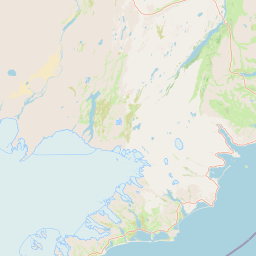
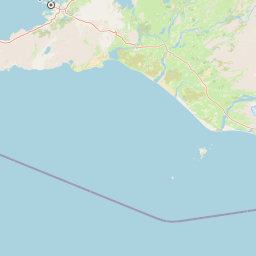
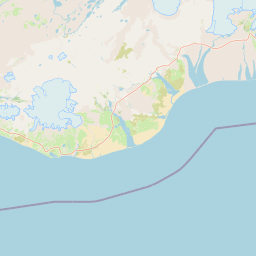
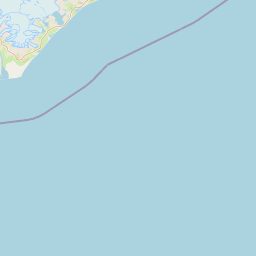
Four route shapes, and what each extra night buys you
| Route shape | Recommended limit | Overnight stops | What to cut first |
|---|---|---|---|
| Reykjavík one-day round trip | Vík / black sand beach area | Return to Reykjavík | Jökulsárlón; don't rush every stop simply to reach a more distant name |
| Two days, one night | As far as Skaftafell or Jökulsárlón, depending on season and pace | First night in Vík | Combining a long trail, a paid activity, and sunset at the lagoon on the same day |
| Three days, two nights | Jökulsárlón / Diamond Beach | Vík + Öræfi / Skaftafell | Backtracking to Vík for the second night simply to avoid changing hotels |
| Ring road eastbound | Continue to Höfn after Jökulsárlón | Vík + southeast coast / Höfn | Returning west after seeing the lagoon, then driving the same stretch again the next day |
Two days and one night isn't simply the one-day itinerary doubled. Spending the first night in Vík means you don't have to drive the western section from Reykjavík again the next morning. If you're still choosing each day's endpoint, South Coast two days one night divides the route around practical overnight stops. Travellers with four or five full days should check the 4-day South Coast trade-offs and 5-day South Coast route separately, because an extra day can go to a glacier activity or weather buffer instead of another eastward leg.
Choose the Skaftafell trail before choosing the room
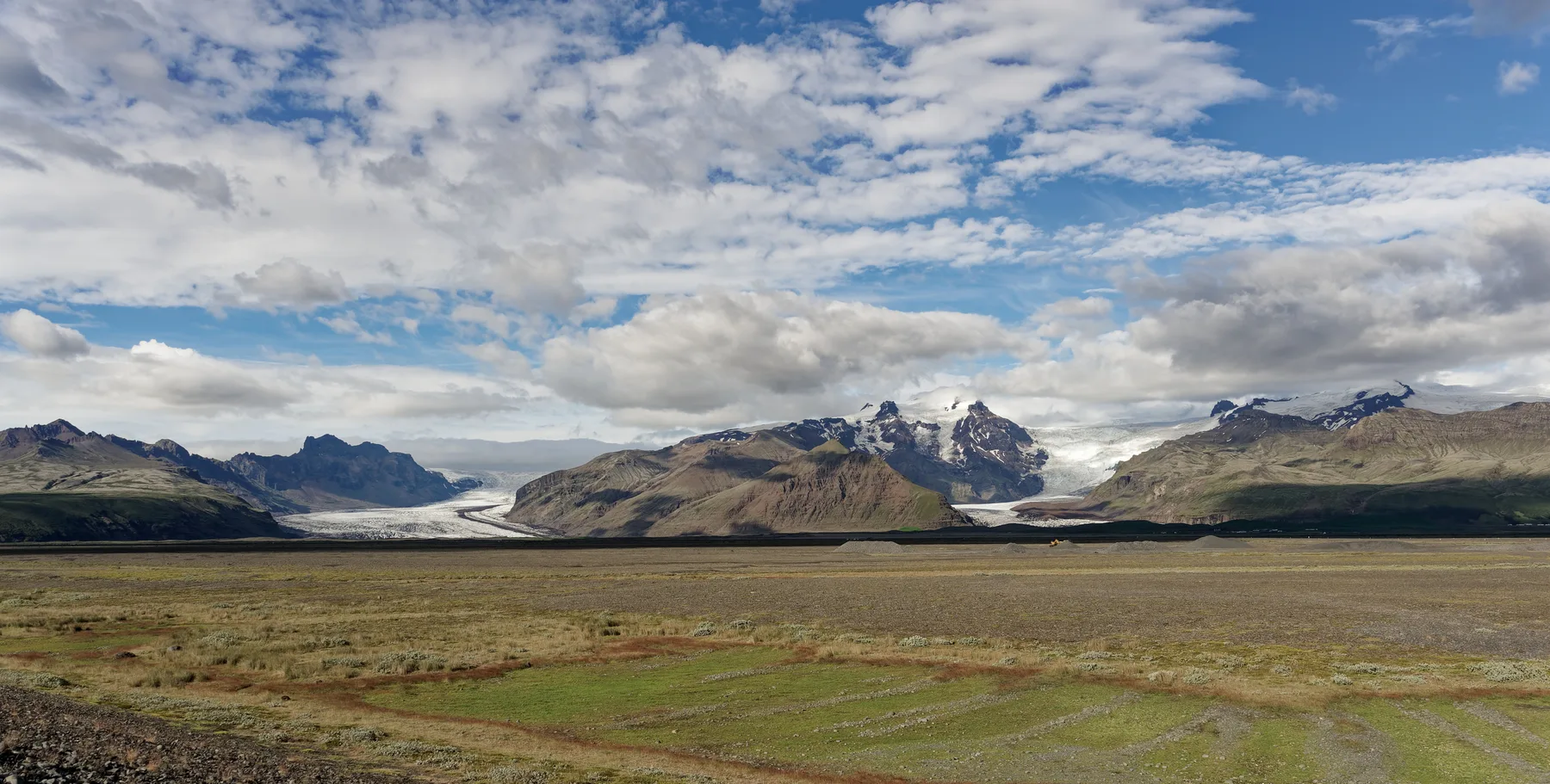
Vatnajökull National Park lists the S1 Skaftafell Glacier Trail (Skaftafellsjökull) as 4.1 km, about 1 to 1.5 hours, with easy difficulty; the S2 Svartifoss Loop (Svartifoss–Sjónarsker–Sel) is 5.8 km and about two hours. Those estimates cover the trail itself. They do not cover a late arrival from the previous stop, parking, a toilet break, lunch or a weather change.
Skaftafell is reached from Route 1 year-round, yet access still follows the weather and road conditions, which can shift quickly outside summer. The park is about 70 km from Kirkjubæjarklaustur and about 130 km from Höfn. Those distances make it a poor “quick stop” near Vík: a two-hour trail changes both tonight’s room and tomorrow’s driving. If you want a glacier hike rather than a view of the ice tongue, the Solheimajökull vs. Skaftafell location comparison puts meeting points, footwear and the eastbound consequences together. Pick the activity first, then work backwards to the number of nights.
Reynisfjara in 2026: old photos cannot tell you where to stand
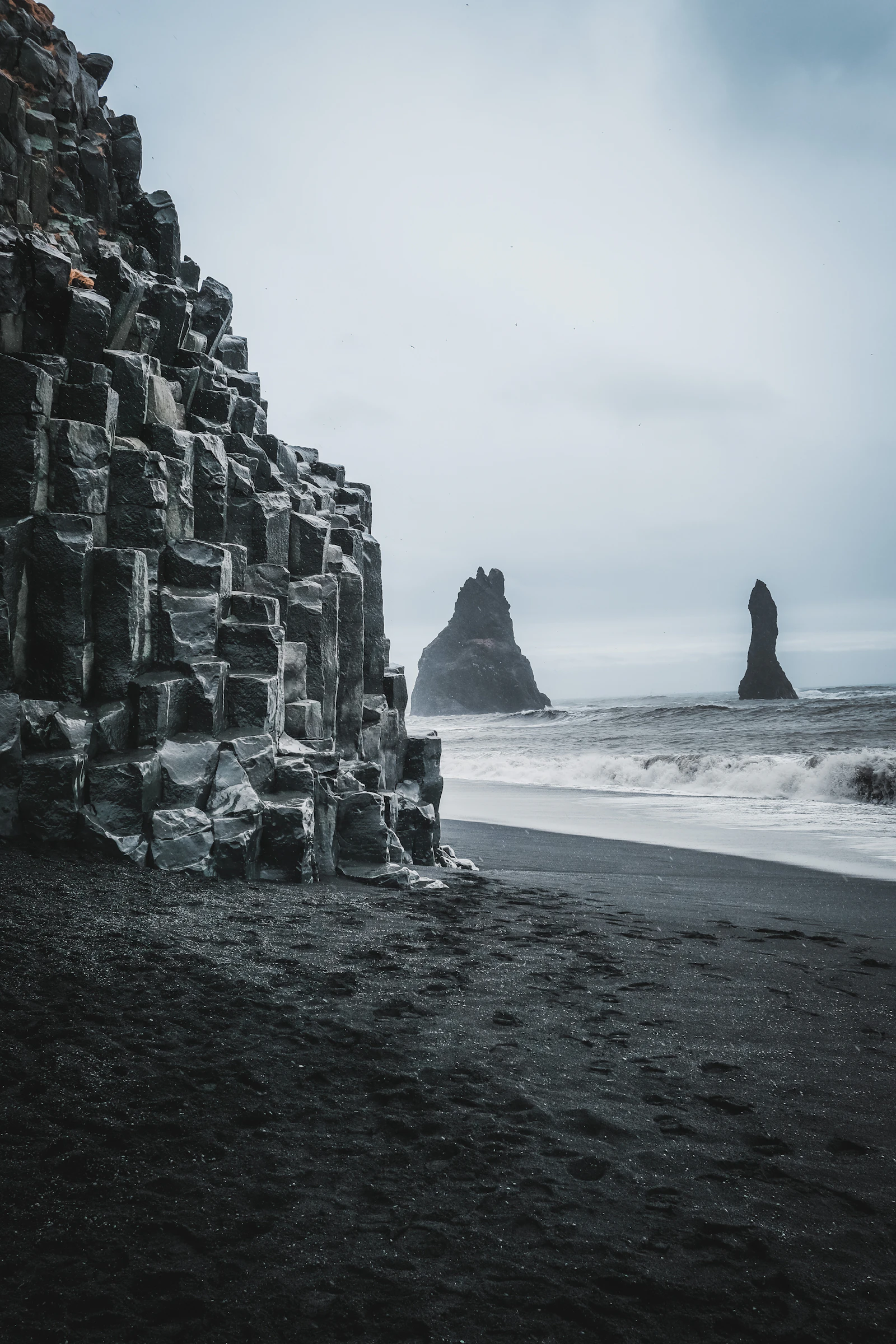
On February 24, 2026, the Icelandic Tourist Board reported severe erosion below the Reynisfjara viewing platform and around two safety-sign foundations after high tides. At that point, visitors could see the basalt columns and waves only from the upper sand ridge; the parking area, restaurant and toilets remained open. That was a dated access update, not a forecast for August. Check the latest notice before leaving, and never use an old photograph as an access map.
The lights and marked zones still require your judgement. Yellow means stay out of the yellow zone; red means stay out of the red zone and do not pass the light. A few calm minutes do not make the beach safe for the rest of the day. Read the signs when you arrive and keep your distance from the water, even if another visitor has moved closer.
Self-drive and day tours solve different problems
Self-drive lets you swap the waterfalls and black-sand beach when the weather changes, or check in early when the road deteriorates. The same flexibility also leaves every delay with the driver. With one driver, summer daylight is not free overtime: a late sunset does not keep concentration, dinner service or hotel reception open.
Car-free travelers should first choose the actual product, then see which stops it includes, how long each stop lasts, and the pickup range. If you care most about the lagoon, a general "South Coast highlights day tour" may not go there; if you only want to see waterfalls, the black sand beach, and Vík, you don't need to pay for a full-day southeast coast tour. The South Coast day tour comparison puts meeting points, farthest stops, in-car time, and cancellation terms into one table, rather than ranking by number of sights. If you want to put free waterfalls, the black sand beach, and one paid experience on the same day, the Free sights and paid experiences pairing table can help you calculate check-in, parking, and recovery time after cancellation. If your itinerary includes the Sólheimasandur plane wreck, read Walking, shuttle, and South Coast route conflict judgment first: it's not a five-minute roadside stop, and including it directly changes the timing for Skógafoss, the glacier front, and dinner in Vík. If you're self-driving, you also need to distinguish between daytime parking, National Park area fees, and Highlands reservations before putting sights on the map; How to pay for Iceland sight parking breaks down the payment nodes for Þingvellir, Skaftafell, Jökulsárlón, and Landmannalaugar, so you don't find out you bought the wrong type of day after parking.
Winter needs a cut list; summer needs a hard stopping time
Before winter departure, list paid activities, tonight's lodging, and the most important natural sight as the top three items; when roads or visibility worsen, delete the farthest free stop first, not the safety buffer. The Icelandic Road and Coastal Administration explains that road condition data comes from staff, contractors, and automatic instruments, and automatic data can also be wrong; general update periods are longer in the winter half and shorter in the summer half. A morning screenshot doesn't guarantee the evening is the same; re-check before leaving Vík or Skaftafell for the last time. If the South Coast has wind-blown sand or low visibility warnings, the Sand risk page rearranges the data into an actionable stop sequence; for the full process, use Iceland winter self-drive judgment. February is particularly prone to getting stuck at the intersection of "daytime sights fit, but ice cave check-in can't be late"; Iceland February South Coast itinerary puts short daylight, ice cave check-ins, and lodging bases into the same timeline, suitable for those already scheduling February dates to compare directly. And if you've found a parking spot but the wind is hitting from the side of the car door, the Crosswind door opening process fills in the few seconds easily ignored after "stopping low"; if lateness makes you want to stop on the shoulder or accelerate to catch up, the Illegal parking and speeding judgment page separates fine notices, legal parking spots, and posted speed limits.
In summer, set a "latest departure from the last sight" and "latest start of the last driving segment" for the driver. If the itinerary only works if every stop is on time, no queues, no one changes wet socks, and dinner is still open, it's already over budget. The extra daylight should be left for spontaneous stops and weather, not for cramming in two more waterfall names.
With children, older travellers or heavy luggage, cut the hotel moves
Most companions tire from the repeated small jobs: jackets on and off, wet shoes, wind, toilet stops and another luggage move. Two nights in Vík remove one hotel change, but a lagoon day that returns to Vík creates a long loop. One night in Vík followed by a southeast-coast room means packing once more, while the main drive keeps moving east. The useful family choice is the friction your group handles least well.
If you're still heading east the next day, staying two nights in Vík usually needs a very specific reason, such as the same lodging being particularly important for luggage and rest. If it's just because you don't want to search for hotels again, Vík one night or two nights calculates this backtrack cost more clearly. Those who have already seen the lagoon should use East or back to Vík after Jökulsárlón to decide the second night, not rely on intuition. When winter leaves only short daylight, the South Coast three-stop trade-off table puts waterfall walking, black sand beach warnings, and check-in time back into the same morning.
If you're still torn between the western South Coast and Vík, the Hella, Hvolsvöllur, or Vík lodging judgment table puts dinner, resupply, activity check-ins, and the next day's first stop into one table, so you don't have to open booking platforms and guess which point is smoothest. To understand why Hvolsvöllur is a service base rather than another black sand beach alternative, read Hvolsvöllur city entry, separating the LAVA Centre, pool, Route 1 resupply, and Westman Islands/Highlands prerequisites. If you have seniors or slower walkers, the South Coast senior companion day tour judgment separates waterfalls, black sand beach, and return fatigue, no longer using the three words "private tour" to replace real stop conditions.
Before booking, test the plan with one late stop
- Easternmost limit: Vík, Skaftafell, or Jökulsárlón?
- Two nights: Which segment of road does each save for the next day's first fixed item?
- Paid activities: What is the actual meeting address, check-in time, and end location?
- Deletion items: When weather or delays appear, which stop is cancelled first?
- Car-stop conditions: At what time or road condition do you stop continuing to the next sight?
If you can answer all five, hotels and activities enter the comparison stage. If you can't answer the first one, don't open the booking platform yet; first delete two of the four routes on this page. Whether the South Coast trip is comfortable usually isn't because you found more sights, but because someone was willing to delete the farthest one before departure.
If you have three full South Coast days, South Coast three days one base or two bases puts Vík, the lagoon, ice cave check-ins, and the last night into the same timeline.
Related Reading
- South Coast two days one night — Already decided to stay overnight, but still need to clarify the two days' endpoints.
- Vík destination page — Black sand beach, ice caves, dinner, and number of nights branch out from here.
- Jökulsárlón and Skaftafell destination page — After reaching the southeast coast, choose trails, activities, and the next night's direction.
More Reading
- How to choose a South Coast day tour — Car-free travelers compare farthest stops, stop times, and pickups.
- Iceland winter self-drive — Turn road conditions, wind, and departure/cancellation conditions into a daily process.
- 5-day South Coast route — With enough nights, judge if the extra day should go to the lagoon, activities, or buffer.
Q&A | What should you settle before the South Coast?
Can a one-day South Coast trip run from Reykjavík to Jökulsárlón?
The road exists, but the day must carry the drive out, the stops and the return together. Count activities and walking rather than the number of names on the map. If a glacier trail or booked experience matters, move the overnight stop east first.
Should I stay in Vík for one night or two?
One night separates the waterfalls, Reynisfjara and the next day’s direction. A second night earns its keep when you are adding a glacier activity, need weather slack or want to avoid another long drive. Beach conditions and access rules remain the hard limit.
Can Reynisfjara be a fixed stop in any weather?
No. Waves, erosion, safety zones and on-site notices determine what is open. If the day’s information rules out the beach, treat it as cancelled instead of filling the gap with another rushed stop.
References
The following data was re-verified on August 20, 2026. Beach access, roads, trails, and services may change; check official pages and on-site signs on the day of departure.
- Vatnajökull National Park: Skaftafell transport, services, and official trail times
- Vatnajökull National Park: S1 Skaftafellsjökull Glacier Trail
- Icelandic Tourist Board: Reynisfjara Beach 2026 coastal erosion announcement
- Icelandic Tourist Board: Reynisfjara zones, lights, and safety system
- Icelandic Road and Coastal Administration: Road condition data sources, update periods, and limitations
- SafeTravel Iceland: Pre-departure safety info
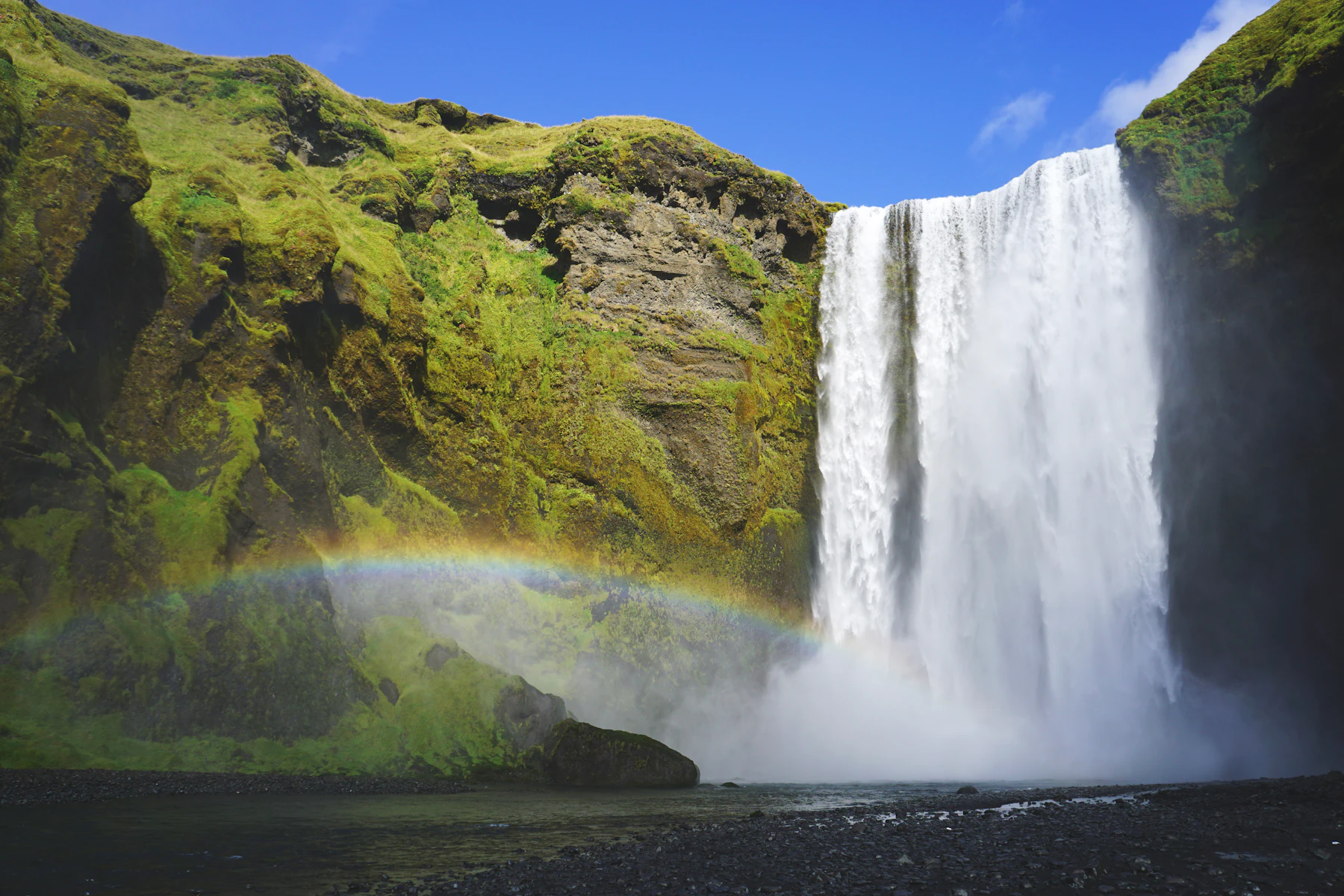
- Reynisfjara photo: With Paul/Unsplash, used under Unsplash License and converted to WebP.