
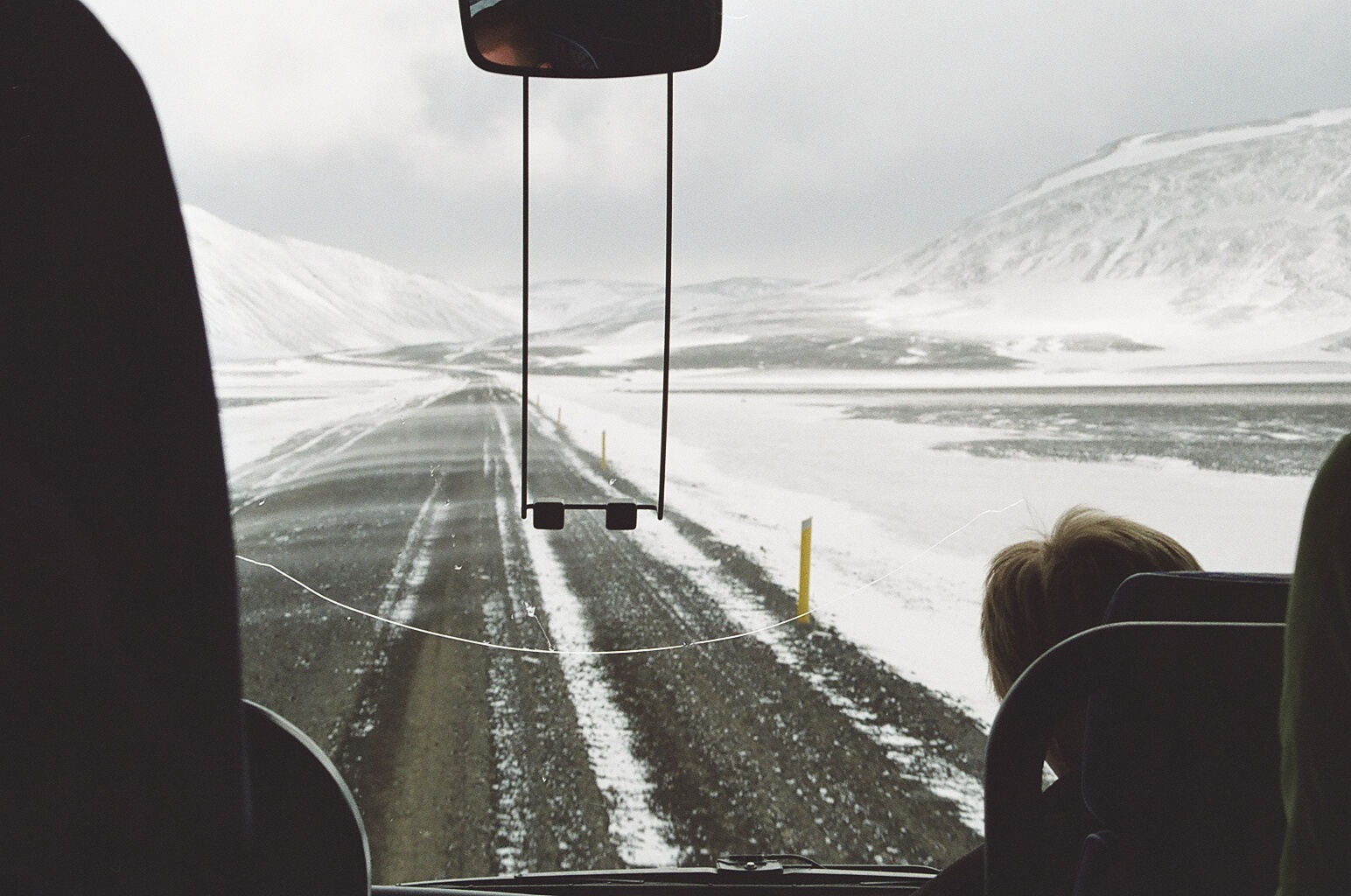
Before a photo stop, decide which side can open
Read the wind before you park. Put the side facing the gusts where the car body can support the door, then hold each door firmly and open only one at a time. If there is no legal pull-off that leaves the car clear of traffic and gives you a visible road edge, keep driving; a roadside photograph is not worth improvising a stop. Wind speed, direction and road warnings help you judge the risk, but none replaces the physical door check or promises cover from a rental company.
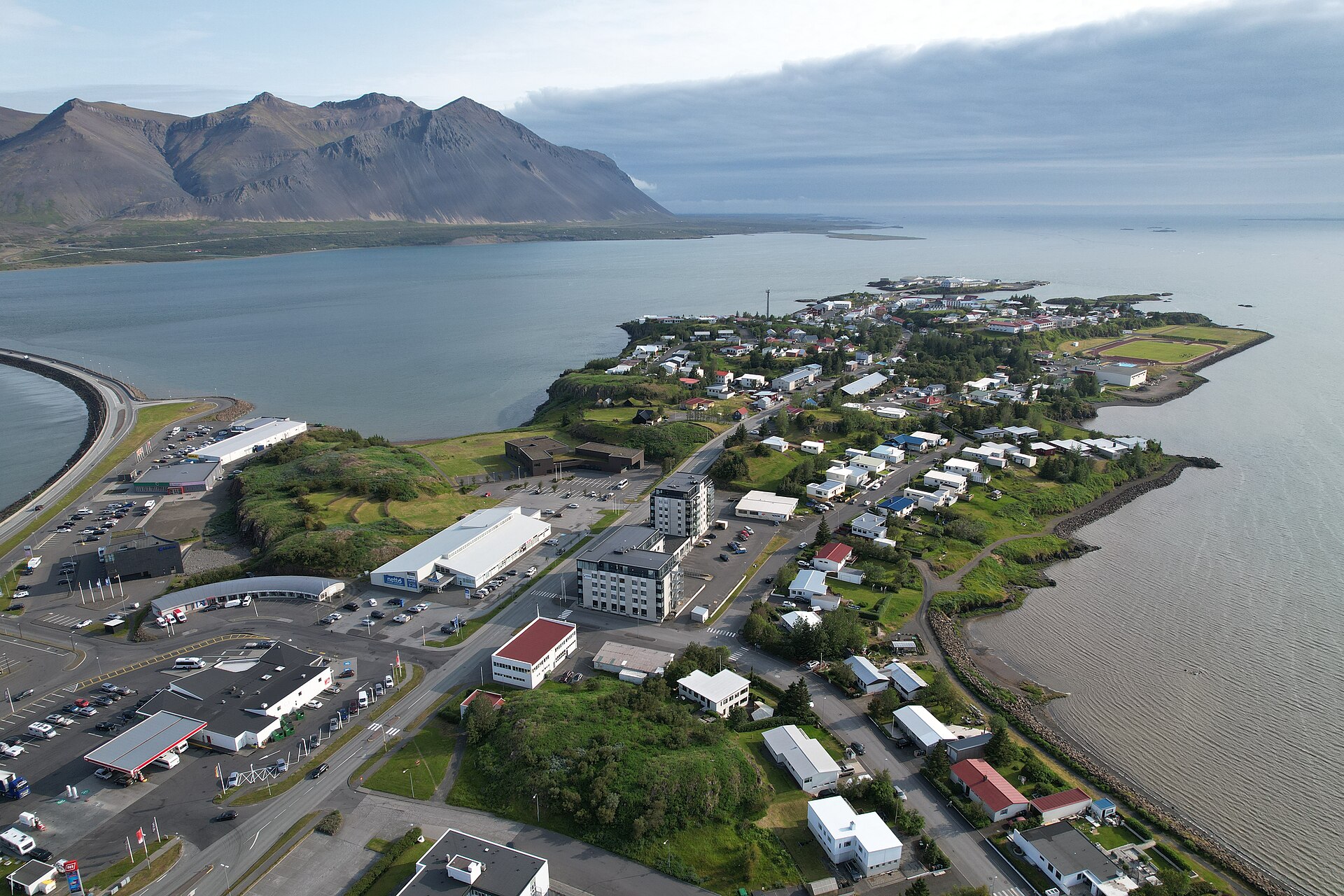
ICENAVI WIND FIT · STOPPING DECISION
Put wind direction, parking and door control on one decision card
This is a decision score for whether you can safely complete a stop on a windy day. It is not a safe-wind-speed threshold or an insurance rating. Actual risk depends on gusts, shifting wind, the vehicle, the road edge, visibility, traffic and the people travelling with you. Recheck live road and weather information before setting out, then use your ability to control the door as the point at which you stop.
The Icelandic Meteorological Office's wind direction and gust data can be checked against grass, trees or snow in front of you. Average wind speed alone cannot tell you whether a door will be pulled open.
Only enter the exit process when the car is completely clear of the traffic lane, visibility is good, parking is legal and there is room beside the doors. A roadside edge is not made acceptable by saying you will stop for only one minute.
A door facing the wind, a firm grip, one door at a time and help for the people who need it most reduce sudden movements. This is a whole-car process, not a reminder for the driver alone.
SafeTravel, Umferdin and weather information can help you decide whether to continue, shorten the day or stop. A normal road report does not mean every viewpoint is safe for parking.
Published terms may list wind damage, door damage and exclusions, but cover cannot replace legal parking, physical control or the final contract with the supplier.
Continue only when you have a legal, safe parking position, can read the wind and can follow the door sequence as a group. If one of these is missing, shortening the stop or staying in the car is usually the better choice.
The scores do not tell you to wait until the wind reaches some magical number. A crosswind decision is constrained by what is happening at the vehicle: is the wind pushing the door towards the bodywork, can the car clear the traffic lane, and can everyone exit one door at a time? If any part of the situation becomes “I don't know”, do not try to compensate with insurance or money already spent.
| What you notice | How the risk changes | Immediate response | Do not use as an excuse |
|---|---|---|---|
| Forecast gusts are rising and the direction matches the coastal section | The force on the door and the side of the vehicle may increase suddenly | Find an official parking area; if you cannot, do not stop for a photograph | “The average wind speed is still fine” |
| The car can continue, but the road edge is narrow and a bend or bridge blocks the view | People and doors may come close to the traffic lane, while other vehicles have little room to avoid you | Continue to a place where the car can fully clear the lane, or return to your base | “It will only take a minute” |
| The parking place is legal, but the door most people use is being pushed outwards | The door, hinges, paintwork and anyone standing beside it are exposed | Adjust the vehicle and the exit order; stay inside if you cannot control the door | “We bought full cover” |
| Someone travelling with you is a young child, an older adult or is carrying bulky luggage | More doors, longer stops and more people moving around each other increase the chance of interference | One adult controls the first door while everyone else waits inside | “Everyone getting out together will be faster” |
Crosswinds rarely announce themselves dramatically. Music is still playing in the car, the clouds over the ridge are not especially dark and the navigation says “12 minutes ahead”. Then, at a coastal viewpoint, you open the door and the panel suddenly behaves like a sail; your wrist is pulled, and everyone realises that the wind is more than “a bit strong”. At that moment, the useful questions are not about pulling out a phone to measure the wind. They are who gets out first, which door can open and whether the car is actually parked correctly.
I break the decision into two questions: can the car still move safely, and can people leave the car safely? The first depends on current road information, visibility and how the vehicle responds. The second depends on wind direction, the road edge, door clearance and the people travelling with you. One answer cannot replace the other. Insurance may deal with part of the financial consequence; it cannot pull a door back after a gust catches it.
Wind-speed figures are only the starting point; the real question is how the door will move
Average wind speed, gusts and wind direction answer different questions in a forecast. Do not send your companions a screenshot of one large number without asking where you will stop and who will open the door. This is the version I would keep on my phone before leaving: it separates information from action so that a weather page is not mistaken for permission to park.
| Information you see | What it can answer | What it cannot answer | Next action |
|---|---|---|---|
| Icelandic Meteorological Office wind direction and gusts | Which direction the wind is coming from and whether the forecast is strengthening | Whether your chosen parking place has enough room to open the doors | Match the wind direction to the doors; do not look only at average wind speed |
| SafeTravel driving advice | Basic principles for safe parking, fatigue and stopping for photographs | Whether a particular viewpoint will definitely have a space today | Find a place that is genuinely clear of the lane and offers good visibility |
| Umferdin road conditions | Closures, surface conditions and the status of the latest updates | Whether a gust will pull open the car door | Decide whether to continue, shorten the day or return to a more sheltered base |
| Rental terms | How wind damage, door damage, paintwork and the excess are treated | Whether it is worth getting out now | Save the supplier's support number and accident-reporting method |
If the Meteorological Office shows the wind turning from southwest to west while you are preparing to stop on an exposed coast, that change is more useful than simply knowing that it is windy. It tells you that the viewpoint's exposed side may change within minutes. Road information is a separate line of evidence: even when the road is reported as normal, there may be no place where everyone can safely get out. That is why the South Coast sand-and-ash warning guide separates road conditions, warnings and the point at which you stop; this page deals with the next second after you pull over.
Open up the South Coast: the same Route 1 does not expose every parking place equally
East of Vík, the South Coast alternates between coastline, lava plains, bridges and low-shelter terrain. The map is not here to declare that one place is always dangerous. It helps you decide before leaving where you will go if the first viewpoint offers no controllable door, and where the next sheltered or official parking area might be. The points are geographic references; check wind conditions and parking availability again on the day.
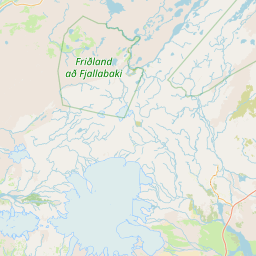
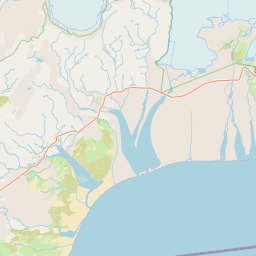
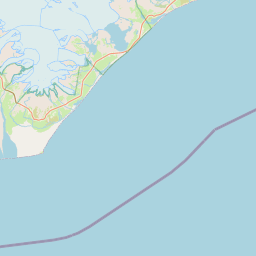
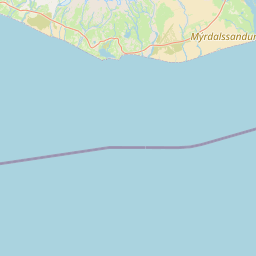
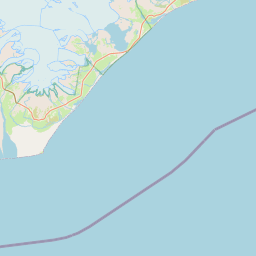
Suppose a gust pins the door at Dyrhólaey. The sensible fallback is not to search the next roadside edge for an even prettier view. Return first to a place with an official parking arrangement where everyone can remain in the car while you reassess. If Skaftafell is the next destination, treat the drive across the low-shelter plain as another decision point. Reaching the South Coast does not create an obligation to continue east.
The five-step parking method: do not unbuckle before the wheels are settled
| Step | What to do in the car | What must be true before continuing | Do not do this yet |
|---|---|---|---|
| 1. Check the exit | Look for an official parking place, a visible road edge and an exit route that does not send people into the traffic lane | The car can leave the lane completely and visibility is clear in both directions | Brake beside Route 1 as soon as you see a view |
| 2. Read the wind | Check the Meteorological Office forecast, then compare it with grass, flags or snow beside the road | You know which door will be pushed towards the vehicle | Guess the local wind at the parking place from a phone forecast alone |
| 3. Position the vehicle | Without breaking parking rules, place the side used for exiting so the wind direction gives the door support | The open door is supported by the bodywork rather than being pulled away | Angle the car, cross the line or occupy passing space for a photograph |
| 4. Open one door at a time | The person controlling the doors gets out first, holds the door firmly and lets the next person open another | Doors, luggage and people are not obstructing one another | Have four people push open four doors together |
| 5. Close the doors before taking photographs | Close every door and make sure nobody is standing beside the road before reaching for the camera | The driver still has a clear view of traffic and everyone else is in a designated path or safe area | Hold a door with one hand and photograph with the other while standing beside its hinge |
These five steps are precise because incidents usually happen when everyone knows that Iceland is windy but assumes someone else will control the door. SafeTravel's driving test gives a direct answer: check the wind direction, place the door on the windward side, hold it firmly and open one door at a time. Make this a fixed routine for the whole car; it is more reliable than shouting “watch the wind” once you are outside. If you will also cross a single-lane bridge that day, add the guide to slowing before bridges and giving way to the departure checklist. Both decisions belong before anyone gets out.
A road edge is not a viewpoint: how I weigh three parking situations
| Parking situation | What appears attractive | The real cost | ICENAVI decision |
|---|---|---|---|
| Official viewpoint car park with an available space | People can stay clear of the traffic lane and there is more room around the doors | The vehicle may still be completely exposed to coastal wind, with no shelter | Set the exit order according to the wind; parking correctly does not mean opening the doors immediately |
| A wide area beside the road without parking signs | It is close to the photograph and avoids a walk | Other vehicles must avoid you, and someone opening a door may end up in the traffic lane | Skip it unless legality and visibility are clear |
| A narrow road edge before or after a bridge | You can pause briefly and seem to affect traffic for only a few seconds | Crosswind and passing traffic leave no margin for any door movement | Do not get out; treat the next safe stopping place as the destination |
| Visibility is worsening and you can already feel sideways force in the car | You want to stop at the nearest possible place | The nearest place may not be safe, and rushing reduces your options | Slow down, hold your lane and find a place fully clear of traffic |
If you are travelling with a young child, an older adult or bulky luggage, door clearance is really time. Keep the person who needs the most help inside first, then let one adult assess the wind and the ground before dealing with everyone else. A suitcase will not object to being unloaded five minutes later; a car door caught by wind may.
ICENAVI · The final crosswind vote
If you cannot see a controllable way for people to get out, leave the viewpoint outside the window.
“Park but stay inside” is not an incomplete version of the plan. It is a complete option. Recheck the wind, road information and the next base from the car; change a coastal viewpoint to a short stop in Vík, or leave a long South Coast drive to a day experience with a fixed meeting arrangement and a driver. The mistake is translating “there is no safe place to park” into “we will only take one photograph”.
You can buy insurance; you still have to control the door
Rental terms are a second-layer decision, not a substitute for the first-layer parking action. Blue Car Rental's public Liability Waiver page gives a wind-blown car door as an example of covered damage and says the package includes other insurance items and can reduce the liability to 0 ISK. The same page states that deliberate, reckless or unlawful driving and excluded situations are not covered. This is a public example from Blue Car, not a promise for every supplier, vehicle type or final rental agreement.
| What happens | Do this first | Terms to check before payment | Do not assume |
|---|---|---|---|
| The wind catches the hinge or edge of a door | Move to a safe position, record the time and surroundings, then contact the supplier | wind-blown door, door damage, negligence | “Full cover” means every action is covered |
| Sand or ash scratches the paint or glass | Leave the exposed area and record the location and road conditions | sand and ash, glass, paint, deductible | SAAP makes a closed or unsuitable road driveable |
| The tyres, undercarriage or vehicle are damaged while crossing water | Stop driving over the questionable surface and follow the accident-support process | tyres, undercarriage, water, road restriction | One coverage name includes every type of loss |
| You are unsure whether it is safe to get out | Stay in the vehicle, change the plan or find the next place with an official parking arrangement | road restrictions, support number, accident-reporting deadline | Money already spent means you must complete the risk |
For the full insurance boundaries, start with Iceland rental-car insurance: glass, tyres, undercarriage and sand-and-ash exclusions. That page deals with who may carry the financial cost; this one deals only with who controls the door. Read them together so that buying additional cover does not tempt you to skip checking the wind and parking position.
Should you continue, shorten the day or stop?
The most useful tool on a crosswind day is not a magical wind-speed threshold but three observable conditions: can the car remain stable, can you find a legal and safe parking place, and can everyone get out without competing for the doors? If one is missing, move towards shortening the day. If none are in place, stop. If you are trying to recover a late activity by pulling onto a road edge or driving at the signposted limit, read Iceland parking and speeding rules: limits, no-stopping zones and notification procedures; it breaks down the mistake behind “we will only stop for a minute”.
| Outcome | Conditions you can see | What to preserve | Next step |
|---|---|---|---|
| Continue | Road information is normal, visibility from the car is stable, an official parking place is controllable and everyone understands the door sequence | The next time to recheck conditions and the nearest fallback | Stop only where you have confirmed that the car can leave the traffic lane safely |
| Shorten the day | The car can move, but coastal parking is too exposed, or the driver or companions are already tired | Accommodation, dinner and fixed plans for tomorrow | Remove the most distant viewpoint and return early to accommodation in Vík or another confirmed base |
| Stop | A road warning advises against travel, the road edge is not visible, the door cannot be controlled or there is no legal, safe place to park | People, vehicle and flexibility to reschedule | Contact accommodation or rental support and, if needed, switch to a day tour or driver-led activity |
“Shorten the day” is often the hardest button to press because the accommodation, car and tickets have already been paid for. A crosswind does not become gentler because of sunk costs. If the fixed activity is east, ask the supplier first whether it can be moved. If you only wanted to see a stretch of coast, save it for another morning with steadier conditions. The ten-second gravel-road procedure deals with a changing surface; this page deals with whether you still have a safe place to stop.
Save these ten questions so you do not hold a meeting in the car park
- Does the latest wind direction and gust forecast match the coastal direction we plan to drive?
- Is the next stopping place an official car park, or only an empty road edge on the map?
- Can the car clear the traffic lane completely, with good visibility of vehicles approaching from both directions?
- Which side is the wind coming from, and which door will be best supported by the vehicle?
- Who controls the first door, and who stays inside to help children, older adults or luggage?
- Can we open one door at a time, with the area beside it clear of people and objects?
- If we cannot exit safely, is there an acceptable short stop or turnaround option from inside the car?
- Does the rental contract define wind damage, sand and ash, glass, tyres and undercarriage separately?
- Which support number should we call, and which location, time and road details should we photograph after an incident?
- If we remove the furthest viewpoint, do the next night's accommodation and tomorrow's fixed activity still work?
If you cannot answer one of the ten questions, I would keep the doors closed and stay inside. You do not need to wait for a gust to wrench a door at its hinges before accepting that stopping earlier was sensible. When leaving the car safely depends on luck, the photograph is worth less than keeping your options open.
Frequently asked questions: can I continue if the crosswind is strong but the car can still move?
Can I continue if the crosswind is strong but the car can still move?
Do not decide from “the car is still moving” alone. You also need an official safe parking place, controllable doors and adequate visibility. If any one of these is missing, shorten the day or stop.
Which door should I open first?
Read the wind direction and stop where the car can safely clear the traffic lane. Before opening a door, one person should control it and open only one at a time; everyone else should remain inside or away from the door edge.
Which stop should I remove first on a windy day?
Remove the furthest, most exposed viewpoint without an official parking arrangement first. Keep accommodation, dinner and fixed activities that cannot easily be moved.
Related reading
Separate the wind, road and cover
South Coast sand-and-ash risk: warnings, road sections and when to stopHow to read Iceland's road-condition websitesThe boundaries between glass, tyres and undercarriage in rental-car insuranceMore reading
Fit today's route around sleep
One or two nights in Vík?How to divide a two-day, one-night South Coast tripSelf-drive or a day tour: who handles the long-distance wind risk?References
References
Wind, roads, parking arrangements and rental terms can change. The following sources were checked on 5 September 2026; before departure, use the current official pages, on-site signs and the rental agreement you actually sign.
- SafeTravel Iceland | How to Drive in Iceland: official driving principles, including guidance on safe parking, photographs and fatigue.
- SafeTravel Iceland | Summer driver's test for car: the crosswind parking question asks drivers to check the wind direction, place the door on the windward side, hold it firmly and open one door at a time.
- Icelandic Meteorological Office: the official starting point for wind direction, gusts and current warnings; a forecast cannot replace the parking decision at the vehicle.
- Icelandic Road and Coastal Administration | Umferdin: road conditions and updates; these do not guarantee parking or door clearance at any viewpoint.
- Blue Car Rental | Liability Waiver: this supplier publicly gives wind-blown door damage as an example, states a 0 ISK liability option and lists exclusions; it cannot be applied to another supplier or an unchecked contract.
- Hero image: Reykholt / Wikimedia Commons, CC BY-SA 3.0. The photograph shows the visual scale of snow, marker posts and open road; it does not represent current crosswinds, roads or vehicle response.
- OpenStreetMap: map base and attribution. The markers help explain the relative South Coast positions; they are not a guarantee of navigation, wind speed, parking or road access.

This is an L1 self-drive decision entry and does not include a rental CTA. Without knowing the supplier, vehicle, dates and contract, telling readers to buy cover would blur the most important decision: park safely first.