
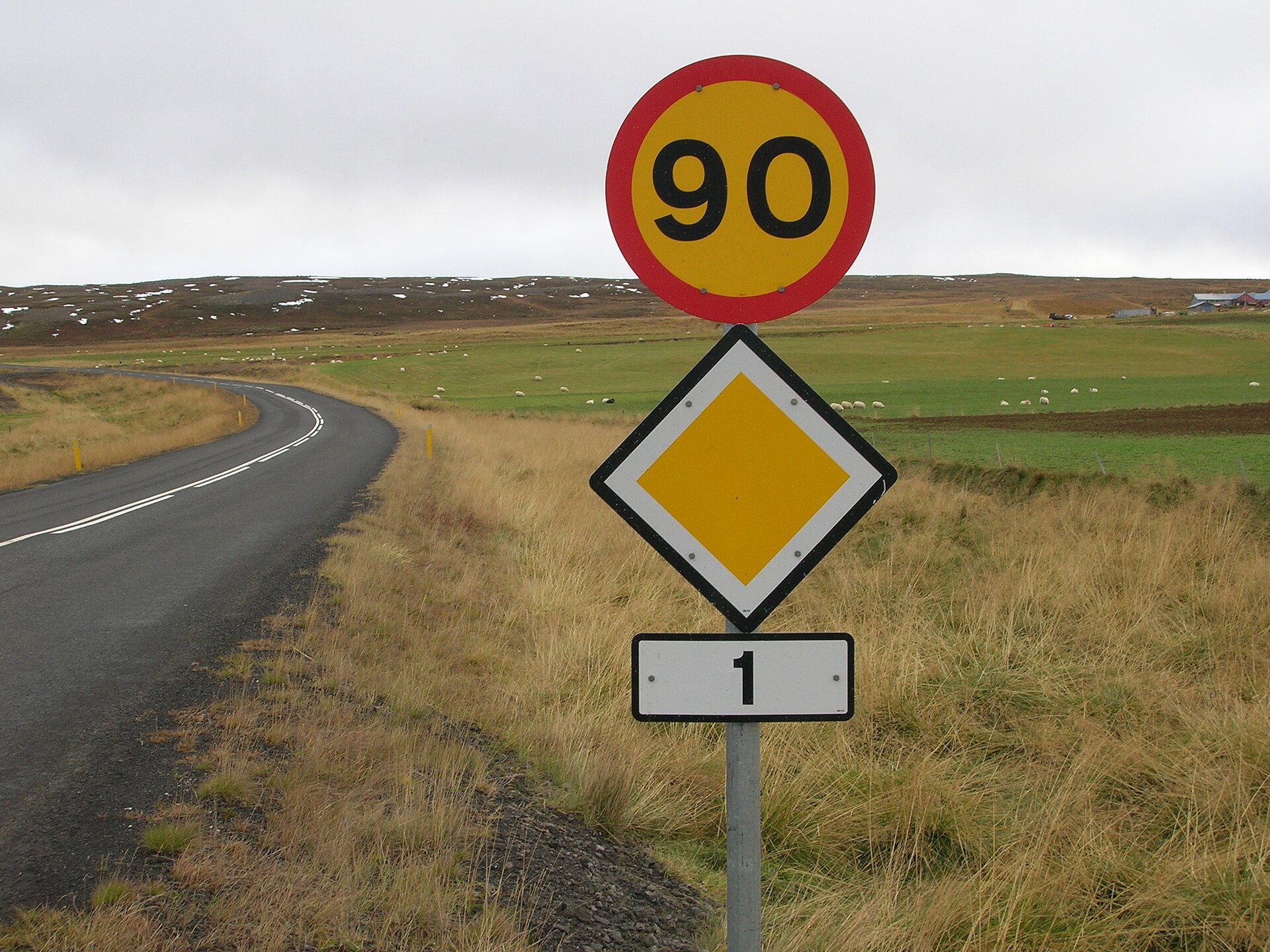
Let the sign and the parking rules decide, not the ETA
Common Icelandic limits are 30–50 km/h in built-up areas, 80 km/h on gravel and 90 km/h on paved roads; the sign ahead and the day’s conditions take priority over any general figure. A camera notice goes first to the registered owner, so a rental driver may receive it from the rental company after returning home, with an administration fee attached. Illegal parking can mean a fine or a tow. Treat junctions, the 5 metres before and after a zebra crossing, bridges and tunnels, pavements, residents’ entrances and the marked 15 metres around a bus stop as no-stopping areas, even for a quick photo.
ICENAVI DRIVE FIT · FINES & PARKING
How manageable are speeding, parking and notice-handling risks on an Iceland self-drive?
These are editorial judgements for managing self-drive risk, not legal rulings. Recheck signs, parking controls, cameras, fines, rental-contract fees and payment deadlines against the notice and your departure date.
Read built-up, paved, gravel and temporary signs again; 90 km/h is a common limit, not a target in snow, rain, bends or a fully loaded car.
Snow, crosswinds, glare, standing water and a late activity booking are all reasons to ease off; do not use acceleration to recover lost minutes.
Check a marked P space, the direction of traffic, distances from junctions, crossings and bus stops, and any dedicated hours; a viewpoint shoulder is not a short-stop exemption.
Keep the registration, date, place, notice number, driver list and rental contract so you can separate a police fine, driver transfer and administration charge.
Check the case first, then follow the 30-day payment discount or objection process; comprehensive rental insurance does not cancel a road offence.
Treat legal parking and the posted ceiling as pre-departure basics, then follow the notice process if one arrives; that is steadier than trying to win back a few minutes.
The most ordinary scene is the risky one: someone spots the sea and says, “We should be able to stop here.” The driver moves onto the shoulder, everyone gets out for a photograph, and the group returns to find that the space was for oncoming vehicles to pass, not for parking. On Route 1, a dry road and a distant car can let 90 become 98. No police car in sight does not mean no record: a camera can capture the vehicle and send the notice to the registered owner.
This is not legal advice and it cannot predict whether a particular road will have a police patrol today. It turns the rules into a sequence you can use before driving and before stopping: read the posted ceiling, then slow for conditions; find a legal space before letting people out; when a notice arrives, confirm the driver and case before paying or objecting. If you are still planning the route, see Three ways to pay for attraction parking in Iceland; that page covers authorised parking or area fees, while this one covers places where you should not stop. If you are pushing fuel to the next place that “should” have a station, Self-service fuelling and pre-authorisation at Iceland petrol stations separates that assumption from a plan.
A speed sign states the legal ceiling but cannot tell you whether wind, snow or roadworks are affecting the next stretch. Before leaving, connect this decision with How Iceland driving navigation and live road conditions share the job: check the road, then decide whether to reroute rather than use the accelerator to recover time.
Four speed figures that do not answer the same question
Common limits are useful as a starting point, but the driver still adjusts for road, weather, light, vehicle condition and traffic. In practical terms, 90 is a legal maximum, not a speed every rental car should hold through rain, a bend or a full load. A photograph of a 90 sign cannot be copied into permission to drive at that speed today.
| Road or setting | Common legal ceiling | Read again | Do not assume |
|---|---|---|---|
| Built-up area | 30–50 km/h | Street signs, pedestrians, junctions and markings | Every town street is fixed at 50 |
| Paved road outside town | 90 km/h | Changed signs, bends, crosswinds, visibility and traffic | 90 remains right in snow or rain |
| Gravel road | 80 km/h | Gravel depth, following distance, passing, grip and rental terms | Every gravel road is safe at 80 |
| Designated low-speed or attraction area | Follow the sign; it may be lower | Parking areas, pedestrians, trail exits, works and temporary restrictions | Leaving the main road removes speed rules |
The problem with a speed camera is that it does not debate the decision as you press the accelerator. The traffic fine calculator uses measured speed, the margin, the limit, and whether the vehicle exceeds 3,500 kg or is towing. That is why the familiar claim that “ten kilometres over always means one fixed amount” is unreliable. Bookmark the calculator before departure rather than packing an old price-list screenshot into the itinerary.
When the posted ceiling should make you ease off
Road rules require speed to match the road and traffic in front of you. Icelandic surfaces can change from dry to slippery quickly, and the light may hide livestock, a single-lane bridge or a vehicle stopped on the shoulder beyond a bend. You do not need a new number for every weather pattern. When the view changes, treat the sign as a ceiling rather than a goal.
| What you see | Immediate action | Check again | Reasonable next step |
|---|---|---|---|
| Snow, glare or standing water | Ease off early, increase distance and do not chase the car ahead | Road authority conditions, visibility and tyres | Shorten the farthest stop or check in earlier |
| Bend, crest, bridge approach or oncoming traffic | Drive to the distance you can see; go below the sign if needed | Signs, give-way controls and bridge width | Count observation time as part of the drive |
| A companion hurrying you or an activity time approaching | Do not speed to recover time; contact the provider or change the next stop | Activity terms, meeting point and late-arrival policy | Keep people and car safe instead of trading a fine for minutes |
| Camera warning or a 90 sign | Ease off smoothly; avoid harsh braking that creates a rear-end risk | Current limit, vehicle weight and towing details | Record the road and time only after reaching a safe place |
If you leave Reykjavík for the Golden Circle or South Coast, the real time budget is more than Route 1's kilometres. Parking, putting on a coat, walking to a waterfall, finding a toilet and waiting for companions can all make the return journey feel late. The real time budget for a day's driving puts those non-driving minutes back into the itinerary; when you do not need speed to retrieve them, one source of risk disappears.
Illegal parking is not “allowed because there is no yellow line”
The basic Iceland parking rule is straightforward: use a marked car park, or park in the same direction as traffic along a street, unless signs or markings prohibit it. Incorrect parking can mean a fine or towing. A gravel patch, shoulder or bridge beside an attraction does not automatically become a short-stop exemption, especially if the vehicle blocks sightlines, makes others cross the traffic lane or obstructs an entrance.
| Location | No-parking baseline | Common misreading | ICENAVI action |
|---|---|---|---|
| Near a junction or turn | No parking within 5 metres of a junction or nearest corner | A little space behind the car is enough | Keep looking for a marked space; do not estimate from the car body |
| Before or after a zebra crossing | No parking at the crossing or within its 5 metres | Stopping for one minute to let someone out | Reach a legal place before passengers leave the car |
| Bridge, tunnel or pavement | No stopping unless specifically arranged | No other car means a quick photo stop is fine | Stay in the car, do not turn around, and drive to an official space |
| Residents' entrance or bus stop | Do not block an entrance; no parking within 15 metres of a bus-stop sign | No one is using it at night, so it does not matter | Keep “empty” and “legal” as separate judgements |
| Paid, accessible or charging space | Use it according to the sign, hours and eligibility | Payment permits any bay | Read the full sign and hours before paying |
The sign at a car-park entrance is usually stronger evidence than a map review. An old photograph showing roadside cars does not establish that the place is legal today; temporary controls and changes for works, events or winter clearance can alter the available area. Save the attraction parking payment page with this no-parking table: one answers how to pay, the other whether you should stop.
Open the route: speed and parking change roles during one drive
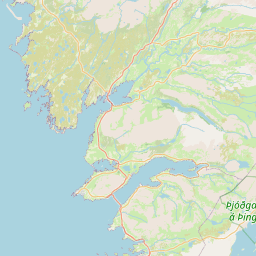
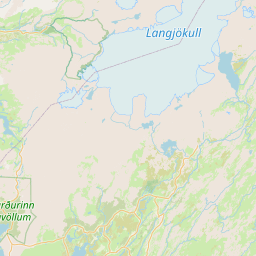
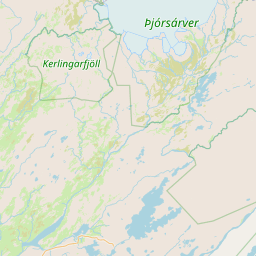
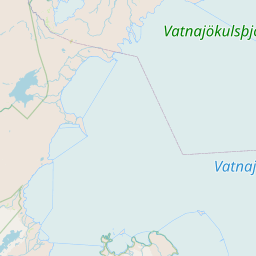
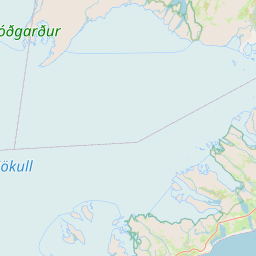
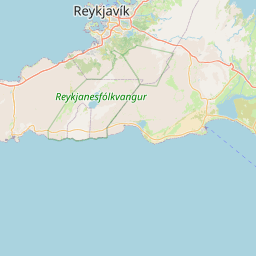
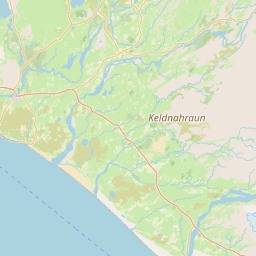
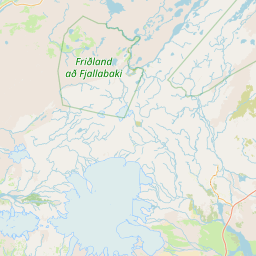
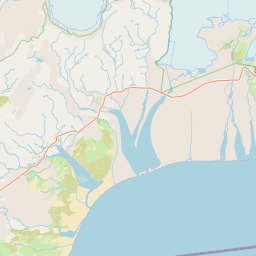
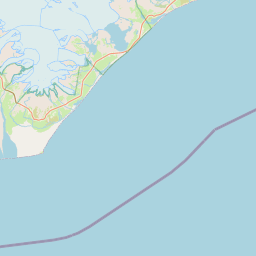
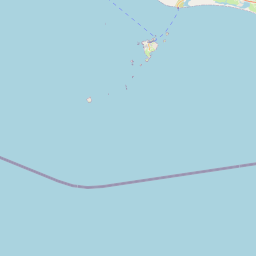
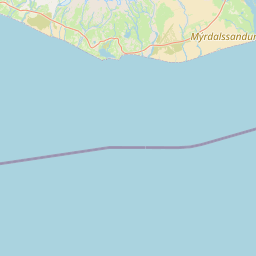
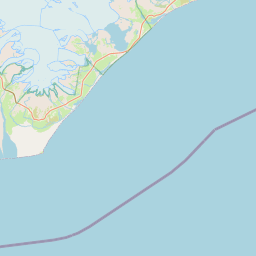
The map below uses a real OpenStreetMap base to show the relative positions of Reykjavík, Þingvellir, Selfoss, Vík and Jökulsárlón. It does not draw a recommended route or mark today's spaces at every attraction. It shows how built-up low speeds, the main-road ceiling and attraction parking rules can switch repeatedly during a South Coast journey. Understand the geography first so you do not carry city driving habits beyond town or treat a main-road shoulder as an attraction car park.

A fine notice has arrived: confirm the case before paying again
A traffic notice may appear in an Ísland.is inbox or arrive by post, while the payment request may be sent to online banking. Paying within 30 days gives a 25% discount. If you were not driving when the offence occurred, do not treat the notice as automatically yours: the process requires you to contact the police district that issued it and provide the correct driver's details before responsibility can be transferred. This matters to rental travellers because the registered owner and actual driver may be different people.
| What you receive | First action | Keep these records | Do not do this |
|---|---|---|---|
| A rental company forwards a camera notice | Check the plate, offence date, place and notice number | Rental contract, driver list and itinerary location | Pay again immediately after looking only at the amount |
| You were not driving that day | Notify the correct driver through the police process | Name, contact details, case number and plate | Assume the transfer happens automatically |
| You believe the notice is wrong | Submit a written objection promptly to the issuing police district | Date, place, photograph, documents and detailed reasons | Wait until the deadline has passed before gathering evidence |
| You decide to pay | Check the 30-day discount and method, including any rental administration fee | Payment receipt and rental-company statement | Treat the rental administration fee as the police fine |
A rental company's administration fee is not part of the police's fixed fine; it depends on the contract and supplier's handling. When comparing insurance, vehicle types or platforms, list this possible document-processing cost separately. “I bought full cover” does not mean illegal parking or speeding is waived. For the contract boundary, see Iceland rental-car insurance and exclusions; that page covers cover and exclusions, while this one asks whether the road or parking rule was broken first.
ICENAVI risk score: turn “just one minute” into five checks
The score is a pre-departure self-check, not a legal ruling. If any category falls below 4, treat it as a signal not to hurry out of the car or chase speed. Its purpose is to expose a time shortage early, not to justify an offence.
| Dimension | Baseline score | What lowers it | Immediate correction |
|---|---|---|---|
| Reading speed limits | 9/10 | Remembering 90 but forgetting built-up, gravel or temporary signs | Look for a new sign whenever the road or town changes |
| Fitting conditions | 7/10 | Chasing the limit through snow, bends, crosswinds and a full load | Ease off, increase distance and shorten the farthest stop |
| Parking legality | 8/10 | No P sign, blocked sightline, junction or bridge nearby | Continue to an official space before passengers leave |
| Document traceability | 6/10 | Not knowing the driver, notice number or plate | Keep the contract, driver list and payment or notice screenshots |
| Time pressure | 5/10 | A booking deadline, companion pressure or a late return | Notify the provider or remove a stop; do not accelerate to catch up |
If you choose to continue while your score is low, make the decision explicit: stay in the car, move to the next legal space, or drop an attraction. Acknowledging that today's capacity is smaller protects the next reader more than leaving a review that says a map promised a space when it did not.
Before departure: five questions for the driver and five for the passenger
Share the list with the group. The passenger reads signs and keeps records; the driver focuses on bringing the car safely to a place where it can stop. Do not study a payment page together while the vehicle is still on the main road.
- Is the road currently in a built-up area, on pavement, on gravel or inside an attraction?
- What was the last speed sign, and has a new one appeared since?
- Do weather, visibility, crosswind or surface conditions require less than the posted ceiling?
- Is a camera, bend, bridge, animal or pedestrian ahead a reason to ease off now?
- If the activity is running late, can the provider be contacted instead of using speed to recover time?
- Are all four wheels clear of the traffic lane and in a marked or clearly legal space?
- Are we far enough from a junction, crossing, residents' entrance and bus stop?
- Are we on a bridge, in a tunnel, on a pavement or on a shoulder that blocks visibility?
- Have we saved the rental plate, driver list, contract and notice number?
- If there is no legal space today, where is the next base or alternative attraction?
For weather and roads, see How to read Iceland's road-conditions site. If the question has shifted from “Can we self-drive safely?” to “Should we use a driver-led activity today?”, return to Self-drive or a day tour? A fine notice can be handled; the visibility and pedestrian risk created by an illegally parked car cannot be repaired with a refund.
Common questions: Are all Iceland roads limited to 90 km/h?
Are all Iceland roads limited to 90 km/h?
No. 90 km/h is a common maximum on paved roads. Built-up areas, gravel roads, temporary signs, weather and road conditions may require less; follow the sign and conditions at the scene.
What happens after a rental company receives an offence notice?
A police fine, transfer to the actual driver and the rental company's administration fee are separate matters. Keep the notice number, date, plate and driver list, then follow the notice process.
Does stopping for one minute to collect someone count as illegal parking?
A short stop is not automatically exempt. If the place blocks visibility, is near a junction or bus stop, or is on a bridge, in a tunnel or on a pavement, continue to a legal space.
Related reading
Road rules, notices and parking decisions
Three ways to pay for attraction parking in IcelandHow to read Iceland's road-conditions siteThe real time budget for a day's drivingMore reading
Rental terms and route alternatives
Iceland rental-car insurance and exclusionsSelf-service fuelling and pre-authorisationSelf-drive or a day tour?References
References
Traffic, parking and rental-company procedures can change. The following sources were checked on 5 September 2026; before departure, follow the sign at the location, the official notice and your rental contract.
- Ísland.is · Speed limits for vehicles: common limits of 30–50 in built-up areas, 80 on gravel and 90 on paved roads, with adjustments for signs, weather and traffic, plus camera, fine, points and licence boundaries.
- Ísland.is / Icelandic Police · Parking vehicles: the parking baseline, possible fines or towing, and the 5-metre, 15-metre, bridge, tunnel and pavement restrictions.
- Ísland.is · Traffic fine calculator: calculation by measured speed, margin, limit, vehicle weight or towing and offence type; a fixed online amount is not a substitute.
- Ísland.is / Icelandic Police · Paying a traffic fine: Ísland.is or postal notices, the payment request, the 30-day 25% discount and objection route.
- Ísland.is / Icelandic Police · Notify the correct driver: the information and process for transferring responsibility when the registered rental owner and actual driver differ.
- Hero image: CC · Wikimedia Commons, Public domain; it shows the Route 1 and 90-kilometre-sign setting, not a current limit, camera location, road condition or speed recommendation.
- OpenStreetMap: base map and attribution for the speed and parking context map; five positions show geographic scale, not today's navigation, signs, spaces or enforcement notice.

This is an L1 self-drive decision entry and contains no rental or activity CTA. Clarify speed, parking legality and notice handling here; downstream route, hotel and activity pages handle transactions.