
SELF-DRIVE DECISION · INSURANCE
The package name is rarely the useful part of an insurance quote. The supplier, vehicle class and exclusions decide whether broken glass, gravel, sand, tyres or a tow can still become your bill. Work out the possible out-of-pocket amount beside your route and travel month before comparing the daily add-on price.
ICENAVI DRIVE FIT · INSURANCE
Read the Exclusions Before You Buy an Add-On
This editorial score weighs excess clarity, exclusions, route and season fit, roadside assistance and pickup records. Actual cover, deposits and claim procedures must be checked against the rental company’s terms for your booking.
Determine the maximum out-of-pocket cost after a qualifying incident to see if SCDW truly changes your risk.
Read glass, gravel, sand, tyres, undercarriage, fording and misuse exclusions separately; names do not replace terms.
The South Coast, Reykjanes, gravel roads and winter winds pose different risks; the route dictates the insurance questions.
Remote locations, tow distances, upfront payment requirements and response times affect your actual wait and budget.
Keep video of the car's condition, gear, authorized drivers, fuel type and support numbers for a verifiable record on return day.
Start with the liability limits, then match them to your route, season and pickup records. An expensive package is not useful if its exclusions still leave your main risk uncovered.
What the main insurance terms actually answer
Rental pages often place CDW, SCDW, TP, GP and SAAP beside one another, making the highest tier look like an escape from every risk. CDW is usually a collision-damage waiver, not a promise that every part of the car is covered. SCDW may reduce the excess, but the amount, vehicle eligibility and exclusions vary. Start with one practical question: in a qualifying incident, what is the most I could still pay?
Next ask what the contract excludes entirely. Unauthorised drivers, alcohol or drug use, traffic violations, prohibited roads, fording, undercarriage damage, lost keys, misfuelling and towing can affect different parts of the cover. Download or screenshot the terms before pickup and keep them with the confirmation number somewhere you can reach offline.
| Common Item | What It Covers | What You Cannot Assume |
|---|---|---|
| CDW/SCDW | Excess after a collision | Whether it covers all bodywork, glass, undercarriage and tyres |
| Gravel/Glass Cover | Windscreen or paint damage from gravel | Whether every type of glass, light and roof is included |
| Sand/Dust Cover | Scratches from wind-blown sand | Whether wind damage, doors and parking damage are also covered |
| Roadside Assistance | Breakdowns, flat tyres or inability to continue | Charges for misuse, remote areas or towing distances |
| Tyres/Undercarriage | Damage from rough road surfaces | Whether they are listed as exclusions under any collision cover |
The map shows risk scenarios, not a guarantee of cover

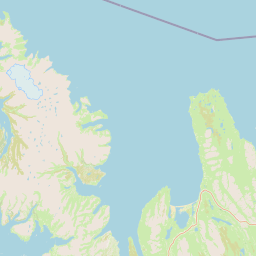
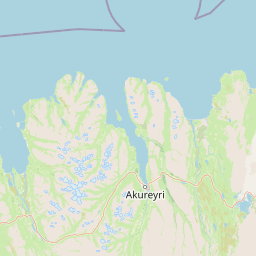
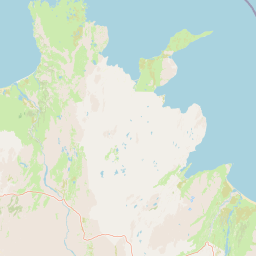
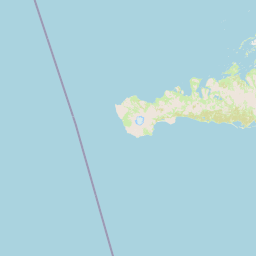
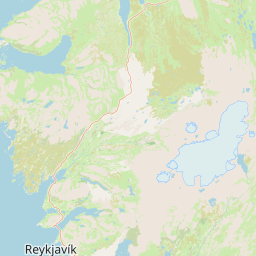
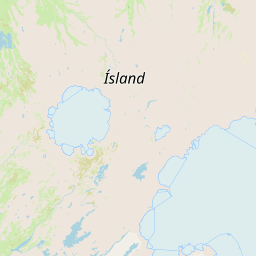
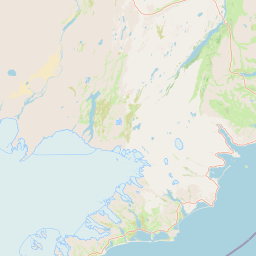
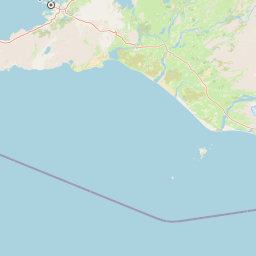
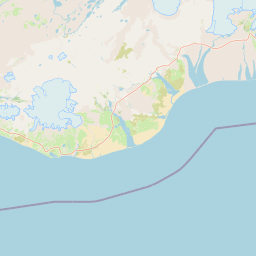
Match the insurance questions to the route you will drive
A Reykjavík, Golden Circle and paved South Coast trip raises different questions from a Highland route, unpaved detour or winter drive in the North. Decide where you are going, when you travel and how long you will drive each day before comparing cover. If a map shortcut makes you consider a Highland vehicle, first check how an F-road changes the rental contract and vehicle requirement. A larger car or impressive add-on does not make a route safer when the route does not require it; insurance cannot make an unsuitable vehicle suitable.
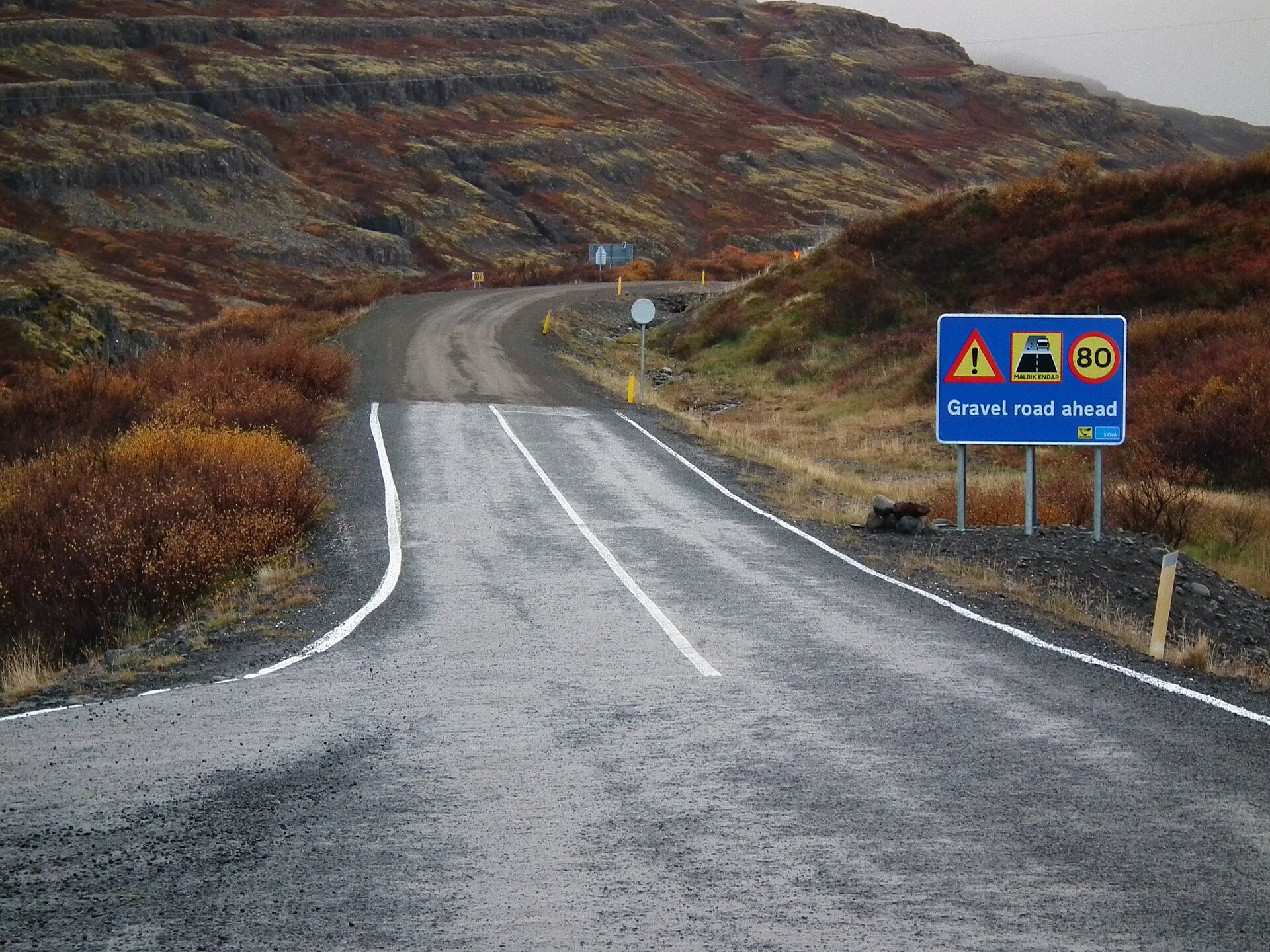
The South Coast and Reykjanes are exposed to high winds, rain and sand; on gravel sections, pay close attention to following distance, oncoming traffic and where you park. If you want to know whether to shorten your route when South Coast warnings appear, see how to assess sand risk before departure. If you are unsure how to slow down and maintain distance before entering a gravel section, read practical gravel-road driving and the limits of insurance cover first, then return to the insurance terms. When the car has stopped and a passenger is about to open the door, follow the crosswind procedures for opening doors and parking. Coverage is a financial buffer, not permission to drive. Slow down, keep your distance, open doors only when it is safe and adjust your route in response to road and weather warnings. If official road information shows a closure or unsuitable conditions, having insurance is no reason to continue.
Spend ten minutes at pickup to avoid a return-day dispute
At pickup, use your own phone to record the bodywork, windscreen, tyres, rims, roof, visible undercarriage and fuel level. Include scratches, cracks, dents and lights, and ask staff to add anything missing from the handover record. Check the spare tyre or repair kit, warning equipment, wipers, lights, charging ports, fuel type and emergency contacts. If it is dark, use a torch and take another set of photos in daylight.
Confirm the authorised drivers, second-driver registration, any regional or ferry restrictions and when the company must be notified. Do not leave a companion unregistered because they will drive “only a little”; an accident or traffic violation can affect the whole contract. If a term is unclear, ask for it in writing before signing. That is much easier than discovering a higher excess after returning the car.
Sand, gravel and wind look similar; the claim terms are not
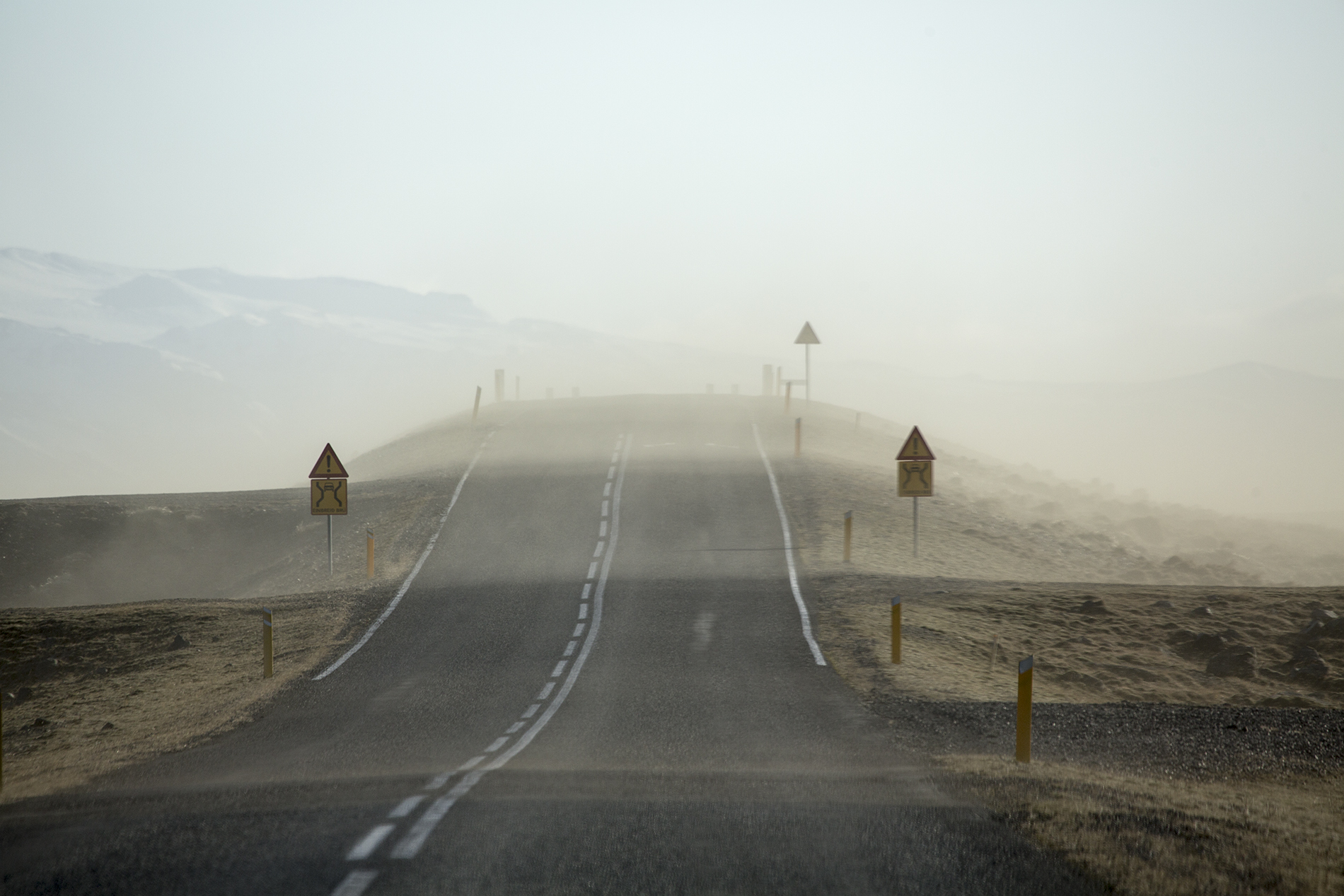
Gravel damage is linked to the surface, construction areas and following distance, often affecting the windscreen, front end or paint. Sand damage is more associated with exposed areas, dry ground and high winds, and can scratch bodywork or glass. Wind can damage a door after you park as well as while you drive. All three risks can occur on one trip, while a single add-on may cover only one of them.
Brief descriptions on booking pages are not enough for a proper comparison. Find the full terms linked to the product name and note the excess, geographic limits, whether cover is restricted to the bodywork, whether glass is included, whether tyres and the undercarriage are excluded, and what evidence a claim requires. If rental-company and third-party cover appear together, pay particular attention to the claim procedure: who charges you first, whether you must pay before claiming reimbursement, and which documents and deadlines apply. Avoid duplicate cover, and never assume that policies from different providers will automatically fill one another's gaps. Keep enough available credit for the insurance excess, rental deposit and temporary pre-authorisation at petrol stations instead of treating them as a single charge. If you are still unsure about physical-card PINs and available credit before departure, Iceland payment and card preparation explains an issue that often emerges only on pickup day. To add questions about when the deposit is held, whether the excess applies per incident or per event, and how quickly damage must be reported to the same pre-payment checklist, see how to read an Iceland rental contract. It separates supplier examples from liability limits that cannot be generalised.
For roadside assistance, read the towing terms before the price
Flat tyres, dead batteries, unsuitable roads, empty tanks and lost keys are handled differently from a normal collision. Your wait and cost depend on whether assistance is included, whether remote locations add fees, where the vehicle will be towed and whether you pay first. Save the emergency and policy numbers before departure, along with a way to share your location. If there is no signal, an offline map, registration number and nearby landmarks help more than a vague description. After a collision or slide-off, see Iceland self-drive accidents: 112, reporting and evidence triage; a tow number alone is not an accident plan.
Before setting out each day, decide whether to travel based on the Icelandic Road and Coastal Administration's official road information, Icelandic Meteorological Office forecasts and warnings, and SafeTravel information. This article cannot replace current road, weather, civil-defence or rental-company instructions. If conditions change, staying at your booked accommodation, shortening the day's drive or turning back early is usually the sensible choice. It is sound risk management, not a waste of insurance.
Eight questions to answer before paying for rental insurance
One: What is the excess for the basic plan? Two: Are windshields, tyres, rims, and undercarriage listed as exceptions? Three: Are gravel and sand defined separately? Four: What types of accidents and which areas does roadside assistance cover? Five: Is the second driver written into the contract? Six: Does your route require a different vehicle type, not just more insurance? Seven: Have you saved the full terms and a method for pre-pickup condition records? Eight: If the weather is unsafe, are you willing to adjust your itinerary?
Once the answers are clear, return to vehicle selection. If you have not decided between 2WD and 4WD, match the vehicle type to the route first. If your itinerary includes an overnight stay on the South Coast, where you stay in Vík will affect the distance you drive each day. An eSIM and offline-map backup becomes valuable when you must change the route at short notice. Together, those decisions reduce more practical risk than relying on any single insurance add-on.
Q&A | Rental insurance questions to ask before departure
If I only drive Route 1 and the South Coast, do I need every add-on?
Do not decide from the route name alone. Read the contract’s exclusions for collision, gravel, glass, tyres, undercarriage and wind or sand, then ask whether a specific cover changes the risk you can afford to carry.
If I have SCDW, is gravel hitting the windscreen always covered?
Not necessarily. SCDW often reduces the excess after a qualifying collision; glass or gravel cover may be separate. Use the supplier’s written terms for your vehicle category, not the acronym alone.
What evidence is most worth keeping at pickup?
Photograph or video the bodywork, glass, tyres, rims, visible undercarriage, fuel level, and mileage, and note existing damage in the handover record. Even if staff say "it's in the system," keep your own timestamped photos.
If insurance coverage is unclear, should I still follow the original route?
If you plan to drive gravel side roads, F-roads, or remote areas, and the contract is still vague about vehicle type, fording, and rescue, I would change the route or use a qualified guide first. Paying more premium cannot fix rental contract terms that prohibit driving.
References
- Iceland Road Administration: Current road status
- Icelandic Meteorological Office: Forecasts and warnings
- SafeTravel Iceland: Travel safety information
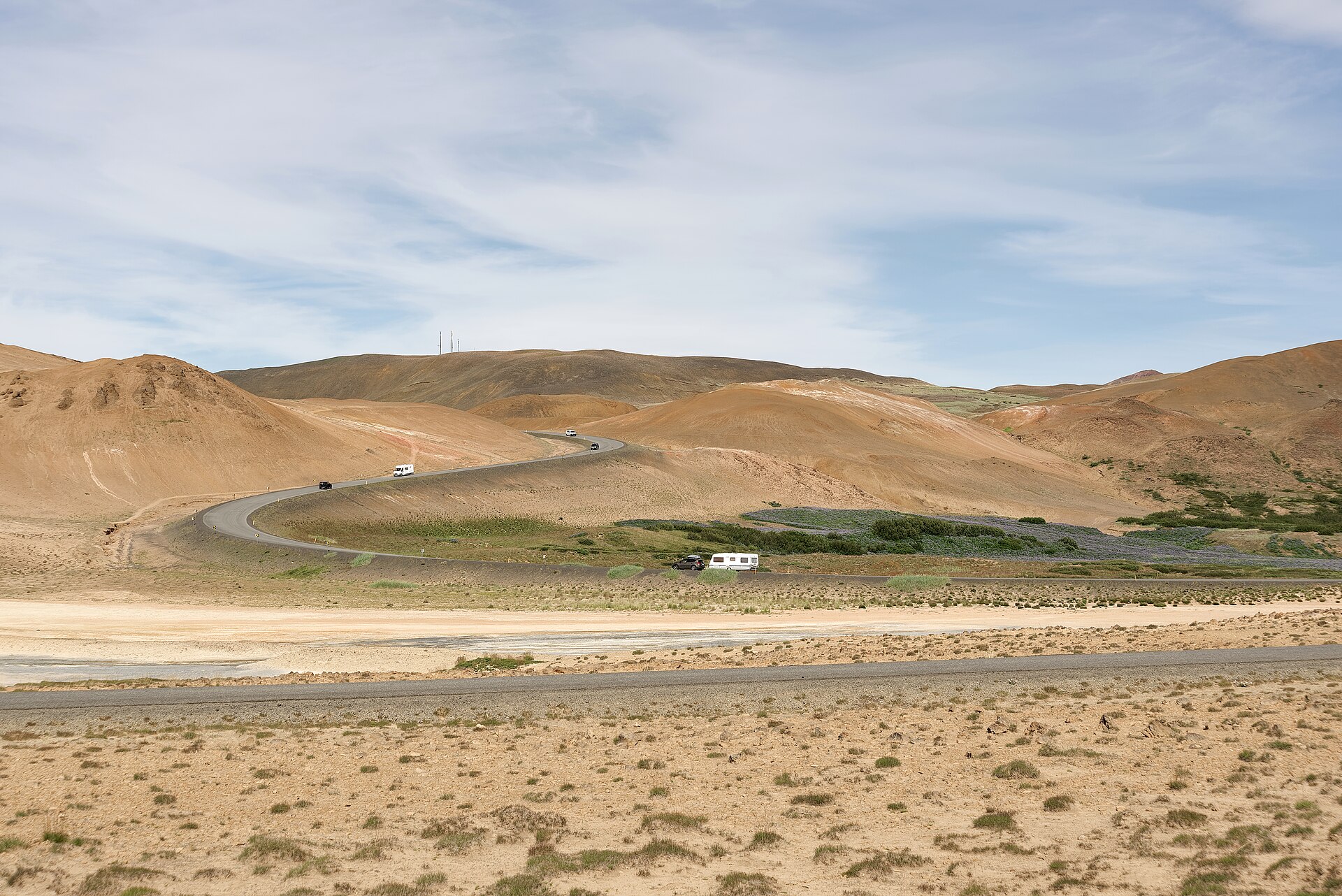
- Jakub Hałun/Wikimedia Commons (CC BY 4.0): Real view near Hverarönd on Route 1; used only to understand paved roads and mountain environment, not to infer road conditions, liability, or insurance coverage for any date.
- Titoine08/Wikimedia Commons (CC BY-SA 3.0): "Tarmac Ends Here" sign and gravel road on Route 60 in the Westfjords, photographed in 2012; used only to illustrate that surface changes require re-checking the contract and vehicle type, not representing current roads, rental terms, or any insurance coverage.