
Compare the liability boundary, not the cover label
Before paying, put the deposit or pre-authorisation, per-incident excess, covered damage and breach consequences in one note. Suppliers differ: a public Höldur example lists a CDW excess of 275,000 ISK for ordinary cars and 475,000 ISK for 4x4s and larger vehicles; SCDW reduces those examples to 65,000 and 120,000 ISK. Iceland Car Rentals publishes different deposit examples by vehicle class and cover option. These are supplier terms, not an Iceland-wide price list. Zero excess still may exclude prohibited roads, negligence or late reporting, so compare the exact booking, contract and handover record rather than the package name.
ICENAVI DRIVE DECISION · CONTRACT CHECK
Does the contract leave any liability gaps?
This check asks whether the terms, vehicle condition and planned route line up. It is not a rating of the rental company; the deposit, excess, exclusions, road eligibility and reporting deadline must come from your booking documents.
The deposit or hold, release conditions and credit-card requirements can be checked against the payment page and terms, so a pre-authorisation is not mistaken for a charge or zero liability.
When CDW, SCDW, GP and SAAP show ISK figures for each vehicle class, you can see the maximum exposure for one incident. “Full cover” is not enough.
Check gravel, sand and ash, glass, tyres, underbody, roof, water crossings and F-roads one by one. Zero excess cannot make a prohibited road permissible.
Time-stamped photographs from several angles cover the glass, tyres, fuel, mileage, warning lights and cabin equipment, so the liability boundary does not depend on a verbal assurance.
Know the notification window, phone number, police or roadside-assistance requirement and photo records before departure. Waiting until return may miss the deadline.
Pay only when the terms, vehicle, route and reporting process line up. If any category scores zero, ask for written confirmation or choose another arrangement.
Rental paperwork often exists in several places at once: the desk, your phone, your credit card and the vehicle itself. You think you have paid, then see an additional pre-authorisation on the card. You think gravel cover is included, but the wording only mentions the windscreen and headlights. You assume “or similar” means the same underbody clearance, then receive a vehicle class that makes your planned F-road trip ineligible. This page is not legal advice. Its purpose is to turn the liability hidden behind package names into clauses you can actually check.
If you are comparing 2WD cars, SUVs or highland vehicle classes, start with the luggage, wind and insurance stress test for small cars and SUVs. The contract page answers an earlier question: exactly when does the cover you are paying for apply?
| What you want to obtain | What extra cover may provide | Liability that remains | What to do when the wording is unclear |
|---|---|---|---|
| A lower per-incident excess | The maximum amount payable for covered damage may fall, making the cash risk easier to budget | Prohibited roads, negligence, unregistered drivers and excluded parts do not disappear because the excess is zero | Request the exclusions for the specific vehicle class instead of comparing package names |
| Gravel / sand and ash cover | Specified damage to glass, lights or paint may be handled under a separate protection | The covered parts, excess, weather warnings and reporting deadline still follow the contract; underbody and tyres may be excluded | Compare the South Coast or wind-exposed sections of the route with the exact covered parts |
| A lower card hold | Less credit may be pre-authorised at pickup, reducing pressure on available funds | A hold is not a charge, and its release still depends on the bank, damage checks and the supplier's process | Confirm the available credit and release process with the card issuer before choosing the vehicle class |
| Highland / larger-vehicle eligibility | The vehicle may suit particular roads and luggage loads, but that does not permit every F-road | Road openings, water crossings, roof, underbody and rental restrictions remain separate issues | Check the road list against the vehicle class and contract; do not infer eligibility from size alone |
KEF, Reykjavík, Vík and the highlands: liability follows the vehicle
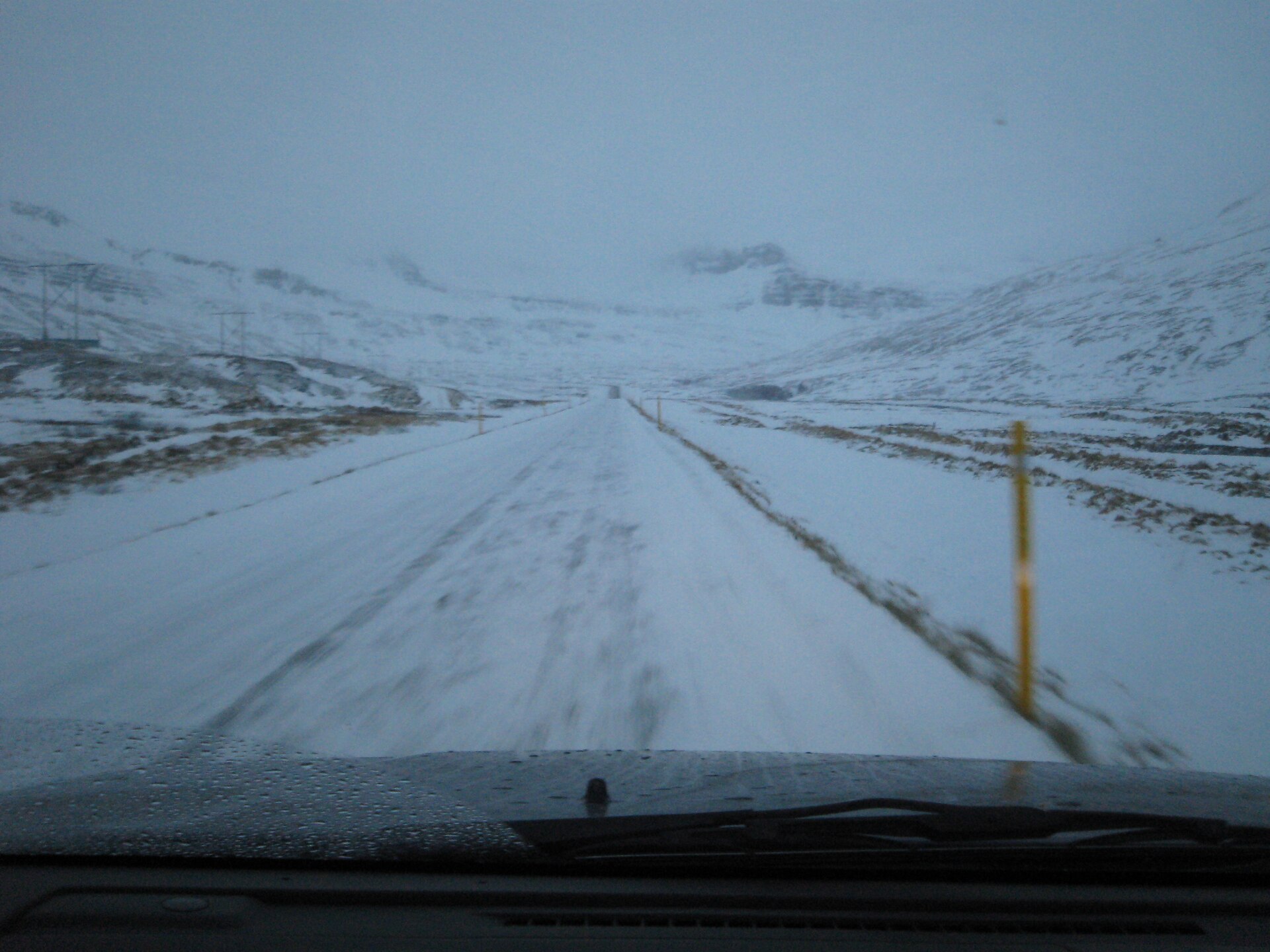
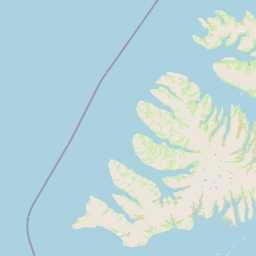
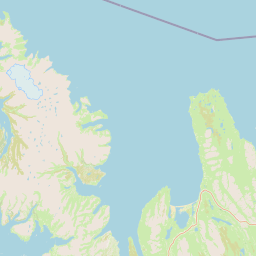
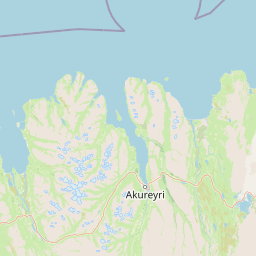
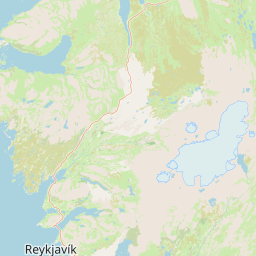
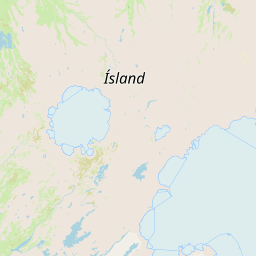
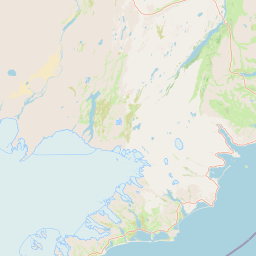
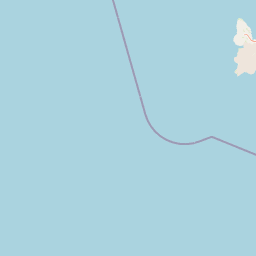
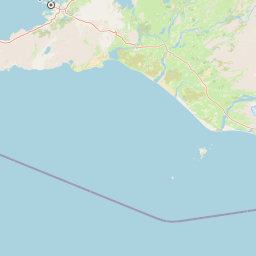
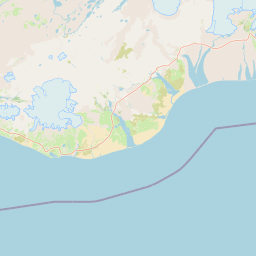
The map below is not a driving route. It places four different liability situations in their geographic context: KEF is where documents, cards and the vehicle-condition record change hands; Reykjavík is where parking, fines and scrape disputes commonly arise in an urban section; Vík represents gravel, windblown sand and long hours on the road; and a highland entrance puts F-roads, water crossings and rental exclusions into one question. The locations are real, but the liability is still governed by the contract you sign.
Copy out four figures first; leave the package name until last
| Field | What the contract should answer | Where to take a screenshot before paying | Most common misreading |
|---|---|---|---|
| Deposit / pre-authorisation | How much credit is temporarily unavailable, when it is released and whether damage can delay release | Terms, Payment, Deposit, Credit card hold | Treating a hold as a charge, or assuming zero deposit means zero liability |
| Excess | The maximum amount payable for each covered damage incident, not the total limit for the whole rental | The ISK amount beside each protection and the vehicle-class category | Seeing “insurance included” and missing the difference between examples such as 275,000 and 475,000 ISK |
| Covered / excluded | How gravel, sand and ash, glass, tyres, underbody, water crossings, F-roads, doors and personal belongings are treated | Insurance definitions, Exclusions, Road restrictions | Using CDW, SCDW or “full cover” as a substitute for the exclusions list |
| Reporting window | Who must be notified, and within how many hours, after damage, a collision or a breakdown; whether a police report is required | Accident, Damage, Emergency, Handover | Assuming it can wait until return; a public Hertz example requires reporting within 12 hours, otherwise the renter may become liable for the full amount |
Höldur's public terms also state that Zero Excess Cover does not remove liability for breaking the rental agreement. Iceland Car Rentals says a credit-card deposit may remain on hold for up to about 30 days, depending on the issuing bank. You do not need to memorise every supplier's numbers, but you do need to ask: “Is this amount the hold, the per-incident excess or the full liability after a breach?” They are three different amounts.
Cover names may sound similar while protecting completely different parts
| Name | Common scope | Exceptions to ask about | My judgement |
|---|---|---|---|
| CDW / SCDW | Lowers the excess for collision damage; the actual amount depends on the vehicle class and supplier | Underbody, tyres, roof, water crossings, negligence and prohibited roads | Read the exclusions before asking how much the excess falls; “Super” is not enough |
| GP / Gravel Protection | Some suppliers cover glass, headlights or paint damaged by flying gravel | Which parts are covered, the per-incident excess, whether self-thrown stones count and whether other body panels are included | Useful on gravel sections of the South Coast, but not whole-vehicle protection |
| SAAP / Sand & Ash | Specific protection for paint, glass, lights and plastic damaged by sand or volcanic ash | Whether it can be purchased, eligible vehicle classes, strong-wind warnings, excess and reporting procedure | Not essential for every South Coast trip, but slow driving alone does not remove the risk |
| TP / Theft Protection | Reduces liability under the terms if the vehicle is stolen | Personal belongings, leaving keys in the vehicle, negligence and unregistered drivers | Protecting the car does not protect your camera, passport or luggage |
Spend ten minutes at pickup: photograph first, then sign “all correct”
Do not take one attractive photograph of the front and call the inspection done. In the same order, photograph all four corners, roof edges, windscreen, wheels, tyres, any visible underbody area, fuel or charge level, mileage, warning lights and cabin equipment. If poor light or snow makes anything difficult to see, ask the staff to move the vehicle somewhere brighter. Name the files by date, location and angle, and list every existing scrape on the condition report. Photographs do not replace the contract, but they remove one common dispute: whether you saw the damage at handover.
| Area | What to record | Term to ask about at the same time | What not to rely on |
|---|---|---|---|
| Four corners / doors | Dents, scratches, door edges, mirrors and reflections in the paint | How unrecorded damage is added and who decides whether a mark is new after return | A desk agent saying, “That small scratch is fine” |
| Glass / lights / tyres | Cracks, stone chips, tread, wheels and whether the lights are intact | The excess for GP, glass, tyres and gravel-road damage | Assuming GP means zero liability for every body part |
| Underbody / roof / cabin | Visible underbody marks, roof equipment, seats, charging cables and warning lights | Exclusions for underbody, roof, missing equipment, personal belongings and negligence | Assuming 4WD or a larger vehicle automatically covers highland damage |
Read the contract again whenever the route changes
You planned to stay on Route 1, then a highland photograph persuaded you to turn onto an F-road. You planned to drive only in daylight, then decided to continue after dinner in search of the northern lights. You planned to have one driver, then a friend wanted to take the wheel. These are not casual adjustments. They may change vehicle eligibility, insurance validity, additional-driver registration and reporting responsibilities. For the decision to turn back at a river crossing, see the F-road and water-crossing stop procedure. For the difference between protection names and actual exclusions, return to Iceland car-rental insurance explained. If you also want to check medical cover, cancellation and activity refunds, the Iceland travel-insurance decision page covers the three areas outside the vehicle contract. Together, these pages answer both whether the car may take the route and who carries the risk if something happens.
ICENAVI · The contract should leave no liability gap
Give each category 0–2 points. The total is only a way to find gaps; if any category scores 0, pause the payment or request written confirmation from the supplier. Zero excess still has to pass all five checks, because broad cover and cover that remains valid after a breach are separate questions.
| Category | 2 points: stated clearly | 1 point: ask again | 0 points: stop |
|---|---|---|---|
| Card cash flow | The deposit or hold, release conditions and card requirements are saved | The page only says “a deposit may apply,” or the payment page and terms differ | The available credit is insufficient or your card is not accepted |
| Per-incident excess | CDW, SCDW, GP and SAAP amounts are listed in ISK for the vehicle class | Only the package name is shown, without figures | Zero excess is presented as zero liability after a breach |
| Route eligibility | F-roads, gravel, water crossings, underbody and door restrictions match the planned route | The supplier only says “suitable for Iceland” or “4WD” | The planned route is explicitly prohibited |
| Reporting process | The deadline, phone number, police or roadside-assistance requirement and photo process are known | The supplier only says the vehicle will be checked at return | You do not know who to notify after an incident |
| Drivers and belongings | Every driver is registered, and personal belongings, cabin equipment and keys are treated separately | A friend may drive or equipment may be left inside the vehicle | An unregistered driver is planned, or vehicle contents are assumed to be included under TP |
ICENAVI · FINAL CONTRACT DECISION
You are buying a liability boundary, not a reassuring adjective
If a supplier cannot state the deposit, excess, exclusions, road eligibility and reporting deadline clearly, I would choose an option with written terms or shorten the route rather than use a more expensive package to conceal the gaps. Reassurance comes from knowing who to call after a stone chip, sand damage, a wind-blown door, an unregistered driver or a water crossing—not from pressing “Premium.”
Ten questions to ask before paying; save one screenshot for each
- How many ISK will be held on the card? Is it a pre-authorisation or an immediate charge, and when is it normally released?
- What is the CDW or SCDW excess for each damage incident, and can “or similar” change the amount?
- Does GP cover only the windscreen and headlights, or which paintwork is included as well?
- Are SAAP, tyres, underbody, roof, water crossings and F-roads explicitly covered or excluded?
- How must an unregistered driver, a friend taking the wheel or an additional driver be added, and what fee and eligibility rules apply?
- How many hours do you have to notify the supplier after damage, and are a police report and photographs required?
- Could a closed road, a prohibited section or driving a vehicle class outside its permitted use invalidate the cover?
- Are cameras, passports, luggage and rental equipment completely outside TP and the insurance?
- How can the condition report be corrected at pickup, and who confirms that a new scrape was not already present?
- If the route changes to the highlands or a long night drive, must you obtain written approval first?
Put the terms and itinerary on the same screen at the end. On a Reykjavík city day, parking and fines may be the main exposure. Heading towards Vík or the highlands brings gravel, windblown sand, underbody damage, daylight and road eligibility to the foreground. First complete the decision on when to stop a mountain-road night drive, then decide which protection is worth paying for. Do not let a polished package name decide an unchecked road. If a collision has already happened, stop comparing packages and follow the first steps after an Iceland self-drive accident.
RELATED READING
Start by checking what the protection actually covers
Iceland car-rental insurance and exclusionsSmall car or SUV: vehicle class and insuranceF-roads and the water-crossing stop procedureMORE READING
Then match the route with daylight and return time
Mountain-road night driving in Iceland: daylight and fatigueWinter driving in IcelandHow to read Iceland's official road-condition websitesQ&A | Are an Iceland rental deposit and excess the same thing?
Are an Iceland rental deposit and per-incident excess the same thing?
No. A deposit or pre-authorisation temporarily uses available credit at pickup. The excess is the maximum amount you may have to pay for each covered damage incident. Record them separately.
Do I still need to read the exclusions if I buy zero excess?
Yes. Prohibited roads, underbody, tyres, roof, negligence, unregistered drivers and late reporting often have separate clauses. A package name cannot replace the exclusions list.
Is one photograph of the front enough at pickup?
No. At minimum, photograph all four corners, glass, tyres, wheels, fuel, mileage, warning lights and cabin equipment, and add existing marks to the condition report.
What should I do if I want to turn onto an F-road at short notice?
Check the road opening, vehicle eligibility and rental restrictions first, and obtain written confirmation from the supplier where necessary. A four-wheel-drive vehicle is not automatically permitted on every F-road.
References
The following sources were checked on 5 September 2026. Rental suppliers, protection products, deposits, road permissions and reporting deadlines can change; before payment, use the contract attached to that specific booking. The ISK figures in this article are public supplier examples, not market quotes or an industry-wide standard.
- Höldur Car Rental Iceland | Terms & Conditions of a Rental: public examples of CDW and SCDW excesses, Gravel Protection, limits on Zero Excess after a breach and other rental responsibilities.
- Iceland Car Rentals | Terms and Conditions: credit-card requirements, deposit examples, the possible effect of bank policy on a hold, and driver and fine liability.
- Hertz Iceland | Terms & Conditions: public examples of vehicle-condition records, rental-agreement signing and the reporting window after damage; not representative of every supplier.
- Avis Iceland | Insurances: another supplier example for CDW, SCDW, sand and ash, gravel protection and excesses by vehicle class.
- SafeTravel Iceland | Highland driving: F-roads, vehicle differences, water-crossing risks and the safety boundary of turning back when conditions are uncertain.
- OpenStreetMap contributors: base map and attribution for the four rental-liability reference points; the map compares geographic situations only and does not guarantee navigation, vehicle eligibility or contract terms.
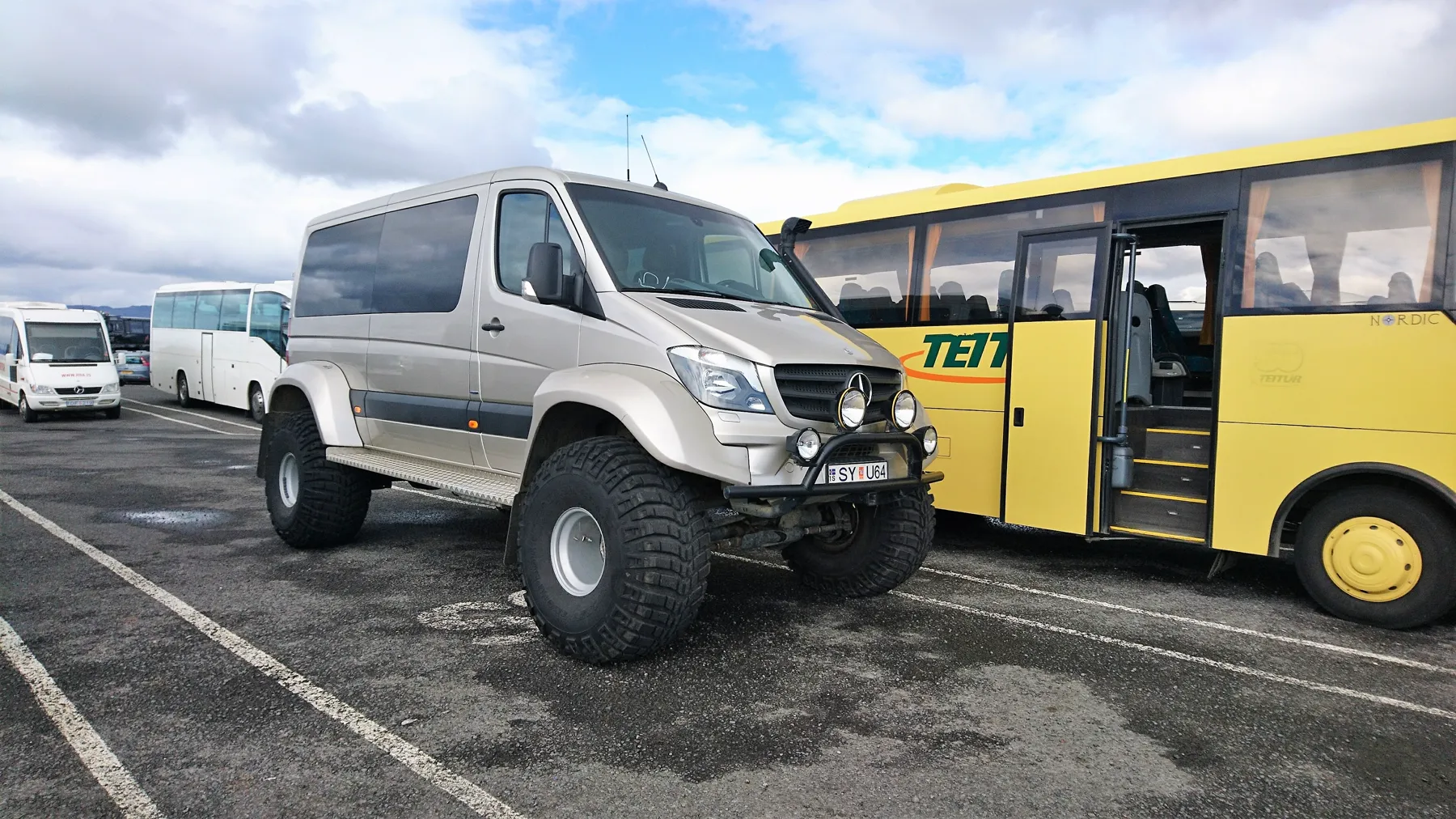
- Hero image: Wikimedia Commons: 2016 Mercedes-Benz Sprinter 519 CDI BlueTec 4x4, Iceland, CC0; resized and converted to WebP by this site. The photograph illustrates an Iceland pickup setting, modified vehicle class and handover environment; it does not represent any supplier's vehicle or current rental agreement.

This page is an L1 rental-contract decision guide. It contains no unverified rental CTA: align the deposit, excess, protection scope, road eligibility and reporting deadline before moving to a checked vehicle-class or transaction page.