
Start with the boot, then check the road
For confirmed Route 1, the Golden Circle and the main South Coast roads, compare a small car first when two or three people can close the boot around every bag. An SUV earns the extra cost when four people bring winter luggage, the cabin genuinely needs more space or the contract permits a gravel side road you will actually use. It does not remove closures, crosswinds, fatigue or excluded F-roads. Hold pickup and return times, drivers, excess and luggage load constant; otherwise the apparent saving is only a number on the booking screen.
ICENAVI · CAR SIZE CHECK
What does this vehicle actually need to make easier?
Use this as a route check for vehicle size, not a model rating or a promise that an SUV is safer. Confirm the actual vehicle category, boot, tyres, crosswind conditions, fuel use, parking, insurance and road eligibility against the supplier’s written terms and the vehicle you receive.
The boot is suitable only when every bag fits with the tailgate closed, luggage secured and rear visibility preserved. Seat count and model name cannot replace dimensional evidence.
Check Route 1, gravel side roads and F-roads separately. Ground clearance and tyres do not override your rental contract, road opening status or insurance restrictions.
A larger vehicle may feel more comfortable to some drivers, but crosswinds, opening doors, parking, low visibility and fatigue still require sound decisions on the ground.
Width, height, the tailgate and hotel entrances matter every day. If a larger vehicle makes legal parking, unloading or turning on narrow streets harder, its extra space may be cancelled out.
Compare fuel, parking, rental price, excess and exclusions for gravel, glass, tyres and the underbody in one line. Do not infer cover from the words “full cover” or from the vehicle’s size.
For a main-road trip with luggage properly stored, a small car’s lower price and easier parking deserve an early comparison. An SUV needs a clear reason that connects luggage, road access and comfort.
This card turns the vague impression that “a larger car feels steadier” into checks you can actually make. If four large cases are the problem, the luggage evidence matters more than a 4WD badge. If road eligibility is the concern, the contract and current road status matter more than seating position. One cannot answer for the other.
| Option | What it preserves | What you pay for or accept | When to choose it |
|---|---|---|---|
| Small car | Lower rental price and fuel use; easier parking in towns and on legal main-road stops | Less boot space, less room for rear-seat luggage, less reserve in wind and on gravel side roads | Two or three people, every bag fits in the boot, and you are staying on confirmed Route 1 and main roads |
| Larger 2WD / SUV | Boot space, easier entry, seating position and greater comfort on some gravel surfaces | Higher rental price and fuel use, greater width, more parking pressure and a possible “or similar” mismatch | Your luggage test proves a small car does not work, but the route does not require four-wheel drive |
| 4WD / AWD | A drivetrain and ground-clearance option on roads permitted by the contract | Extra rental cost and fuel use; it still cannot travel on closed, restricted or excluded roads | The route, season, contract and actual vehicle category all match in writing |
| Accommodation buffer / guided activity | Sleep, fixed meeting arrangements and flexibility to change plans during wind or snow | Less freedom to drive independently and possible fixed times or rebooking limits | The real risk is weather, fatigue or road conditions rather than boot space |
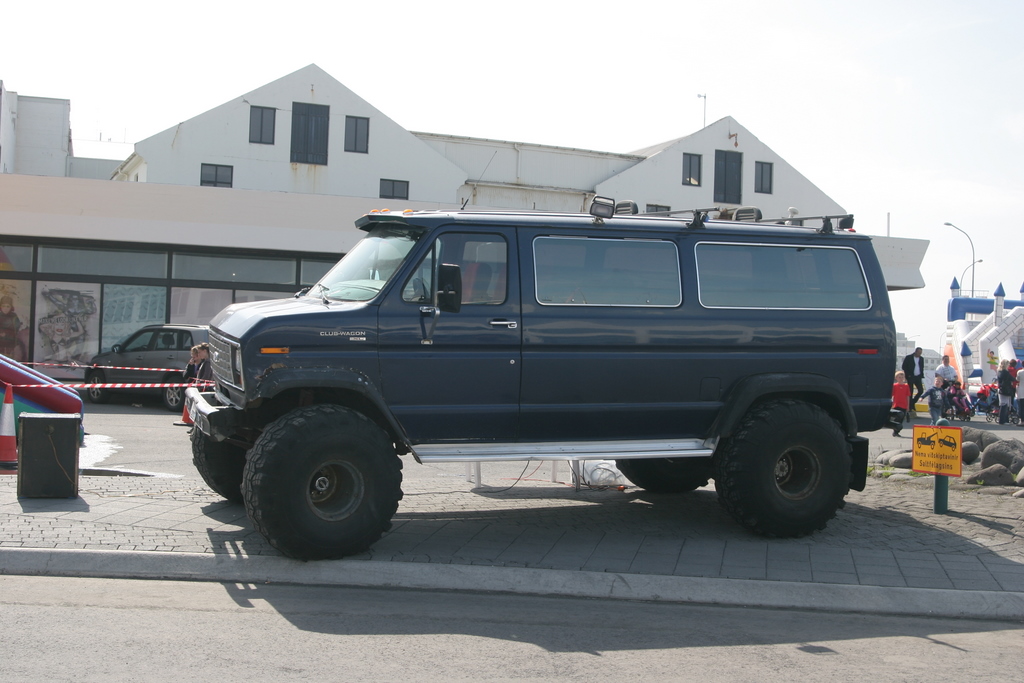
That striking large vehicle in the photograph looks almost like a mobile bunker on a street corner. Treat it as a reminder, though: the car an Icelander chooses for daily life is not necessarily the car a visitor should rent for a few days. A traveller’s boot may need to hold wet coats, cameras, food and tomorrow’s shoes for four people, while the vehicle repeatedly works in narrow town spaces, hotel entrances and strong wind. List those jobs before comparing categories.
This page does not repeat the broad “2WD or 4WD” decision. For the circumstances in which a standard ring-road trip genuinely needs four-wheel drive, read When upgrading to 4WD for an Iceland ring road trip makes sense. If you are driving the South Coast, The limits of a 2WD South Coast route separates the main road, side roads and accommodation turn-back points in more detail. This page addresses the choice that is often missed: when two vehicles can both handle the main road, which one fits your luggage, the wind and your parking routine?
Boot test: seat count is not a luggage answer
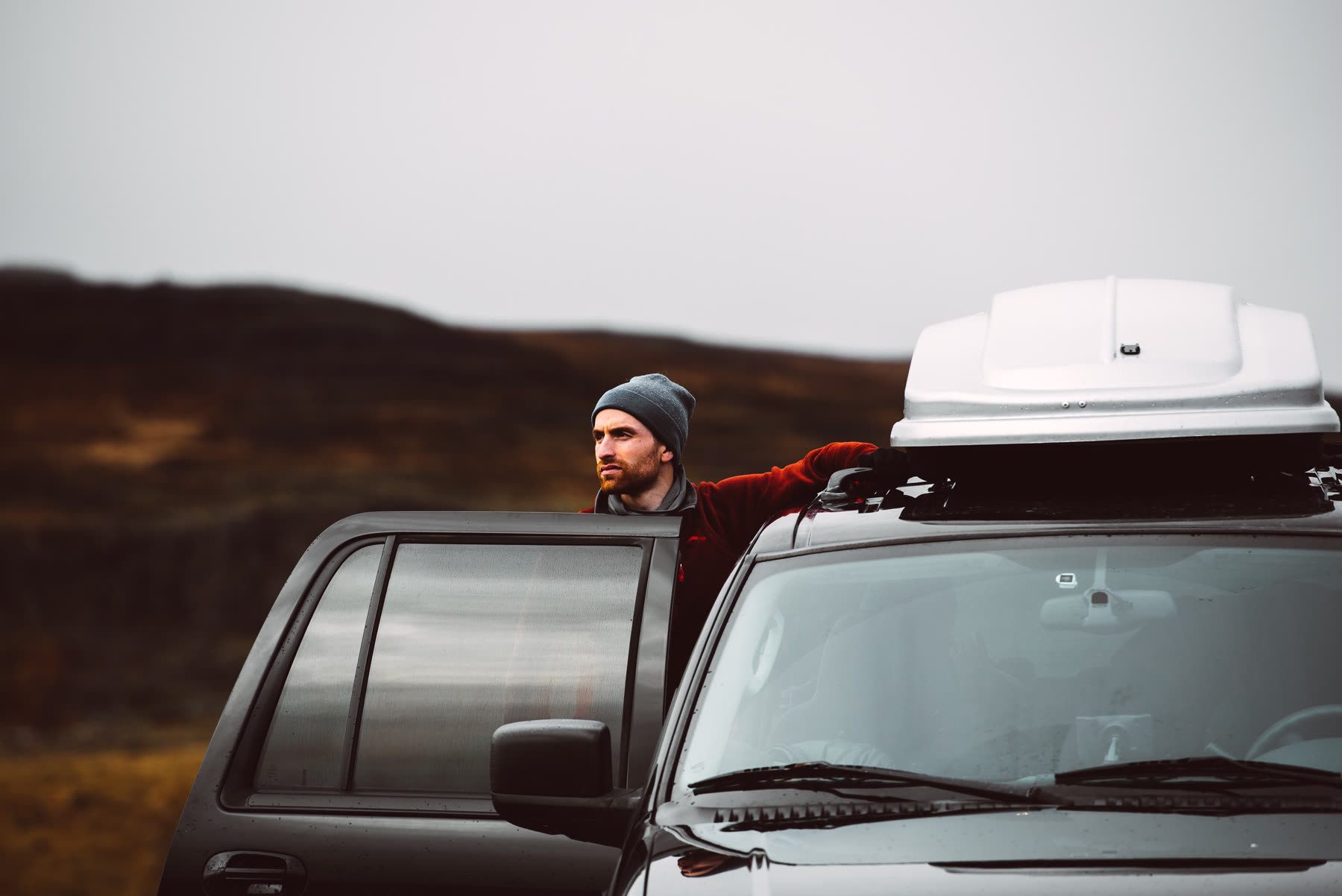
The neat five-person icon on a rental page does not make four hard-shell cases any thinner after you land. Write down every large bag, child seat, camera bag and wet shoe, then ask whether you can still see behind you with the tailgate closed. Keeping cases on the rear seats is not only a comfort issue; it affects visibility, access and night-time parking.
| Your situation | Where a small car may work | Where an SUV or larger car may help | Still confirm with the supplier |
|---|---|---|---|
| Two people, two carry-on cases | The cases lie flat in the boot and the rear seats remain free | A higher seating position or easier entry suits your driving habits | The actual vehicle category, boot dimensions and whether the supplied car is truly similar |
| Two people, two large cases and camera equipment | Only after checking the boot opening and the shape of the equipment bag | More height, rear-seat storage and access room | Boot volume is not the same as passenger capacity; the model name is not enough |
| Three or four people with winter coats and food | Only with very little luggage and a willingness to reorganise and restock daily | A larger cabin reduces piles on the rear seats and repeated case transfers | Four people and four cases may still not fit every SUV |
| Child seat, stroller or long equipment | The item can be dismantled, measured and secured properly | Door openings, seat installation and tailgate height are easier to work with | Number of seats, mounting points, luggage restraints and current vehicle photos |
Treat “close the tailgate” as the first hard threshold. If valuable equipment must remain on the rear seat, or the entire boot has to be carried into the hotel every morning, include that work in the price difference instead of comparing nightly rental cost alone. If the issue is simply seating and storage, a larger 2WD may already solve it; there is no automatic reason to move to 4WD.
Wind and road surface: a larger vehicle adds a feeling, not permission
SafeTravel warns that Icelandic weather and road conditions can change quickly; slow down when entering gravel, and do not treat a map as a substitute for closure information. A taller, heavier or wider vehicle may feel steadier to some people, but crosswinds still affect doors, steering and where you can park. When the road is closed, a larger car simply stops at the same barrier. If you are afraid to open the door in the wind, first find a safe place to stop and check the road again; do not simply move the rental filter to the largest vehicle.
| Situation on the ground | Small-car advantage | Possible SUV advantage | Both vehicles require |
|---|---|---|---|
| Finding legal parking in a crosswind | A smaller body is easier to position within an existing space | The seating position and view may help some drivers judge the space beside the vehicle | Check the wind, park away from traffic, hold the door securely and follow the conditions on site |
| Snow on Route 1 in winter | Lower weight may reduce transfer and parking pressure | On a suitable open road and with low grip, some vehicle categories may offer extra handling reserve | Check Umferdin, IMO and SafeTravel; slow down or stop when visibility and ability require it |
| A gravel side road | If the contract permits it and conditions are suitable, a smaller body may be easier to turn around in narrow spaces | More ground clearance or a different tyre setup may improve the feel on some surfaces | Check the contract, insurance, road surface and legal parking; a popular attraction does not imply paved access |
| Closure or driver fatigue | Lower rental and fuel costs may leave more money for accommodation flexibility | It may feel more comfortable, but it cannot extend the driver’s alertness | Turn around, stay overnight, change the booking or switch to a guided activity |
“It feels steady” can be a reasonable personal preference, but it cannot be written as a safety promise. The useful evidence is whether the road is open today, whether you can see clearly, whether the vehicle matches the contract, and whether you have enough time to return safely to your accommodation. For a detailed winter-equipment check, see Winter tyres and pickup equipment. For the point at which wind or snow should end the drive, return to When to stop in a snowstorm.
Put vehicle size back into the route: the main road, South Coast and East Iceland are different jobs
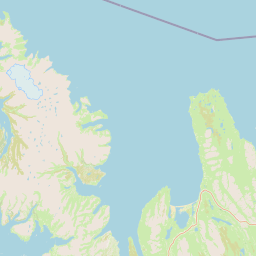
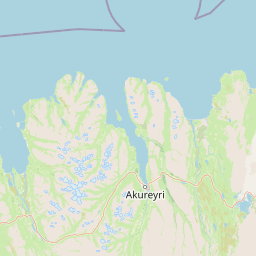
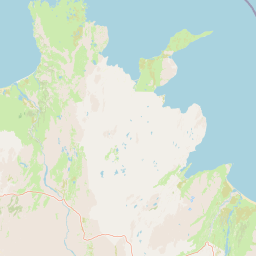
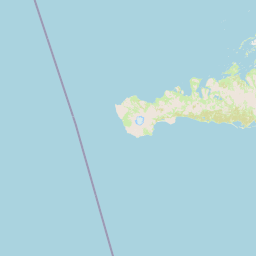
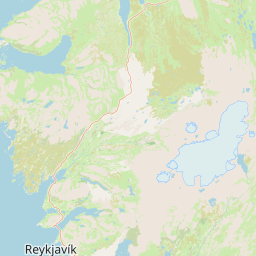
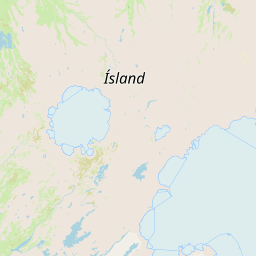
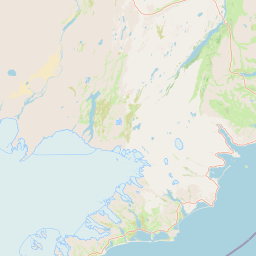
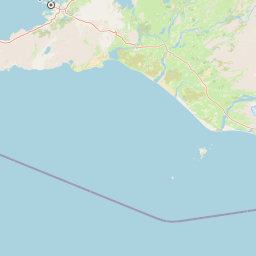
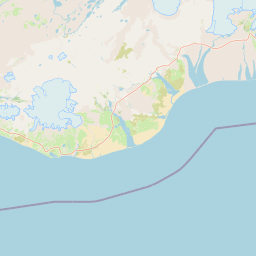
The difference between a small car and an SUV matters only when you place it against where you will park, restock and decide whether to change accommodation each day. The map below marks KEF, Reykjavík, Selfoss, Vík, Höfn and Egilsstaðir at their real OpenStreetMap locations. It is not a vehicle recommendation and says nothing about today’s roads, parking or wind; it simply reminds you to match vehicle room to the scale of the route.


Insurance comparison: a larger vehicle does not mean broader cover
Insurance pages for small cars and SUVs often use similar abbreviations, while the meaningful differences may concern gravel, glass, tyres, the underbody, sand and ash, towing, and roads prohibited by the contract. If you upgrade the vehicle without reading the exclusions, you have simply used a larger car to carry the same unknowns. Put the vehicle category and cover on the same screen when comparing; do not choose the car first and accept a vague promise of “full cover” at the end.
| What you want covered | Do not look only at | Ask before paying | Do not assume it extends to |
|---|---|---|---|
| Flying gravel | A package described as “protection” or a larger vehicle category | Which parts are covered, the excess and the claim process | Glass, the roof or every road automatically |
| Tyres and underbody | The SUV’s tyres appearing thicker | Whether tyres, wheels, underbody and towing are separate exclusions | The idea that vehicle height equals insurance cover |
| Sand and ash | A forecast showing moderate wind | Sand and ash damage, notification deadlines and whether you must stop driving first | An SUV or 4WD removing the risk |
| Water crossings / F-roads | Four-wheel drive or wording that says the vehicle is suitable for Iceland | Road permission, water-crossing rules, recovery and vehicle-damage exclusions | The insurance name granting road eligibility |
For a line-by-line comparison of underbody, tyre, towing and road exclusions, read the Iceland car-rental insurance decision guide. That page explains the boundaries of cover; this one asks whether those boundaries justify moving from a small car to an SUV. Keep the two questions separate, or you will use the vehicle category to answer for the contract.
Compare the price difference as three different purchases
Do not compare the nightly difference alone. Recast it as luggage-handling effort, fuel and parking, and the buffer that could buy another night. A larger car may earn its price when four people are moving cases every day. For two people staying on the main roads around Reykjavík and the South Coast, putting the difference into accommodation or cancellation flexibility may remove more real pressure.
| Where the extra money goes | What you receive | When it works better than changing cars | Easy-to-miss cost |
|---|---|---|---|
| Cabin space | Fewer case transfers, clearer rear visibility and an easier fit for four people | The larger category has clear boot evidence that matches your luggage | Vehicle width, parking, fuel and the gap between “or similar” and the pictured model |
| Accommodation buffer | Another night to wait out weather or shorten a daily transfer | Your concern is closure, fatigue or a fixed activity rather than the boot | Room changes, cancellation rules and the next day’s activity connection |
| Guided activity | A high-pressure road section handled by an operator familiar with conditions | The Highlands, an ice cave or a storm day is central to the trip rather than independent driving every day | Meeting point, fixed schedule and the supplier’s cancellation policy |
Vehicle choice: look at the route before the metal
Use each dimension as a two-point check. A total of 7 or more is enough to justify a final comparison against an SUV’s price difference; below 5, consider putting the money into accommodation, lighter luggage or transport for an activity. The point is to separate a real requirement from a preference.
| Dimension | 2 points | 1 point | 0 points |
|---|---|---|---|
| Luggage evidence | Every bag fits with the tailgate closed and visibility preserved | You need to reorganise or place one item on a rear seat | Large luggage can only sit beside passengers |
| Route eligibility | Only confirmed main roads and contract-permitted side roads | One side road or contract condition remains unchecked | You are relying on an SUV to enter a closed or ineligible road |
| Wind and visibility | The driver is comfortable with the controls and can park safely in current conditions | You want a higher seating position but have not tested the supplied vehicle | You are treating vehicle size as a solution to crosswinds or poor visibility |
| Parking and accommodation | Hotel entrance, parking space, unloading and next-day exit all work | One item will only be known on arrival | The vehicle is large enough to create a new accommodation or attraction-parking problem |
| Insurance evidence | You understand gravel, glass, tyres, underbody, towing and road exclusions | You have only the package name and still need the details | You are inferring cover and road eligibility from SUV or 4WD wording |
Ten questions before payment: if the answer is only “probably,” keep the small car in contention
- Have you measured everyone’s luggage, child seats and camera bags?
- With the tailgate closed, are rear visibility and valuable items still properly protected?
- Is your route Route 1, a gravel side road or an F-road, and does the contract permit each section?
- Do you need four-wheel-drive ability, a larger boot or a higher seating position, and have you separated those needs?
- When crosswinds, gravel or snow appear, which decisions will still belong to the driver?
- What is the total price for the same pickup and return times, drivers, excess and fuel policy?
- Will the vehicle’s width and height fit the hotel parking, ferry or car park you have booked?
- Can the supplier confirm the boot, tyres and road restrictions of the “or similar” category in writing?
- If the road is closed today, would an SUV genuinely help more than adding a night or changing the activity?
- Are you choosing the larger car because the evidence supports it, or because the photograph makes you unwilling to take a risk?
A small car is not a budget version of the trip, and an SUV is not a braver one. The right vehicle is the one that removes one unnecessary compromise from collecting items, parking, seeing the road, resting and changing plans each day. Pack the luggage first, then put Route 1, side roads, weather and the contract on the table. If an SUV still makes sense, you will know exactly which reserve you are paying for. For the division between navigation and official road information, read Iceland driving navigation and official road conditions. For a broader ring-road vehicle decision, return to When 4WD is genuinely worth upgrading for an Iceland ring road trip.
Related reading
Separate vehicle category from road surface first
2WD or 4WD: three vehicle-choice testsThe limits of a 2WD South Coast routeIceland car-rental insurance decisionsMore reading
Then reconnect the escape options for each day
When upgrading to 4WD for an Iceland ring road trip makes senseWinter tyres and pickup equipmentNavigation and official road conditionsQ&A | Choosing between a small car and an SUV
What should I compare first: a small car or an SUV?
Put your actual luggage, passenger count, daily route and parking locations back inside the decision before comparing body size. The model name and seat count cannot replace boot dimensions or contract terms.
Is an SUV always safer or more suitable for Iceland?
No. A larger vehicle may offer more space or a more comfortable seating position, but crosswinds, parking, turning on narrow roads, fuel use and insurance exclusions still depend on the route and the conditions that day.
How can I test whether my luggage really fits?
Use the actual cases and bags you expect to bring. Confirm that the tailgate closes, luggage does not block rear visibility, and coats, food and safety items remain accessible.
When is it worth paying extra for an SUV?
Only when luggage, route, passenger comfort and parking create a clear need at the same time, and the rental contract and road eligibility are confirmed. If the reason is only that it “feels safer,” compare keeping the difference for accommodation or a fallback plan.
References
Road, weather, rental-category and insurance information changes. The following sources were checked on 5 September 2026; before payment and before each departure, rely on the official current pages, signs on site and your actual contract.
- SafeTravel Iceland | How to drive in Iceland: gravel roads, winter conditions, crosswinds, fatigue, closures and the limits of using a map.
- Visit Iceland | Getting around Iceland: the basic distinction between main roads, rental cars and different road environments.
- Umferdin | Definitions / About: road-condition records, update periods and the limits of automated measurements.
- Hero image: Sonja Pieper / Wikimedia Commons, CC BY-SA 2.0; the 2010 photograph of a modified off-road vehicle in Reykjavík illustrates vehicle size and an urban setting only. It does not represent a rental category, SUV safety, road eligibility or insurance cover.
- Article image: Matthew Brodeur / Wikimedia Commons, CC0; the 2017 photograph of roof luggage during an Iceland trip illustrates storage and entry-and-exit scale only. It does not represent a rental category, luggage policy, road eligibility or insurance cover.

.jpg)
This is an L1 entry point for vehicle-size and rental decisions. It does not include a rental CTA: confirm luggage, route, wind, parking and insurance first, then continue to a verified vehicle or accommodation page for any transaction.