
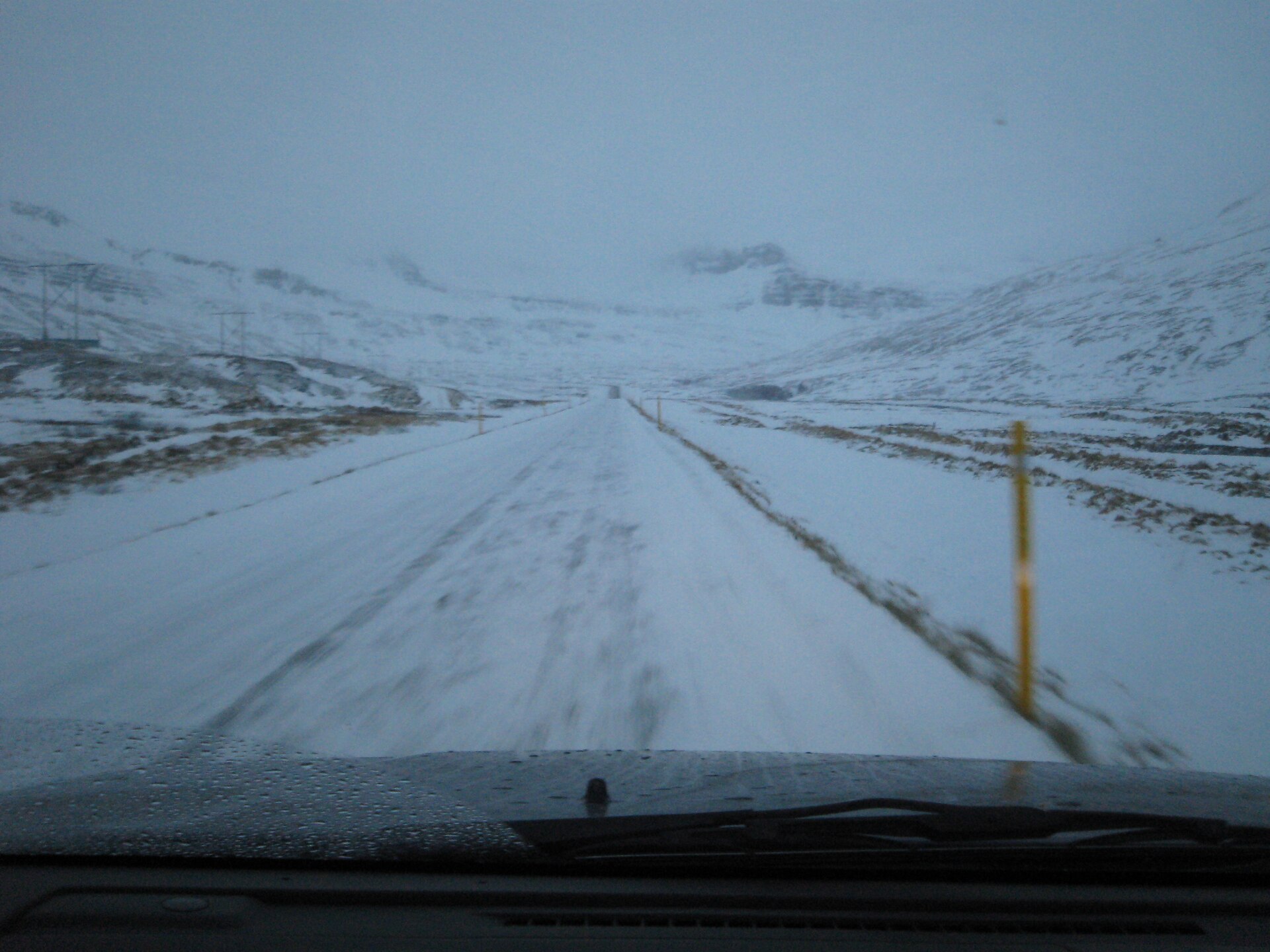
Start with Route 1, then test every side road
A 2WD South Coast plan depends on the road classification, that day’s conditions and what the rental agreement allows. With Route 1 open, clear visibility and a contract that permits the journey, a 2WD can cover many main-road itineraries. F-roads, unconfirmed Highland access, closed sections and routes with river crossings are outside that answer. Check each attraction road separately; arriving at a viewpoint does not mean you stayed on Route 1. Before leaving, read Umferdin, SafeTravel and the rental agreement. If visibility or the return route has become uncertain, use the Iceland snowstorm stop guide first.
ICENAVI DRIVE FIT · SOUTH COAST 2WD
Can this car handle your version of the South Coast?
These scores are an editorial judgement about the match between vehicle and route, not a rental-company rating. Check road classification, conditions on the day, boot space, winter equipment, insurance and accommodation options before departure.
Route 1 and confirmed eligible main roads can be covered by a 2WD; side roads, F-roads, closed sections and river crossings must be assessed separately. An attraction name is not proof of road eligibility.
Continue only when Umferdin, SafeTravel, on-site signs and the weather make sense together; with a red flag or unclear update, shorten the route first.
Confirm the model, tyres, boot space and road restrictions in writing or at collection; a 4WD is not a permit for every F-road.
Bases in Vík, Kirkjubæjarklaustur and Höfn can break a 2WD route into shorter sections; cancellable accommodation gives you more room to retreat than forcing the car east.
Short daylight, crosswinds, visibility, side-road parking and long drives increase the driver’s workload; dropping one side road is usually more direct than upgrading the vehicle.
A 2WD is very practical when you stay on clearly eligible main roads and keep a way back; the score does not apply if you are relying on a vehicle category to cancel out highlands, river crossings or snow.
The most common question at collection is: “We are only going to the South Coast, not the highlands, so a 2WD should be fine, right?” The problem is that “the South Coast” can describe very different days. Some people visit Seljalandsfoss and Skógafoss; others add Dyrhólaey, Fjaðrárgljúfur and Jökulsárlón, then push the room booking as far as Höfn. The wheels have not changed, but the time exposed to wind, snow, side roads and long driving has.
A 2WD is not a lesser 4WD, and a 4WD is not a South Coast pass. The drivetrain, tyres, ground clearance, road classification, season and rental agreement each answer a different question. SafeTravel is clear that not every four-wheel-drive vehicle is suitable for an F-road. Equally, a main road that is normally manageable cannot guarantee another side road or today’s weather. This page draws the boundary for a South Coast 2WD; it does not treat vehicle advertising as road information.
Put the main road, side roads and F-roads in separate drawers
Vegagerðin classifies F1, F2 and F3 as highland trails, with different surfaces, river conditions and seasonal opening rules from ordinary roads. On the South Coast, Route 1 and the final approach to an attraction are often blended together. They may not be the same road type, and the same rental clause may not cover both. When you see a sign or map number, note the whole road section rather than just the attraction name.
| Road or setting | What it really means | Check first for a 2WD | Do not assume |
|---|---|---|---|
| Route 1 / Ring Road | The South Coast’s main connection, serving towns and most transfers | Opening status that day, wind/snow and visibility, rental terms and time to turn back | It suits every driver all year and at every hour |
| Attraction access road | The final section from the main road to a car park, headland or viewing area | Surface, gradient, gravel, parking position and the day’s notices | A popular attraction must have a paved approach |
| F-road / highland trail | It may be rough, narrow and seasonal; some sections involve unbridged rivers | Opening status, vehicle eligibility, rental terms, rivers and recovery risk | A 4WD badge qualifies the vehicle for every F-road |
| Off-road shoulder photography | You have left the usable road and legal parking area | Whether you can stop safely, whether you block traffic and whether it counts as off-road driving | Stopping for one minute makes it legal |
If your goal is Landmannalaugar, Þórsmörk or another highland destination, go to the F-road and 4WD boundary instead of extending the South Coast 2WD answer. If you want the classic South Coast sights without spending a day deciding about side roads, how to choose a South Coast day tour puts the driver, meeting point and fixed route into a different set of trade-offs.
A workable South Coast 2WD is a route combination, not a vehicle list
I start by asking, “Which night are you trying to protect?” A one-night South Coast day based in Vík usually means narrowing the sights. With two nights, you have room to drop an eastbound section or side road when the weather turns. The vehicle is only one condition; accommodation and activities also decide how much time you have to turn back.
| Your version | What a 2WD can more easily support | Risk to check first | When to choose another plan |
|---|---|---|---|
| Reykjavík out and back in one day | Choose two or three main-road stops and keep a return buffer | Short daylight, wind direction, parking and the time you need back in the city | South Coast weather removes the margin from both the return drive and your city plans |
| One night in Vík | Western waterfalls and the black-sand beach, then choose the next day’s direction | Vík check-in time, side-road surface and warnings at the black-sand beach | You want to continue to Jökulsárlón without a second night or weather buffer |
| Two nights in Vík | Keep one day as a weather or activity reserve and reduce the pressure to see everything | The second day’s meeting time, cancellation deadline and accommodation flexibility | The activity meets in a remote place and the road conditions offer no retreat |
| Driving east as far as Höfn | Split the main road into sections, secure accommodation and supplies first, and do not pack in every side road | The long eastbound drive, fuel, daylight and the next day’s return | A fixed Jökulsárlón or ice-cave time means chasing the drive through wind or snow |
“A 2WD works” is only half an answer if it does not name the overnight base and the point where you will turn back. The South Coast destination page separates Vík, the black-sand beach, waterfalls and the eastbound direction; one night or two nights in Vík looks at how much weather and driving flexibility one extra night buys. Together they show whether you are choosing a vehicle or choosing a route that will not force you into night driving.
Luggage, insurance and a way back: three costs a 2WD makes easy to overlook
“Allowed” in a rental agreement will not make your luggage fit in the boot, and it will not automatically cover side-road damage. When the South Coast brings snow or an unexpected closure, “we have insurance” is not a plan. You need to know which detail changes the route and which one means turning around.
| What to check | What changes the decision | Evidence to keep before departure | What to do when uncertain |
|---|---|---|---|
| Boot space and luggage | Several travellers, hard cases that cannot lie flat, or leaving belongings in the car during a side-road stop | Confirm the actual model, boot dimensions and whether luggage can be fully covered; do not rely on the rental page’s vehicle class | Reduce luggage, split accommodation moves, or use a driver-led activity; a locked door is not a security plan |
| Glass, gravel and underbody cover | Gravel, crosswind-blown sand, insufficient following distance or a road section close to the rental agreement’s limits | Read exclusions line by line: gravel, tyres, underbody, water crossings and F-roads/off-road driving may have separate rules; the contract wording controls | Do not treat “full cover” as permission for every road; use a checked main road and keep the supplier’s contact details |
| A retreat when the weather worsens | Visibility, crosswind, road warnings or remaining daylight are no longer enough to complete the next section safely | Write down the nearest available base, fuel station and activity cancellation deadline; treat Vík, Kirkjubæjarklaustur and Höfn as section options, not guaranteed destinations | Return to a recognisable main road or safe parking place and drop the side road; do not keep driving east to protect a non-refundable room |
Every “while we’re here” beyond the main road costs time
South Coast attractions look close because photographs and place names often sit together on one list. On the road, the real cost includes turning off, finding legal parking, putting on waterproofs, walking to the viewpoint, waiting for everyone to return to the car and rejoining the main road. The 2WD question is not simply whether you can reach the place; it is how much room you have left to cancel that “while we’re here” stop when conditions worsen.
| Stop you want to add | Do not look only at | Also include | What to cut first on a 2WD day |
|---|---|---|---|
| Dyrhólaey | Its map distance from the black-sand beach | Side-road surface, gradient, parking, wind and walking on the headland | Check conditions and road notices first, then drop an improvised photography stop |
| Fjaðrárgljúfur | The straight-line distance from Route 1 to the entrance | Access-road surface, trail opening, parking and the direction of your return | If you still need to continue east tonight, protect your time in Vík or Kirkjubæjarklaustur first |
| Jökulsárlón / Diamond Beach | The broad label “South Coast” | The long eastbound drive, parking, activity meeting time and the next night’s accommodation | Drop a remote side road first; do not use a 4WD to chase time already lost |
| Highland extension | Whether the vehicle looks large enough | F-road opening, vehicle eligibility, rental terms, rivers and recovery | Remove it from the South Coast 2WD plan and use eligible transport or another day |
The order of cuts is not especially romantic, but it protects the parts you actually came to see. Free South Coast sights are not unimportant; they are simply easier to move into another weather window. Fixed-time ice-cave, glacier or whale-watching activities have a supplier’s clock. Schedule the activity before the driving and read the order for booking Iceland activities; for side roads affected by blowing sand, see South Coast sandstorm risk.
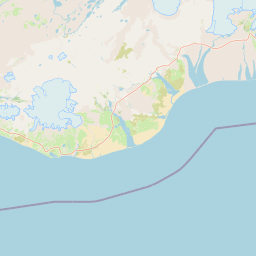
This map answers where to split the route, not whether you can drive today
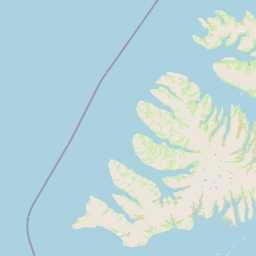
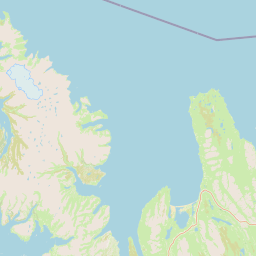
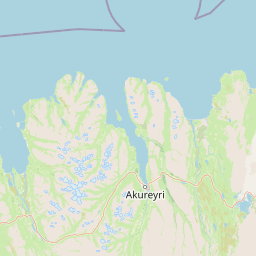
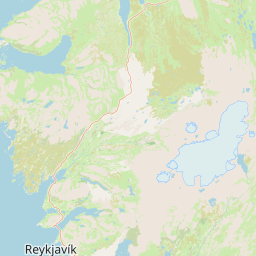
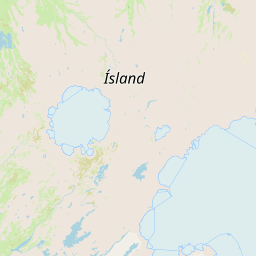
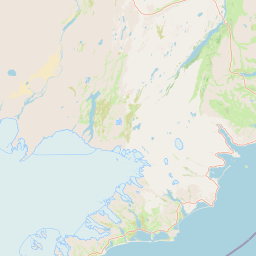
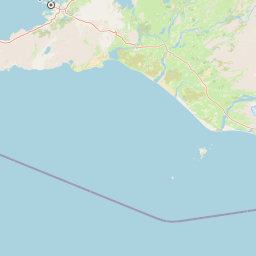
Drawing a line from Reykjavík through Selfoss, Hella, Vík, Kirkjubæjarklaustur and Höfn can make every section look like it is only one fuel stop apart. The real OpenStreetMap base map below marks the main service and transfer points; it cannot judge today’s 2WD, tyres or road conditions. Its purpose is to show where shortening the itinerary actually happens.
Before departure, score your 2WD confidence: a low score means dropping side roads, not imagining an upgrade
Use 0 to 2 points to turn vehicle fit into a decision everyone travelling with you can understand. A total of 8 or more is worth comparing with a full South Coast combination; below 6, shorten the main road, stay closer or switch to a driver-led plan. If the contract does not permit the road, the road is closed or you cannot see the conditions on site, stop. Do not make the score argue for the risk.
| Dimension | 2 points | 1 point | 0 points |
|---|---|---|---|
| Road type | The plan uses only confirmed main roads and eligible side roads | One side road or road classification is still unconfirmed | It includes an F-road, closed section or ineligible road |
| Official road information | Umferdin, SafeTravel and on-site information agree | The update time is unclear or the weather is changing | You are relying only on navigation ETA, an old screenshot or hearsay |
| Vehicle evidence | The 2WD type, tyres, tools and rental terms are confirmed in writing or on site | You know the vehicle type, but equipment details wait until collection | The supplier’s statement conflicts with the contract or what you see |
| Accommodation and retreat | A base in Vík, Kirkjubæjarklaustur or Höfn is available | A room exists, but check-in or cancellation deadlines are close | You can only recover the planned eastbound route by driving at night |
| Driver load | The daily main-road drive is short, passengers read the information and the driver can focus | There are many side roads or frequent stops and replanning | You need speed, fatigue or wishful thinking about the vehicle to make the day fit |
A high score does not mean you have to go. It means you have enough information to separate the main road from the side roads. If you are still at the rental-collection stage, read the winter-tyre and rental-equipment check; if snow has already arrived, use the snowstorm stop decision. The same 2WD should not receive the same answer on a clear main road and a low-visibility side road.
Ten questions before payment and departure
- Which exact main-road and attraction-side-road sections are you driving today, and have you written down their names and numbers?
- Does the rental agreement permit those roads, and has the supplier confirmed the vehicle group in writing?
- Have you checked all four tyres, tyre pressure, demisting, screenwash and snow-clearing tools?
- Do the update times for Umferdin, SafeTravel and on-site signs agree?
- If one side road is unavailable, do the main road and accommodation still work?
- Is Vík, Kirkjubæjarklaustur or Höfn today’s safe base for turning back?
- Are fuel, daylight, phone battery and the next service point sufficient?
- What is the latest time for a fixed activity meeting and hotel check-in?
- If a warning escalates, have you written the order of cuts instead of debating it in the car?
- Are you choosing a 2WD because the route is genuinely simple, or because you do not want to admit that a side road must go?
The advantage of a South Coast 2WD is keeping the money for accommodation, activities or one more buffer night. The price is drawing an honest boundary around where you will not go. If the main road works, enjoy the main road; if a side road does not, let it go. The trip is not second-rate for that. If you plan to apply the same vehicle decision to a full North and East Iceland circuit, read when a 4WD upgrade is genuinely worthwhile for the Ring Road, because mountain passes, luggage and accommodation options change the problem. What people usually regret is not missing one headland; it is driving east after they already know the route no longer fits.
Related reading
Separate the car, road and weather
Winter tyres and rental equipment checkWhen to cancel a snowstorm driveThe F-road and 4WD boundaryMore reading
Fit South Coast bases back into the itinerary
Iceland South Coast destination decisionsOne night or two nights in VíkHow to choose a South Coast day tourQ&A | What to check before driving the South Coast by 2WD
What should I check first for a South Coast 2WD drive?
Separate Route 1, ordinary side roads and F-roads, then check the road condition on your departure date, weather, rental terms and boot space section by section. Do not rely on the broad label “South Coast”.
Can I treat every South Coast attraction as a quick stop on the way?
No. Every side road has a turning-off, parking, walking, return-to-the-main-road and weather-buffer cost. Before adding it, make sure your base for the night and your next fixed time still work.
Which costs are easiest to miss with a 2WD?
Beyond the vehicle price, allow for fuel, parking, insurance exclusions, luggage storage and accommodation costs if weather forces a detour. A 4WD does not remove those costs automatically.
When should I drop a South Coast side road?
Drop it when road conditions are unclear, visibility is poor, the driver is already overloaded, or the side road would turn returning the car, an activity meeting or hotel check-in into a race. Do not use a vehicle upgrade to hide a timing problem.
References
Road classifications, road conditions, weather and rental policies change. The following sources were checked on 5 September 2026; before departure, use the official pages for that day, on-site signs and your rental agreement.
- Vegagerðin | Road classification: how ordinary roads and F1, F2 and F3 trails are classified.
- SafeTravel Iceland | Highland driving: safety guidance on why not every 4WD suits an F-road, plus rivers and off-road restrictions.
- Umferdin | Road notifications: check the actual road section, closures and update time before setting out.
- Vegagerðin | Driving safely in Iceland: background on roads, weather, closure policy and safe driving.
- SafeTravel Iceland | Driving in Iceland: check road conditions daily, follow on-site signs and keep flexibility in the itinerary.
- Hero image: Lala Lugo / Wikimedia Commons, Public domain; the image shows a snowy road, yellow snow poles and the view from inside a car. It does not represent 2WD eligibility, whether Route 1 is open today or the status of attraction access roads.
- OpenStreetMap: base map and attribution for the South Coast section map; points show geographic scale only and do not guarantee same-day navigation, road status, vehicle eligibility or arrival time.

This is an L1 entry point for the South Coast 2WD route boundary. It contains no rental CTA: confirm roads, rental terms, weather and your retreat points first, then continue to a checked rental, accommodation or activity page.