
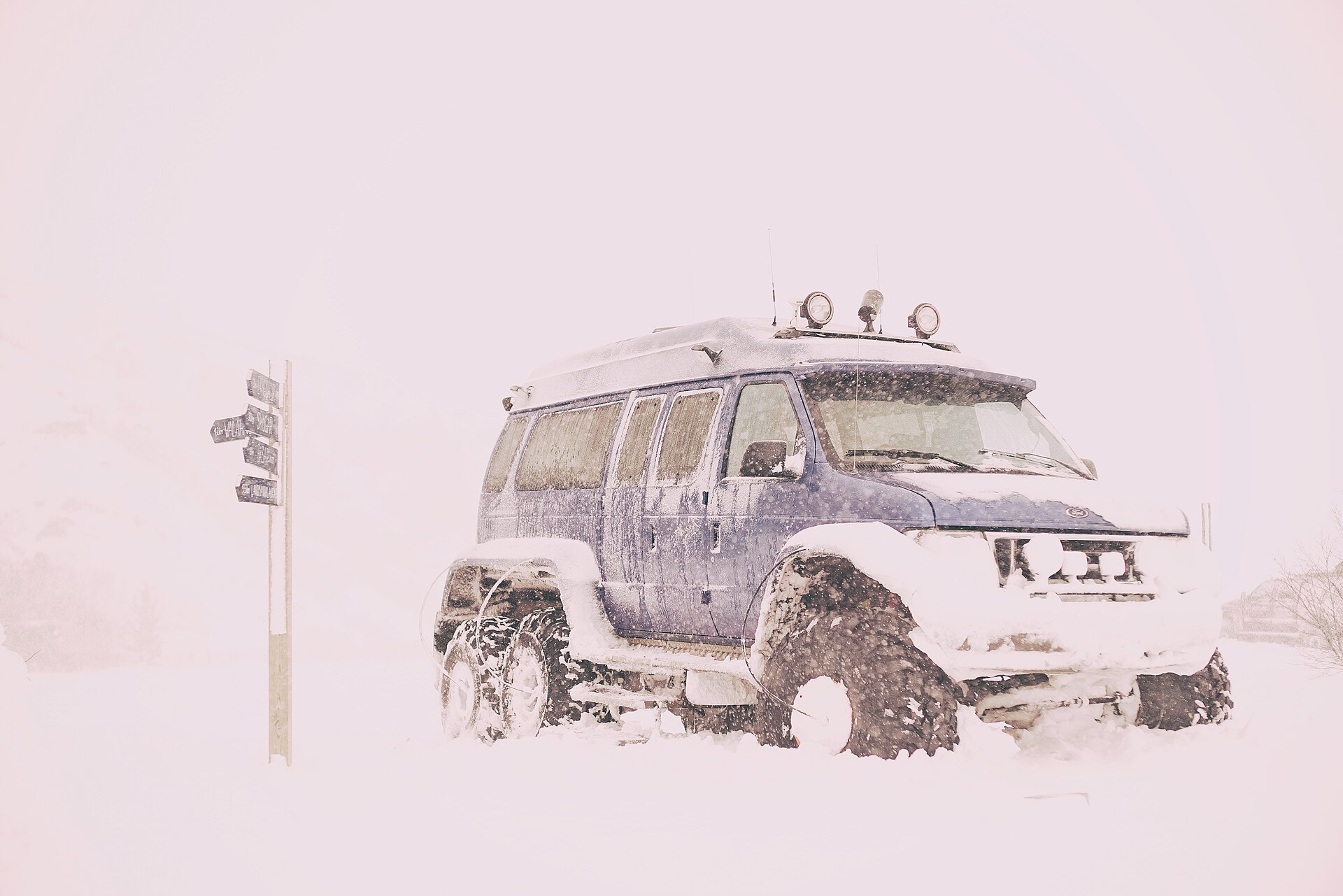
Ask what the car actually has before you rely on 4WD
Before booking, get the rental company to confirm the tyre type, tread and wear, whether studs are fitted, which winter tools are in the car and whether that vehicle category suits your planned roads. Studded tyres are generally used from 31 October to 15 April, but the calendar is not a safety guarantee. The driver still has to match the vehicle to the road, weather and visibility on the day. Before leaving, check Umferdin, SafeTravel and IMO alerts. If one item remains unclear, shorten the drive, change the vehicle or cancel the cross-region move.
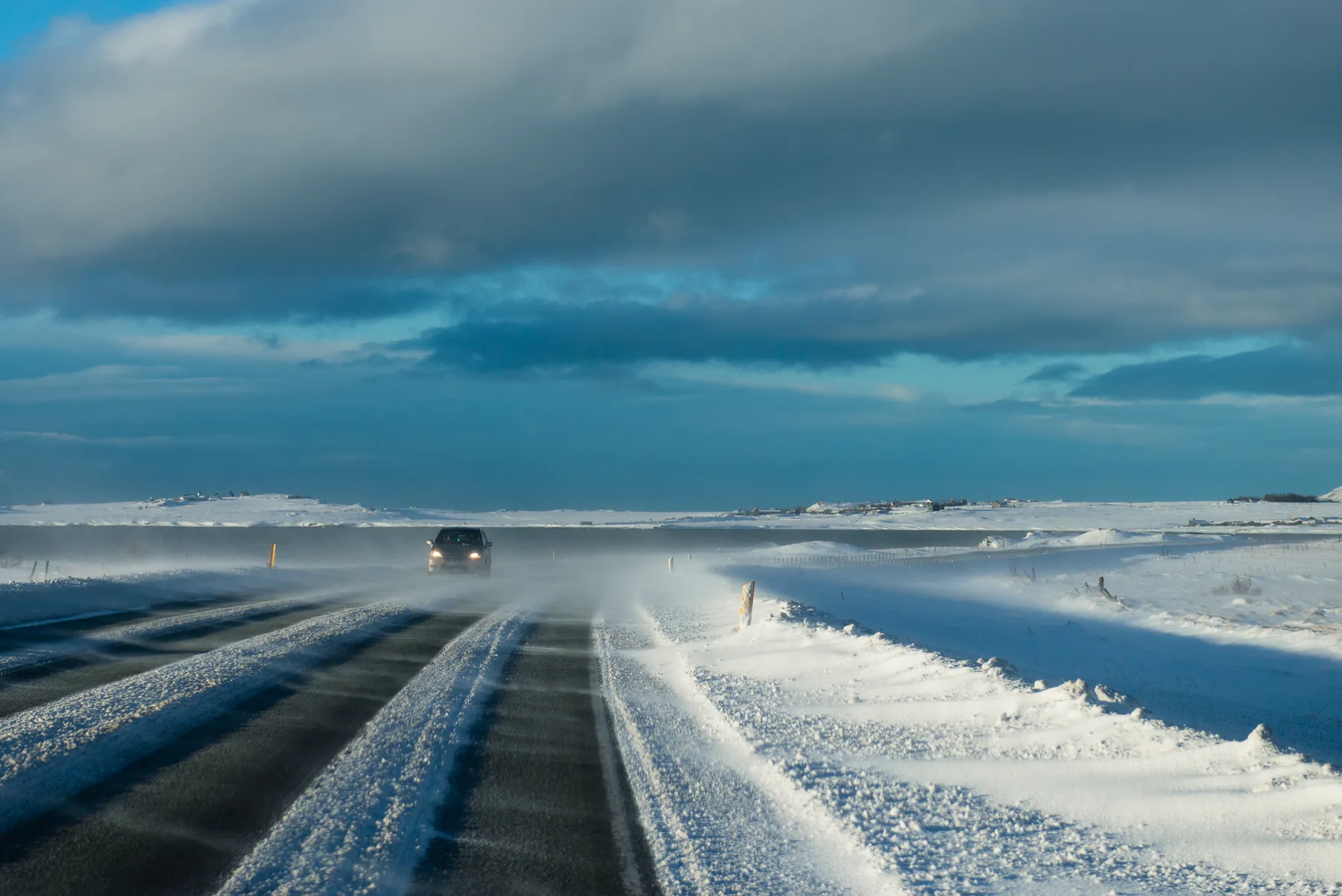
ICENAVI WINTER FIT · VEHICLE EQUIPMENT
Put tyres, equipment, rental terms and route on one decision card
This decision score asks whether there is enough evidence to support your planned winter route. It is not a rental-car inspection or a promise that roads will be open. Recheck the tyres, demisting system, screen wash, tools, luggage capacity, rental terms and same-day weather when you collect the car; a zero in any one category should not be overridden by the total.
A written or on-site record of the type, consistency across all four wheels, tread and wear, pressure and supplier commitment is more reliable than the words “winter tyres” alone.
Screen wash, wipers, demisting, lights and a snow scraper must work properly in the parking space before you have a fair chance of seeing the road in poor visibility.
The vehicle class, F-road and seasonal-road rules, river crossings and insurance restrictions all need to align. 4WD describes the vehicle; it does not replace contractual permission.
Same-day information from IMO, Umferdin and SafeTravel supports the decision to continue, shorten the route or stop. Good tyres cannot make a closed road passable.
There is room for the luggage, and resupply, accommodation, recovery and legal parking are available along the way. That gives you options if the vehicle fails or the plan changes; a larger car is not automatically safer.
Keep the original route only when the tyres, visibility, road access and same-day conditions all hold. If any hard requirement is unresolved, change the vehicle, move the accommodation or choose a driver-led option.
This card separates what the vehicle can do from whether the road can be used today. You may collect a 4WD and still need to stop because the road is closed, visibility is poor, the luggage does not fit or the rental terms prohibit the route. Conversely, a short city-based trip may not justify paying for highland capability you will never use.
| Option | What it preserves | What you give up or accept | When to choose it |
|---|---|---|---|
| 2WD / smaller vehicle | Lower rental cost, simpler city driving and easier short-stay parking | Less room for luggage and less margin on snowy starts or remote sections; you need to stop earlier when weather worsens | Cities, the Golden Circle or a checked short section of Route 1 |
| AWD / 4WD | More traction flexibility on some surfaces and with some loads | Higher cost; studded tyres and tools may not be included; F-roads, rental terms and current road conditions still apply | The route genuinely calls for it and the supplier confirms the vehicle class and road access in writing |
| Change accommodation / shorten the transfer | Sleep, visibility margin, resupply and room to change direction | One attraction may have to go, and changing bookings can cost money; already-paid activities cannot all be recovered | The tyres or weather do not support the planned cross-region drive |
| Driver-led activity / day tour | The supplier handles the driving, meeting arrangements and part of the road risk | Fixed timing, route and cancellation rules, with less freedom to stop | You want a snowy experience without taking on a long drive in wind or snow |
The rental desk is often where travellers feel most patient: everyone has just landed, the luggage is beside them and the group wants to get moving. That is exactly when tyre questions are easiest to skip. A tall vehicle with snow lights on the front does not mean its wheels suit the road you plan to take tonight. “Winter conditions” in a rental agreement may not mean every piece of equipment is free or included as standard.
Travellers often use “winter tyres” as shorthand for studless winter tyres, studded tyres, all-season tyres and four-wheel drive. They are different things. Tyres provide grip, the drivetrain sends power to the wheels, and traction control intervenes when the vehicle begins to slide. If the road is closed or visibility has failed, none of them turns a restriction into permission. For the upstream decision about when to stop driving in a storm, read When an Iceland snowstorm means cancelling your self-drive. This page focuses on the questions to ask while collecting a car you can still use.
Separate legal dates, rental promises and safety responsibility
Police guidance on studded tyres is easily reduced to “they are legal only from November to April”. The guidance also reminds drivers to keep the vehicle safe for the conditions at the time, rather than relying on the calendar. For visitors, the soundest approach is to ask the supplier to confirm the collection date, the vehicle's tyres and the intended roads in writing, instead of interpreting the rules on the company's behalf.
| What you hear | What it proves | What you still need to ask | What you cannot infer |
|---|---|---|---|
| Studded tyres are generally used from 31 October to 15 April | The police's seasonal reference point and the context for exceptions | Whether the vehicle collected that day actually has studded tyres and who decides when they are changed | That every road is suitable during those dates |
| Winter tyres included | The name of one item promised by the supplier | The tyre type, tread condition, whether all four match and whether there is an additional charge | That they are studded tyres or a particular brand |
| 4WD / AWD | That power can be delivered to more than one wheel | Tyres, ground clearance, road access, rental restrictions and current conditions | That you may drive on closed, restricted or unsuitable roads |
| Snow chains / snow shovel available | That the supplier may offer additional equipment or a rental option | Whether it fits the wheel rims, who may install it and whether it can be confirmed in the agreement | That installing it at the roadside lets you overcome a restriction |
I am deliberately not writing one “standard answer” for every rental company in Iceland, because fleets, seasons and agreements change. Save the supplier's reply on your phone and compare it with what you hear at the desk. If the answer is still only “they usually have them”, treat it as unconfirmed. For the boundary between F-roads and vehicle eligibility, continue to F-roads and 4WD; keep the two questions separate.
Five things you will need on your first morning besides the tyres
Snowy vehicle photographs are appealing, but most travellers are not heading straight off-road. Before leaving a parking space in the half-light, you may need to clear the glass, deal with a frozen door, read the roadside posts and decide whether the road is worth taking. These are the items I would check one by one at collection. Their absence is not automatically a reason to reject the car, but you should know the alternative and who will provide it.
| Equipment / check | What it solves on the road | What to ask at collection | What to do if it is missing |
|---|---|---|---|
| Screen wash and wipers | Clears salt, mud, snow mist and spray so you can see ahead | Whether the screen wash is suitable for freezing temperatures, and whether the jets and wipers work | Ask the supplier to refill it or deal with it in a town with services |
| Snow and ice-clearing tools | Clears windows, lights, the number plate and mirrors | Where the tools are stored and whether they are safe for the windows | Ask the rental company first; do not scrape the paint aggressively or use hot water |
| Matching tyres on all four wheels | Avoids unpredictable handling caused by uneven grip | Who confirms the type, size, wear and pressure of all four tyres | Request another vehicle or written confirmation of the acceptable range |
| Lights, heating and demisting | Reduces blind spots and window fog in poor visibility | Whether dipped beams, main beams, fog lights, heating and front and rear demisting work | Do not set off at night; return to the desk |
| Recovery and contact information | Tells you whom to call for a breakdown, getting stuck or a road problem | The 24-hour number, accident procedure and conditions under which you must not continue driving | Do not leave the site; ask for the agreement and support information |
After collecting the car, photograph all four tyres, the windows, lights, number plate and fuel level. This is useful for any later claim, but it also gives the group a clear record that the vehicle was checked. If the first leg heads straight to Keflavík and Reykjanes or Reykjavík, use the city roads to get used to the demisting and braking before setting off with your luggage on a long South Coast drive immediately after landing.
Consider the route before choosing 2WD, AWD or a driver
Vehicle choice is not a ranking in which the largest car automatically wins. It depends on the roads, season, passengers, luggage and how much change you can absorb. Route 1 and the highland F-roads present different questions, while short winter daylight and wind can alter the time needed on the same road. If your plan is limited to Reykjavík, the Golden Circle and fixed day trips, paying for highland capability you will not use may not buy you a meaningful fallback.
| Your route | Check first | Acceptable choice | When to change the plan |
|---|---|---|---|
| Reykjavík / short city drives | Parking, clean windows, visibility in short daylight and collection and return times | A smaller vehicle or no rental car, with excursions handled by driver-led activities | Weather makes the airport-to-city journey unsuitable for self-driving |
| Golden Circle / South Coast on Route 1 | Tyres, road updates, a clear point at which to stop in wind and snow, Vík accommodation and a point where you can turn back | A 2WD or AWD vehicle confirmed under the rental terms, without paying for unused highland capability | Road notices, visibility or the latest safe check-in time cannot all be met |
| Highlands / F-roads | Seasonal opening, rental permission, vehicle requirements, river crossings and recovery limits | A vehicle that meets the terms or a checked Super Jeep / bus excursion | Any eligibility, opening or weather information is unconfirmed |
| Electric-vehicle ring road trip | Winter range, charging locations, cabin-heating consumption and alternative bases | A charging rhythm that matches the daily distance and the towns where you can stay | The next reliable charger exists only as a map icon, with no current evidence |
If you already know that you do not want to learn a new car in a snowstorm, a driver-led day tour is not a consolation prize. Self-drive or day tour lets you assess the driver, fixed route and weather-related cancellation policy together. Rent a car when you genuinely need flexibility, rather than because the words “four-wheel drive” feel reassuring.
A map cannot check your tyres
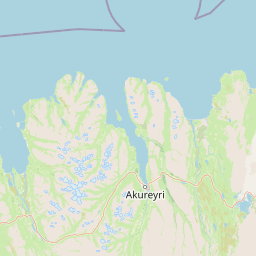
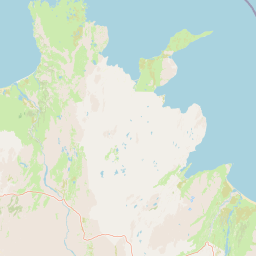
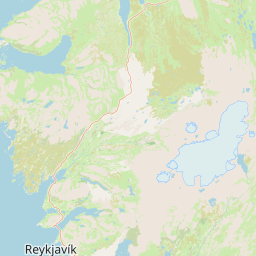
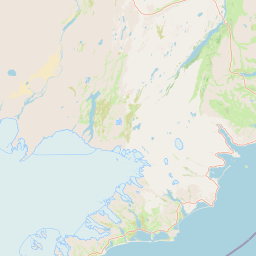
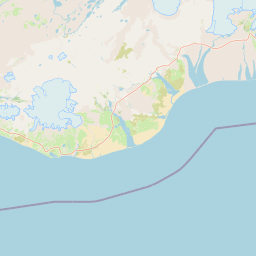
The map below places KEF, Reykjavík, Vík, Höfn, Egilsstaðir, Akureyri and Borgarnes in their positions around Iceland's ring road. Its purpose is to show that equipment supports more than today's attraction: it also matters where you can stop for supplies, help or a change of accommodation. The labels describe route roles, not same-day road conditions or winter opening status.







Do a ten-second parking-space test at collection
Do not listen to a string of technical terms at the desk and drive away. Complete a small test in the parking space: turn on the heating and demisting, clear one section of glass, switch on the lights, brake gently at low speed, then inspect the tyres and bodywork for obvious damage. This is not a mechanical inspection report. It confirms that you know where the controls and tools are and whom to call if something goes wrong.
| Test | What completion looks like | What to do if there is a problem | How to record it |
|---|---|---|---|
| Demisting and heating | The windscreen clears effectively and the controls respond | Stay in the collection space and ask staff to demonstrate it or change the car | Photograph the control panel and note the time |
| Screen wash / wipers | The jets, wipers and fluid clean the glass normally | Ask for a refill first; do not mix in an unknown liquid | Photograph the clear view |
| Lights and number plate | Dipped beams, main beams, fog lights and the number plate are not covered in packed snow | Ask staff to clear them; do not leave with the problem before a night drive | Photograph the front and rear from all four corners |
| Low-speed braking | The response is smooth in a safe area, with no unusual sound | Stop immediately and follow the rental company's support process | Note the mileage and location |
| Tyres and bodywork | The four tyres match in type and size, with no new scratches or obvious low pressure | Mark it on the agreement and ask staff to confirm it | Take one close-up and one wider photograph |
If someone in the group is already saying “let's go”, ask them to read how navigation and official road information divide the work while the driver completes the test. Five minutes saved is not worth spending the entire day worrying about the car. If you plan to sleep in the vehicle, read campervan overnight stays and winter restrictions first, because legal campsites and working heating are separate issues.
ICENAVI winter equipment confidence score: a low score means changing the car or route
This is not a rental inspection or proof that roads are open. It turns the questions most often missed into one shared decision. Give each category 0 to 2 points. A total of 8 or more is enough to compare with the original route; below 6, return to the desk, accommodation plan or driver-led option. If tyres, demisting or recovery information scores zero, do not set off regardless of the total.
| Dimension | 2 points | 1 point | 0 points |
|---|---|---|---|
| Tyre evidence | Type, condition on all four wheels and the rental promise are confirmed in writing | You only know that “winter tyres” are included; details remain for the desk | The supplier's statement conflicts with what you find on site |
| Visibility equipment | Screen wash, wipers, demisting, lights and snow-clearing tools all work | One item needs a refill or demonstration | You cannot restore a clear view in the parking space |
| Route access | Seasonal road status, vehicle class and rental conditions agree | One road or vehicle restriction is unresolved | The route includes a closed, restricted or ineligible section |
| Base and fallback | Resupply, accommodation, network coverage and legal parking are available along the route | There is a town, but services or opening hours are unconfirmed | The only option is waiting on an exposed roadside shoulder |
| Support arrangements | The 24-hour number, accident procedure and stop-driving conditions are clear | There is a number, but you need to search the agreement for the details | You do not know whom to contact after a breakdown or slide |
A high score does not mean that you must complete the ring road. It means you have more information with which to choose. Reminders from the Icelandic Police, Vegagerðin and SafeTravel still need to be applied to today's car, road and visibility. If snow and wind push the answers down, continue to the decision to stop in a storm. If the issue is a closure, read how to rebuild the day after a road closure. If you are deciding whether a full ring-road trip truly warrants a larger vehicle, read how to assess 4WD for a ring-road itinerary; not every problem is a tyre problem.
Ten questions to ask before payment or collection
- Does the supplier mean winter tyres, studless winter tyres, studded tyres or all-season tyres?
- Will the vehicle collected that day actually have those tyres, and do all four match?
- Who confirms the tyre size, wear, pressure and responsibility for replacement?
- Do the studded-tyre dates and the conditions on the day support each other, rather than relying on the calendar alone?
- Are screen wash, wipers, demisting, lights and snow-clearing tools in the vehicle and working?
- If the vehicle does not match the booked category, will the rental company offer a replacement or only a verbal explanation?
- Does your route include F-roads, seasonal roads, vehicle restrictions or side roads that may close?
- Where is the next resupply or accommodation stop, and can you safely pull over there to make contact?
- Where are the 24-hour number and stop-driving instructions for a breakdown, slide, accident or road closure?
- Do you want 4WD because the route genuinely needs it, or because one label feels like it removes uncertainty?
Vehicle pages make the numbers look reassuring. What often keeps the day workable is less photogenic: clear glass, matching tyre condition, a safe place to stop and knowing whether you can stay another night. Resolve those points before heading towards the South Coast. If your aim is simply waterfalls and an ice-cave visit, a checked activity transfer can take on the driving during a stormy day. For the order in which fixed-time activities fit together, read how to sequence Iceland activity bookings.
Related reading
Align the vehicle with today's road information
Google Maps, offline maps and official road informationWhen a snowstorm means cancelling your self-driveThe boundary between F-roads and 4WDMore to read
Then connect the route with the booking decision
How to rebuild the day after a road closureWinter driving in IcelandSelf-drive or day tourQ&A | Does four-wheel drive mean every Icelandic road is usable in winter?
Does four-wheel drive mean every Icelandic road is usable in winter?
No. 4WD cannot replace suitable tyres, road access, weather, rental restrictions or driver ability. F-roads, gravel roads and closed sections must each be checked against same-day information.
What is the minimum to confirm before renting?
Confirm the actual vehicle or vehicle category, tyre type, screen wash and snow-clearing tools, road restrictions, return requirements, and the cover or exclusions for gravel, glass, tyres and the underside of the vehicle.
Is checking the tyres enough at collection?
No. Test the demisting system, wipers, lights, screen wash, heating and snow scraper in a safe parking space. Record the mileage, fuel or battery level and any existing damage.
If the equipment information is unclear, should I upgrade the vehicle?
Do not fill an information gap with the size of the vehicle or the name 4WD. You can change the car, change the route or choose a driver-led option, provided the supplier and road terms give you an answer you can verify in writing.
References
Tyre rules, road conditions, alerts and rental equipment can change. The sources below were checked on 5 September 2026; before departure, follow the same-day official pages, local signs, rental agreement and the supplier's written reply.
- Icelandic Police / Ísland.is | Winter tires: Seasonal guidance for studded tyres and the reminder to keep the vehicle safe for the weather and road conditions at the time.
- Icelandic Police | Studded tyres: The general reference period of 31 October to 15 April and the context for exceptions when weather requires them.
- SafeTravel Iceland | Winter driving test: Guidance to check roads and weather before winter driving, remain flexible and keep the plan adaptable.
- SafeTravel Iceland | Driving in Iceland: Pre-departure and in-route checks, local signs and safe-driving principles.
- Umferdin | Road notifications: Entry point for road conditions, closures and affected sections.
- Vegagerðin | The traffic centre: The traffic centre monitors roads and weather throughout the year and updates road information.
- Hero image: Jonatan Pie / Wikimedia Commons, CC0. The image illustrates vehicles, visibility and the scale of recovery in snow and ice; it does not represent any rental company's vehicle class, tyres, equipment or same-day road conditions.
- OpenStreetMap: Base map and attribution for the winter services map. The reference points indicate geographic scale only and do not guarantee same-day navigation, road conditions, tyre availability or arrival times.
.jpg)
This is an L1 entry point for winter rental-equipment decisions. It does not place a rental CTA here: confirm that the vehicle and road genuinely fit first, then continue to a checked rental, accommodation or activity page.