
ICENAVI PRACTICAL FIT · COVER & LOSS
Write down the worst day first, then look for the policy's way out
The scores cover medical help, weather cancellation, rental-car roads, activity terms, credit-card cover and claim evidence; they are not a product rating for any insurer. Your formal policy, rental agreement and supplier terms at the time of payment remain decisive.
Separate people, vehicles, activities and prepaid plans so you can tell whether the policy replaces money, time or neither.
Know the emergency number, payment or claim process, pre-existing-condition rules and proof of diagnosis; a high limit is not a promise of immediate admission.
A weather event is claimable only under the wording: check official warnings, flight or supplier notices, notice deadlines and proof of non-refundable costs.
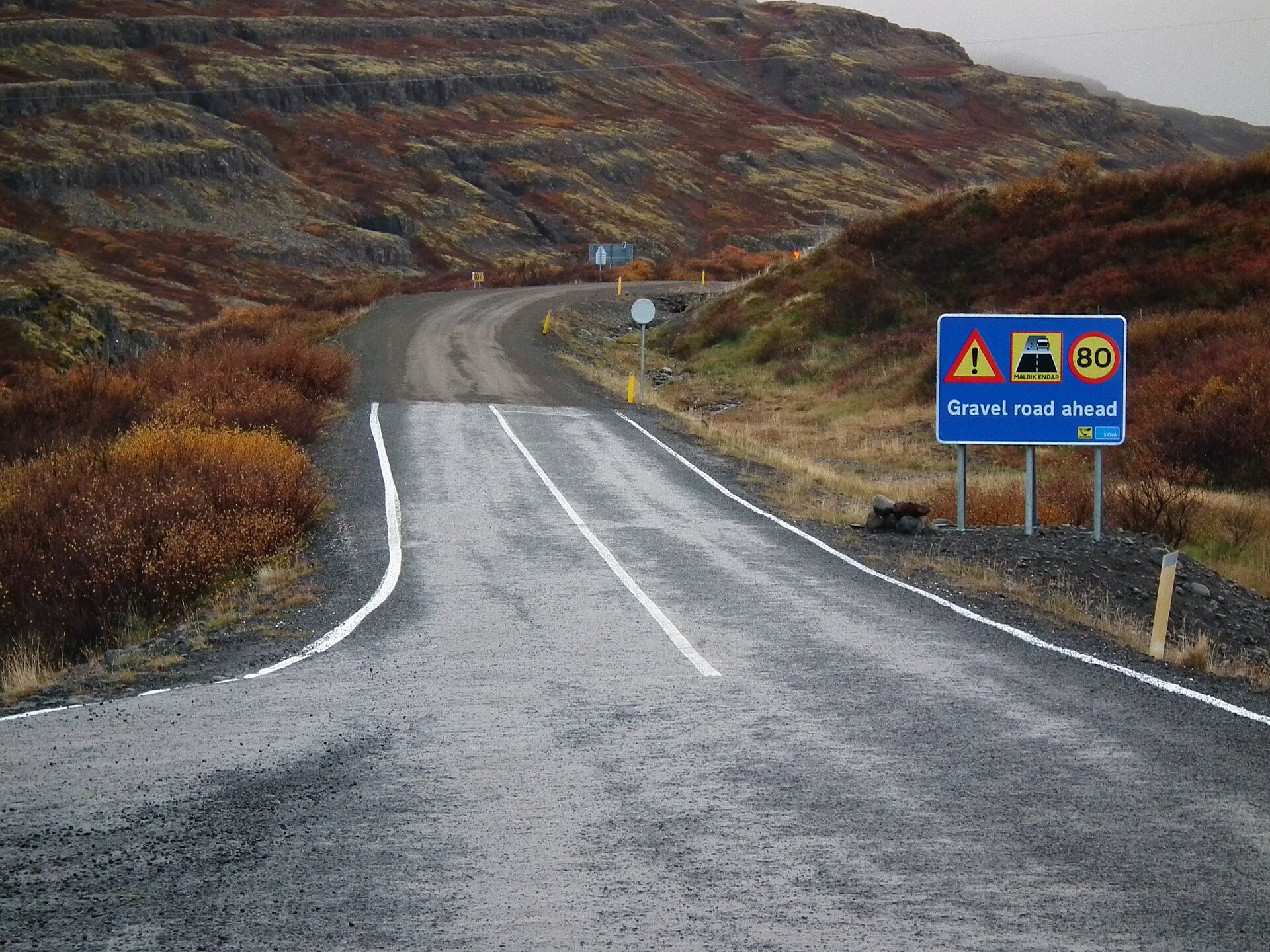
Read the agreement for F-roads, river crossings, underbody, tyres, glass, sand and ash, and recovery. A road being passable does not mean the rental agreement allows it.
A supplier cancellation may refund only the activity fee. Check the policy or retain flexibility for the hotel, dinner, transfer and day you lose.
Credit-card cover, the policy and the rental waiver may each cover a different slice. Keep policy numbers, receipts, photos and notice times accessible offline to everyone travelling.
The most exposed moment is often not when you see the storm. It is when you collect the car at Keflavík (KEF) and the desk asks whether you want another protection. Someone is waiting behind you, your phone is offline, and a companion assumes the credit card covers everything. Set aside the route written the night before and ask: if we cannot drive today, who carries the loss? If the car has one extra scratch, who pays first? If someone feels ill, can help be arranged directly? If the activity is cancelled, do we get the ticket price back, or the whole day?
Put "insurance" into four separate pockets
Medical care, cancellation, interruption and rental-car damage are different claims. Medical cover concerns treatment after an accident or illness; cancellation or interruption concerns not leaving, returning early or being forced to change the trip; rental-car cover is shaped by the company agreement, vehicle type, roads and excess. The activity supplier's refund policy is a fourth set of rules. Separating them shows where the actual gap is.
| What you face | Document to check first | The policy cannot promise automatically | Evidence to keep before paying |
|---|---|---|---|
| A companion needs treatment in Iceland | Travel medical cover, assistance number and payment or claim procedure | A visit to any clinic without payment, or cover for every pre-existing condition | Territory, medical limit, excess and definition of pre-existing conditions |
| You cannot depart the day before a storm | Cancellation or change reasons, official-warning requirement and notice deadline | A payout simply because you do not want to travel or the weather was foreseeable | Accepted causes, documents, claim deadline and non-refundable bookings |
| Gravel damages the rental car | Rental agreement, damage excess and the company's waiver terms | F-roads, water, underbody, tyres, glass or restricted roads | Vehicle, road restrictions, each excess, reporting and inspection process |
| An activity is cancelled because of sea or road conditions | Supplier cancellation, change and refund terms | The hotel, dinner, transfer or time you gave up | Voucher, meeting point, cancellation notice and refund confirmation |
Rental-car cover fails when the road is misunderstood
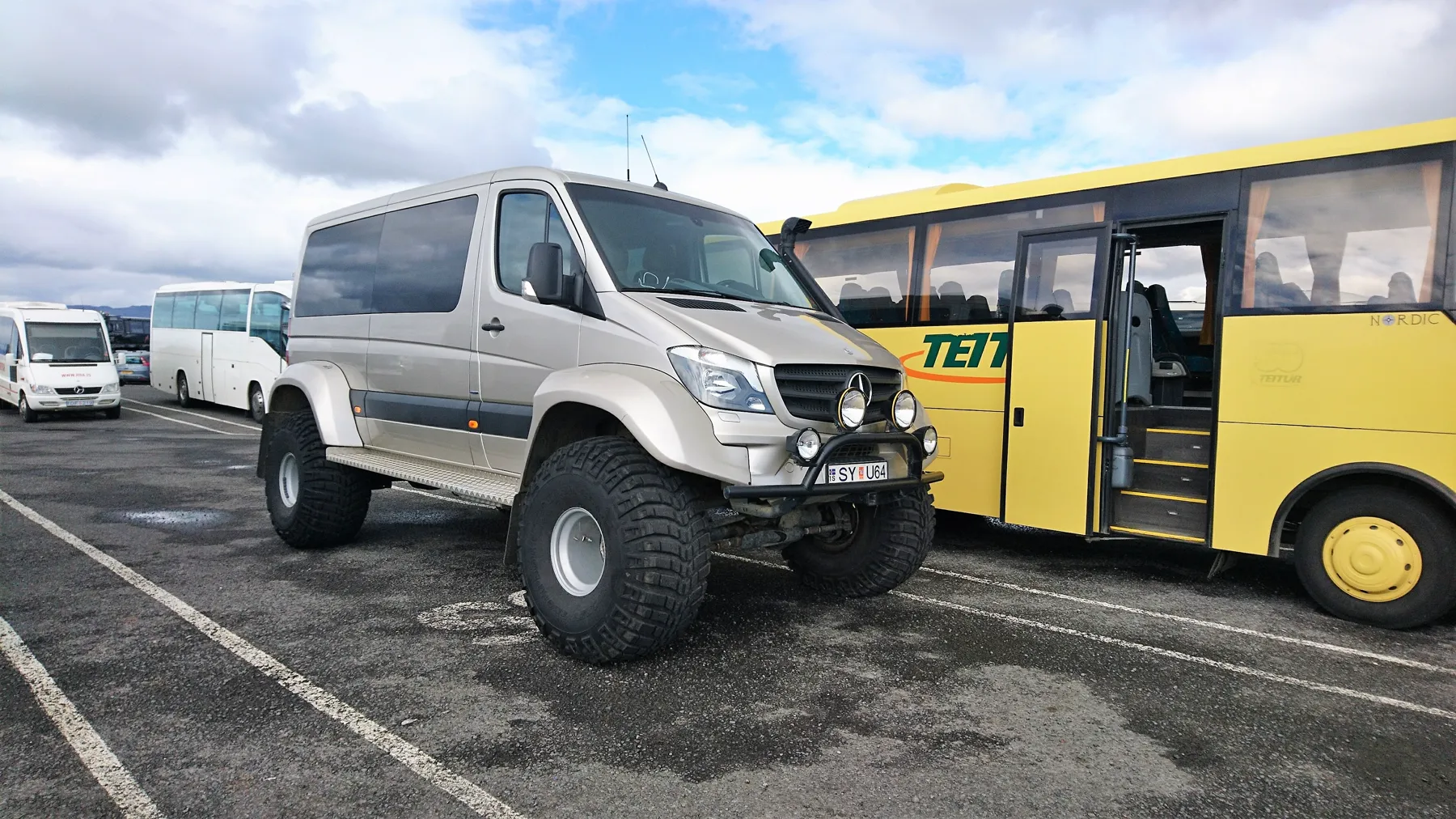
SafeTravel states clearly that insurance does not cover damage caused by driving a vehicle through a river; highland F-roads also have seasonal opening dates and vehicle restrictions. Keep "can the road be driven?" separate from "who pays if the car is damaged?" Four-wheel drive suggests a vehicle may have a capability; it does not turn a road forbidden by the agreement into an authorised one. Read the rental agreement's deposit, excess and exclusions first, then ask whether your route genuinely needs that vehicle.
Make a rental-cover card for bodywork, gravel, sand and ash, glass, tyres, underbody, recovery, keys and theft. Against each item write "included / excluded / separate excess / unclear". Do not fill a missing clause with a reassuring sales sentence. At pickup, photograph all four sides, the roof, wheels and windscreen from consistent angles. Photos do not guarantee reimbursement, but they remove one layer of dispute at return.
Medical cover is about getting help, not just the maximum amount
Travellers from outside the European Economic Area may have to pay all or part of the cost of medical care in Iceland before claiming from their insurer or another institution; in an emergency, call 112 directly. A large limit does not mean you will immediately find a familiar hospital in a remote area, and it does not guarantee cover for a pre-existing condition, alcohol, adventure activity or delay in following medical advice. Put the assistance number, policy number, emergency procedure and companions' medication information in an offline folder. That is more useful than leaving a PDF in one person's cloud account.
For glacier walks, snowmobiles, snorkelling or skydiving, read the supplier's health and age requirements and compare them with the policy's definition of sport. Some policies distinguish leisure activities from training or competition; others require you to follow the guide and wear specified equipment. An activity sold through Klook, KKday or GetYourGuide does not mean the platform has arranged your personal medical cover. The platform is the booking channel; the policy is a separate contract.
Cancellation and interruption: a refund does not return a lost day
When Icelandic weather deteriorates, an activity supplier will usually deal first with the ticket price, a new date or an alternative product. That money may come back while the non-refundable hotel, rental car, transfer and next-night meeting still cost you. Whether the policy responds depends on the stated cause, whether the event happened after cover began, and whether you can provide an official notice, medical certificate or transport record. Keep these layers separate.
| Event | Who to contact first | What to keep | Next recoverable option |
|---|---|---|---|
| Supplier cancels for safety | Supplier's refund or rescheduling channel | Cancellation email, original order and change or refund confirmation | Stay at the same base and switch to a free short walk or indoor day |
| A road closure prevents the next overnight stop | Hotel, rental company and official road information | Closure time, accommodation notice and extra transport or lodging receipts | Protect a safe bed first, then drop the furthest attraction |
| A companion falls ill and cannot travel | Medical provider and policy emergency assistance | Diagnosis or certificate, cancellation time and every non-refundable cost | Notify the insurer as required; do not wait until after take-off |
| You decide not to travel because the forecast looks poor | Airline, hotel and activity flexibility terms | Change deadline and price difference | If no clause supports it, keep one flexible element rather than treating insurance as a cooling-off right |
To rescue a day after an activity cancellation, read the activity-cancellation reshuffle. For a wet-weather departure, a rain plan that keeps the same hotels can reduce the loss more effectively than buying another outdoor activity at short notice.
Policy map: where a loss becomes larger
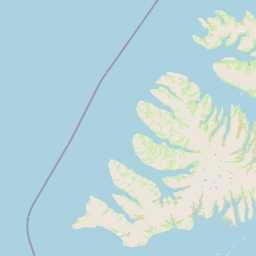
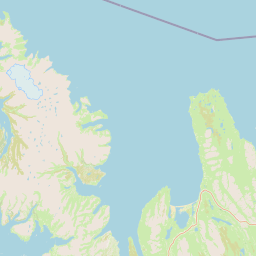
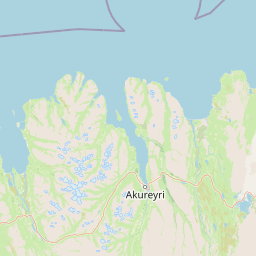
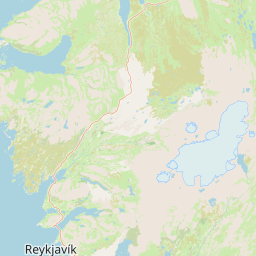
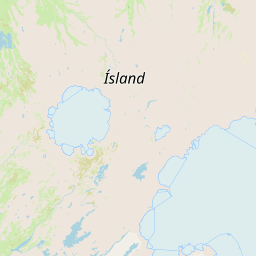
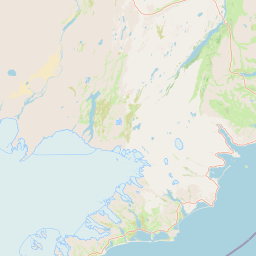
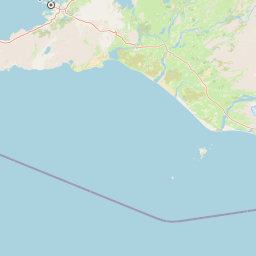
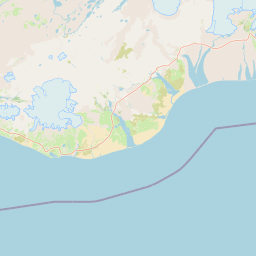
Insurance wording does not turn Iceland into one evenly weighted risk circle. After collecting the car at KEF, driving straight towards the South Coast ties vehicle damage, roads, accommodation and activities to one line. Reykjavík offers a denser set of medical, indoor and transport alternatives; the remote positions of Jökulsárlón and Mývatn magnify the time cost of recovery, changed lodging and a missed meeting. The map below uses a real OpenStreetMap base layer to show each base's role. It draws no imaginary route and does not mean an insurer will provide a service at any particular point.
ICENAVI Loss Exposure Score: test the policy against the worst day
I use six dimensions, each scored from 0 to 2, to measure how difficult your itinerary would be to recover when something goes wrong. This is not a ranking of insurers. A higher total means you need more cash, time and room to change course; it does not tell you to buy the most expensive plan. If two dimensions are still at zero, do not lock that day into an immovable chain of bookings.
| Dimension | 2 points: high exposure | 1 point: an exit remains | 0 points: clearly documented |
|---|---|---|---|
| Distance from medical care | Remote base with no assistance procedure saved | A phone number exists but transfer is long | Offline information, assistance number and companion roles are ready |
| Vehicle-damage excess | You do not know each limit or excluded road | You know the amount but have too little cash buffer | Vehicle, agreement, inspection and affordable exposure checked |
| Cancellation cost | Activity, lodging and transfer are all non-refundable | At least one item can move, or you can stay at base | The furthest item can be safely abandoned |
| Road responsibility | Road status and rental agreement conflict | A non-water, agreement-compliant alternative is reserved | Departure-day road status and rental boundary agree |
| Access to documents | Everything sits in one person's online account | The phone has files but companions have not tested them | Everyone can open the policy, bookings and contacts offline |
| Next-morning consequences | One cancellation makes you miss an early flight or fixed meeting | You can move closer or delay one item | The worst case still protects the next night and return |
Two nights in Reykjavík, a movable activity, driving only on Route 1 and no early flight usually expose less money and time than non-refundable Jökulsárlón lodging, a fixed ice-cave meeting and a following-day return to KEF. The second plan may still be right; it needs stronger cancellation evidence and a wider time buffer. If the route is not settled, read the full Iceland self-drive budget and put insurance costs into the same account before comparing at the desk.
Before paying, ask the policy these eight questions
- Does it cover medical care, cancellation, interruption and rental cars, or only one of them?
- Which official warning, flight record or supplier notice makes "severe weather" a covered cause?
- How does it define pre-existing conditions, chronic illness, pregnancy, alcohol and failure to follow medical advice?
- Are glaciers, snorkelling, snowmobiles, skydiving, off-road driving or highland activities listed as special activities?
- Are bodywork, glass, tyres, underbody, sand and ash, water and F-roads each stated in the rental cover?
- Is the excess charged per incident, person, trip or shared across the policy?
- Must you pay first and claim later, or can emergency assistance arrange a direct referral?
- If an activity has already been refunded, can the policy still address the hotel, transfer or extra costs left behind?
If you are arranging a rental car, the first steps after a self-drive accident separates 112, evidence, the vehicle's location and accommodation changes. If weather may cancel an activity, return to the activity booking order and put fixed times beside your flexibility. You may not choose the costliest policy, but you will know which kind of exit you are buying.
ICENAVI · THE LAST INSURANCE CHECK
What earns its place is not the words "peace of mind"; it is having a next move after the disruption.
Write down the conditions that cannot move, the options you can abandon and the excess for each incident. A policy handles the loss promised by its contract; you must reserve the flexibility in the itinerary.
RELATED READING
Next decision: which responsibility to check first
Rental agreement: deposit, excess and exclusionsSelf-drive accident: what to do firstActivity cancellation: how to protect the dayReferences
References
These sources were checked on 5 September 2026. Roads, medical arrangements, activity terms, insurance products and rental agreements change, so revisit the original pages and the formal documents supplied when you pay.
- SafeTravel Iceland: Travel plan (what route, vehicle and next-night accommodation information should be left with the safety system).
- SafeTravel Iceland: Highland driving (F-road season, river crossings and the safety boundary that insurance does not cover vehicle damage from driving through rivers).
- Visit Reykjavík: Medical assistance (medical costs for non-EEA visitors, EHIC scope and emergency number 112).
- Visit Iceland: Safe travel in Iceland (general Iceland safety and pre-departure checks).
- SafeTravel Iceland (road, weather and same-day safety information).
- OpenStreetMap contributors (base layer and public location data for the five-point loss-exposure map).
- Titoine08 / Wikimedia Commons: Gravel road ahead - Road 60 Iceland, CC BY-SA 3.0; the photograph shows tarmac changing to gravel and does not represent current road, rental or insurance conditions.

This is a trip and contract checking framework, not insurance, medical, immigration or legal advice. Cover depends on the policy you actually buy, the rental agreement, supplier terms and official information on the day of departure. If an accident or emergency has happened, follow the policy and local emergency-service instructions first.
Q&A · Questions to settle before departure
Can travel insurance make it acceptable to drive a closed road?
No. A policy may handle a qualifying loss, but it cannot make a closed road, a breach of the rental agreement or unsafe driving a lawful choice.
Are the rental-car excess and travel insurance the same thing?
No. Read the rental agreement's excess and exclusions for bodywork, windblown sand and underbody separately from the travel policy. One cannot endorse the other.