
Start with the cost that appears after the daily rate
Build the baseline from rental days, insurance or excess, fuel, contract mileage fees, parking or transfers, and driver or vehicle-class extras. Keep deletable route options in a separate column so a cheaper plan is not quietly buying more driving. Höldur’s current FAQ gives a mileage example from 1 January 2026: 6.95 ISK per kilometre in public charges plus a 1.86 ISK administration fee, 8.81 ISK per kilometre altogether. That is one supplier’s published example, not an Iceland-wide rate. Reykjavík parking is divided into P1–P4 zones, and a central hour can erase a cheap rental quickly. Two and four travellers also change the bill through vehicle class, luggage and activity transfers; dividing one total by headcount hides those differences.
ICENAVI DRIVE DECISION · REAL COST
Does this rental quote account for the costs that matter?
This score measures whether the budget fields are complete and recoverable; it is not a vehicle or supplier rating. Check rental, mileage, fuel, parking, deposit and cover terms against your booking version.
A daily rate is useful only when every rental day has a real job, pickup and return location, and a reason for the vehicle. A parked car is a removable cost.
Put the excess, zero-excess exceptions, card pre-authorisation, gravel, sand, underside and water damage in one place. “Full cover” is not a substitute for the wording.
Recalculate from the route kilometres, vehicle consumption and the pump price on the day, then list mileage fees separately. An extra stop costs more than one tank of fuel.
Central P1–P4, garages, parking, an additional driver, airport charges and activity transfers alter the total. “Central hotel” does not mean a parking space is included.
Sharing a vehicle can make the rental more worthwhile, but luggage, seats, accommodation and activity meeting points become harder to change.
Renting makes sense when the cost fields are complete, each rental day has a job and the route can still be recovered. A daily rate alone, or an idle car for the whole trip, does not earn this score.
Rental sites encourage you to focus on the first number: the daily rate and the price difference between two- and four-wheel drive. At the counter, you may also meet an additional driver, an excess, an “or similar” vehicle, a required return fuel level and a long drive you never meant to take because otherwise you miss check-in. A budget should separate money that is already committed from plans that can still be removed.
If you have not decided which days need a car, start with the decision window for renting in Iceland for one day or the whole trip. If you will drive straight from the airport to the South Coast, put KEF buses, transfers and renting on arrival into the same arrival-day calculation. One guide asks when the car is doing useful work; the other asks how people and luggage reach the first night's door.
Look at the map first, or the budget becomes just a daily rate

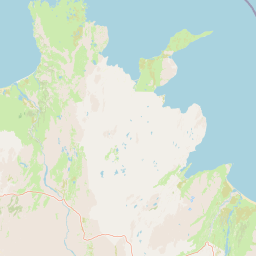
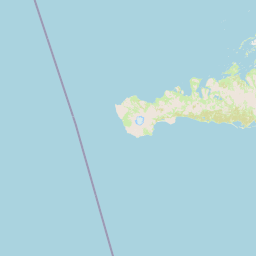
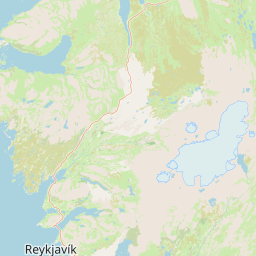
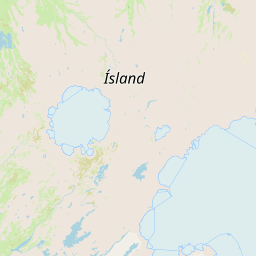
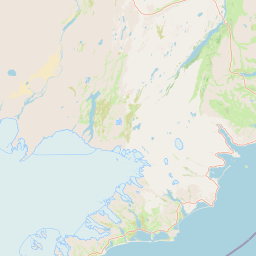
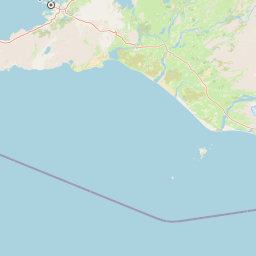
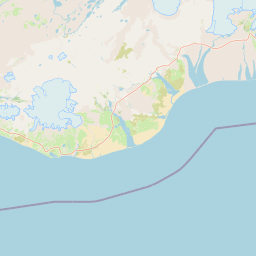

Break one car's cost into five layers
| Cost layer | Write this down | When it grows quickly | Ask first |
|---|---|---|---|
| 1. Rental baseline | Rental days, vehicle class, pickup and return locations, additional driver, airport fee | Adding a day for the first or final night while the car sits outside the accommodation | Is the car doing something public transport cannot do that day? |
| 2. Cover exposure | CDW/SCDW, excess, gravel/sand/ash, tyres, underside and water exceptions | Reading “full cover” as protection for every road and every weather condition | What is the maximum you owe per incident, and which damage is excluded? |
| 3. Movement | Fuel or charging, mileage fee or included kilometres, resupply detours | Driving further for one sight with no accommodation or activity value | Does this kilometre take you to the next decision, or only lengthen the map? |
| 4. Parking friction | City parking, garages, activity parking, waiting, resupply and luggage handling | Taking the car into P1 central Reykjavík and assuming “near the hotel” means free | Is parking available, and does the meeting point make the car a burden? |
| 5. Recovery and risk | Cancelable stays, route changes, an early finish, an extra base night, accident or towing options | Driving to a remote non-refundable night despite worsening weather | If tomorrow is unsafe to drive, can this money buy back a safer version? |
The first two layers are often fixed before payment. Layers three to five are where the itinerary can lose control. Comparing a very low daily rate with a quote that includes a different vehicle, cover and location tells you little. Complete the fields first; then the numbers become comparable.
2026 mileage fees: a small number becomes another line on a long road
Höldur's current FAQ says that from 1 January 2026 a mileage fee replaces part of the fuel road tax, listing a public fee of 6.95 ISK per kilometre and a Höldur administration fee of 1.86 ISK per kilometre, or 8.81 ISK per kilometre in total. It also says the charge is collected on total mileage at the end of the rental. The key point is not memorising 8.81; it is checking whether the contract you are reading contains it.
| Total rental mileage | Example at 8.81 ISK/km | Not included | Check this |
|---|---|---|---|
| 800 km | 7,048 ISK | Fuel, insurance, parking and other supplier charges | Whether the contract adds an administration fee, mileage cap or vehicle-specific rate |
| 1,200 km | 10,572 ISK | The assumption that sightseeing detours are free | Actual Ring Road and South Coast mileage, not the straight-line distance |
| 1,600 km | 14,096 ISK | An extra night or early finish caused by a long drive | Whether the supplier displays the public and administration fees separately |
These three rows are arithmetic examples, not booking quotes. When comparing companies, give “does a mileage fee exist, who collects it and when?” its own column. Otherwise a quote that puts the fee at checkout and one that does not display it will look unfairly different. For the contract details, read rental deposits, excesses and exceptions, which explains the difference between zero excess and zero responsibility. If medical cover and cancellation also belong in your calculation, use the four-box Iceland travel-insurance check; rental cover does not protect the whole trip.
Do not guess the fuel total: lock it with one formula
Fuel prices and vehicle classes change. Instead of publishing a quickly outdated unit price, enter the pump price you see: planned kilometres ÷ 100 × litres per 100 km × today's price per litre. For 1,200 km at 7 L/100 km, the result is 84 L. Using 330 ISK/L only for the example gives 27,720 ISK. The 330 is not today's quote; it shows how the calculation works.
| Your route version | The kilometres do this work | Allow for | Most easily missed |
|---|---|---|---|
| Reykjavík plus nearby tours | Rent only on activity days; do not leave the car idle in the city | Less fuel and mileage, possibly one activity transfer | Hotel parking and the time for pickup and return transfers |
| Two or three South Coast nights | Out-and-back driving towards Vík, waterfalls and Jökulsárlón, with accommodation bases | Fuel, mileage fees and a base near the activity meeting point | Driving farther to make a meeting time, then having to retrace the route |
| Ring Road | Long distances, resupply, route changes and weather buffer | Mileage, fuel and a recoverable accommodation night | Treating one extra sight as if it added only fuel |
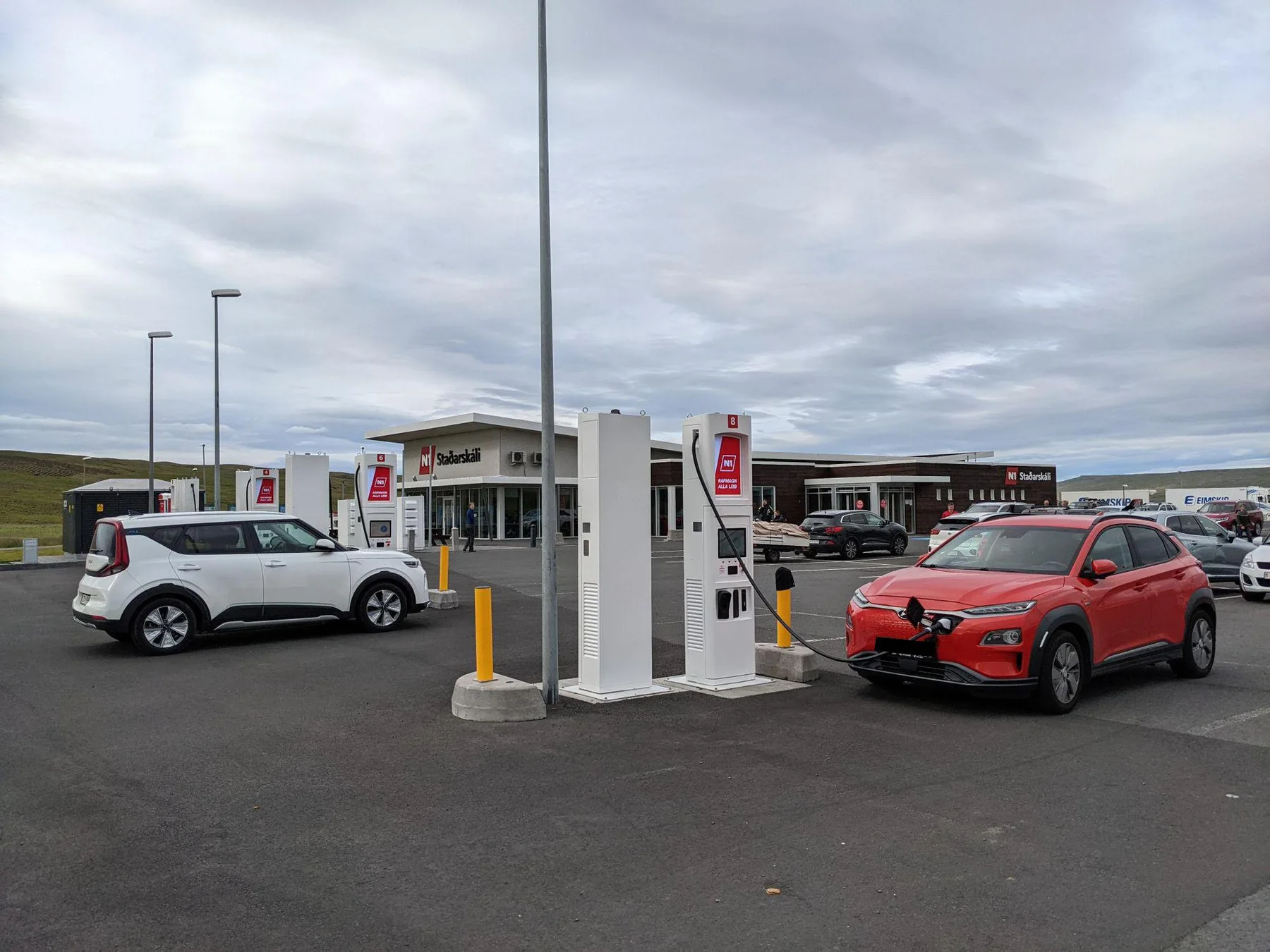
For an electric vehicle, charging is not automatically free. Ask about the charging network, the rental company's billing method, return requirements and available points on long stretches. The Staðarskáli N1 charging station in the lead image is a real scene; it simply reminds you that resupply is part of route planning, not that every road has the same equipment or same-day availability. Electric-car driving and winter range separates those questions by vehicle, road and accommodation.
Insurance value does not mean painting every risk green
| Words you see | Responsibility it may address | Still check | Do not infer |
|---|---|---|---|
| CDW/SCDW | Collision cover and an option to reduce the excess | Per-incident limit, vehicle differences, road and driver conditions | That CDW covers the underside, water damage or every gravel claim |
| Gravel/Sand & Ash | The supplier's specified gravel, sand or volcanic-ash risks | Damaged area, weather and use terms, and whether it is optional | That similar names mean the same cover and excess |
| Zero Excess | A reduction of some excess within the named cover | Exceptions, road restrictions, unnamed drivers and reporting deadlines | That zero excess means zero responsibility or permission to use closed roads |
Iceland Car Rental's published terms treat sand, gravel, ash and pumice damage as conditional cover unless specified protection or Zero Excess is purchased. Höldur's public information also says that each excess, underside damage and river or water damage must be handled under the contract. These examples teach contract reading; they should not be copied as a promise that another company uses the same terms. Save the first steps after a self-drive accident before you travel, so you do not have to begin with a guess based on an insurance label.
Parking is not a footnote: one central Reykjavík hour has a price
Reykjavík currently lists four paid zones. P1 is 660 ISK per hour, usually charged 09:00–21:00 on weekdays and 10:00–21:00 at weekends, with a maximum of 3 hours. P2 is 240 ISK per hour. P3 is 240 ISK per hour for the first two hours and 70 ISK thereafter, on weekdays from 09:00–18:00. P4 is 240 ISK per hour on weekdays from 08:00–16:00. Follow the sign and payment page on site; the city is also reviewing zone and tariff structures. This information can change, which is why the date and sources appear at the end rather than being presented as a permanent map.
| What you want to do | Cost of taking the car into town | Cleaner option | When it is not worth insisting |
|---|---|---|---|
| Dinner and a short walk | Parking, finding a space, walking and leaving time | Stay outside the centre with parking, or leave the car at the accommodation | Carrying luggage for a few extra minutes is the only reason |
| Two city days | Two rental days, two days of parking and an idle vehicle | Return the car, then connect the city on foot, by bus or with a checked transfer | You never leave the centre and the car only occupies a space |
| Fixed-time activity | Meeting-point parking, late-arrival risk and the next long drive after the activity | Place accommodation and the meeting point in the same direction | Saving a transfer fee creates an unrecoverable risk of arriving late |
“City centre” in a hotel listing does not mean parking is included. Before booking, align the job of each Iceland accommodation night with the rental window. If a room costs 2,000 ISK more per night but includes parking, one fewer rental day and one fewer search for a central space, the apparently dearer room may be cheaper overall. The answer comes from finishing the calculation, not voting for one accommodation type in advance.
Two budget versions: choose the one you can still recover
| Version | Where the money goes | What it buys back | Likely regret |
|---|---|---|---|
| No car on city days | Activity transfers or buses, rental days for the South Coast or Golden Circle, no city parking | One fewer rental day, mileage fee, parking charge and pickup/return task | Wanting a remote stop without a transfer and having to rearrange |
| Car throughout, with stable bases | Rental, cover, mileage, fuel and cancelable accommodation | A route change when weather clears and fewer luggage moves onto buses | Keeping the car parked and paying for it through two Reykjavík nights |
| South Coast theme plus activities | Fewer Ring Road kilometres, with money reserved for a checked ice-cave or glacier activity | A shorter route, more room to change and a clearer accommodation direction | Treating “first visit means Ring Road” as a budget rule |
With seven nights, for example, you might spend two in the city, three on the South Coast, one near the airport and keep another as a buffer. You may not need to lock in a car from landing to departure. Conversely, if activities meet in remote places, your group has substantial luggage and buses would constrain you, the higher baseline may buy back flexibility. The useful question is which payment buys the decision you need most.
ICENAVI Budget Fit: fill all five boxes before calling it an overspend
This score does not rate a vehicle brand. It identifies the most fragile budget field. Give each dimension 0–2 points; if any box is 0, change the route or fill the information gap instead of covering every uncertainty with the most expensive insurance.
| Dimension | 2 points: grounded | 1 point: check again | 0 points: stop and recalculate |
|---|---|---|---|
| Rental window | Every rental day has a clear job; pickup, return and flights align | One day may be idle, but the choice is not made | Renting throughout for reassurance without a day-by-day need |
| Contract exposure | Excess, exclusions, mileage fee, fuel and drivers are recorded together | You saved only the total and not the contract version | Treating zero excess as permission to use every road |
| Mileage/fuel | Recalculated from the actual route and pump-price formula | Using a straight-line map or the site's default mileage | No fuel or mileage column in the budget |
| Parking/meeting points | Accommodation, activities, city parking and luggage work align | You know the broad area but not the parking policy | The fixed meeting time conflicts with the accommodation direction |
| Recovery room | You have cancelable nights, route changes and an early-finish version | One or two items are non-refundable, but another base exists | A weather change leaves only a hard drive to remote accommodation |
ICENAVI · Final budget call
The cheapest car is not always the route that costs least
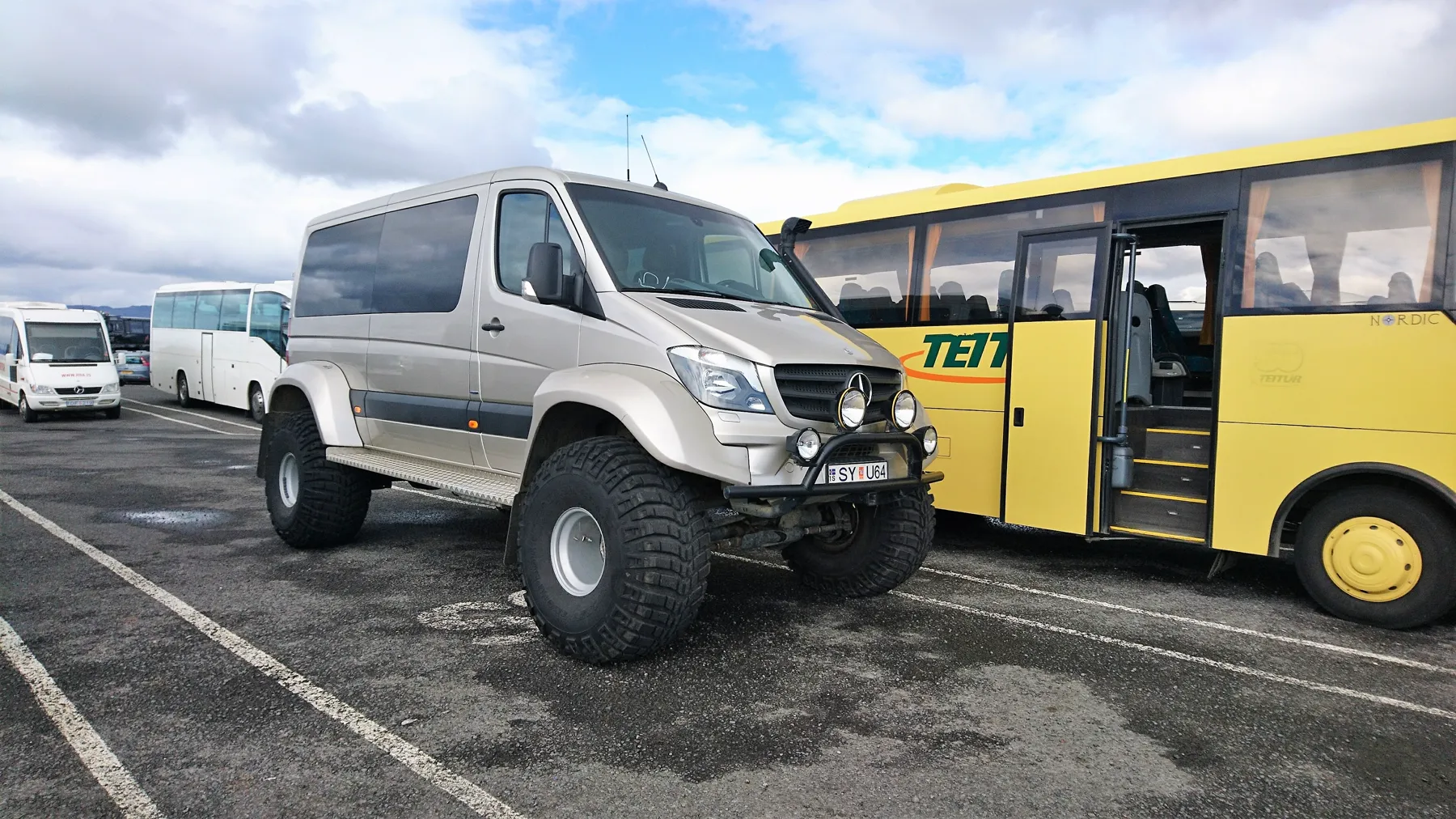
A cheap car can make you rent two extra days, stay in a central hotel without parking, drive late for a meeting time or continue when weather says stop. The discount has bought away choices. A higher rental baseline used only for the South Coast days you truly need may leave accommodation, activities and the return leg adjustable; that can be the more honest budget. Protect the nights you can still recover, then decide which experience deserves an upgrade.
Ten questions before payment: put the checkout small print on one sheet
- Is this the actual vehicle class, or “or similar”?
- Do the pickup and return locations add an airport, shuttle or one-way fee?
- How are an additional driver, age, licence requirements and the credit-card hold handled?
- Is there a mileage fee, whose rate applies and when is it collected?
- What are the fuel or charging requirements at pickup and return?
- How are CDW, SCDW, gravel, sand, ash, tyres, glass, underside and water damage separated?
- What is the excess per incident, and what exceptions apply to zero excess?
- What happens to accommodation and the rental if a road closes or an activity is cancelled?
- Does the city accommodation have an actual parking place, and what does it cost?
- If driving is unsuitable tomorrow, which night can be cancelled, shortened or moved closer?
Give the ten questions to one travelling companion and ask them to read the sheet once more. That often exposes a field everyone assumed was included. A budget does not need to look polished; finding one day to remove or a hotel with parking before payment is more useful than a graphic showing only the daily rate. If you next need to compare activities and accommodation, follow the Iceland booking order; fixed meeting times and first and final nights should be settled before an activity CTA.
Related reading
List the jobs the car genuinely needs to do
Rent a car for one day or the whole trip?Iceland airport bus or rental car?Rental contract: deposits, excesses and exceptionsHow to plan Iceland accommodation nightsMore reading
Set the budget, then handle roads and activities
F-roads and the decision to stop at water crossingsIceland self-drive accident: what to do firstIceland driving signal and offline backupIceland activity booking orderQ&A | Which Iceland rental-car cost should you calculate first?
Does a low daily rate mean the rental is cheaper?
No. Add mileage, fuel or charging, cover, parking, the credit limit tied up by the deposit, and accommodation or activity changes caused by having the car. Only then do you have a comparable total.
How should I add a mileage fee to the budget?
Multiply the expected total kilometres by the contract's per-kilometre fee, then leave room for route changes and parking searches. Do not use only the shortest map route: weather and road changes can add mileage.
Does a larger group always benefit from renting?
Not always. More people can share the rental, but luggage, parking, driver responsibility and fixed activity meeting times add constraints. If the car is used only briefly each day, a bus or activity transfer may be easier.
Should the deposit count as travel spending?
It may not become a final charge, but count it as credit unavailable during the trip when planning cash flow. Release timing depends on the contract, damage checks and the card issuer.
References
The following information was checked on 5 September 2026. Rental contracts, mileage fees, fuel prices, parking rules, roads and activity terms can change; check the supplier and official pages again before payment.
- Höldur | Spurt og svarað (FAQ): published 2026 example of 6.95 ISK/km public mileage fee, 1.86 ISK/km Höldur administration fee and 8.81 ISK/km total; also explains full-tank return, card protection, vehicle condition, damage and road restrictions.
- Höldur | Rental terms: boundaries for drivers, roads, fuel, F-roads and rivers, incident reports, each excess and mileage fees; one supplier's terms do not represent every company.
- Iceland Car Rental | Terms: examples of specified cover and exceptions for gravel, sand, ash, pumice and Zero Excess; used to teach contract reading, not to make an industry-wide promise.
- Reykjavík Parking Service | Obligation to pay: current P1–P4 hourly charges, charging periods, limits and zones; signs on site take priority.
- Reykjavík Parking Service | Parking garage tariffs: short-stay and monthly examples for central garages; availability and tariffs must be checked on the day.
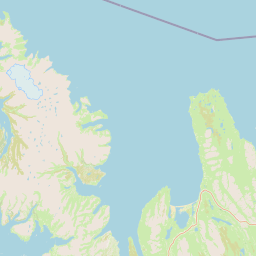
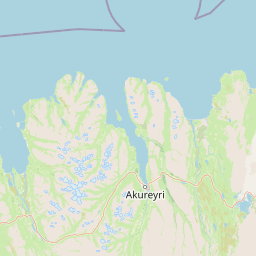
- OpenStreetMap contributors: base map and attribution for the five budget markers; compares geographic scale only and does not guarantee navigation, road conditions or cost.
- Lead image: Wikimedia Commons: N1 Staðarskáli EV charging station, used under CC BY-SA 4.0; author Drumstick21. The site only resized, cropped and converted it to WebP. The image explains the space around Icelandic long-distance resupply, fuel stations and charging equipment; it does not represent today's price, availability or rental-energy terms.

This page is an L1 self-drive budget entry point and contains no unverified rental CTA. Calculate rental, mileage, cover, fuel, parking and recoverable route choices before moving to downstream transport, accommodation or activity transaction pages.