
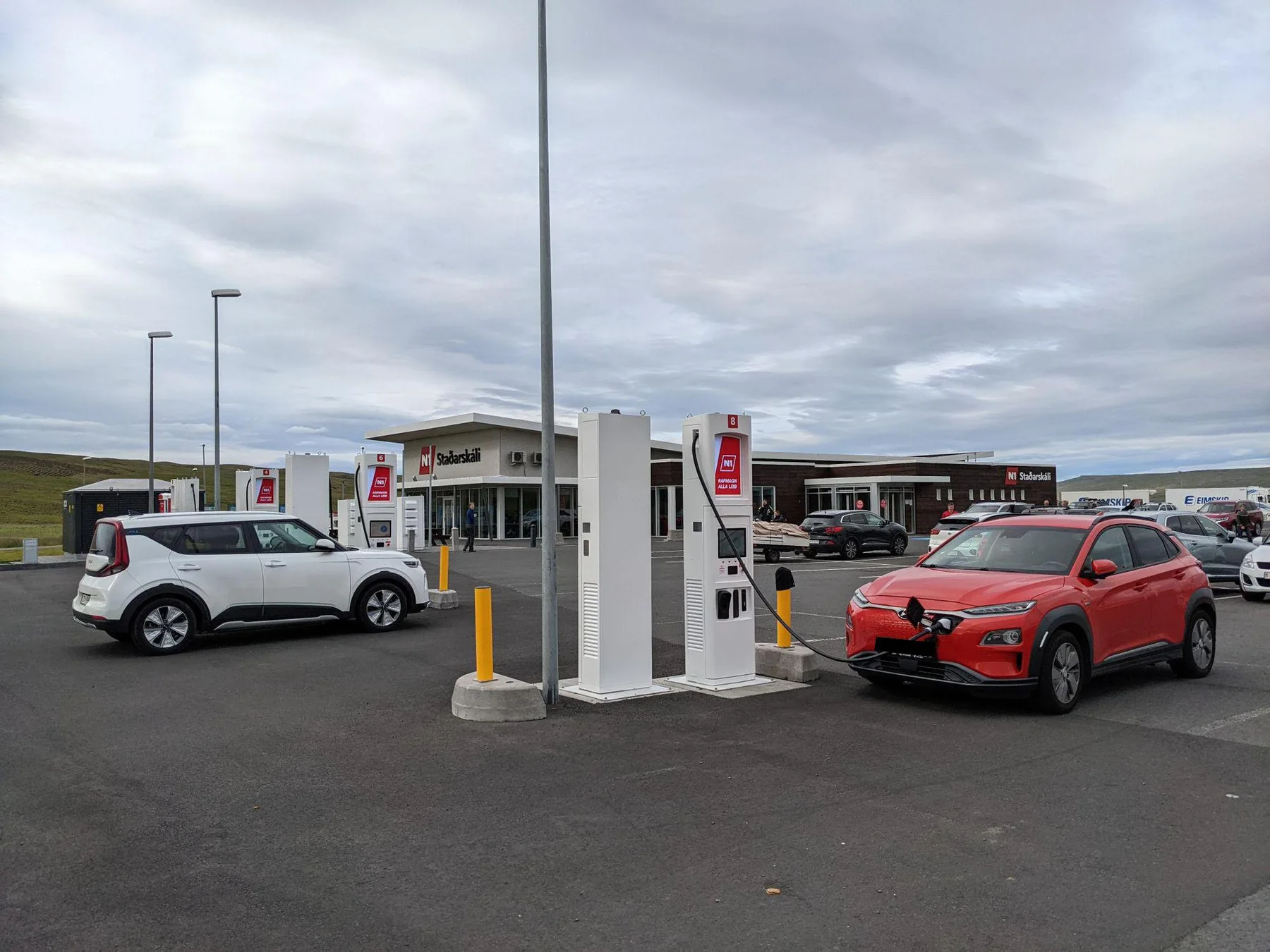
An EV works when charging is part of the day
A summer Ring Road itinerary with a reliable station near each day’s stop can suit an EV. Petrol or hybrid is more forgiving for winter long legs, remote stays, Highland plans or a schedule with no time to manage two charging networks. Treat the dashboard range as a planning estimate, not a timetable: check prohibited roads, the Type 2 cable and the return-charge rule in the rental terms, then note a primary and backup station on the ON and Ísorka maps for your departure date. The self-drive accommodation charging and luggage checklist covers the room end; this page stays with the car, weather and route capacity.
ICENAVI · EV ROUTE CHECK · RANGE AND CHARGING
Can the route still work after weather or a missed charger?
Use these numbers as a route-planning check, not a range guarantee for any particular model. Results change with the vehicle, temperature, wind, road, heating, load, charger status and rental terms. Recheck with departure-date information before payment.
ON and Ísorka give you two places to search; neither map icon guarantees a free bay, working equipment, compatible connector, payment or same-day status.
Heating, low temperature, headwinds, speed and snow conditions all reduce usable mileage; there is no reliable winter adjustment that fits every model.
A listing that mentions charging does not promise a free bay; keep written answers about booking, fees, night access, plugs and parking.
The Ring Road and city days are easier to arrange; F-road bans, winter roads and each rental company's return-charge rule need separate checks.
An EV has a real fallback only when you have a primary station, a backup, a sight you can drop and accommodation you can change; with one unconfirmed station, shorten the route or change cars.
Summer Ring Road and city or South Coast short routes are workable; winter long legs, the Highlands, remote stays or fixed meeting days usually suit petrol or hybrid better.
Use the numbers as planning prompts, not promises. For a summer Ring Road with flexible accommodation, charging access matters more than the winter buffer; in wind and snow, a fixed activity meeting or a Highland route can still fail even when the vehicle shows a 7.5 road-and-contract mark.
| Choice | Best suited to | What you gain | Trade-off to accept |
|---|---|---|---|
| EV | Summer Ring Road, city days and accommodation you can adjust | Connect charging to lunch, supplies or your stay, with a quieter drive | Manage a primary station, backup, overnight charging, apps and return charge |
| Hybrid | Several winter transfers, uncertain charging and less pressure to rely on pure electric range | Not every leg has to depend on the next charger | Road-rental terms still apply, and fuel is not a reason to skip a road check |
| Petrol car | Highland or F-road plans, remote accommodation and long winter legs | One layer of charging logistics disappears and changes are usually easier to absorb | Fuel cost, return rules and road risks still need their own checks |
| City stay plus day tour | Uncertain road or range conditions when you still want South Coast or ice-cave activities | A fixed activity arrangement carries the long-drive and charging risk | Meeting times are fixed, so stops and sequence are not fully yours to set |
Rental pages usually put their range figure in the spotlight. It is useful in a test with level roads, moderate temperatures, no heating and no headwind, but it is not your safe Iceland distance. Cabin heating draws power, snow lowers speed, and parking or collecting passengers breaks the day's mileage into small pieces. The useful question is: do I still have a way out before the next dependable charger? Map the primary station, a second station and the overnight charging answer before comparing which car looks best.
Break range into four variables that can change
If the main driver's age is close to the supplier's threshold, check Iceland rental age and vehicle-group restrictions first. A beautifully calculated energy plan is useless if the booked vehicle group is not available to you at collection.
Do not turn winter range into one fixed percentage. Every road, car and heating setting behaves differently. Start with four variables when comparing plans: temperature, wind, road speed and load. This is an estimate, not a promise; it tells you which branch to cut first when one condition worsens.
| Variable | What happens in the car | Plan this on the route | What it cannot guarantee |
|---|---|---|---|
| Low temperature | Heating and battery temperature management use more energy | Put charging in towns where you can stop | The same winter range for every car |
| Crosswind / headwind | Speed falls, consumption rises and stops take longer | Keep a larger energy buffer than navigation suggests | A clear day will always allow summer distances |
| Road speed | The drive takes longer and heating runs for longer | Do not count sightseeing parking as charging time | Road kilometres equal energy use |
| Luggage / passengers | Weight, heating demand and frequent loading change | Confirm boot space and the charging-port position | A rental-page space photo shows your exact model |
| Your trip | Route capacity | What to check | Cost most easily missed |
|---|---|---|---|
| Summer Ring Road | High | Reserve one usable charger each day and never base accommodation on an assumed socket | An extra charging stop pushes back dinner and check-in |
| Reykjavík plus a South Coast short route | Medium-high | Use Vík or a nearby service town as the evening point; do not gamble on a slow socket at a sight | Hotel charging allocation, parking fees and connecting the cable after returning to the room |
| Winter long-haul or the Eastfjords | Medium-low | Keep an energy buffer on every leg, confirm the next day's roads and chargers, and do not treat daylight as extra time | Heating, snow, detours, queues and a late check-in |
| Highlands / F-roads | Not assumed | Read the rental contract and road rules first; four-wheel drive does not by itself grant access | A prohibited-road breach, underbody damage and a recovery distance with no charging |
ICENAVI stop lineIf the day requires a long drive, a fixed meeting and accommodation that cannot absorb a delay, while the route has only one unconfirmed charger, switch to petrol or hybrid. A display showing 80 kilometres does not mean you still have 80 kilometres of choices in snow, headwind and a missed dinner stop.
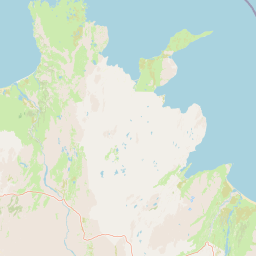
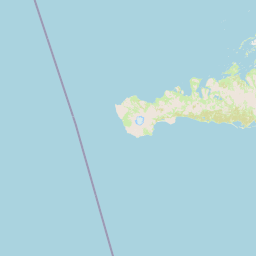
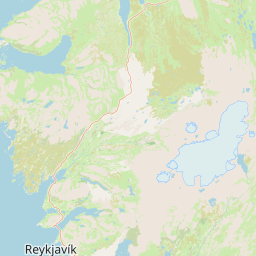
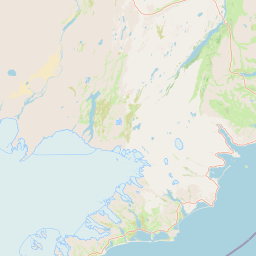
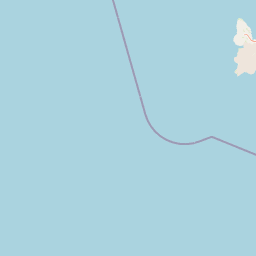
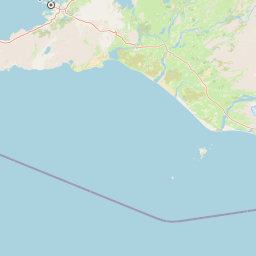
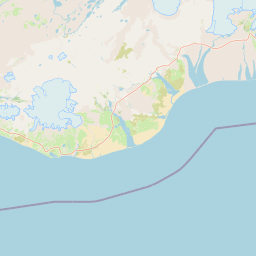
Put chargers back into real geography: the Ring Road is not an evenly spaced line

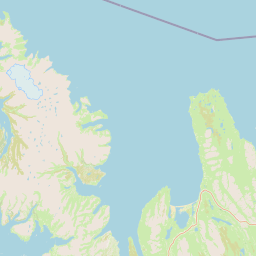
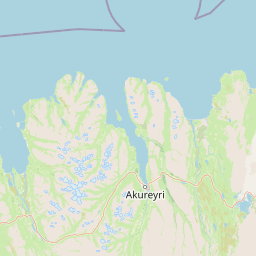

A charger is not a map symbol: check the backup and the wait
A map showing a charger answers only that equipment may exist somewhere. It does not confirm the connector, payment method, opening hours, whether someone is using it, fault reports or winter access. Before departure, put the primary charger and at least one backup on the same route sheet. If the backup requires a major detour, do not plan to arrive with just enough charge to reach it.
ON and Ísorka: prepare both entry points so the backup is real
ON says its app or website map shows its stations and usage status; the official Ísorka app offers open-station search, speed and price comparisons, start and stop controls and payment. This is not a vote on which brand is better. It determines whether a second executable option exists in the same service town when the primary station is occupied. ON's public 2026 tariff separates DC fast charging, AC travel charging and per-minute fees. Prices can change, so an old travel diary cannot replace a check before payment.
| Tool / source | What you can learn first | What still needs checking on arrival | Where it belongs in the plan |
|---|---|---|---|
| ON app / map | Station location, some station usage status and network access | Car connector, payment card, app activation and queue | The night before and ten to fifteen minutes before departure |
| Ísorka app | Open-station search, speed and price comparison, start / stop and payment | Actual plug, free bay, maintenance and signal | When creating a second-network backup |
| Hotel / guesthouse | Whether the listing mentions EV charging or parking | Reservation, extra fee, guest access to the socket and night entry | Keep a written answer by email before payment |
A city day needs a different approach from a Ring Road transfer. In Reykjavík, overnight accommodation charging or a short city drive can leave time for a restaurant or indoor activity while you wait. South Coast, East Iceland and Westfjords charging has to fit supplies, parking and arrival before sunset. If you stay in Egilsstaðir or Mývatn, do not ask only whether the town has one map icon; ask whether the next leg has enough of a fallback.
| Today's route | Primary charging plan | Backup | Where to stop |
|---|---|---|---|
| Reykjavík city day | Charge at the accommodation or in town while eating | Shorten the city drive and walk or take a bus | Do not cross the city to find another charger |
| South Coast transfer | Charge at a stop with a restaurant or supermarket | Drop the furthest stop and reach the accommodation earlier | The remaining charge cannot cover the return and a late arrival |
| East Iceland / Westfjords long leg | Confirm the main road and whether the accommodation can charge | Move to a nearer base or change car type | The backup has become a long detour |
| Winter storm day | Use only a station whose road and entrance you can verify | Wait where you are or make it a city / base day | SafeTravel or a road notice does not support travel |
Accommodation charging is only useful when it is available
A hotel that lists charging still leaves practical questions: do you need to reserve it, is it separate from the room rate, can you enter at night, which plug is provided and is the bay fixed? With one bay, peak season or a late arrival may mean someone else is already using it. If the bay is far from the door, carrying luggage and connecting in snow adds another task. The accommodation charging checklist separates these questions instead of treating a listing that says "available" as a guaranteed bay.
No charging at the accommodation does not automatically rule out an EV. You can charge during a daytime supply stop, meal or supermarket visit, but that shifts the evening arrival and may remove the buffer from an already tight activity day. The nightly driving-time limit helps test whether, after one extra charging wait, you can still finish the day at the time you accept.
Keep the rental company's contract separately. Blue Car's official EV information says its electric rentals cannot be driven on F-roads and notes that roads, weather, temperature and load can reduce real range below the dashboard estimate. Hertz's terms set out its own rules for a Type 2 cable, minimum return charge and charging administration fee. These are not Iceland-wide thresholds. Photograph the charge, cable and return requirement at collection; do not carry one company's 70% rule into another company's rental.
Remaining charge cannot replace your return time
Seeing half a battery can tempt you to add another waterfall or viewpoint. The real question is how much time remains after reaching your accommodation for charging, dinner, wet clothes and sleep. A queue makes that remaining charge feel even less useful. Write down the latest time you will leave a sight and the lowest charge you will accept. When either line is reached, return to the accommodation; that is fairer than arguing at dusk about one more leg.
One cost is easy to miss: while charging, you may not be able to walk far from the car. If the final stop has no indoor place to rest, do not leave charging until after arrival. Put coffee, a supermarket or dinner at the same stop so the wait becomes part of the plan instead of empty time in a car park.
In winter, test the road as well as the battery
Low charge is not the only risk. Blowing snow, crosswinds, ice and closures may stop you reaching the next charger at all. Check SafeTravel's same-day notices, road-management information and the rental company's guidance together before leaving. If conditions do not support the drive, staying at base or taking a day tour is a more controlled choice than driving the battery to its warning line. Winter driving decisions cover wind, ice, visibility and parking; this page turns those conditions into an EV fallback plan.
ICENAVI · THE EV ROUTE CHECK
Can the day still work if the next charger is unavailable?
An EV has room to recover only when a backup station, a flexible stop or an accommodation option can absorb the wait. If the route rests on one map icon and the maximum range figure, shorten the day, change cars or stay near base before the battery becomes the emergency.
Nine checks before collecting the car
- Have you confirmed the actual vehicle, battery capacity, charging connector and boot?
- What has the rental company said about winter tyres, heating and charging fees?
- Where is the primary charger each day, and is at least one backup genuinely on the way?
- If the backup fails or is occupied, can you shorten the route without driving at night?
- Does accommodation charging require a reservation, fee or night-entry access?
- Could low temperature, crosswind, luggage and heating remove today's range buffer?
- Which sight will you drop first if charge falls, and which accommodation cannot receive a late arrival?
- Will you check SafeTravel, road conditions and same-day charging information before departure?
- If you need a charger on two consecutive days, will there still be time for meals, parking and rest?
Driving an EV in Iceland can be comfortable, but it asks you to accept that conditions change each day. Put charging inside the itinerary instead of hiding it behind a rental-page range figure. Record the accommodation socket, road fallback and winter return line, and you will know whether the car is saving noise and fuel or turning each evening into a battery exam.
What should you confirm before an EV self-drive trip?
If the winter range display looks sufficient, can I drive the planned distance?
Do not use the dashboard figure alone. Low temperature, heating, headwinds, snow and detours reduce usable mileage. Confirm the primary and backup stations for your departure day and verify charging at the accommodation; the last bar is not route buffer.
What should I ask a rental company before booking an EV?
Confirm the vehicle model, whether a Type 2 cable is included, F-road access, the return-charge requirement and any administration fee for returning undercharged. These are rental terms and cannot be replaced by another supplier's policy.
Is there a practical fallback if a charger is unavailable that day?
Record the primary station and an alternative from another network. If the remaining charge cannot reach the next station, shorten the day or switch to a petrol or hybrid car before the risk reaches the road.
References
The following sources were checked in September 2026. Charging status, prices, vehicle models, roads and rental terms change; recheck your supplier and departure-date information before payment.
- ON Power: Let's travel together this summer (official app map, main charging stations and the idea of linking charging stops with services or activities).
- ON Power: Charging stations and ON app (station map, usage status, payment and charging operation).
- ON Power: Public charging tariff (public DC / AC prices for 2026; prices may be updated).
- Ísorka: Charging app (search open stations, compare price and speed, start / stop and pay).
- Blue Car Rental: Electric cars in Iceland (F-road restriction, range factors, Type 2 cable and common networks; applies to that supplier only).
- Hertz Iceland: Protection information (examples of Type 2 cable, return charge and charging administration fee; does not set other suppliers' terms).
- SafeTravel Iceland: Driving (road, weather, wind, snow and departure safety information; same-day conditions must be checked again).
- Umferðin (road conditions, closures and access information).
- Visit Iceland: The Ring Road (background on the scale of the Ring Road).
- OpenStreetMap contributors (real base map for the seven route positions in this article).
- Hero image: Drumstick21 / Wikimedia Commons, CC BY-SA 4.0; shown to explain service-station and charging-bay space, not current availability or vehicle model.

This is an EV route and pre-booking checklist, not a live charging-station list. Follow official apps, road notices and the rental contract before departure.