
ICENAVI STAY CHECK · RING ROAD PACE
Set the parking time before you plan the scenery
Scores combine the gap between navigation and real time, stop inflation, accommodation check-in cut-offs, fixed activities, weather and fatigue, plus the next day's exit. They are not safety ratings. Recheck roads, weather, rental terms and accommodation policies for your dates.
Putting pure navigation, stops, supplies, arrival and an unpredictable buffer on one account stops the overnight stay from paying for a daytime overspend.
Subtract collection, check-in, vehicle return and flight times first. What remains can go to sights; the latest check-in is not your target arrival time.
Allow separately for parking, walking, toilets, food, fuel and photographs. Underestimate each stop slightly and the afternoon absorbs the whole shortfall.
Tonight's bed should remove a detour tomorrow and leave room for parking, finding the entrance, a late check-in and basic supplies. Distance from the Ring Road is only one part of the choice.
Ice caves, whale watching, snorkelling and hot springs all involve reporting times, equipment, return travel and post-activity fatigue. Shorten the driving limit the night before a meeting point.
Keep a version that can drop a stop, go straight to the hotel or wait in place. That is the space you need for wind, visibility, a wrong turn or a travelling companion who needs a break.
I rarely begin by asking how many sights fit into today. The useful question is: when must the car be parked tonight? If the answer is 20:30, navigation cannot say 20:30. It should say 17:30 to 18:30 at the latest, leaving room for the things Iceland can introduce without warning: a closed mountain pass, a car park with no obvious entrance, or a companion finally admitting beside a waterfall that lunch is overdue.
Navigation time is only the first line of the day
Google Maps or a rental-car sat-nav usually gives you an ideal stretch in which the wheels never leave the road. A real Ring Road day pays four further time costs. The point is not to pad every stop mechanically; it is to know which cost forces you to remove one sight.
| Time allowance | How to estimate it | What is most often underestimated | How I would handle it |
|---|---|---|---|
| Pure navigation | From the first parking space of the day to the accommodation entrance | Navigation assumes ideal weather and omits works or pass restrictions | Treat it as the floor, not usable capacity |
| Parking and getting in and out | Allow 10–25 minutes at every paid or popular stop | The car park is full and the walk back is long; an older traveller changes shoes or a child needs carrying | Once there are two sights, put an hour into the account |
| Supplies and meals | Allow 45–75 minutes for fuel, toilets and a hot meal | The next town is not guaranteed to have a restaurant five minutes later | Finish this in a town with services rather than after arrival |
| Weather and photographs | Keep at least 30–60 minutes as recoverable buffer | Wind delays access, while rain or snow can halve walking speed | Place this allowance in the afternoon; do not gamble with check-in |
| Arrival tasks | Allow 20–40 minutes for parking, finding the entrance, self check-in and settling in | A rural hotel may have fixed reception hours and limited lighting outside | Record the cancellation deadline beside the latest check-in |
Suppose navigation shows 3 hours 10 minutes. I would not write “today's drive: 3 hours 10 minutes”. With four stops, the account may become 3:10 + 1:00 for parking and getting in and out + 1:00 for lunch and fuel + 0:45 for wind, rain and photographs + 0:30 on arrival: more than 6 hours in total. That may not look alarming. The problem is that if the first waterfall takes another half-hour, there is nowhere left to absorb it.
Put the bed on the real stopping line
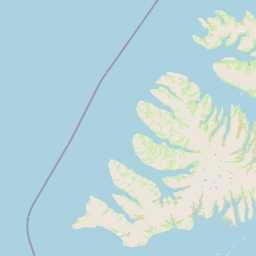
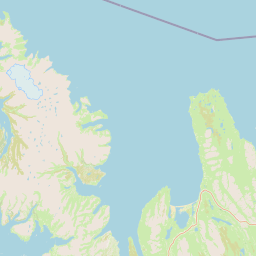
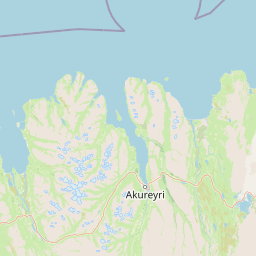
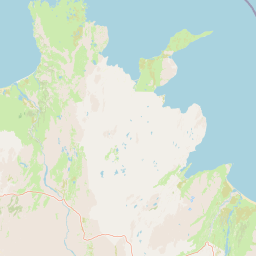
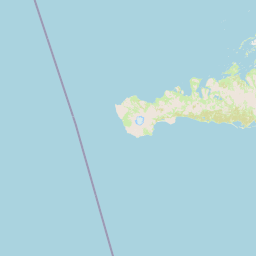
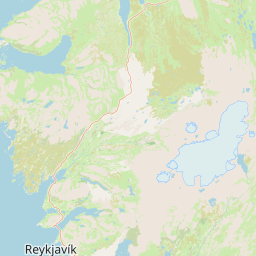
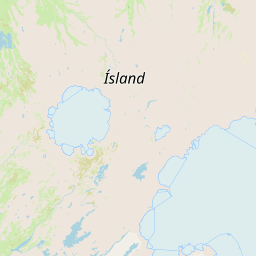
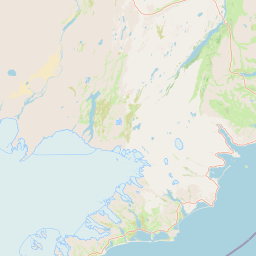
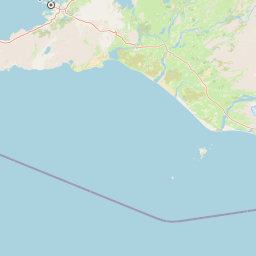
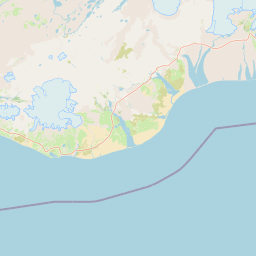
Ring Road accommodation should not be chosen by the kilometres between two pins alone. KEF and Reykjavík are arrival, car-collection and supply points. Vík lets you stop the South Coast early. Jökulsárlón Glacier Lagoon breaks up the following eastbound drive. This map does not calculate today's navigation; it shows how an overnight base changes the first hour of tomorrow.
Four traveller profiles need four different limits
There is no single magic number for daily driving, but you can set a limit that protects sleep. The driving figures below are pure navigation and do not include time at sights; arrival assumes clear parking and check-in arrangements. An official road warning always overrides the table.
| Your group | Suggested pure-navigation limit | More comfortable real-day capacity | Signs that mean shortening it now |
|---|---|---|---|
| Solo driver, first self-drive trip | About 3 hours | 5–6 hours including stops | Still not halfway before dark; neck and shoulders tightening; nobody can take over |
| Two drivers comfortable with long-distance driving | About 4–5 hours | 6–8 hours including stops | The second driver exists only on paper while one person still handles navigation and parking |
| Winter, spring thaw or a day of strong winds | Reduce to 2–3 hours according to current road conditions | 4–5 hours | SafeTravel or the road authority reports closures, poor visibility, wind or snow |
| A fixed ice-cave, boat or snow-activity meeting | No more than 2–3 hours the night before the meeting | Treat the activity day as a half-day; do not add a long cross-region transfer | The operator requires early reporting and there is no alternative route from the accommodation |
| Children, older travellers or a lot of luggage | About 2.5–3.5 hours | 4–6 hours | Toilets, hot food and getting in or out are already competing for the same minutes |
Real-day capacity is not a recommendation to fill every hour. It shows the gap between navigation and ordinary life. Two drivers do not automatically earn twice the mileage: if one is unfamiliar with right-hand traffic, winter surfaces or the rental car's size, changing seats still needs a proper handover. The Iceland daily driving time budget breaks down road type, stop density and fatigue signals; this page answers where the driving should end tonight.
Keep the room cancellable while the road is still uncertain
A hotel beside the Ring Road is not automatically a safe choice. Check whether arrival requires a side road, whether there is night-time self check-in, how parking is lit, when breakfast begins and whether simple food is available for a late arrival. A rural property that appears to be only 12 minutes away can consume the buffer you need if you must leave the main road, find the number, then turn around for the entrance.
That is why I would not build every Ring Road trip around an average of 200 kilometres a day. Kilometres are a blunt accommodation filter; the sharper question is where the first fixed commitment begins tomorrow. For nights on the South Coast, by the Glacier Lagoon or in the East, return to the Iceland accommodation night plan. If your eastern transfer is already fixed, the stay guide for Egilsstaðir and Vök Baths shows how supplies, a hot spring and tomorrow's exit can belong to the same overnight plan.
Three apparent time-savers that cost you later
Using a sight's closing time as usable time. Summer daylight does not mean you can check in two hours late. Hotel reception, restaurant kitchens and activity reporting have their own clocks. Ask when driving must end, then choose the last waterfall.
Trading a backtrack for a cheaper room. The difference may be only a few thousand Icelandic krónur, but each extra detour brings fuel, parking and fatigue. If tomorrow already points east, the South Coast accommodation comparison is a quicker way to find a base that does not send you back over the same road.
Writing “two drivers” into the plan without assigning the work. Car collection, road updates, navigation, childcare and fuel notes often still land on one person. Before changing seats, hand over the next parking point, current road conditions and the check-in phone number. Otherwise the fatigue simply moves to the passenger seat.
When weather turns, protect the night before the extra stop
I would remove, in order, a remote viewpoint, an unbooked photo stop and a restaurant that requires a detour, and only then consider changing the hotel. For a paid activity with a cancellation deadline, first check whether the operator can move the booking. Do not push the whole day into a snowstorm because you dislike losing a ticket. The road authority's live status, SafeTravel's safety advice and rental-company restrictions are more current than last night's screenshot of a forecast.
This order matters especially for April and October departures. Daylight may look generous, yet thaw, crosswinds and standing water can slow the final stretch. Iceland winter driving puts poor visibility, tyres and the point at which to stop driving in one table; do not carry summer navigation times into the shoulder seasons.
ICENAVI · The last decision before bed
One extra stop today: what does tomorrow lose?
Only add it when the answer is “nothing”. If the extra stop costs breakfast, pushes the meeting time to the edge or leaves you driving an unfamiliar stretch before daylight, even a beautiful sight may not justify it. A Ring Road trip is not a checklist; each night should end while you still have a choice.
Run a five-minute stress test before paying
- Write down the navigation-only drive, add one hour for stops and one hour for supplies. Can the day still finish two hours before the hotel's latest check-in?
- If the final sight is cancelled, does the accommodation still make sense? If not, you have paid for a route with no fallback.
- Does the slowest traveller have clear places for toilets, hot food and getting in or out of the car?
- If the road is worse tomorrow morning, can you wait here, take another route or shorten the next leg?
- Does this room rate save kilometres and steps, or only buy one more scenic photograph?
Once you answer these five questions, the accommodation search becomes quieter: you no longer need to inspect 30 properties before knowing which evening leg should end early. That is what a daily driving limit is for. It filters accommodation; it cannot promise Icelandic weather.
How can you keep daily driving on an Iceland Ring Road trip realistic?
Why can a six-hour navigation estimate still miss check-in?
Parking, short walks, fuel, photographs, meals and slower roads turn pure driving into a longer day. Add a check-in deadline or fixed activity and six hours should not be treated as the day's usable capacity.
Should we stay farther away to avoid moving our luggage?
Sometimes, provided the next day has no early boat, airport or long fixed transfer. One less unpacking saves set-up time, but a distant property can add fatigue and fuel to every evening.
When should you remove one sight?
Remove an optional stop when the final drive is approaching darkness, the check-in cut-off or an unsafe level of tiredness. Keeping space for the accommodation and the next departure usually serves the trip better than completing a list.
References
- Visit Iceland | The Ring Road (Ring Road scale and route background; recheck for the departure season).
- SafeTravel Iceland (same-day safety alerts, weather and road-risk advice).
- Icelandic Road and Coastal Administration (road conditions, closures, works and pass information).
- Vegagerðin (Icelandic road management and current travel information).
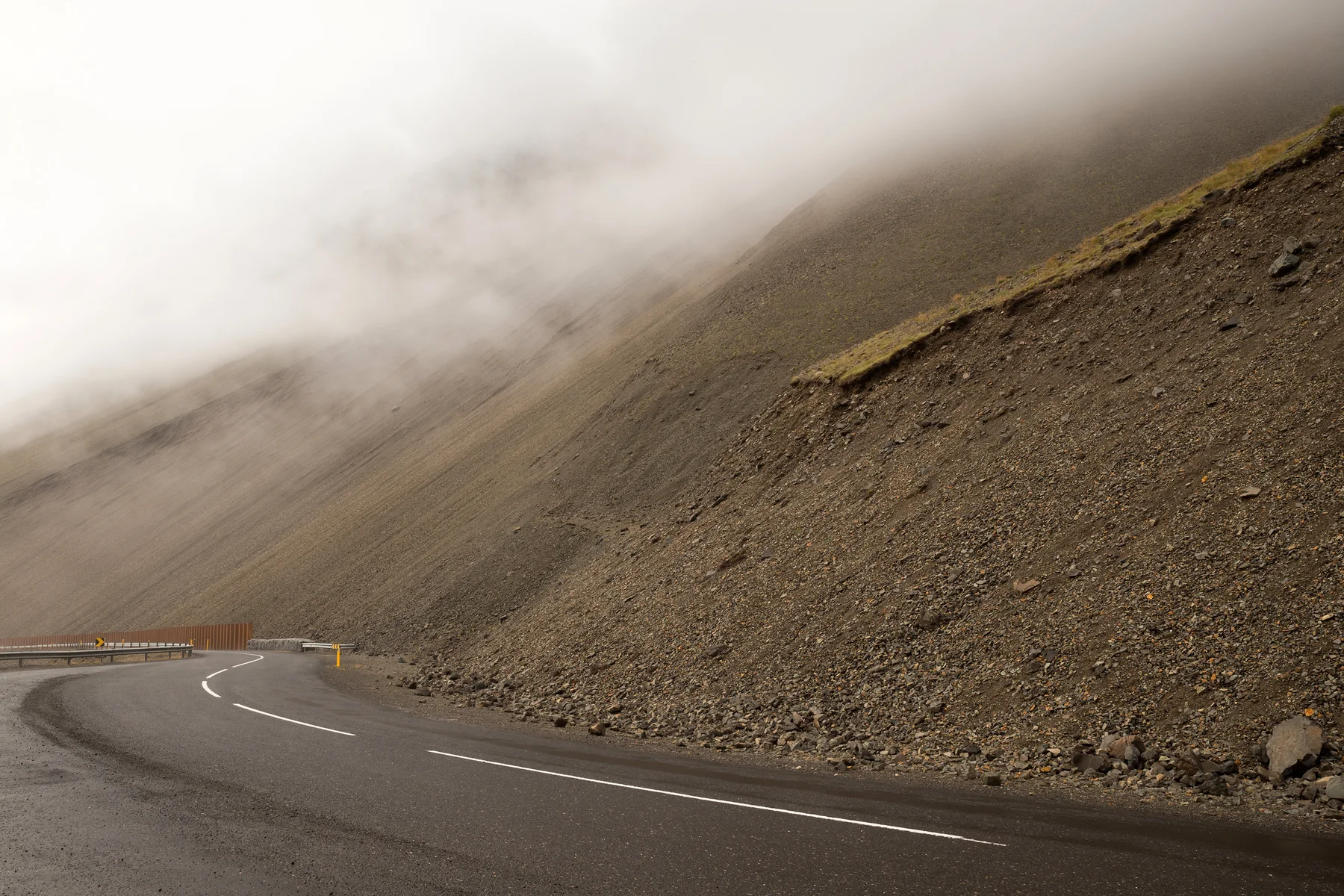
- Hero image: Unukorno / Wikimedia Commons, CC BY 4.0; it illustrates the scale of the eastern Ring Road and does not represent roads, traffic, visibility or travel time on any particular date.