
ICENAVI DRIVE FIT · AFTER A CRASH
Separate people, position and help channels before dealing with the car and the itinerary
The scores cover 112 triage, personal safety, road position, accident reporting, rental terms, towing, damage evidence and options for changing accommodation or activities. They are not rescue times, insurance payouts or rental-company promises. At the scene, follow 112, police and your rental agreement.
The priority after a crash is not calculating vehicle damage. It is getting people away from danger, giving rescuers a clear location, and keeping evidence and fallback options that can be checked later.
When someone is hurt, trapped, exposed to traffic or unable to leave safely, do not judge the seriousness yourself. Give 112 the Where, Who, What and When.
A car that can move is not necessarily safe to leave where it is. Move it out of traffic only when safe, record the road number, direction and nearest landmark, then give that information to the tow operator and the people making the next decision.
Use the accident form only when nobody is hurt, the vehicles are safe, the details are complete and no offence is involved. A wide scene, plates, road surface, time and receipts are more useful than one close-up of a scratch.
Do not arrange a tow, repairs or cash payment yourself. Use the rental company's approved channel, and keep the pre-rental condition report separate from new damage.
A moving car is not a reason to continue. Deal with towing, vehicle collection, accommodation and activity cancellation first; change flights and the next day's plan only after the vehicle and safety position are clear.
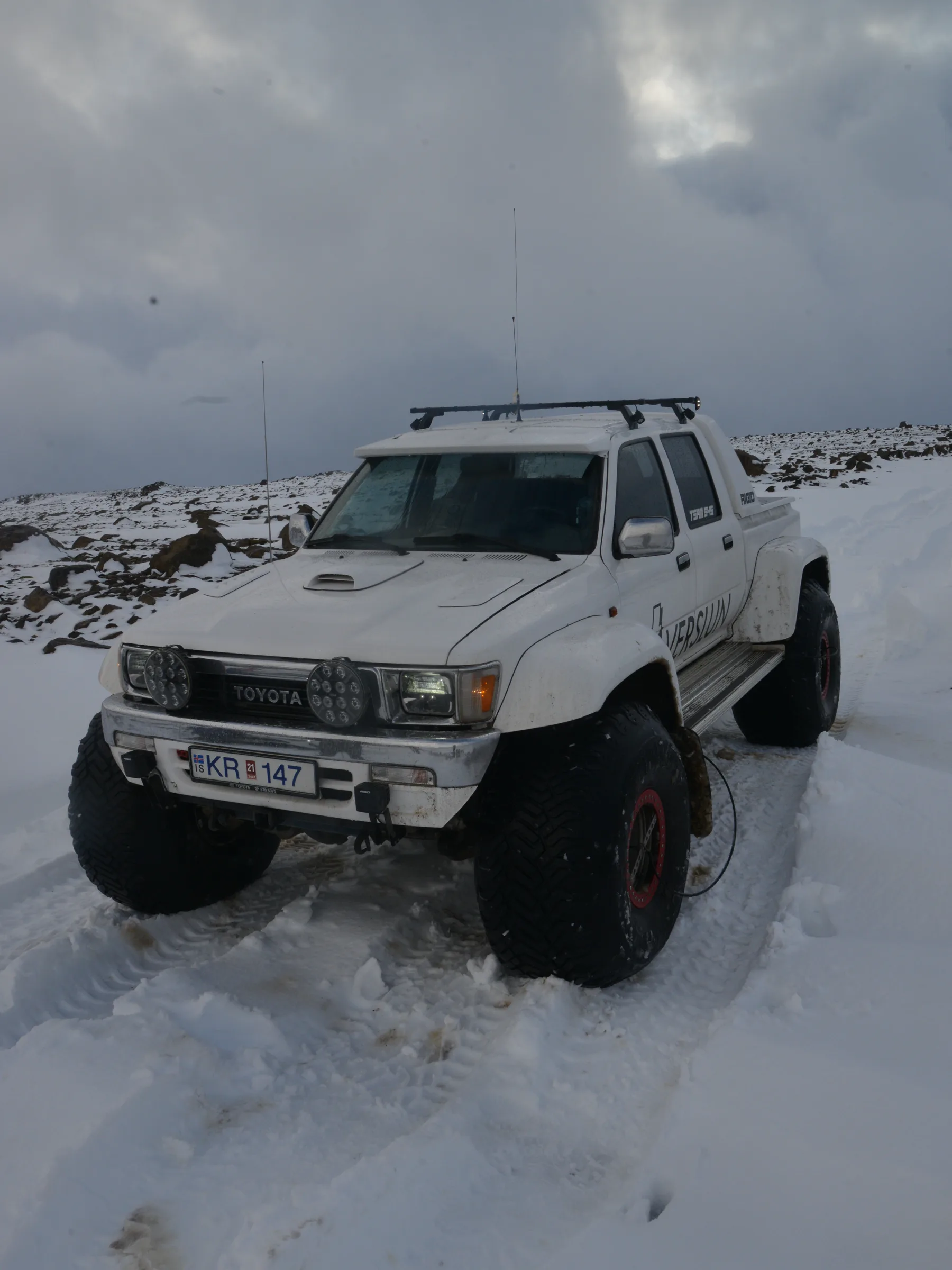
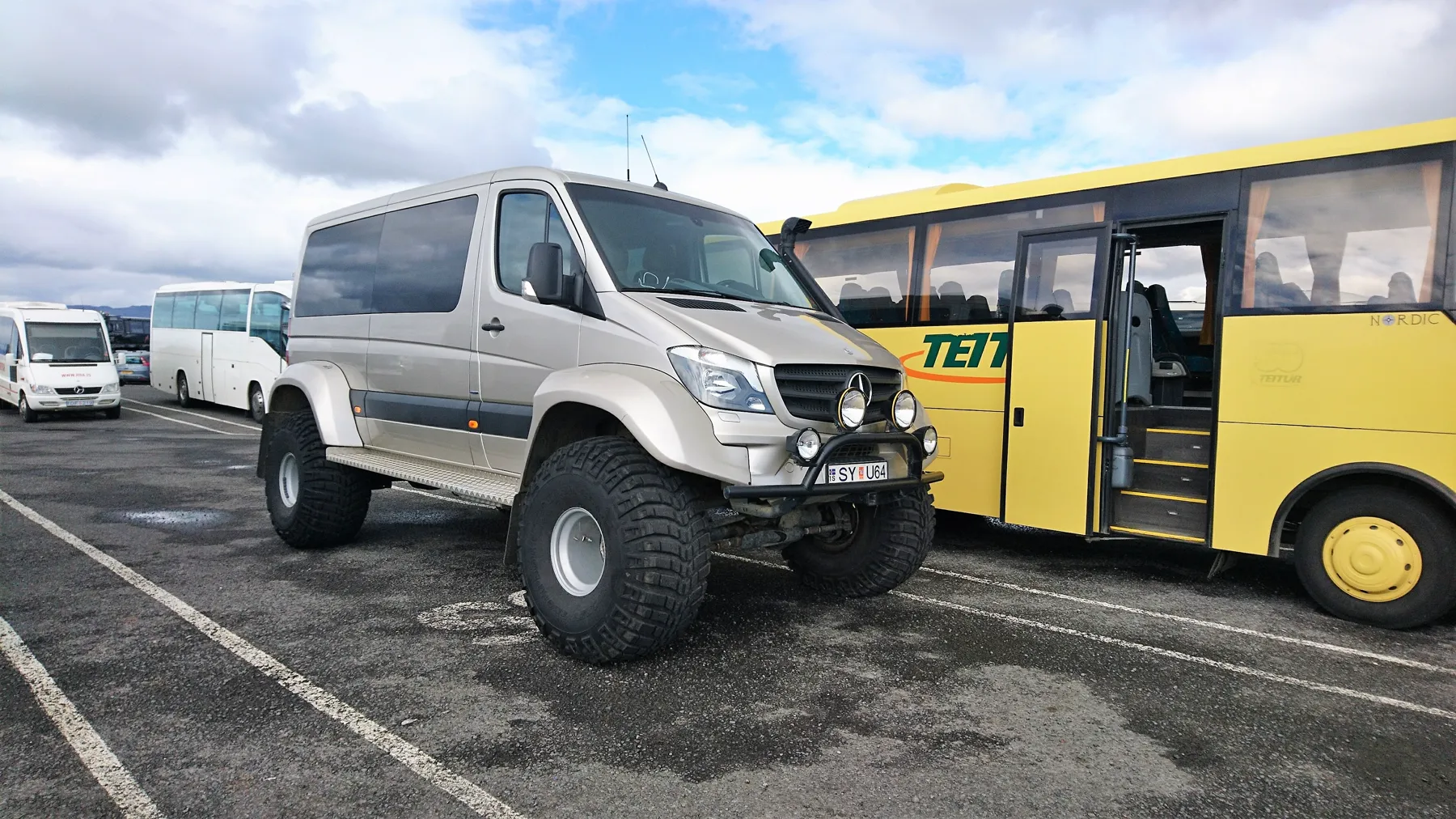
A rescue vehicle on a snowy highland road looks capable, but it is not a promise that someone will arrive at once after trouble. On a remote stretch, the first job is to tell rescuers where you are, what happened, how many people are in the vehicle and whether you are still in danger. The second job is recovering the car. If you want to understand deposits, excess, water damage and reporting deadlines in the rental agreement first, read how to read an Iceland car-rental agreement; this page focuses on the order of decisions after a crash.
Do not let the phrase “it is only one scratch” set the agenda. People are often still shaking, a phone battery may be running down, another vehicle may be stopped on a bend, and wind or snow may be closing in. Complete the next safe step before discussing liability. Arguing at the scene about who hit whom will not make the vehicle safer.
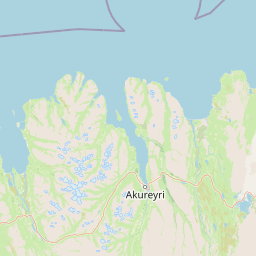
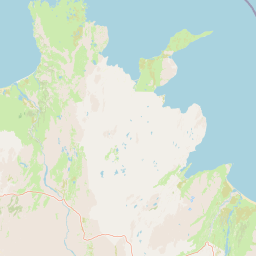
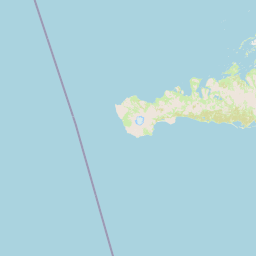
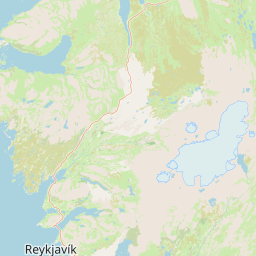
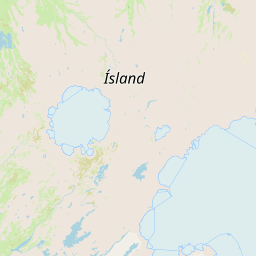
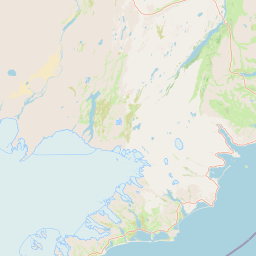
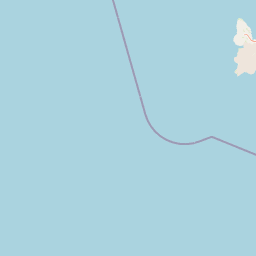
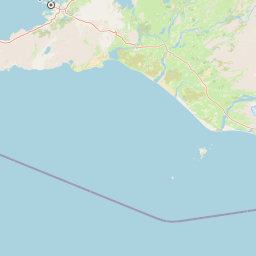
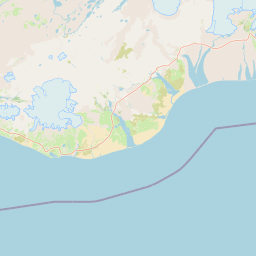
Distance on the map changes who you should notify first
For the first five minutes after a crash, use this order
| Do this first | Check at the scene | Do not rush to | Why |
|---|---|---|---|
| 1. Get people out of danger | Is anyone hurt, unconscious or trapped? Is the vehicle in a traffic lane, on a bend or in a rockfall area? | Walk back into the lane for a photograph, or stand between the vehicle and oncoming traffic | A second collision needs attention before the first scratch |
| 2. Call 112 if needed | Someone is hurt, traffic remains dangerous, the vehicle cannot be moved safely, or ambulance, fire or police help is needed | Call the rental desk first and wait for it to tell you whether this counts as an accident | Call 112 first; the dispatcher will determine the appropriate help |
| 3. Move to safety | Only if safe and the vehicle can drive, follow police instructions and road conditions to move it out of the way | Keep people in or beside the vehicle just to preserve its position | A vehicle that can move is not necessarily safe to leave where it is while paperwork is completed |
| 4. Record the basics | Time, road and direction, plates, driver details, witnesses, photographs and signs at the scene | Take only a close-up of the damage and omit the wider scene and road signs | The accident form needs to explain how it happened, not only where the bodywork is marked |
| 5. Reconnect the agreement and the night ahead | The rental company's reporting channel, towing approval, insurance documents and whether you can reach tonight's stay safely | Repair the car, pay cash, accept liability or force the next activity | Unapproved towing or repairs can complicate a claim and payment |
These five steps still apply if everyone is only mildly shaken. Give the phone to someone who is not driving: one person can explain the location, one can look after passengers and one can keep the documents. One person does not have to do everything. When calling 112, do not hang up yourself; wait for the operator to confirm that the information is sufficient.
Not every collision follows the same reporting route
| Situation | Use this channel first | Keep at minimum | Do not infer from this row |
|---|---|---|---|
| Someone is hurt or danger remains | 112; give the location, number of people, injuries and road danger | Call time, operator's instructions, plates and scene photographs when safe | “The wound is small” means help is unnecessary |
| No one is hurt, vehicles are safe, both parties have full details and no offence is involved | Both parties can complete the in-car accident form; use Árekstur.is if there is no form | Both drivers' or owners' details, plates, insurance information, and scene and damage images | A verbal “no need to report” means you can leave without details |
| A traffic offence may be involved, the other party will not cooperate or details are missing | Police / 112; the operator decides whether it is immediately urgent | The other vehicle's plate, direction of travel, witnesses, photographs and time | An argument is too minor for police to handle |
| The vehicle cannot drive but nobody is hurt | Make sure you are not blocking the road; contact the rental company / roadside assistance under the agreement, and call 112 if traffic is dangerous | Location, vehicle condition, road direction, towing instructions and receipts while waiting | Any tow company can be called first and will definitely be reimbursed |
Iceland's official accident guidance gives a narrow set of conditions for not needing to report a collision to police: nobody is hurt, the other party's details are available and no traffic offence is involved. Remove one condition and do not downgrade the incident yourself. Another easy boundary to miss is “the car still drives”: reaching a safe place does not mean you should continue the planned Ring Road, and it does not mean the rental company knows about the damage.
Photographs are for the next person who must understand the scene, not for winning an argument
| Image type | Include in the frame | Record beside it | Common gap |
|---|---|---|---|
| Wide scene | Relative position of both vehicles, lane, bend, shoulder, weather and visible signs | Road number, direction of travel, time, GPS or nearest landmark | Only photographing the bodywork close up, so nobody can see whether the lane was blocked |
| Bodywork and glass | All four corners, doors, tyres, wheels, glass, lights and visible parts underneath | What was already present at pickup and what was added this time | Mixing pre-rental marks with post-crash damage |
| Documents | Plates, driving documents, rental number and insurance / accident form, only with the other party's agreement and when safe | Other party's contact details, insurer and witnesses' names | Keeping only chat screenshots, without the original files and dates |
| Road surface | Loose gravel, standing water, snow, markings, signs, crosswind or objectively poor visibility | Do not turn a guess into a fact, such as “it must have been black ice” | Replacing the conditions at the time with a later memory |
Before taking a photograph, check where you are standing. If reaching the lane is necessary, do not take the photograph yet. Name files “date—place—vehicle” and back them up immediately to another traveller's phone or offline cloud storage. This is not about turning a holiday into a courtroom; it means that hours later, after moving from Vík to a hotel, you can still answer “Where was the car stopped?”
Crashes, breakdowns, animals and weather need different next steps
| Event | First question | Next decision | Itinerary connection |
|---|---|---|---|
| Collision | Is anyone hurt, is police help needed or are the parties' details incomplete? | Triage between 112, police and the accident form, then report to the rental company | Insurance, towing, accommodation and activity cancellation |
| Slide-off / breakdown | Is the vehicle still in a dangerous traffic position, and are driver and passengers safe? | Leave the lane, then call roadside assistance under the agreement; do not repair without approval | Food, warmth, battery power and the next night while waiting |
| Hitting a sheep or another animal | Are people, the animal or approaching traffic still in immediate danger? | Contact 112 / police according to injury and traffic danger, and keep the location and vehicle details | Do not continue sightseeing before the report and vehicle check are complete |
| Sudden weather or road change | There is no crash, but has continuing become unsafe? | Check Umferðin / SafeTravel; stop at a safe base if needed, and remember that insurance is not permission to travel | Reroute, add a night or cancel a fixed activity |
After an animal collision, the priority is not guessing where it came from; it is making the road safe again. A sudden weather change may not produce an “accident report”, but it can still change whether you should continue. If a crash leaves you facing darkness, fatigue and the next base, read the call on Iceland mountain-road night driving; a car that still moves does not mean the planned kilometres still make sense.
ICENAVI Accident Fit: decide whether to continue without putting it to a vote of willpower
Give each item 0–2 points. The total only helps you find what is missing; it is not a safety certification. If any row scores 0, stop in a safe place, report or wait for instructions. Even four scores of 2 do not replace 112, police, the rental company or signs at the scene.
| Dimension | 2 points: move to the next step | 1 point: fill the gap | 0 points: stop first |
|---|---|---|---|
| Personal safety | Everyone is away from danger and nobody needs immediate medical care | Someone feels unwell or shaken, or the position is still close to traffic | Someone is hurt, trapped, hypothermic or unable to leave safely |
| Road position | The vehicle is in a safe position and does not block traffic | The vehicle can move, but the shoulder is narrow, visibility is poor or wind and snow are increasing | The vehicle is in the lane, on a bend, in a rockfall area or cannot be moved |
| Report details | The other party's details, plates, images, time and location are saved | One item is missing but the other party remains on site to confirm it | The other party has left, details are incomplete or someone denies what happened |
| Agreement and fallback | The rental company knows, and there is a recoverable version of the towing, accommodation and next-day plan | You know only the phone number, not who approves towing or repairs | You plan to repair it yourself, force the activity, drive at night or enter a closed road |
| Driver condition | Someone is alert and can communicate clearly with 112 / the rental company | Fatigue, shaking or language barriers make the information incomplete | Nobody can drive safely, or continuing would increase the danger |
ICENAVI · The post-crash final call
Giving up one attraction tonight is usually cheaper than creating another dispute
If the car can move slowly but someone is hurt, darkness is closing in, towing is not confirmed or the rental company has not received the report, I would put today's attraction list down. Stay at Vík, Selfoss or the nearest confirmed base, and keep towing and accommodation receipts. Deal with refunds and insurance claims after the record is complete. This does not exaggerate the crash; it stops one collision becoming night driving, a missed check-in and a second damage event.
Write these four sentences in your phone before speaking to 112
When you call 112, have Where, Who, What and When ready. You can use simple English: “We are on road number __, travelling toward __. There are __ people and __ injuries. The car is / is not blocking traffic. The incident happened at __.” If you cannot safely read out a road number, give the nearest town, landmark, direction and map coordinates. Do not hang up yourself. These sentences are not a language test; they tell the operator where help needs to go.
If nobody is hurt, the parties' details are complete and no offence is involved, record the accident form accurately. Do not turn “it was probably” into a definite statement; ask the police or rental company when unsure. To separate the pre-rental condition from new damage, revisit the rental agreement and vehicle-condition check. To handle accommodation and activities after a road closure, continue to how to rebuild an Iceland itinerary after a road closure.
Save these ten things before departure so there is one less layer to search through
- Iceland 112, its online chat and the 112 App entry point.
- The rental company's emergency number, booking reference and roadside-assistance terms.
- The plate, vehicle group, pre-rental condition report and existing photographs.
- Credit-card, insurance or protection name and claim channel.
- Travellers' passport names, phone numbers, allergies or important medical information.
- Today's road number, direction, accommodation address and check-in phone number.
- Offline maps, an eSIM backup and charging cables for two devices.
- The accident form or the English entry point for Árekstur.is.
- Towing and rental-company instructions that you should not have to find after an accident.
- A next-day version that can be cancelled or delayed; do not make every booking impossible to recover.
The real test is not how complete the note looks. It is whether, with no signal, in wind and snow and with a panicked companion beside you, you can find the road, plate and phone number in thirty seconds. That is why I keep the division of Iceland safety information and a self-drive eSIM and offline maps in the same departure folder. If you want to save the fallback order for canyons, highlands and signal loss in the car, read Iceland driving phone signal and no-network backups.
Related reading
Handle responsibility and help first
Iceland safety information: how 112, roads and signs share the jobHow to read an Iceland rental agreement: deposits, excess and exceptionsIceland rental-car insurance and exclusionsIceland driving phone signal and no-network backupsMore to read
Decide whether the day should continue
Iceland mountain-road night driving: daylight, fatigue and animal riskHow to rebuild an Iceland itinerary after a road closureOne or two nights in Vík?Q&A | What should I do first after a collision?
Should I notify the rental company before dealing with an injury or a vehicle blocking the road?
No. Reach a safe position and call 112 if needed first. Deal with the rental company, accident form, photographs and towing after people and traffic danger are under control.
Must I always report a collision if nobody is hurt?
Not necessarily. The route depends on injuries, danger caused by the vehicle, complete details from both parties and any traffic offence. Follow the day's instructions from 112 or police; do not put every collision through one process yourself.
Can I continue because the car still drives?
Not necessarily. Check the tyres, lights, steering and bodywork, and get clear instructions from the rental company about towing or driving on. Forcing the next activity can turn manageable damage into a second crash.
What should I photograph?
When safe, record the road position, full vehicle scene, impact angles, road surface and the other party's details. Do not stand in the lane for a better frame or write unconfirmed liability as fact.
References | Sources and limits
References
The following sources were checked on 5 September 2026. Emergency services, road conditions, rental agreements, insurance and accident-report procedures can change; at the time of an accident, follow 112, police, the rental company and signs at the scene.
- 112 Iceland | Contacting 112: Where, Who, What and When; do not hang up yourself; appropriate dispatch and alternative contact methods.
- 112 Iceland | What can I do?: The channel for an uninjured collision, accident reports, Árekstur.is, road information and towing responsibility.
- Ísland.is / Icelandic Police | Report a traffic incident or hit and run: Conditions under which an uninjured collision with the other party's details and no traffic offence may not need a police report, and the boundary for other collisions.
- Árekstur.is | Report in English: Accident-report entry point; use only when the official conditions and scene safety allow it.
- Umferðin | Definitions / About: Road and weather update timing, and the limits of using automatically collected data.
- SafeTravel Iceland | Driving: Iceland driving safety, weather, roads and pre-departure information.
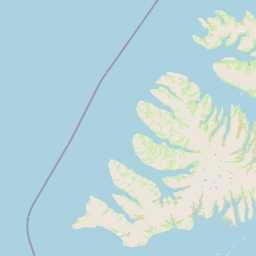
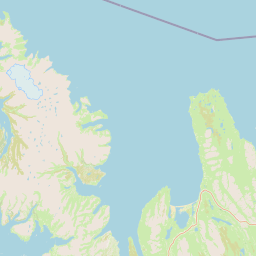
- OpenStreetMap contributors: Base map and attribution for the five post-crash location points; compares geographic scale only and does not guarantee navigation or rescue.
- Hero image: Wikimedia Commons: One of the Four Rescue Vehicles, Kaldidalur, Iceland, Public domain; this site only resized, cropped and converted it to WebP. The photograph helps explain the scale of rescue vehicles and snow on remote roads; it does not represent an accident scene, rescue time, vehicle capability or rental-car cover.
.jpg)
This is an L1 post-crash decision entry. It does not add unverified rental or activity CTAs: get people out of danger and complete the correct report first, then hand towing, accommodation, activities and transaction responsibility to verified downstream pages.