
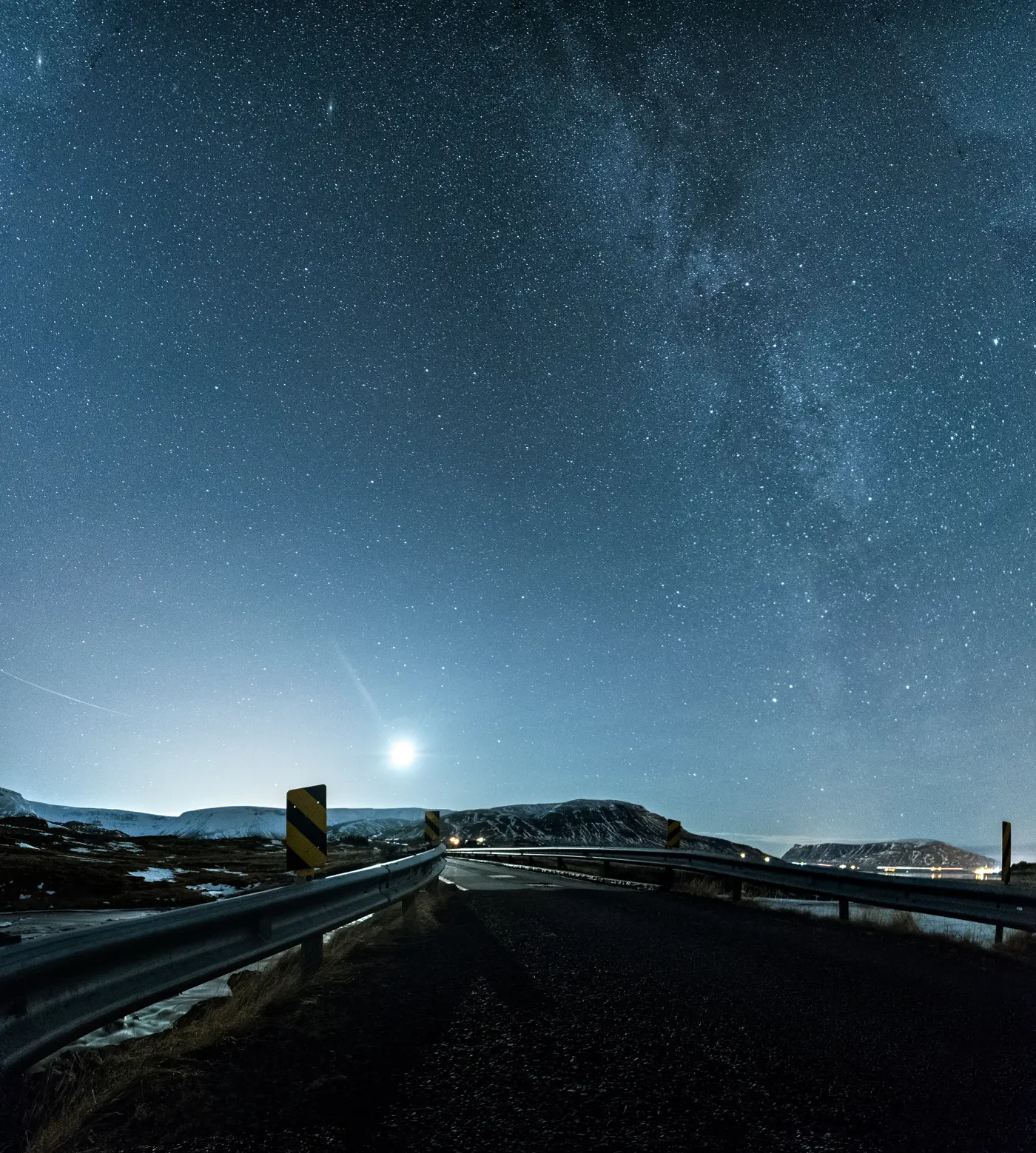
Night driving is a stopping decision, not a distance test
When an unfamiliar road, poor visibility, fatigue or a fixed check-in is competing with the last leg, find a safe place and protect the night. A flat tyre, warning light or other fault calls for the rental company’s recovery process; nursing the car towards the hotel only moves the problem to a darker bend. Keep the support number and vehicle details within reach, park without blocking traffic, then check road conditions and the next daylight window before moving. A nearby room, bus, taxi, rescheduled activity or driver-led option can preserve more of the trip than forcing the original drive.
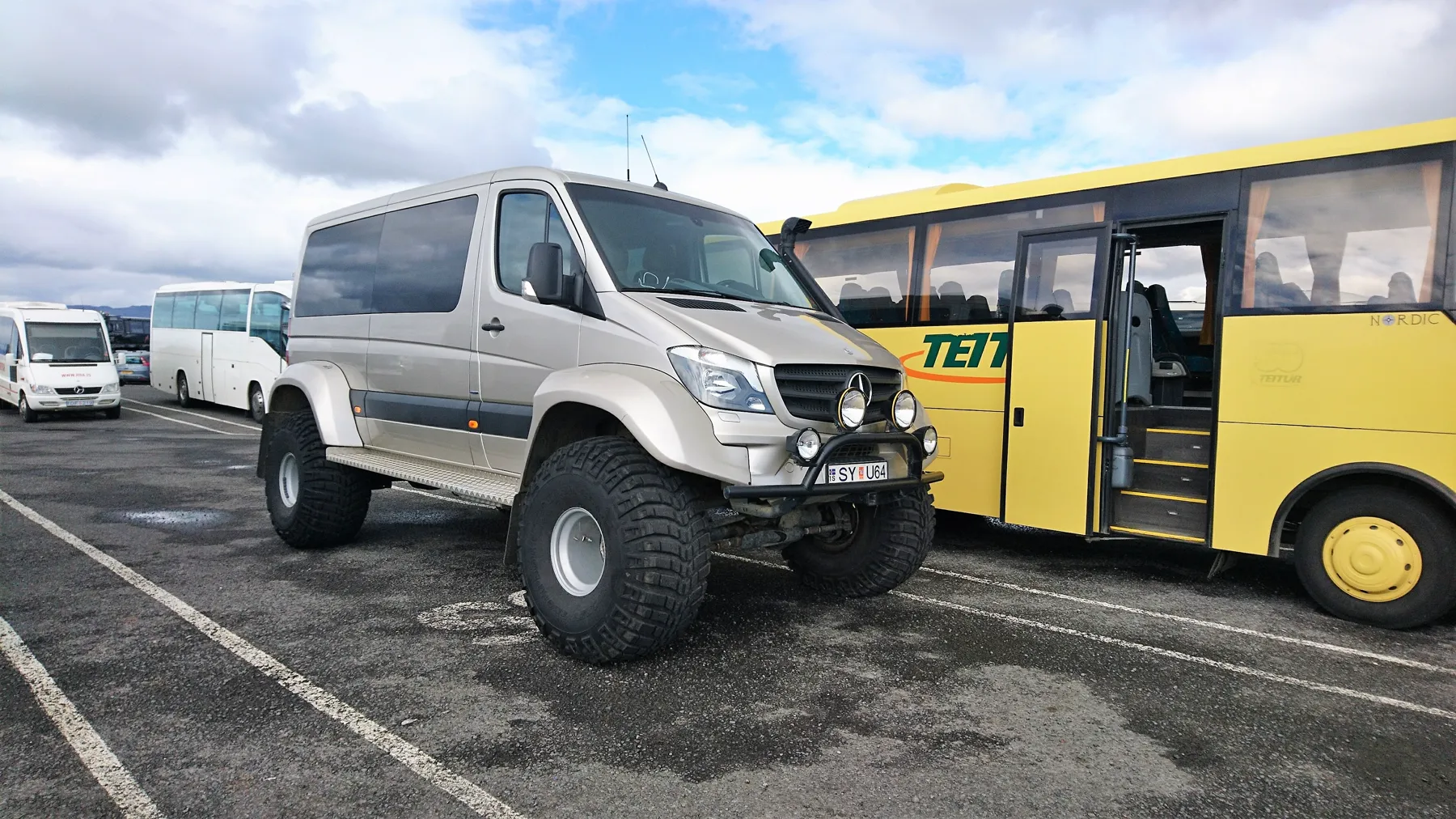
ICENAVI NIGHT ROAD · BREAKDOWN & RESCUE
Put vehicle trouble, rental responsibility and your night-driving fallback on the same decision card.
This score asks whether a night transfer can be brought to a safe end after a breakdown, flat tyre or weather change. It is not a rating of a rental company’s roadside assistance or a road-safety certification. Support numbers, contract responsibilities, roads, weather, parking and alternative transport must be checked for the supplier and travel date.
Knowing how to stop safely, record your location and the vehicle condition, contact the right party and wait in a safe way reduces more risk than trying to nurse the car all the way to the hotel.
Read road restrictions, tyres, glass, underbody, towing, accident-notification rules and the excess separately. “Full cover” and “4WD” do not replace the rental agreement.
Wind, snow, visibility, animals and the road shoulder all change where you can stop. A fresh road update does not make it acceptable to wait somewhere that obstructs traffic.
Save the rental support number, accommodation contact, activity contact and emergency information offline before departure. If signal disappears, you should still know the nearest place where you can stop legally and safely.
A nearby hotel, bus or taxi, a rescheduled activity or a driver-led alternative can keep the trip moving. If the only fallback is another long night drive across regions, you do not really have a fallback.
Continuing makes sense only when you can stop safely, reach support, understand the contract boundary and still have nearby accommodation or alternative transport. When fatigue and a vehicle problem appear together, end the drive early.
This card separates “the car can still move” from “continuing today still makes sense”. A vehicle that has not failed completely is not evidence that you should drive another two hours in wind, poor visibility or fatigue. Stopping safely often keeps the hotel, transport and activity changes within a manageable range.
| Option | What it protects | What you accept or pay | When it fits |
|---|---|---|---|
| Continue to the original accommodation | The existing room, activity and next-morning route | You need clear road conditions, an alert driver, a roadworthy vehicle and a legal place to stop if conditions worsen | The supplier has confirmed the vehicle can be driven safely and the road and weather still support the move |
| Stop and wait / call roadside assistance | People and vehicle safety, the rental process and evidence of the incident | Late check-in, waiting time and possible towing or excess costs | A flat tyre, warning light, abnormal noise or any fault that prevents the vehicle from being driven safely |
| Use nearby accommodation or alternative transport | Sleep, warmth, a route reset and options for tomorrow’s activities | A rebooking cost, taxi/bus fare or giving up the original overnight base | A red-eye arrival, fatigue, deteriorating weather or a hotel that is no longer a sensible target |
| Switch to a driver-led activity | Keep the attraction or experience without taking responsibility for the full night drive | Meeting times, route and cancellation rules become more fixed | The vehicle or road fallback is weak, but a verifiable guided option is still available |
Imagine leaving the black-sand beach near Vík in the afternoon with more than two hours still showing to Höfn. The sky has turned from blue to grey, conversation in the car has faded, and roadside reflectors are beginning to stand out. The easiest mistake is not a steering error; it is using “we have already come this far” as the reason to keep going. How to calculate daily driving time deals with exactly this gap between map distance and the physical cost of the day.
Night driving needs a plan for the light you will have, the age of the road update you are relying on, who is still alert in the car, and the point where you can stop without blocking traffic. If an animal appears or the weather turns, that stopping point matters more than the original hotel booking.
First decide what kind of “night” you are dealing with: the calendar does not drive the car.
Iceland can have very long evenings and near-continuous daylight in summer, while winter brings long hours of darkness. The same road demands different work in June and December. Icelandic climate information is useful only when daylight and weather are considered together; a summer driving experience cannot simply be copied into autumn or winter. The table below is an editorial planning aid, not a road-opening or safety guarantee.
| Season | Typical light conditions | The job people most often miss | Cleaner plan |
|---|---|---|---|
| November–February | Long darkness, snow glare and rapidly reduced visibility when weather worsens | Treating a daytime sightseeing list as an all-day schedule, then discovering the final leg has no comfortable stopping option | Put the longest transfer earlier and reserve the evening for short distances and confirmed accommodation |
| March–April, September–October | Long twilight does not mean clear visibility; rain, fog or snow can shrink the usable view quickly | Watching sunset time while ignoring wind, road surface and driver alertness | Make the final leg removable and leave the more distant spur for the next day |
| May–August | The evening can remain bright, making sightseeing time feel unlimited | Adding one more stop because “there is still light” and replacing darkness risk with fatigue risk | Keep a stopping time anyway. Brightness is not rest, and it does not make livestock predictable. |
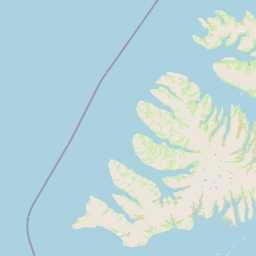
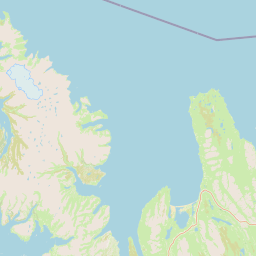
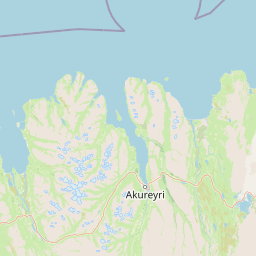
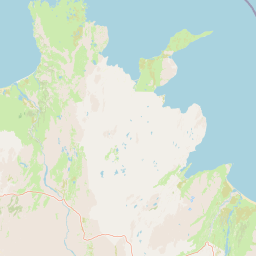
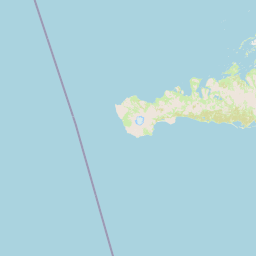
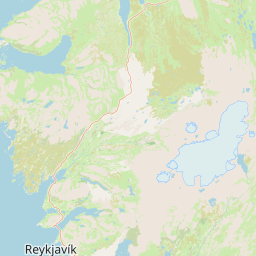
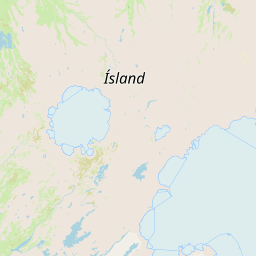
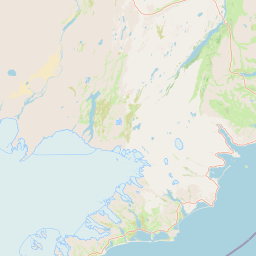
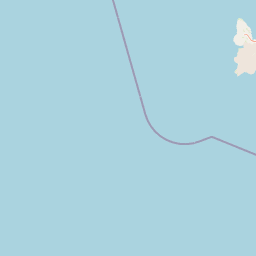
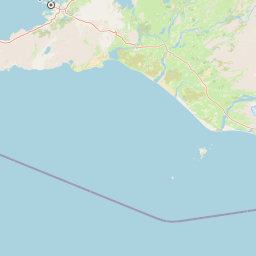
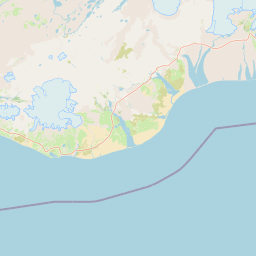
Five map points, five different places where the driving day can end.
At this scale, Reykjavík is a city start and resupply point; Selfoss is a southbound transition; Vík sits between the black-sand stops and a much longer eastern leg; Höfn represents the pressure of the southeast transfer; and Egilsstaðir is an eastern service base. The map does not draw a “required night-driving” line because whether the final leg works depends on that day’s roads, weather, fatigue and accommodation options.
The official road-status service has update windows; night drivers need to understand that boundary.
Umferðin states that road-condition information is generally updated from 07:00 to 22:00 between 1 October and 30 April, and from 08:00 to 16:00 between 1 May and 30 September. It also warns that automatic measurements can contain errors. That does not mean conditions stop changing after the update window. It means an afternoon update is not a permission slip for a late-night drive. Check before departure and again en route, while still using the visibility and weather in front of you.
| What you are deciding | Check first | What the data can tell you | What the data cannot replace |
|---|---|---|---|
| How far to plan in the morning | Umferðin road conditions, closures or roadworks, plus the weather | Whether the route has an obvious hard boundary that day | Visibility on every kilometre after dark and the driver’s alertness |
| Whether to leave an attraction in the afternoon | Latest road timestamp, wind, precipitation and the next safe stopping place | Whether a side trip should be cut or the day should end early | The ideal drive time shown by navigation |
| What to do once you are already on a dark road | Actual road surface, reflectors, oncoming traffic, livestock and safe places to leave the carriageway | Whether you should stop as soon as you can do so safely | Stopping on the carriageway or shoulder and waiting for daylight |
Fatigue is not solved by another cup of coffee.
SafeTravel recommends stopping roughly every 100 kilometres and sharing the driving where possible; if your eyes start to close, stop in a safe place and take a short nap of about 15 minutes. The advice sounds simple, which is exactly why it matters on Iceland’s long roads: changing scenery can make you feel alert until the next unexpected event proves otherwise. Reassess who drives after a red-eye arrival, a long activity day or several consecutive hotel moves instead of automatically following the morning’s plan.
| Signal from the driver | Do not do this | What you can do now | Why the step is recoverable |
|---|---|---|---|
| Missing road signs or asking the same question repeatedly | Turn up the music and promise that “it is just around the next bend” | Change drivers or stop at a safe parking place and get out to stretch | Move the decision off the carriageway; you can still change the hotel or remove a stop |
| Heavy eyelids, yawning or drifting towards the centre line | Keep pushing to protect a fixed check-in time | Stop somewhere safe for a short nap of about 15 minutes, then re-check the current road and weather situation | A controlled stop is easier to recover from than carrying fatigue into the next bend |
| The only driver has just arrived on a red-eye and everyone else is asleep | Treat the quiet car as proof the driver is fine | Keep the first night near KEF/Reykjavík or use driver-led transport instead | Remove one long transfer and protect the next day’s activity |
A sheep is not a roadblock: it can change direction just when the road looks clear.
SafeTravel warns that sheep, horses and cattle can be on or near Icelandic roads. If a ewe is on one side and a lamb on the other, the lamb may suddenly cross towards its mother. Headlights show only part of that movement. Slow down, leave space and do not use the horn to push animals across the road. If you cannot maintain a safe distance within your lane, stop only where doing so will not obstruct traffic. The same principle applies in winter driving: speed should follow what you can actually see, not the arrival time on the map.
Headlights and taillights are required throughout the year, and relying on an automatic light setting may not always be enough. Do not stop on the road or shoulder for photographs. Move the car completely off the traffic lane into a safe legal place before reaching for the camera; no night photograph is worth forcing the next driver into an emergency stop.
ICENAVI Night Road Fit: should you finish the last leg tonight?
Score each factor from 0 to 2 only to break down the urge to “just get there”; this is not safety certification. If any factor is 0, stop at a recoverable point. Even a high score never overrides current road information or what you can actually see.
| Factor | 2 points: conditions are clear | 1 point: re-check required | 0 points: end the drive |
|---|---|---|---|
| Daylight / visibility window | The final leg finishes while you can still read the road clearly and retain time margin | Twilight, fog, snow or road information is becoming marginal | The plan requires pushing to a fixed check-in through poor visibility |
| Road and weather status | Road, weather and closure information has been checked before departure and again en route | Update time, affected segment or roadworks are still unclear | You are relying only on an old screenshot, a friend’s message or a navigation colour |
| Driver condition | The driver is rested and another person can stay awake to help monitor signs and road conditions | Red-eye arrival, consecutive long days or clear signs of fatigue | Eyes closing, drifting towards the centre line, or no rested replacement driver |
| Animals and visibility | Reflectors, oncoming traffic and livestock can be seen with enough distance to react | Snow glare, fog or bends are reducing the sight line | You cannot identify hazards early enough while staying in your lane |
| Exit plan | A safe parking place, nearby accommodation or a reasonable turn-back option exists ahead | There is only one destination and you are treating it as impossible to delay | Stopping would obstruct traffic, or the route has no safe recoverable option |
ICENAVI · final check for the mountain road
Not arriving before dark does not mean you must arrive after dark.
Split tonight into “the address that must be reached” and “the places that can wait until tomorrow”. If the road update, weather, visibility, driver condition or stopping options no longer line up, stop somewhere safe and legal and contact the accommodation about a late arrival or a nearby alternative. The Iceland storm-stop procedure covers what to protect when the weather itself deteriorates; this page covers the evenings when the weather may not be extreme but the road and driver no longer have spare attention.
Before setting off, put these ten questions in your phone instead of keeping them in your head.
- Does the final leg genuinely need to be completed tonight, or does the hotel booking merely feel difficult to change?
- Have I checked Umferðin, SafeTravel and the weather before departure and again on the road?
- Is the road or weather update I am looking at already too old for the decision I am making?
- How much did the driver sleep last night? Have they just arrived on a red-eye or already completed a long driving day?
- Can another person stay awake to help monitor signs, animals and the roadside instead of everyone sleeping?
- If I see sheep, horses or cattle, can I slow down and leave enough space without leaving my lane?
- Is there a legal, safe stopping place that will not obstruct traffic on this leg?
- If we end tonight in Selfoss, Vík or another intermediate base, can we still protect the activity that matters tomorrow?
- Does the navigation time omit weather, livestock, parking, driver changes and the work of finding or checking into a room?
- Am I protecting the people and vehicle, or trying to justify money already spent on the original hotel?
If the underlying problem is the amount of driving, read Iceland self-drive or a day tour? and decide who should carry the night-driving responsibility. If you are keeping the rental car, use official road information and offline maps to divide the daily checks. Night driving is not a test of courage; it is a route choice that can end early and restart tomorrow.
Related reading
Match the road to the driver first
Iceland's winter driving and road conditionsWhat about the day drive?Official traffic and offline maps.More reading
Then decide where to sleep tonight
How do we stop in a storm?KEF, airport bus or rental car?What about the late-night accommodation in Iceland?Q&A | Can you keep driving Iceland’s mountain roads after dark?
Can you keep driving in Iceland after dark?
The answer is not based on the clock alone. Check daylight and visibility, wind and precipitation, road conditions, driver fatigue, and whether a safe stopping and accommodation fallback exists. If those conditions do not line up, end the drive earlier.
What is the first step if the vehicle develops a fault at night?
Stop where you do not obstruct traffic and where everyone is as safe as possible, use the appropriate warning measures, then follow the rental agreement or supplier’s roadside-assistance and accident procedure. Do not carry a fault into the next section of road just because the destination feels close.
Can coffee solve driver fatigue?
Coffee is not a safety plan. Rest when needed and stop somewhere safe. Before departure, rotate drivers where possible, reduce the night-driving distance or choose an earlier overnight base.
If I see sheep at the roadside, is slowing down enough?
Slow down and leave space for the animal to change direction suddenly. Livestock, poor visibility and headlights reduce reaction time; keeping a safe distance matters more than reaching the original hotel on schedule.
References
The information below was checked on 5 September 2026. Daylight, roads, weather, livestock, accommodation and transport conditions change, so re-check the official sources on the day. The seasonal framework, Night Road Fit and scenario tables are ICENAVI editorial tools, not official safety certification.
- SafeTravel Iceland | Fatigue and drowsiness — guidance on post-flight fatigue, stopping roughly every 100 km, sharing the driving and taking a short nap of about 15 minutes in a safe place when drowsy.
- SafeTravel Iceland | How to Drive in Iceland: livestock near roads, using lights throughout the year, avoiding roadside photo stops and adjusting speed to conditions.
- Umferðin | Definitions / About: seasonal update windows for road-condition information, measurement limits and the scope of the official traffic data.
- Umferðin | Cameras: regional road-camera pages; use them as a current visual check, not as a forecast.
- Icelandic Meteorological Office | Icelandic climate in general: background on seasonal daylight, long winter nights, long summer days and changeable weather.
- OpenStreetMap contributors: map base and attribution for the five night-driving locations; the map is not navigation and does not guarantee roads, parking or accommodation.
- Hero image: Fernando Garcia / Wikimedia Commons, A Pair Made In Heaven, CC BY 3.0. The Road 47 night-road photograph is used only to illustrate road surface, reflectors, moonlight and headlights; it does not represent today’s road, visibility or safety conditions.
.jpeg)
This page is the L1 decision entry for night driving. It deliberately does not add unverified car-hire or activity CTAs: confirm daylight, roads, driver condition, animal visibility and a safe exit plan before moving on to accommodation, transport or driver-led activity options.