
ITINERARY DECISION - RAIN DAY
Rain is easiest to mishandle when you make two opposite mistakes: follow the route exactly, or cancel everything at once. The first treats a booking as an obligation; the second can throw away a hotel that is still a useful base.
Protect safety, tonight’s stay and tomorrow’s fixed point before replacing anything
Rain alone does not automatically cancel an Iceland itinerary. First judge the road, wind, visibility and the section you need to drive; SafeTravel clearly warns that weather and road conditions can change quickly, and navigation may not reflect closures. If the road or your condition is wrong, a hotel, ice cave or waterfall is not a reason to continue.If safety rules out the route, change the sight. If a fixed activity cannot move, adjust the drive before or after it.
Only then lay today's bookings out: which hotel night is non-refundable, whether there is a meeting tomorrow morning, whether the car must be returned today, and which sight is merely desirable. Once these are separated, a rainy day often requires deleting one detour rather than rebuilding the whole trip.
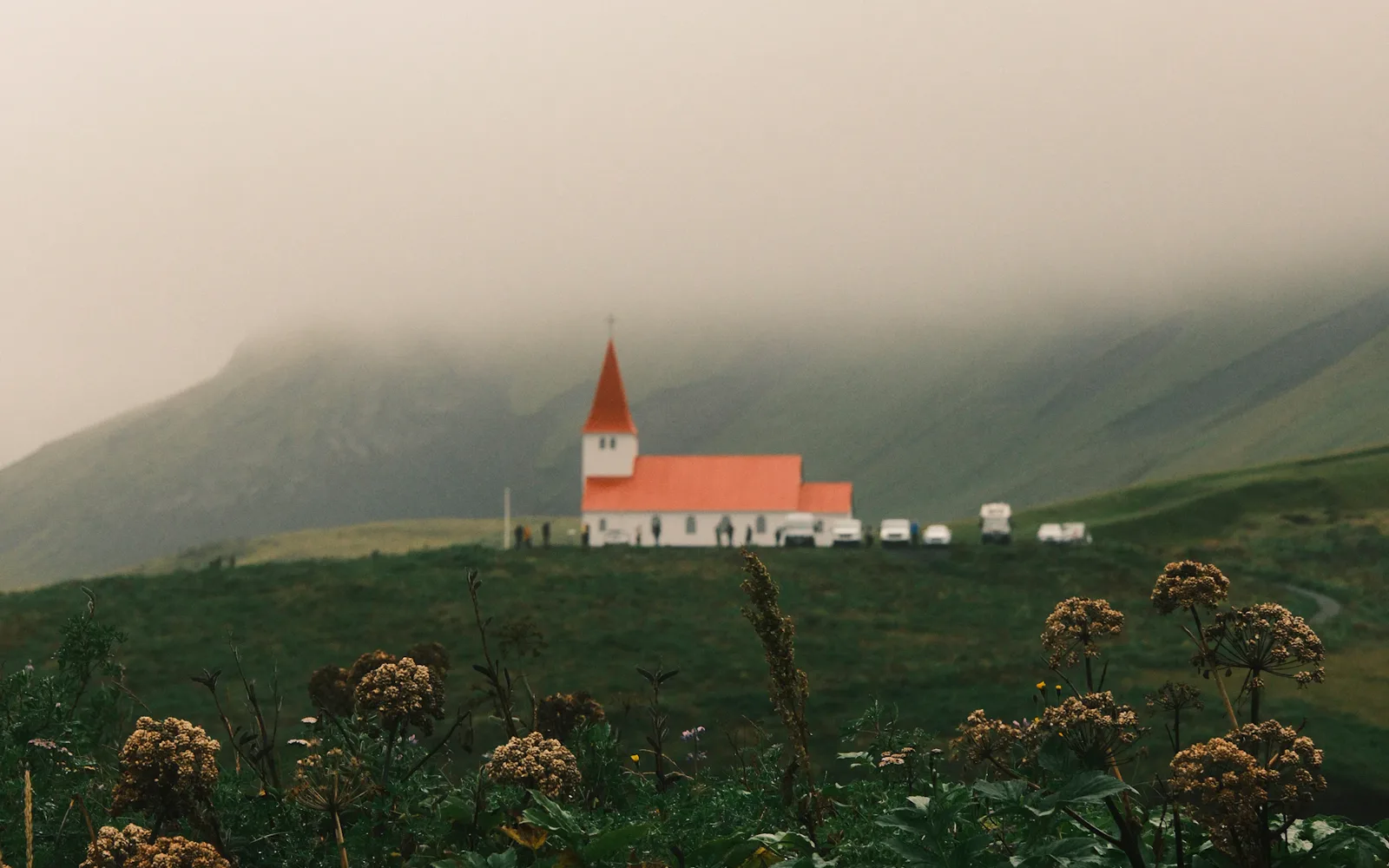
ICENAVI ITINERARY FIT - RAIN DAY
When rain changes the route, which fixed point should you protect first?
These scores are editorial judgements for weather rerouting, not safety guarantees; recheck official roads, warnings, activity notices, hotel terms and the group's condition before departure.
Check weather, roads and activity notices separately; if any one fails, a prepaid hotel is no reason to make the drive.
Write down where you will sleep tonight and how you will notify the hotel if you are late; only then can you see which part of today can go. Do not disrupt a workable base to save a sight.
Ice caves, boat trips, transfers and car-return times cannot be recovered by driving faster; ask the provider about changing the time before moving the hotel.
If a replacement changes tonight's stay or compresses tomorrow morning, it is not a fallback. A short stop, dinner or rest near the original base can work better.
When the weather clears, recover only the one thing you most want to do and leave the rest on the reserve list. Do not restore the original itinerary simply to make up for lost time.
Protect safety, accommodation and tomorrow morning first; then decide the one thing left for today. This order preserves more of the itinerary than filling the day with substitutes.
ICENAVI - RAIN-DAY TRIAGE
Before leaving, split today into four columns
Safety:Which road section will you take, and when will wind, rain and visibility matter most?
Fixed point:Which cannot be late: tonight's room, tomorrow's meeting, the car return or the flight?
Cuttable:Which part of today is only happening because it is on the way?
Stop point:Where can you still park safely and get a signal, and at what point will you stop if conditions do not improve?
This is not turning the trip into a military exercise. It simply separates the four things rain most easily mixes together. Once written down, you can usually see whether to keep the hotel, the activity or the waterfall that could wait for another visit.
01 | Check roads, wind and visibility first; put indoor sights second
Seeing rain through the window can make museums, cafes and hot springs feel like the obvious answer, but first consider the journey you had planned. Were you meant to drive from the city to Vík, turn back along the South Coast, or remain in Reykjavik? The cost of each rainy-day choice is different. If you are already in the city without a car, changing to walking activities is simpler. If a highland activity was cancelled, see Reykjavik city alternatives after a highland cancellation and choose one main theme for the time left instead of filling the afternoon with every indoor sight. If you are about to move to the South Coast, first establish whether you can reach the next night's accommodation safely.
Before departure, separate three checks:Icelandic Met Office forecasts and warnings show how wind and rain may develop; the Icelandic Road and Coastal Administration live road map shows whether the section you need currently has restrictions, surface problems or poor visibility; and SafeTravel driving advicehelps you decide whether it is suitable to leave in these conditions. A route that navigation can still calculate only means the software found a road; it does not mean the road will support the original speed after you set off.
| Source | The question it actually answers | What should make you stop and replan |
|---|---|---|
| Met Office | Whether wind, rain and warnings will worsen during your window | The route enters a warning area, or the worst period falls during the drive |
| Road map | What the section you need to drive is like now | Closed, difficult, low visibility, or an official warning against travel |
| Activity notice | Whether the meeting is going ahead and can be rescheduled | The provider has not confirmed the meeting point or change arrangements |
If one of the three checks fails, a hotel address or prepaid booking is no reason to make the drive. In strong wind, ice or poor visibility, staying at the original base and asking the hotel about a late arrival is often better than debating in the car whether you can still make it. Official road data may update at different times in summer and winter, and conditions can change between updates; use this table as a pre-departure check, not a safety guarantee. Information checked on 2026-08-16.
| Situation | Do not do first | Check first | Usually safe to keep |
|---|---|---|---|
| Rain in the city, no long drive needed | Change hotels for a sunny photograph | Walking distance, museum/hot-spring hours and dinner | A city-centre base and a walkable evening |
| Move to the next night's hotel today | Drive to every planned waterfall one by one | Roads, wind, arrival time and cancellation terms | The next night's hotel and the shortest workable drive |
| An ice cave or fixed meeting tomorrow morning | Drive a long way tonight for a different sight | Operator notice, the previous night's location and rescheduling rules | Sleep and morning buffer |
| An early flight or car return tomorrow | Turn the departure end into a catch-up sightseeing day | Roads, fuel, car return and hotel location | The final night near KEF or in the southwest |
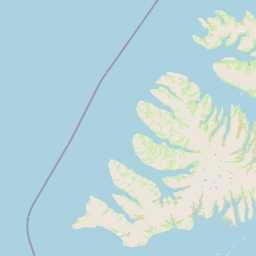
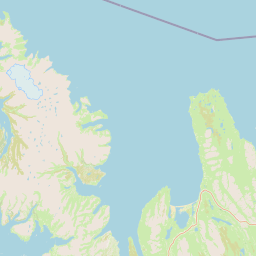
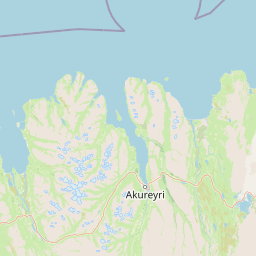
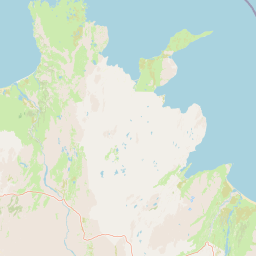
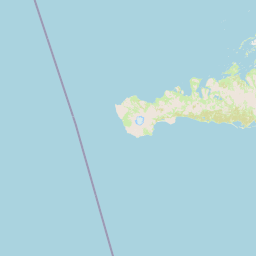
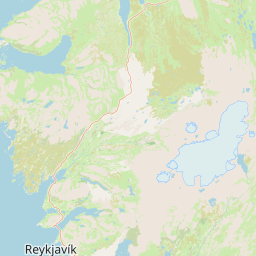
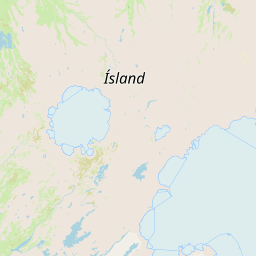
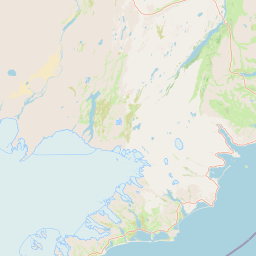
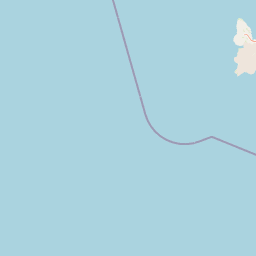
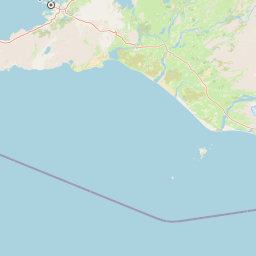
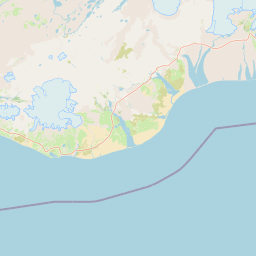
These four situations are easier to weigh on a map: rainy Reykjavik still offers a city day and indoor alternatives; Vík is the accommodation anchor you can protect once you have moved to the South Coast; Jökulsárlón Glacier Lagoon is worth keeping only for a fixed activity or a valid eastbound direction; KEF is the boundary that a car return or early flight must not surrender to catch-up sightseeing. A rainy day is not about swapping every sight for another; first decide which place still deserves your night.
02 - Protect arrangements that are harder to recover once you move
A hotel and an activity are different kinds of commitment. A hotel's cancellation deadline, an activity's meeting point and a rental car's return time each carry a different cost. When rerouting in rain, I write three lines first: where tonight is booked, what tomorrow morning cannot be late for, and which part of today's drive can disappear completely. Those lines stop you damaging two fixed arrangements to rescue one sight.
For example, if your South Coast stay is in Vík and heavy rain affects the extra viewpoint you planned, the hotel is still a useful anchor: arrive, eat, rest, and let tomorrow's roads and weather decide. If Vík was only booked because you were trying to reach the glacier lagoon, while conditions no longer support that drive, one or two nights in Vík can help you decide whether to turn back rather than drive to the end simply because the room is prepaid.
A prepaid room does not mean you must follow the original itinerary
A non-refundable room can feel wasteful, but it does not make a road safer. Once you have paid, consider which section you can remove while still using the room for sleep, a practical location or options for the next day.
02.5 - Arriving late at a hotel: one message should answer four things
When rain arrives, the common problem is not "Should I cancel?" but "I expect to arrive around nine, but I may be late." Do not send only "late check-in". Include the booking name, expected arrival window, whether you need parking for the car, and when you will update the hotel again. The hotel can then answer about reception, key handover and the latest notification time; it cannot decide whether the road is safe for you. If the booking page lists fixed reception hours, ask early rather than searching for a number on the worst-signal section of road.
Set a practical stop point somewhere you can park safely and still have a signal. If official road information, the remaining drive time or your condition no longer supports arriving on time, stop relying on "it should be fine". Contact the hotel, check the terms, and return to your existing base or arrange a closer overnight stay. That is often cheaper than chasing a check-in deadline in a wet jacket. The hotel may not waive any charges, so turn the uncertainty into a specific question it can answer.
The same principle applies to tomorrow's meeting. An ice-cave tour, boat trip or transfer is usually not an empty slot you can recover by walking faster. If you change the previous night's location, ask the provider about a different time or meeting point before changing the hotel. Do not book a seemingly closer room that makes the car return, parking or breakfast harder. A rainy-day plan should leave two clear answers: where you sleep tonight and the first place tomorrow morning where you cannot be late.
03 - An activity cancellation and your own decision not to go are different cases
If an ice-cave, glacier or boat activity is cancelled because of conditions, read the provider's alternative time, refund or rescheduling notice first; then check whether the stay and rental car still fit. Do not check out early and drive far just because an afternoon replacement might exist, and do not guess that you can arrive late at the meeting point. How to match an ice-cave tour to your stay separates the previous night, meeting point and direction after the activity for exactly this kind of same-day change.
If the activity is still running but you do not want to travel in wind and rain, confirm the cancellation terms first. Do not assume bad weather makes every booking changeable for free. Keep what you can use: a city activity, a nearby hot spring, dinner, rest or an earlier hotel arrival. If you need to separate medical, cancellation, interruption and rental-car responsibility, see the four-box Iceland travel-insurance decision page; it does not promise reimbursement, but it shows which question still has no answer. One of the most underestimated backups is not making everyone put on a wet jacket again.
ICENAVI - CANCELLATION RESET
The 20 minutes after a cancellation: recover your choices before searching for a replacement
When luggage is already in the car and the guide's email has just arrived, the easiest mistake is to seize on the first search result: see a tour with a space today and immediately drive two hours to replace the cancelled activity. That space may not fit your existing hotel, fuel, the group's energy or tomorrow's car return. Write four lines in your phone's notes; ten minutes is enough to turn the anxiety into questions you can answer.
| Write this down | What to confirm now | Do not trade this away yet |
|---|---|---|
| Where you sleep tonight | Can you arrive as planned; if late, what notice does the hotel need? | Extending the drive to chase a replacement tour |
| The first fixed point tomorrow morning | What time must you meet, return the car, catch the flight or join another confirmed activity? | An unbuffered estimate that you "should make it" |
| The cancelling party's options | Change time, refund, meeting-point change and reply deadline; follow the booking terms and message | Assuming a weather cancellation is automatically free to change |
| The one thing you want to keep today | Does it stay near the original base or direction without conflicting with official road and weather information? | Trying to recover every sight missed yesterday and today |
Here is the practical dividing line: If a replacement cannot work without changing tonight's stay or compressing tomorrow morning's buffer, it is not a fallback; it is another rushed itinerary. If an ice cave is cancelled while you are still in Vík, a nearby coastal stop and earlier check-in may preserve more of the trip than a last-minute return to Reykjavik. If a Reykjavik activity is cancelled, first ask whether you can use the day from your original base instead of moving to the South Coast simply because the day has opened up.
If you are still around Reykjavik and both roads and the provider confirm that travel is workable, an underground activity can reduce exposure to wind and rain, but do not automatically call it "indoor". Judging a lava tunnel for cold or claustrophobia separates low temperatures, dripping water, ground conditions and the actual tour version, so a rainy day does not force an unsuitable activity on the group.
If today's planned move genuinely cannot go ahead
Originally in Reykjavik: Do not move to the airport end because of rain; Three days in Reykjavik without a car keeps the logic of staying at one base.
Originally heading along the South Coast: shorten the trip to a version that does not require proving you reached the farthest point; South Coast two-day, one-night stay structure helps you decide which night is still worth keeping.
Leaving tomorrow morning: do not spend all the remaining time today recovering sights; Working backwards from the night before departure protects the car return and flight first.
04 - After rain, do not turn catching up into a new rush
When the second day clears, it is tempting to add every missed sight back in. That can be more dangerous than the rain: you have lost a night and rest, then scheduled the original plan plus a compensation plan. A better approach is to recover one thing you most want and leave the rest in reserve. If that thing is the glacier lagoon, a long eastern leg or the Ring Road, let it justify another day rather than turning the return into a gamble.
One Icelandic road can offer many worthwhile stops, which is both an advantage and a temptation. After the weather changes, being able to say "leave that for next time" usually means you still control your accommodation and itinerary. It is a better outcome than completing a list you no longer want in the rain.
Related reading
Deciding whether you can continue east tonight?
- One night or two in Vík: when rain makes the glacier lagoon uncertain, decide whether Vík is a buffer or whether you should turn back.
- How to match an ice-cave tour to your stay: rescheduling is only part of the decision; the previous night's location and the direction after the activity matter too.
More to read
Keep tomorrow's road within a safe range
- Iceland winter driving: should you go each day?: separate roads, warnings and driver condition into Go, Hold or Stop instead of judging by whether it "looks fine".
- Where to stay on Iceland's last night: when an early flight, car return, wind and rain arrive together, save the departure end from becoming a sightseeing day.
References
Road, warning and activity status can change on the day. The official sources below were rechecked on 2026-08-22; check them again before departure.
- Icelandic Met Office: forecasts, wind, rain and weather warnings.
- Umferðin / Iceland Road and Coastal Administration: live road conditions, closures and access information.
- SafeTravel | Driving in Iceland: driving safety reminders when weather and roads change quickly.
- SafeTravel | Travel Plan: leave the complete itinerary with a trusted person before departure and follow official instructions in an emergency.
- OpenStreetMap contributors: geographic base map for the rainy-day base-boundary figure.
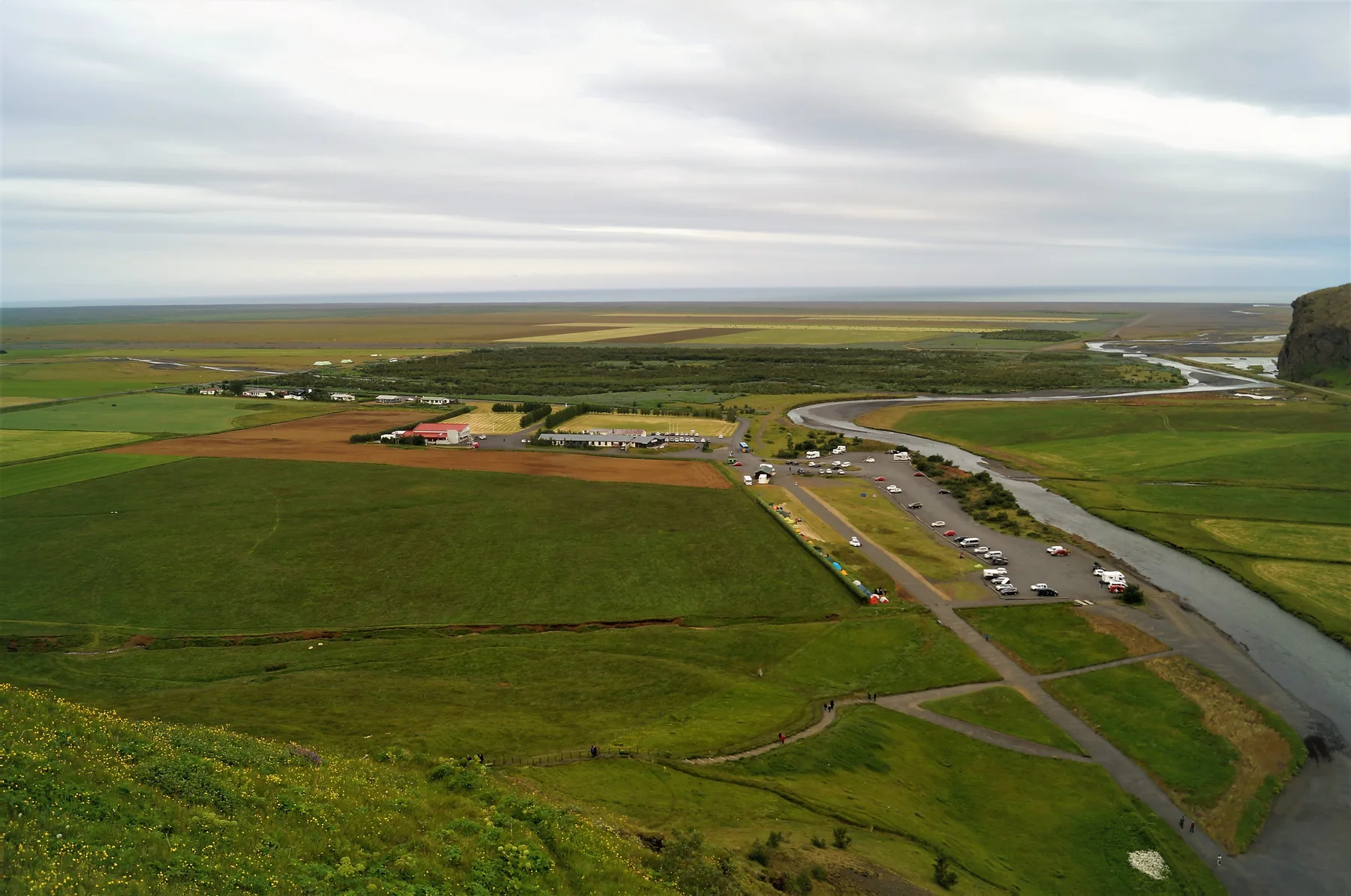
- Alexander Grebenkov / Wikimedia Commons: Skógafoss campsite and parking view, CC BY 3.0.
Q&A | Questions to settle before departure
What should you protect first when plans change?
Protect the stay, fixed meeting and flight first, then remove optional sights.
How should you adjust when roads or activities are uncertain?
Replan using official road and weather information for the departure date, while keeping one cancellable fallback.
Do you need a buffer?
Yes. Put short daylight, the group's energy and long drives into each day's allowance.
References
Roads, activity times, tickets and opening arrangements can change; check each item against the sources at the end of this article before departure.