
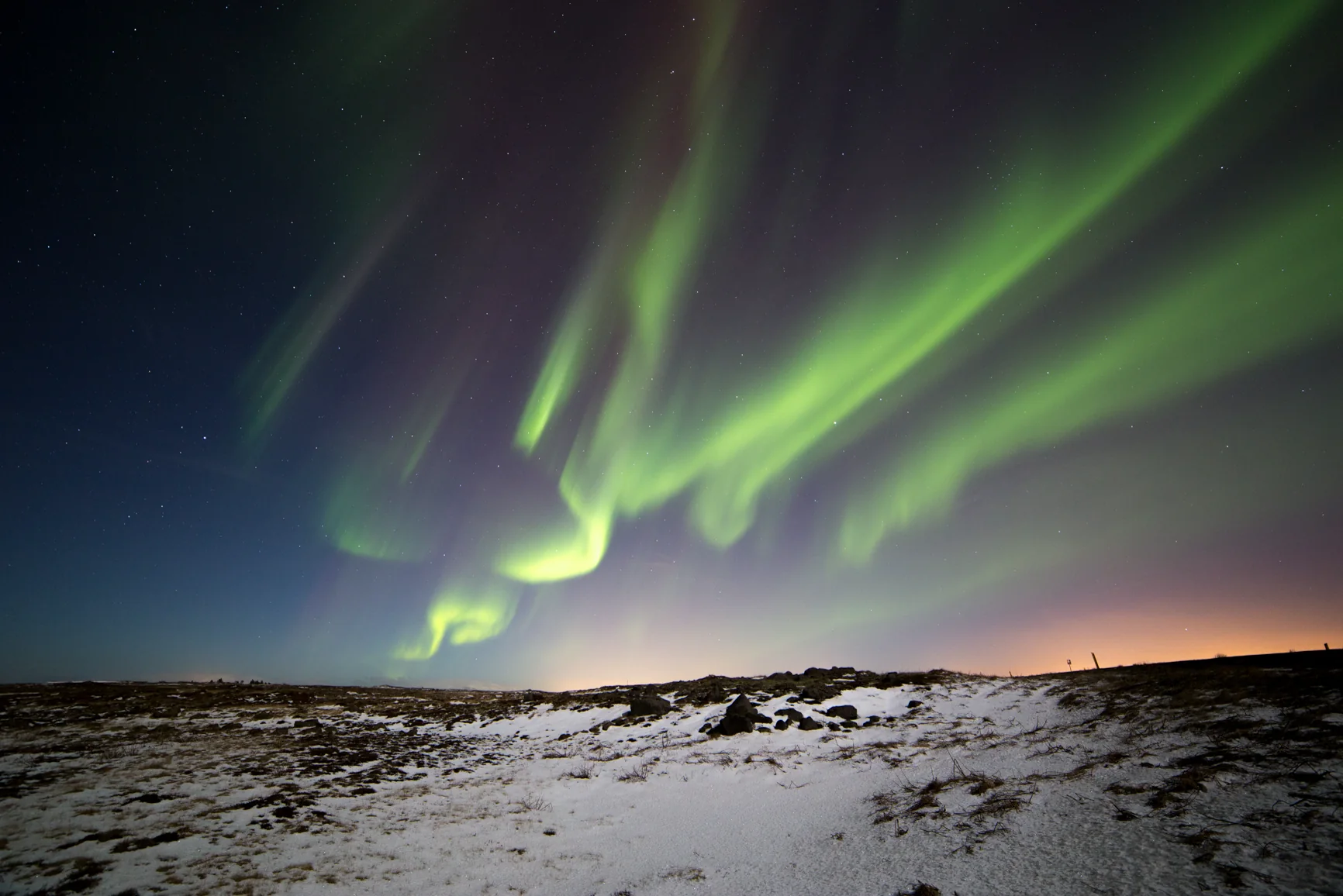
FEBRUARY · SOUTH COAST WINTER ROUTE
The easiest mistake on the February South Coast is reading “it is still light” as “there is time to keep driving”. A five-day trip should lock in one ice-cave or glacier activity first, then use Vík, the glacier lagoon and the first and last nights as accommodation bases that can be recovered if conditions change.
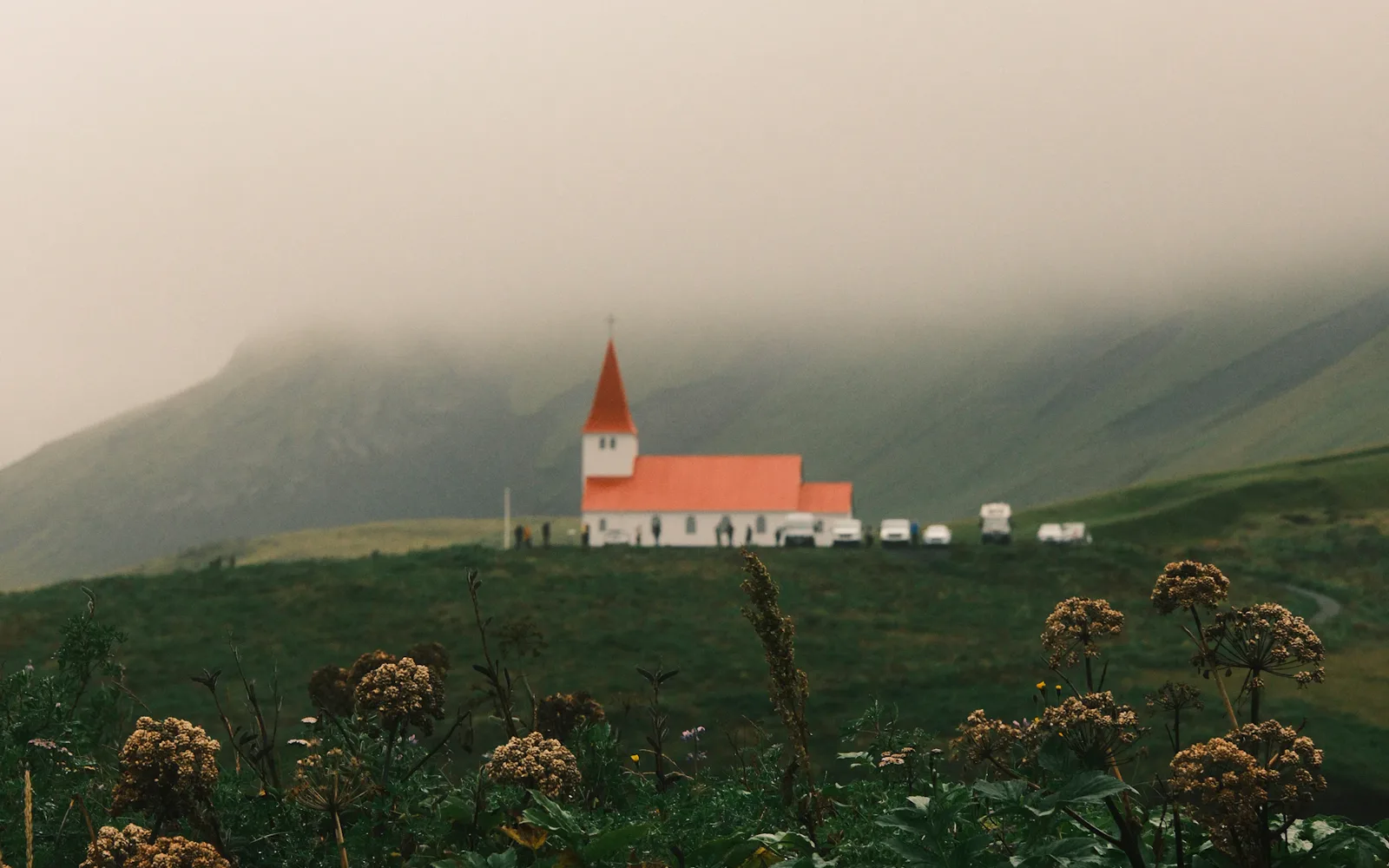
ICENAVI WINTER FIT · FEBRUARY SOUTH COAST
In February, keep the route quality, not a longer list of sights
Five scores that change the winter route.
Leave early morning and late afternoon for dressing, parking and check-in; do not add sights to a summer navigation timetable.
A fixed meeting point, equipment and weather conditions make the previous night's location more important than adding another waterfall.
Snow, visibility and closures can turn the same road into two different plans on different days, so accommodation must allow you to stop.
Keeping Reynisfjara, the ice-cave meeting point and dinner in one practical area removes one cross-region drive after dark.
It suits a narrower route with one activity theme; it does not suit using the ring-road map as a daily checklist.
Give five days three separate jobs
| Job | Better route arrangement | What it buys back | Do not combine it with |
|---|---|---|---|
| Arrival and car collection | First night at KEF / Reykjavík | Sleep, supplies and time to get used to the car | Driving straight to Vík after a late flight |
| Western South Coast | Seljalandsfoss, Skógafoss and the black-sand beach | Shorter driving and cancellable stops | Adding the glacier lagoon on the same day |
| Ice cave or glacier | Previous night in Vík / South-East Coast | Meeting-point margin and recovery after cancellation | Another long night drive after the activity |
| Glacier lagoon | Only with an extra night heading east | Enough time to treat Jökulsárlón as a full half-day | Forcing a return journey into four nights |
A five-day February framework
- Night one: Stay at KEF or in Reykjavík according to landing time; do not treat “we have collected the car” as a reason to drive another leg after a late flight.
- Day two: Travel west to east along the western South Coast, focusing on waterfalls and the black-sand beach, then stay in Vík; when snow conditions worsen, dropping one stop still leaves a sound day.
- Day three: Schedule the ice-cave or glacier activity. If it is cancelled, switch to Vík, Sólheimasandur or an indoor fallback rather than trying to reach the glacier lagoon at short notice.
- Day four: Head to Jökulsárlón only if you have enough nights; with four nights, use this as a South Coast recovery day and avoid placing the return on one road alone.
- Day five: Work backwards from car return and the flight. Keep the aurora in the post-dinner standby window instead of trading sleep for a forecast icon.
If you want to include an ice cave, read How to choose an ice-cave tour first; to understand Vík's position and supplies on the South Coast, see the Vík destination guide, then connect the meeting point to one or two nights in Vík. February accommodation is not settled by being “near the sights”; check whether, after a cancellation, that night still offers food, supplies and a short walk.
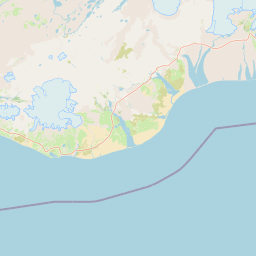
 ReykjavíkFirst night / suppliesVíkWestern South Coast / ice-cave baseJökulsárlónOnly with an extra night eastKEFDeparture / car return
Turn “free time” into usable daylight
February sunrise and sunset move with the date, so a month name alone cannot plan the day. Morning car collection, clearing snow, taking photographs and the first parking stop all take longer than a navigation estimate; after 4pm, the light may already be unsuitable for treating a remote spur as a must-reach. Keep one remote objective per day and choose the other stops in the same direction. If snow arrives, you can remove the final stop without rewriting the whole day.
Cost changes with the base as well. Consecutive nights in Reykjavík may not have the lowest room price, but they can save a room move, luggage storage and one return transfer; Vík may cost more, but the trade is a shorter drive before an ice-cave meeting. For two travellers, add extra transfers, breakfast and parking to the nightly room-price difference; for four, also count the family-room layout and luggage capacity rather than looking only at the average group cost.
| Change | Protect first | Version to switch to | Do not do |
|---|---|---|---|
| Snow on the western South Coast | Vík accommodation and dinner | Shorten to Seljalandsfoss, Skógafoss or indoor town plans | Continue east for Reynisfjara when visibility is poor |
| Ice cave cancelled | Cancellable room and activity refund window | Use the day for a short Vík walk, swimming pool or an early return to the room | Chase another remote tour at short notice |
| Road delay | Next night's check-in deadline | Drop the glacier lagoon and keep the South Coast return | Use a night drive to fill a blank on the map |
| Aurora forecast improves | Energy for the next day's drive | Wait near the accommodation, then leave at the planned time in daylight | Move to another area for one night's forecast |
If you still want Jökulsárlón in five days, make it an eastbound focus day: sleep near Vík or farther east the night before, do only the glacier lagoon and Diamond Beach, and do not drive back to Reykjavík that night. If the return meets snow, protect the cancellable accommodation first; getting the driver off the road before sunset protects the next day better than completing every sight.
If you do not want to take on winter driving, change the South Coast to a one- or two-day activity with transfers, but check the farthest point, meeting time and whether cancellation returns you to the same city. The South Coast activity comparison separates workable product routes from poor fits; a day tour still has time costs, it simply assigns the road responsibility to a fixed timetable.
In February, accommodation buys recovery, not a view guarantee
Choose one or two nights in Vík according to the next day's first fixed time. If the ice-cave meeting is early and you need to dress, prepare equipment and manage breakfast, two consecutive nights are usually steadier than a daily transfer from the west; if Vík is only a place to sleep on the way back, one night is enough. A bathroom, late check-in, and breakfast that starts early enough can change the decision faster than whether the window faces Reynisfjara.
Reykjavík's value is its bad-weather alternative. When roads change, a museum, public swimming pool, restaurant or indoor activity can still make a usable half-day; this is not consolation after cancelling the South Coast, but a way to keep an expensive winter flight and accommodation usable. If the activity is already based in Vík, keep the city night cancellable rather than locking both sides at once.
Only then consider the aurora. February nights are long and the viewing window may be attractive, but a forecast cannot take responsibility for an early ice-cave meeting. Park near the accommodation, dress before you wait, and you will usually gain more than by crossing regions for one cloud-forecast number; the next day can still start in daylight, which is the winter route's real advantage.
If a road or activity changes in February, the useful value is not another ticket. It is a room still inside its cancellation window, a next night that does not require crossing a region, and a clear idea of which stop can be deleted. That is why the March winter route cannot be copied directly: daylight, snow conditions and the activity season are already shifting, so the itinerary must follow its conditions.
Related reading
Which February decision should come first?
Choosing an ice-cave activity · One or two nights in Vík · South Coast destination guide
More reading
Plan the winter fallback
Winter daylight and daily capacity · Driving in Iceland in winter · The night before departure
Q&A | Settle these before a February South Coast trip
Can I reach the glacier lagoon on a five-day February trip?
Yes, but allow an extra night and a return buffer; with only four nights, choose between the glacier lagoon and a deeper South Coast plan rather than estimating from summer driving times.
Which day should hold the ice cave?
The middle of the trip is easier to recover. Stay near the meeting point the night before, and after cancellation you can still keep a short Vík plan; do not place it on the day before departure.
Do I need to chase the aurora in February?
Use it as an evening fallback, but do not change hotels or drive at night for a forecast. Establish the South Coast daylight plan and sleep first; the aurora is the bonus.
References
- SafeTravel Iceland (winter road, weather and departure-day safety information).
- Icelandic Meteorological Office (wind, snow, cloud and aurora forecast entry point).
- Icelandic Road and Coastal Administration (road conditions and closure information).
- OpenStreetMap contributors (base map and public geographic data for the locations shown).