
ICENAVI PLANNING FIT · WINTER DAYLIGHT
Calculate your daily capacity before choosing the number of stops
The score weighs winter daylight, roads and weather, daily outdoor capacity, itinerary pace, indoor backups, and the trade-offs between driving and a day tour. It is not a guarantee that a road or activity will be feasible today. Check official road, weather and operator updates before setting out.
Winter is not only about less light: every parking stop, clothing change, diversion and recovery period uses capacity. Fewer commitments leave a safer margin.
The clear morning, short midday window and blue-hour afternoon do different jobs; a daylight table cannot subtract parking, walking and the return journey for you.
Wind, snow, low visibility, ice and safe parking can stretch the navigation ETA; when a road warning changes, the furthest stop should be the first one removed.
A timed activity needs room for the meeting, equipment, return journey and cancellation space; stops without a fixed time belong in the final slot.
Cities, geothermal pools, museums, supermarkets and short nearby walks can absorb a snowy day; without a backup, a paid booking starts dictating the road.
Self-drive keeps stops flexible but leaves you with road and fatigue decisions; a day tour reduces driving responsibility but fixes the meeting time. Choose for your group and conditions.
Before asking when it gets dark, ask how many parking stops you need
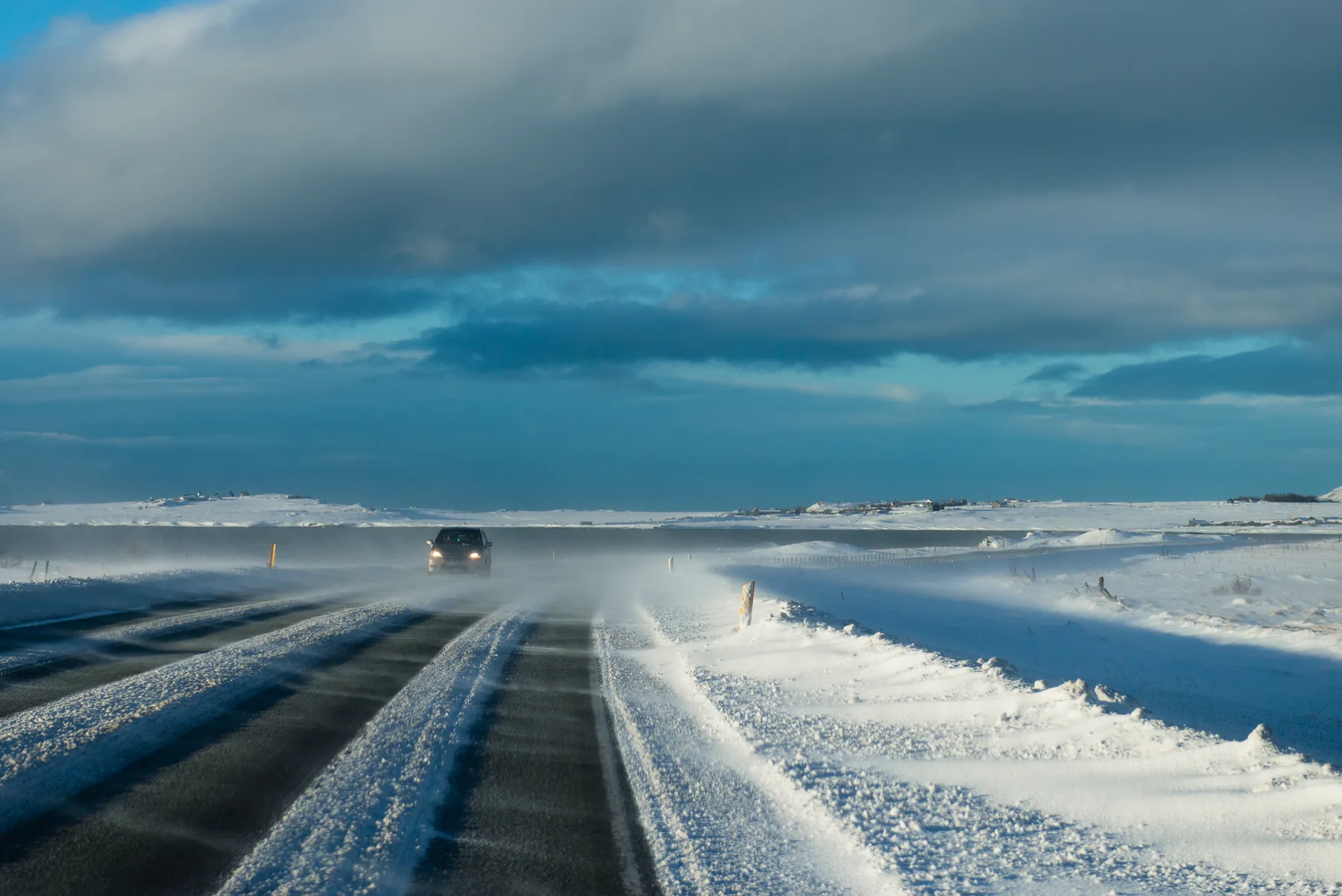
A daylight table is useful, but it only tells you whether the sun is near the horizon. It does not tell you how long you will walk after parking. At winter waterfalls, black-sand beaches and glacier lagoons, wind can lengthen the time needed to dress; a snowy shoulder, reversing and finding a safe position are slower than a map symbol suggests. “Six hours of daylight” quickly becomes two comfortable stopping windows, with driving and food between them.
I use a deliberately plain account for a day because it is more dependable than a list of attractions: put the fixed meeting time in the first slot, the longest drive in the second, and a stop you can remove in the third. If the first two already consume most of the day, the third must be nearby. When the wind turns, you remove the final slot rather than forcing the whole car back onto a dark road.
| Day type | Reasonable outdoor capacity | Keep first | Do not add |
|---|---|---|---|
| City day | Two or three stops within a similar walking area | Indoor warming, food and a nearby weather refuge | Another distant drive after dark |
| South Coast transfer day | One distant headline stop plus one short stop in the same direction | Safe parking, Vík and arrival on the southeast coast | Delaying check-in to fit in every waterfall |
| Fixed-activity day | One removable gap before and after the activity | Meeting, equipment, return journey and a cancellation backup | A long cross-region drive before the activity |
| Poor-weather day | The nearest safe indoor option or short walk | Roads and accommodation that do not need to change | Leaving just because a ticket has been paid for |
Put winter capacity back into the route: one “day” is not one location
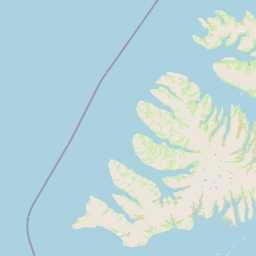
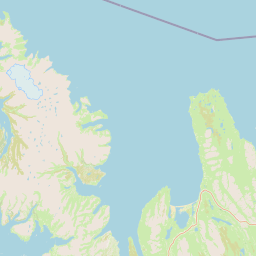
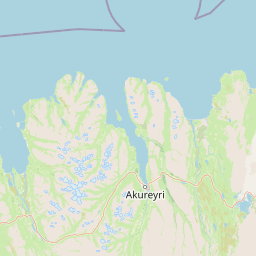
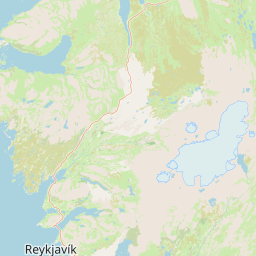
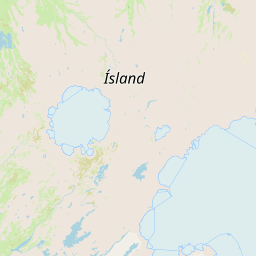
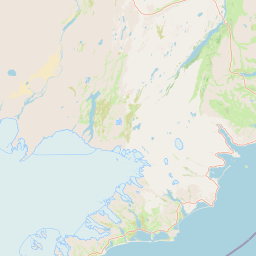
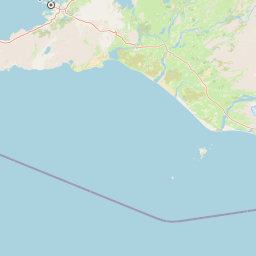
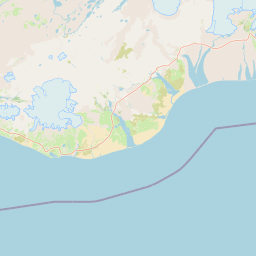
The map below uses a real OpenStreetMap base to mark Reykjavík, Selfoss, Vík and Jökulsárlón. It is not a winter driving guarantee. It puts the difference between “a day tour leaving Reykjavík” and “self-drive with a South Coast overnight” back into the geography: in short daylight, the farther the base, the earlier the return and check-in take time away from stops you thought you could make.
Three winter light windows turn the same attraction into different work
Clear morning light: Use it for a nearby photo stop, fuel and an unhurried departure. It is a poor time for a first drive straight to the far southeast coast. If you arrive late or collect a car after a flight, read where to stay on the first night and treat sleep as part of the itinerary.
The short midday window: Put the stop that most needs clear ground, waterfall flow or a visible coastline here. Short stops between attractions should stay in the same direction; every turn back onto the road costs daylight and attention.
Afternoon blue hour: This is not an invitation to “fit in one last stop”. If you still need to check in, eat or join an evening activity, returning the car early is usually more comfortable than guessing at a car park. If you want to wait for the northern lights, park near your accommodation; do not place chasing the lights and a long return drive in the same slot.
ICENAVI · The winter-day stopping line
Having energy after the headline stop does not mean the conditions are right for another one.
What winter planning needs to preserve is the quality of the next decision: can you read the road notice, change dinner plans at the hotel, and still have the energy to eat? Finish the day where those choices remain possible, so the next morning does not begin by repairing the previous day.
A fixed activity consumes more than the hours on the ticket
Ice caves, glacier hikes, whale watching and geothermal pools all have meeting and equipment time. A product listing that says three hours does not mean the journey from your door to your door takes three hours: allow for parking, finding the meeting point, arriving early, changing, transfers and getting back to the hotel after a delay. That is why you should read ice-cave meeting points and cancellation terms before booking a room, not the night before the activity.
If an activity can be moved for safety, keep one free, nearby option on the same day that can be deleted at any time. If it cannot be delayed, stay near the meeting direction the night before. Paying first and leaving the hotel at the far end, then trying to “chase” the short daylight back, is usually the most expensive way to buy anxiety.
Winter accommodation is not just about kilometres from the attraction
Distance depends on when you arrive, where you go next morning and whether a cancellation can leave you where you are. For a fixed South Coast activity, winter accommodation in Vík handles breakfast, parking and the road buffer; if the activity is towards the glacier lagoon, move the stay towards the meeting point instead of automatically choosing Vík because the room rate is lower. The distance on a hotel map is accurate; it simply does not tell you how long you have already been driving.
To assign each night clearly, use the Iceland accommodation night plan: the first night covers landing and recovery, the night before an activity covers an on-time meeting, and the final night covers returning the car and catching the flight. In winter, an extra night is sometimes the price of buying back a morning that can safely be deleted.
When wind and snow arrive, what should go first?
- Remove the furthest, least time-sensitive stop that cannot be made easier by changing accommodation.
- Keep a safe attraction nearby; do not cross a road section with worsening warnings just to complete a list.
- Describe the deleted activity as one to revisit, rather than forcing tired travellers into an irreversible decision.
- Check the official road and weather information again. If the endpoint no longer makes sense, change the accommodation or stay put.
Iceland winter driving decisions separates wind, snow, clearing and fatigue; if a fixed activity is cancelled, a rescheduling plan that does not break your stays can preserve tomorrow instead of sending you towards a more distant substitute.
A practical format for a winter day
Write each day in four lines: the official information to check before leaving, the one headline stop, the nearest removable stop, and tonight’s accommodation and dinner. Everything else stays provisional rather than becoming a promise. Winter does not mean there is nothing to do; it means every addition needs a clear priority.
If you are still weighing whether Iceland in winter is worth visiting against how much you can actually fit into each day, read the trade-offs by month. Once your winter dates are set, use the five-day winter buffer itinerary to test which day can absorb a change. Daylight is not the enemy; it is a reminder not to treat every plan as fixed.
Winter has another cost that is easy to overlook: after returning to the hotel, your body may not switch immediately into “we can do this again tomorrow”. Wet clothes, frost on the car windows, reorganising equipment and waiting for dinner all take up the evening beyond the daylight hours. If your group no longer wants to drive, a hot meal, supermarket or public pool within walking distance can be worth including in the accommodation choice even if the room costs a little more. That is why a winter base should sit somewhere you can recover. The practical check is simple: before booking, confirm the latest meal time, whether the entrance requires another unlit stretch of road, whether wet clothes can be hung up, and whether the car can be cleared of snow in the morning. These four answers predict whether you can leave on time the next day more accurately than the room’s distance from an attraction.
Q&A: How much outdoor activity can you plan in Iceland each winter day?
How many attractions should a winter self-drive day include? Once you count traffic, finding a space, changing into waterproof clothing and slowing down for conditions, one headline stop plus one convenient short stop is usually steadier; three stops that all require an on-time arrival leave no useful weather buffer.
Can a day tour fit in more? A day tour removes driving and road decisions, but meeting and return times are fixed. Do not treat the absence of driving as extra attraction capacity. Check each stop’s time on site and cancellation terms before booking.
Does leaving before dawn create more usable time? Not necessarily. Winter darkness, ice and visibility reduce actual driving speed; an early start creates a wider time window, not a guarantee that you can add another stop.
If a road or activity is cancelled, which stop should go? Remove the stop that needs a detour, has the tightest booking time or points away from the return journey. Keep a short activity near the accommodation, which is easier to finish safely when conditions change.
References
- SafeTravel Iceland: Winter driving (winter driving, roads and weather risks; checked 2026-09-04).
- Icelandic Met Office (weather forecasts, wind and warning access).
- Icelandic Road and Coastal Administration: Road notifications (live road updates).
- © OpenStreetMap contributors (the base map and public geographic positions used for the winter daylight route map).
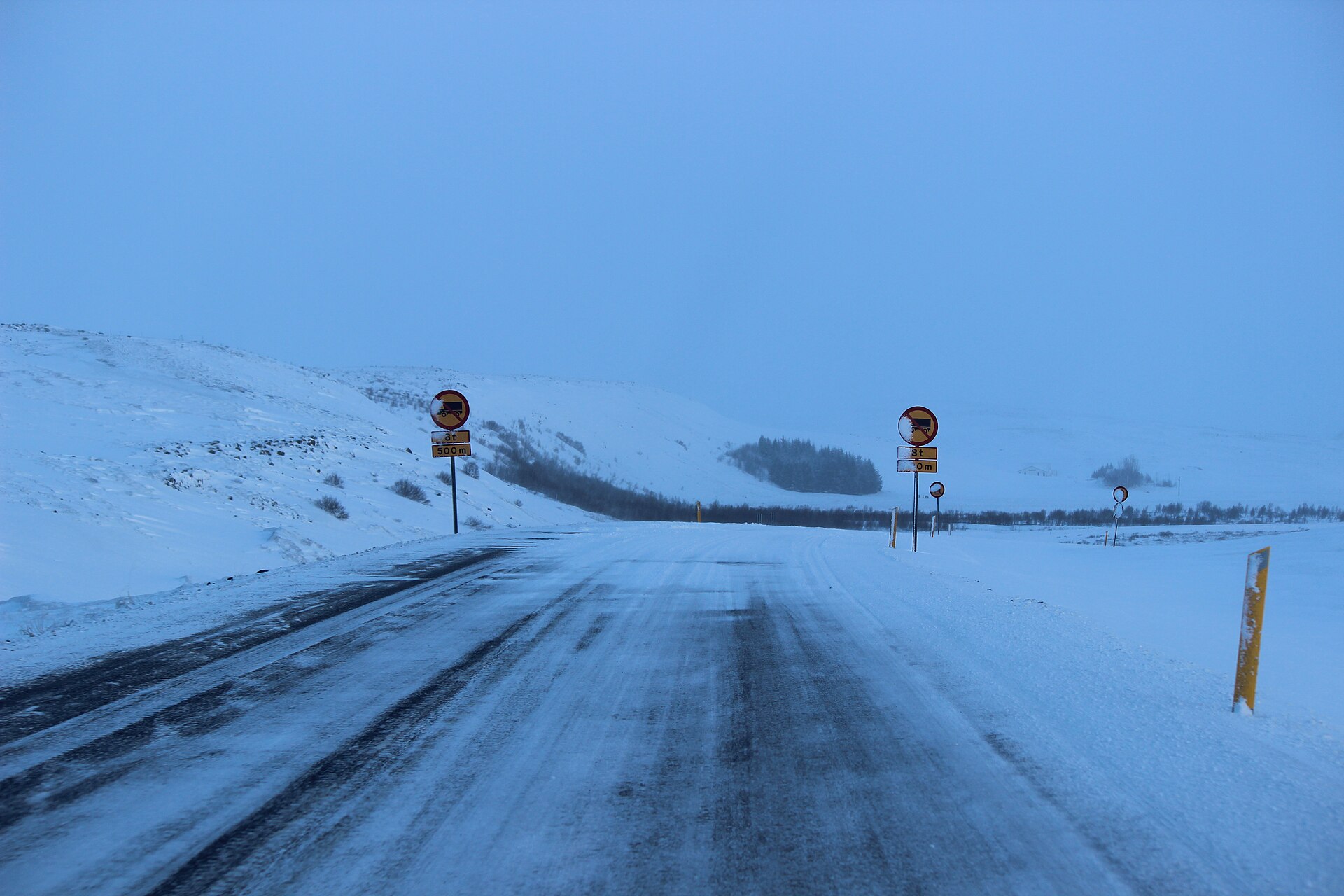
- Wiki.cullin / Wikimedia Commons, CC BY-SA 4.0; the hero image shows a winter road and snowy setting only. It does not represent road conditions, visibility or safety advice for any date.
