
WINTER ITINERARY · 5 DAYS
The easiest way to break a five-day winter trip is to put "I must reach the next hotel today" and "I cannot miss the ice cave tomorrow morning" inside the same long drive. This guide deals with the moment when that pressure starts to build.
ICENAVI ITINERARY FIT · WINTER 5 DAYS
Buy back one flexible night
The score considers how four nights work together, weather warnings, the Vík buffer, a fixed ice-cave activity and the final night. It does not reward the number of sights; recheck warnings, room terms, roads and cancellation rules for your dates.
Days 3 and 4 can trade places. Stay around Vík when conditions turn poor and go east only when they improve; that is the useful buffer.
One or two nights give both the South Coast and the ice-cave meeting point a place in the plan. The second night matters because it can move, not because it adds another room.
Check official roads, the written forecast and your own driving limits before setting out. Money already spent on a room does not create another lane.
Match the meeting point to the previous night's stay. If the activity is cancelled, a short alternative from the same base is possible; there is no need to chase the ticket with a late drive.
For an early flight, return to the airport area on Night 4; consider the last southwest leg only with an afternoon departure. Allow separately for the return, fuel and key handover.
The soundest outline is southwest Iceland plus the South Coast: let weather change the order of sights without rewriting your safety limits.
Turn five winter days into four real nights
A five-day calendar looks generous until you remove arrival, car collection, shopping, the return and the flight. The time you can actually move around is limited. Short winter daylight makes a blue line on the map whisper that you can push on for one more stop. Give each night a purpose that will not force a night drive the next day.
| Night | Protect first | Move or remove if needed |
|---|---|---|
| Night 1 | Collect the car or reach your accommodation safely | A spa visit on arrival day or a long drive into town |
| Night 2 | Return to the same base after Reykjavík or the Golden Circle | An extra viewpoint for sunset |
| Nights 3-4 | Use Vík as the South Coast and ice-cave buffer | A same-day Jökulsárlón return or chasing the northern lights |
| Final night | Return, fuel and flight timing | A last South Coast photo stop on departure day |
Put the four nights back in their real positions
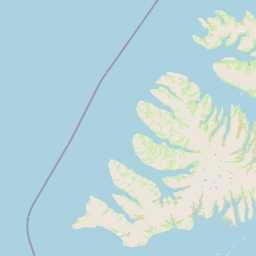
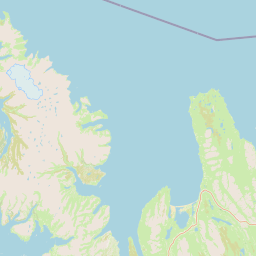
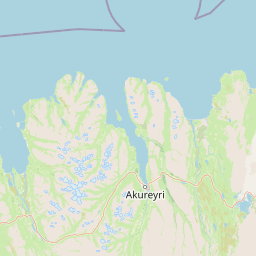
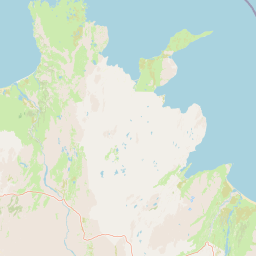
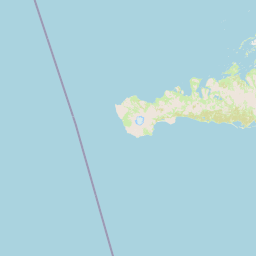
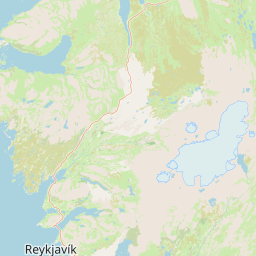
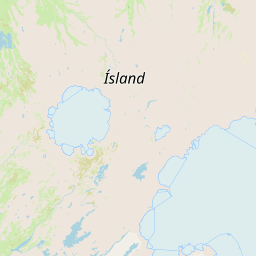
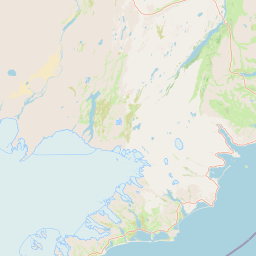
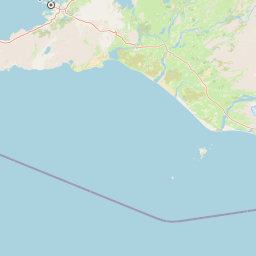
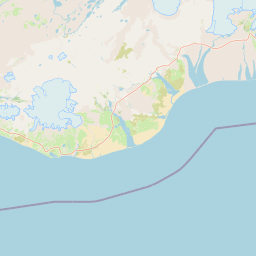
If this layout makes you ask, "So where does Jökulsárlón fit?", you have found the central trade-off. In winter, driving east from Vík and returning is a separate move that needs daylight, road capacity, driver energy and a workable next night. To decide whether it deserves the day, staying at Jökulsárlón or making it a day trip separates the return options. If you have not decided how many South Coast nights to book, read what really changes between one and two nights in Vík; the question is whether your fallback plan can actually run.
Do not leave the weather day as a last-minute rescue
Many travellers treat a buffer day as "one extra day to decide later". In winter, it works better when Days 3 and 4 can exchange places from the start: go east when the roads are good, then take the confirmed activity the next day; if wind, visibility or warnings make a long drive unsuitable, stay around Vík, check in early and decide again tomorrow. You have changed the order of sights without sacrificing what is already booked.
The rule is simple: do not give one day two deadlines. If an ice-cave tour leaves Vík in the morning, do not also promise a drive as far as Jökulsárlón and back to the southwest that afternoon. If you must return to Keflavík Airport (KEF) the next day, do not spend the previous night somewhere that depends on perfect weather for the return. Before choosing dates, check the bookable ice-cave season so the trip is not locked to an inflexible week. Once dates are set, the tour meeting point and the previous night's stay solve the next connection: the activity may be one ticket, but the first problem is where to sleep. With seven days, see the recoverable seven-day winter version, which separates a movable middle afternoon.
After checking the three official pages in the morning
A warning is not a vote on whether to take a risk
- Roads come before the itinerary.When roads are closed, restricted or unsuitable for local conditions, a hotel booking is not a reason to keep driving.
- Written forecasts come before map colours.If the Icelandic Met Office says the written forecast differs from the map, follow the written explanation; wind affects vehicles differently by place and time.
- Contact the fixed activity before moving the stay.Confirm the meeting provider's change or cancellation terms first, then decide whether to move; do not guess from the driver's seat.
- Ask what can be missed last.Waterfalls, a black-sand beach stop and the northern lights can move. Safe arrival, sleep and the next day's flight cannot be traded away.
The Icelandic Met Office describes a yellow warning as weather that may affect travel between areas and requires precautions; orange and red warnings carry greater transport and safety impacts. These are transport and safety signals, and "I only have five days" does not reduce their meaning.
Yellow does not mean that the whole country automatically closes all day. The official impact matrix notes that yellow warnings are fairly common and may not cause a system-wide interruption. Check the warning area, start and end times, road conditions, vehicle and driving experience. The important correction is to stop using a hotel booking as a substitute for the day's judgement.
Before leaving, check the Icelandic Road and Coastal Administration's live road conditions, the Icelandic Met Office forecast and warnings and SafeTravel's driving guidance. SafeTravel notes that winter conditions can also occur in spring and autumn, so "I am not going in December" is not a reason to skip the checks. This page gives you a decision framework; the official notice on the day decides whether you can move.
If you are working out how many outdoor stops a day can hold, Iceland's winter daylight and daily capacity guide separates short daylight, meeting times and the night's accommodation endpoint. Decide what the day must protect before fitting the five-day outline around it.
A non-refundable hotel cannot add a lane to the road
When a warning appears, the loudest thought is usually, "But the next room is already paid for." The money may hurt, but it is already spent. Letting it dictate continued driving only adds the risk of a tow, a crash, a missed flight or another last-minute night. Before setting out each day, keep the booking status and the road status separate.
| Situation | Do this first | Do not do this |
|---|---|---|
| Still within the free-cancellation window | Screenshot the terms and local deadline; decide whether to keep or move the stay against the warning period, roads and activity response | Ignore a known warning because the price may rise later |
| Past the cancellation deadline, but staying at the current base is the only suitable option | Contact the next hotel to record the situation; compare the real cost of staying one more night | Treat a non-refundable room as a pass that requires you to drive there |
| Road closed, restricted or officially unsuitable for travel | Stay somewhere safe, notify the hotel and activity provider, and save road, warning and message screenshots for an insurance enquiry | Follow the car ahead, take an unfamiliar side road or try again after dark |
| Activity cancelled while roads remain normal | Confirm the refund or change first, then use a short option from the same base | Take a much longer drive to make up the ticket price |
Hotel or activity refunds still depend on your room rate, ticket type, supplier terms and travel insurance; a warning does not guarantee free cancellation. When you contact someone, spell out which road, which warning period and which booking you mean. "The weather is bad" gives them little to assess. If you have not booked yet, the Iceland booking order commitment register lets you save cancellation deadlines, support channels and supplier numbers before you are searching email in a car park with weak reception.
The four-night outline: go east only on the right day
Day 1: let arrival day be about arriving. If the flight is late, car collection takes time or conditions are unsettled, stay in Keflavík / Reykjanes or Reykjavík. The Blue Lagoon can suit the first day, but only if it does not leave you tired and driving a long way after dark; for the arrival-versus-departure choice, see when to place the Blue Lagoon. Missing a sight on the first night does not make the trip a failure.
Day 2: use the Golden Circle or Reykjavík to test your pace. This is the most stretchable day. The forecast, the car and your companions' feel for icy roads will be more reliable than your pre-trip assumptions. In ordinary conditions, the city, a museum or a geothermal pool can carry the day; when conditions are good, add the Golden Circle. Do not carry Day 2 fatigue into the next day's main South Coast drive.
Day 3: drive towards Vík with one main aim. Seljalandsfoss, Skógafoss and Reynisfjara look like natural stops on the map, but each needs parking, slippery walking, time in the wind and a realistic stop length. If conditions make one of them awkward, continue to the hotel. It is tempting to stop because you have already driven halfway; arriving safely tonight is what keeps tomorrow available.
Day 4: choose an activity day or an eastern day as the main event. With an ice-cave meeting, protect the meeting time and the road back to your accommodation. With no fixed activity and good roads and daylight, make Jökulsárlón the full-day objective. If a warning cuts off the day, do not replace it with a night drive back to the city; stay around Vík or at the same base. The Vík winter stay comparison puts breakfast, parking, late arrival and terms back into one view so the room removes one morning decision.
Day 5: returning to the airport area is not giving up. For an early flight, return near Keflavík Airport on Night 4; an afternoon flight may leave room for the final southwest leg. The last day also has a return location, fuel level and key handover process. The Keflavík Airport rental-car return guide separates terminal, shuttle and key-box procedures before you choose the final night.
Show hotel CTAs only after the route is chosen
Compare rooms only after you know that Night 3 or 4 will be in Vík and that the eastern day can move with the weather. Check the same dates for parking, breakfast, late arrival, cancellation terms and the total price. A cheap non-refundable rate should not lock you into an unreasonable drive. The Vík-area searches below have been checked;
The trip is not smaller because one sight is missing
A good winter itinerary allows the day to differ from the draft while keeping a safe next choice visible. If one of four nights gets you to the room early, fed, parked and ready to check the roads in the morning, it creates the space for an ice cave, black-sand beach or glacier lagoon at the right time. What the trip needs to protect is a calm return to the airport.
Related reading
Connect the South Coast nights to the fixed times
One or two nights in Vík · Ice-cave meeting point and the previous night · Where to stay the night before departure
More reading
Separate roads, Jökulsárlón and booking terms
How to decide whether to drive each winter morning · Stay at Jökulsárlón or make it a day trip · Booking order and cancellation deadlines · A complete five-day South Coast route
Frequently asked questions
What is the most important trade-off on this trip length?
Protect the flight, accommodation and weather buffer first, then cut distant sights according to conditions. Do not turn every day into a fixed promise.
How should I change the plan if an activity is cancelled?
Keep a nearby alternative from the same accommodation base and avoid adding night or long-distance driving to recover a prepaid cost.
What should I recheck before departure?
Recheck official roads, weather, warnings, the activity meeting point and accommodation cancellation terms, then adjust to the latest information.
References
- Icelandic Met Office: how to read map and written forecasts
- Icelandic Met Office: yellow, orange and red warning impact matrix
- Icelandic Met Office: live weather and warnings
- Icelandic Road and Coastal Administration: live road conditions
- SafeTravel Iceland: winter and unfamiliar-road driving guidance
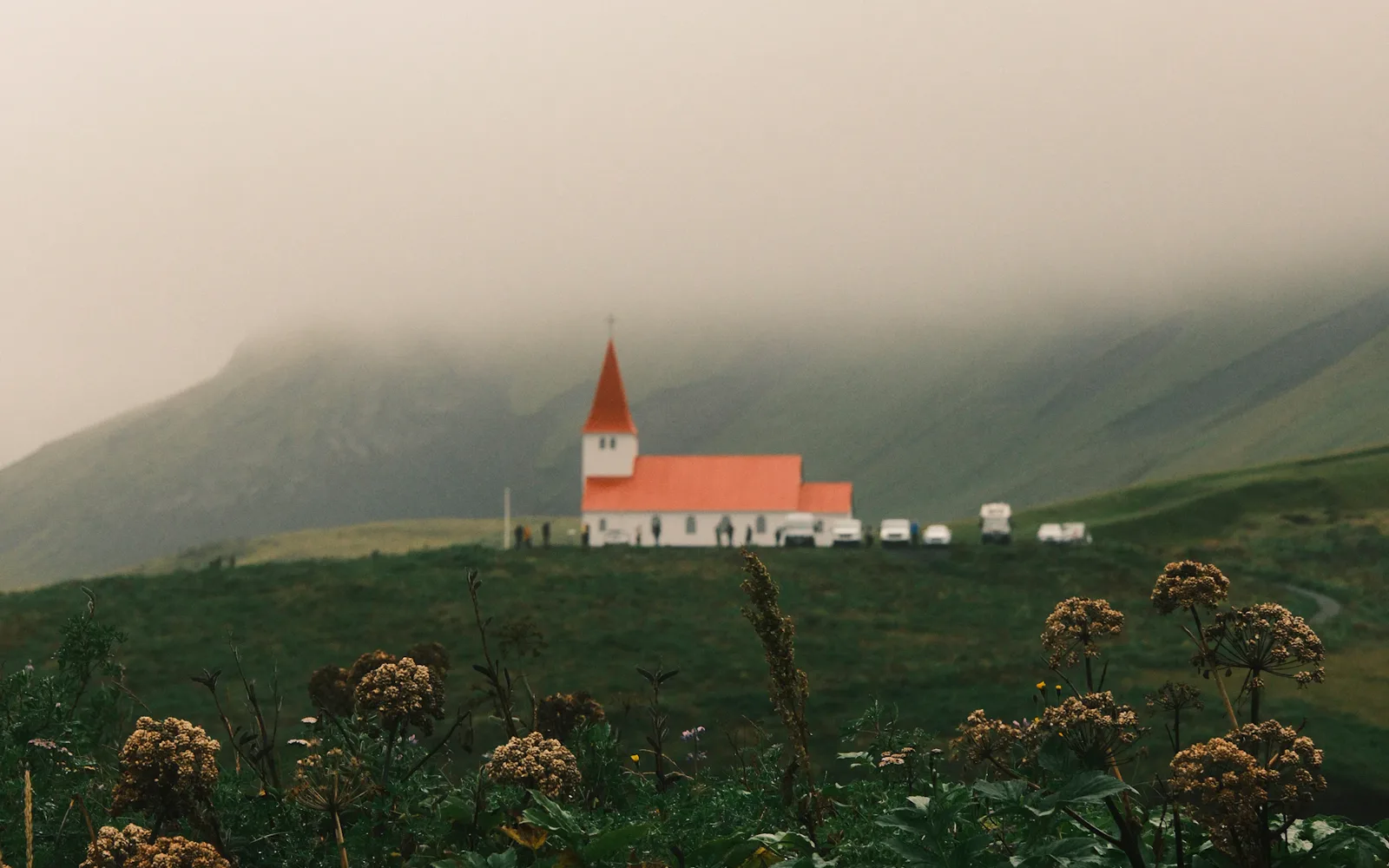
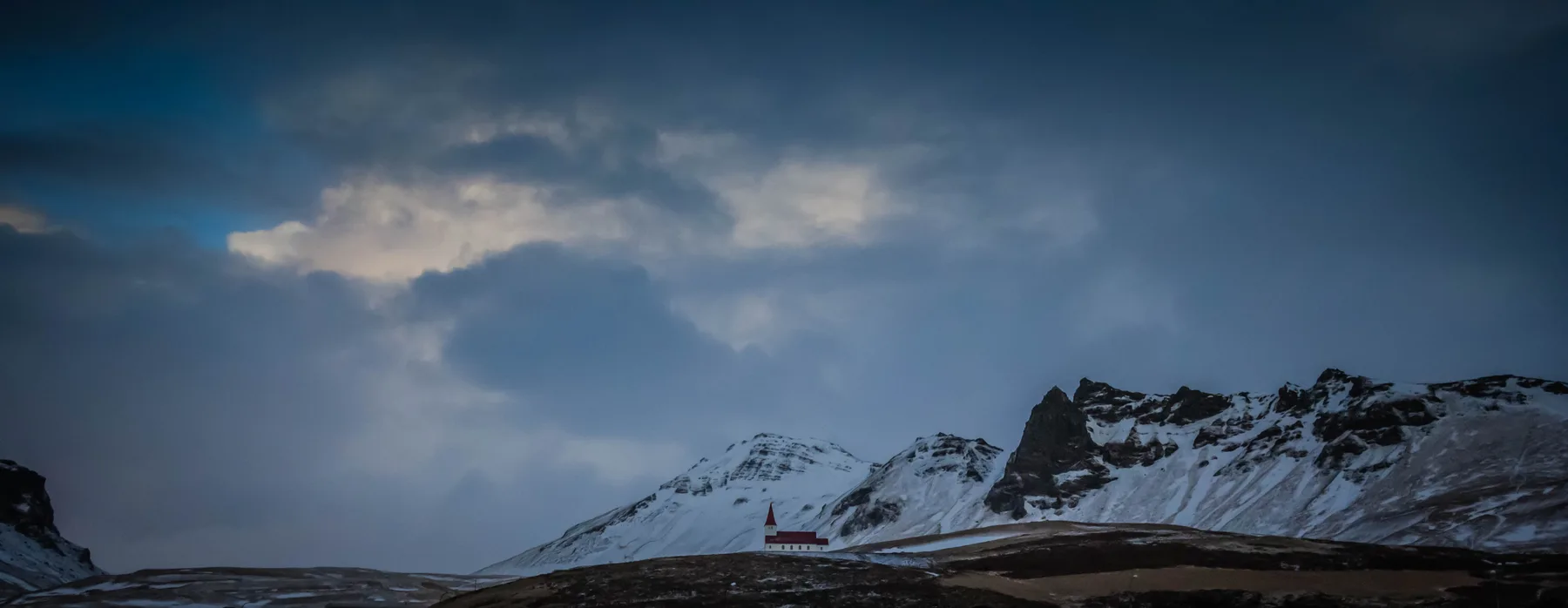
- Winter photo of Vík: Casey Allen / Wikimedia Commons
.jpg)
References
Roads, activity times, accommodation policies and opening arrangements change; check each source listed at the end of this article before departure.