
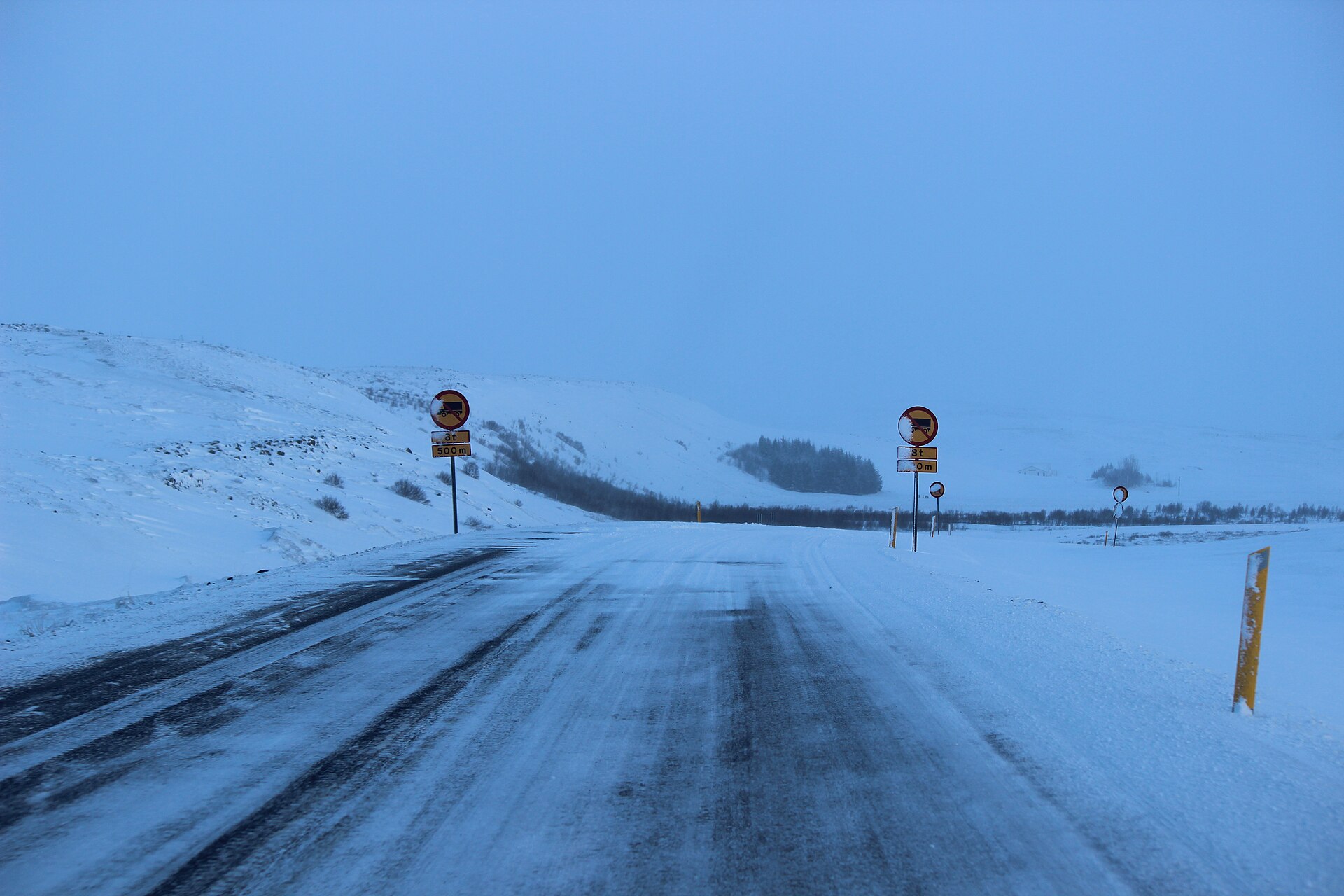
ICENAVI · WINTER ROUTE BUFFER
The most dangerous illusion in a seven-day winter trip is seeing enough days on the calendar and locking in ice caves, the northern lights, the South Coast and the entire Ring Road at once. Official ice-cave information says the season generally runs from November to May, but the actual experience still depends on temperature and weather. An ice cave can be booked; the road is decided by the conditions on that day. The northern lights require a combination of clear breaks, darkness and solar activity, so even leaving one evening free cannot guarantee a sighting.
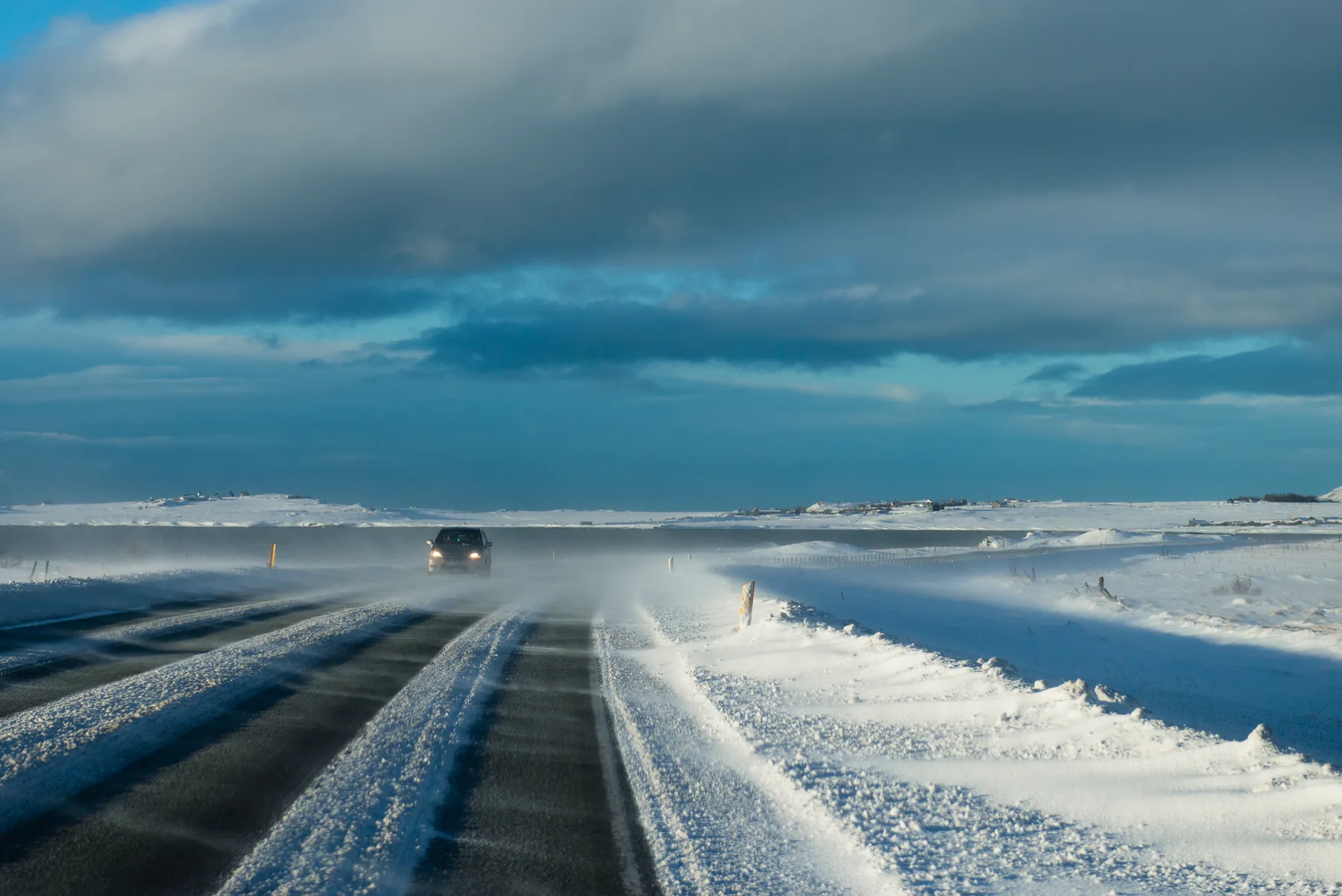
ICENAVI ITINERARY FIT · WINTER 7 DAYS
Leave one space open, and the activities have somewhere to go
The scores consider fixed activities, a recoverable afternoon, northern-lights waiting time, winter roads and the distance to Jökulsárlón. The number of sights does not affect the score. Recheck seasonal availability, warnings, meeting points and cancellation terms for your dates.
Match the meeting time with the previous night’s accommodation so the activity does not depend on a long drive in the dark.
Keep Day 5 available for staying put or choosing something nearby, leaving an exit if the ice cave is rescheduled, fatigue sets in or snow arrives.
Treat the northern lights as an optional evening window after dinner, so the accommodation does not move to a new area because of one forecast.
Short daylight and snow or wind reduce your pace. Commit to only one long transfer direction, then rebuild the day using official information each morning.
Continuing east from Vík requires daylight, passable roads and the next night’s accommodation to work together. Reaching it should not be assumed on every seven-day winter trip.
This format suits a combination of Reykjavík, the South Coast and one fixed ice-cave activity, with an afternoon available for weather changes. A complete winter Ring Road trip works only when the conditions support it.
Separate the three kinds of time in a seven-day plan
Short daylight changes how much usable time you have first. Snow and wind then change how quickly you can travel. Only after that should you consider whether a sight is open. This table separates fixed commitments from waiting time, giving the northern lights and ice caves the pace each requires.
| Element | What determines its timing | How to plan it | Most common mistake |
|---|---|---|---|
| Ice cave / glacier activity | A meeting time, season and operator schedule | Book the activity first, then place the previous night’s accommodation within reach of the meeting point | Discovering after booking that the day requires a long drive at night |
| Northern lights | Darkness, breaks in the cloud and suitable activity | Keep it as an optional choice after dinner rather than moving rooms for it | Chasing the lights for several nights while continuing with long drives the next day |
| Roads / highlands | Weather, wind, snow and official notices on the day | Keep sections that can be cut and check the official conditions again each morning | Treating the navigation estimate as a promise that the road will be passable |
| City day / staying put | The easiest time to recover and rest | Place it in the middle or at either end as an option if plans change | Making the final day the longest transfer |
If you are still choosing between five and seven winter days, start with the five-day winter buffer plan. The seven-day version adds room to absorb a change; it is not simply a reason to add more sights.
Use the map to separate Jökulsárlón from Reykjavík
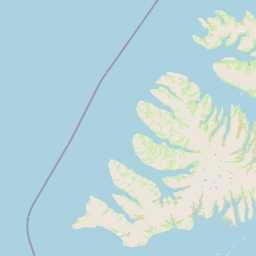
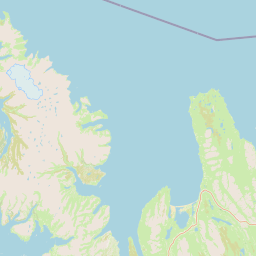
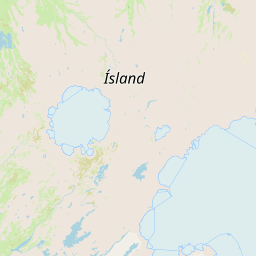
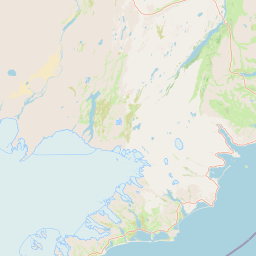
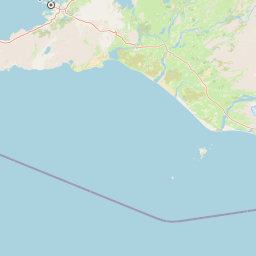
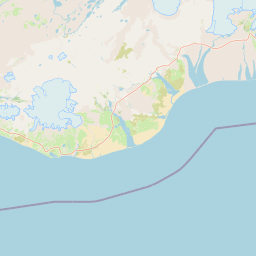
The map below places KEF, Reykjavík, Vík and Jökulsárlón back on a real base map. It does not estimate winter driving times or indicate that roads are open. It simply returns the ice-cave meeting point, accommodation and arrival and departure flights to their actual geographic positions.
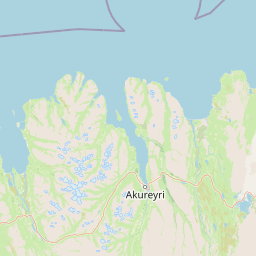
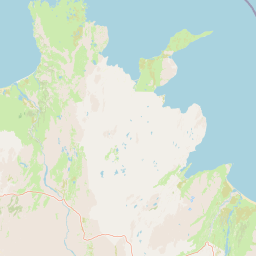
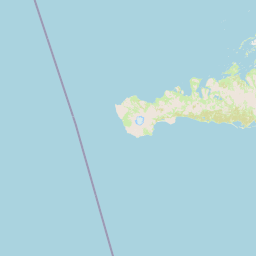
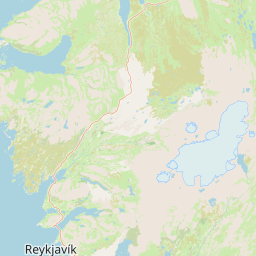
The seven-day framework: schedule what can be cut before what cannot be late
I would first write the seven days as four fixed points and three adjustable spaces. Begin with the elements that can be removed, then place the activity that has a firm meeting time. The first space is arrival and car pickup; the second is a city or Golden Circle test day; the third moves towards Vík. Put the ice-cave meeting in the middle of the trip, while Jökulsárlón waits until roads, daylight and energy all look workable. The final space serves the return journey, leaving one genuine buffer. The practical advantage is simple: if one activity disappears, you do not have to rearrange three hotels at the same time.
| Day | Suggested role | What can stay | What to remove first when conditions worsen |
|---|---|---|---|
| Day 1 | Arrival at KEF / Reykjavík | Pick up the car, stock up, go to bed early | Do not force the Blue Lagoon and a long South Coast drive into the same evening |
| Day 2 | City or Golden Circle test day | Short distances and an early return to the room | An additional detour after sunset |
| Day 3 | Move in stages towards Vík | Choose one or two main South Coast sights | Extending the stop just to collect every waterfall |
| Day 4 | Fixed ice-cave / glacier activity | The meeting time and the previous night’s location | Chasing Jökulsárlón and adding a long night drive on the same day |
| Day 5 | Recoverable afternoon | Stay another night, reschedule or take a nearby walk | Moving between areas and driving after dark without a clear reason |
| Day 6 | Head west or east according to the roads | Choose only one long-transfer direction | A remote sight saved for the very end |
| Day 7 | Return to KEF / departure | Return the car, refuel and leave flight buffer | Trying to add a South Coast photo stop on departure day |
Adjust this table around your flights, car hire and activity meeting point. With an afternoon flight, or without a car, Day 2 can become a city day, and an ice-cave operator may provide transfers. The essential rule is that each day has only one core commitment that cannot be missed; everything else earns its place afterwards. When one room appears cheaper than another on a booking page, ask whether it adds a stretch of dark-road driving before the Day 4 meeting. Sometimes the price difference simply moves the risk from the booking page into the car.
Wait for the northern lights from a base instead of moving for one forecast
The Icelandic Met Office’s aurora page shows cloud cover, the activity index and sunset or darkness times together. When the cloud is thick, a high activity index may still produce no visible lights. In practical terms, treat the aurora as an optional window each evening rather than pushing the accommodation into the next area for one forecast. Staying at a Reykjavík or South Coast base, checking the forecast after dinner and looking from a safe location usually fits the risk profile of a seven-day winter trip better than a long drive at night.
If you decide to book an aurora tour, check the return time and the first commitment the following day. If the product is postponed or cancelled, will the hotel still be in the right place? Those questions tell you more than the review score about whether you will still have energy after returning in the early hours. To compare a tour with self-driving, read aurora tour or self-drive, which separates the driver’s responsibility from the flexibility to reschedule.
Put the ice cave in the middle and give the accommodation an exit route
The common ice-cave season runs from November to May, but temperature and weather can change the actual product and the cave itself. Secure the fixed activity first, then stay the previous night somewhere that allows you to reach the meeting point according to the booking instructions. Do not make the meeting day your longest drive simply to sleep in the far southeast. If you have already chosen the activity, read how to choose an ice-cave tour for its meeting arrangements and season before assigning nights around Vík, Jökulsárlón or the return journey.
ICENAVI · THE RESERVED SPACE IN A SEVEN-DAY WINTER TRIP
Keep at least one afternoon free for a day when you do not need to drive.
Use that time for a changed ice-cave slot, a missed aurora or a tired travelling companion while the itinerary still has somewhere to pause. When every day is prepaid and every night is in a different area, the trip becomes a schedule that cannot respond.
Seven questions to answer before departure
- Have I allowed for sleep and arrival formalities after the flight, as well as car pickup and return?
- Where does the fixed ice-cave activity meet, and is the previous night genuinely in a sensible direction?
- Have I kept the northern lights as an optional window, or am I planning several nights of driving for them?
- Is there an afternoon in the middle that can absorb a missed stop, a delay or another night in the same accommodation?
- Will I check SafeTravel, road conditions and the weather every morning instead of relying on yesterday’s screenshot?
- If Jökulsárlón is unsuitable on the day, which section goes first, and does the accommodation plan still work?
- Does everyone agree that the most tired person decides when the day’s driving stops?
If your answers still resemble a summer Ring Road trip with only the sunset time shortened, return to winter driving in Iceland, then use the booking order to separate activities that cannot move from accommodation that can.
RELATED READING
Place the fixed winter elements first
- Five-day winter buffer: how to keep a five-day plan from becoming overcommitted.
- How to choose an ice-cave tour: meeting arrangements and season before photographs.
- Aurora tour or self-drive: making the responsibility of night driving clear.
- Replanning the South Coast after an ice-cave cancellation: how to protect accommodation and road flexibility when the activity loses its fixed time.
MORE READING
Make roads and accommodation able to absorb change
Set the cancellation order before the weather turns
Frequently asked questions
What is the most important trade-off for this number of days?
Protect the flights, accommodation and weather buffer first, then cut distant sights according to the conditions. Do not write every day as a fixed promise.
How should I change the itinerary if an activity is cancelled?
Keep a nearby alternative from the same accommodation base whenever possible. Do not add night driving or a longer transfer simply to recover a prepaid cost.
What should I check again before departure?
Recheck official road information, weather, warnings, activity meeting arrangements and accommodation cancellation terms, then adjust the plan using the latest information.
References
- Visit Iceland | Ice-Cave Exploration: ice-cave season generally runs from November to May but depends on temperature and weather; checked 2026-09-04.
- Icelandic Met Office | Aurora forecast: official forecast for cloud cover, the activity index and darkness times.
- SafeTravel | Driving in winter: winter plans should remain flexible and be checked against same-day conditions.
- OpenStreetMap contributors: the real base map used for the four geographic reference points in this article.
- Winter road photograph: Wiki.cullin / Wikimedia Commons, used under CC BY-SA 4.0; shown only to illustrate a snow-covered road environment and not the conditions on any particular day.

References
Roads, activity times, accommodation policies and operating arrangements can change. Check each item against the sources at the end of this article before departure.