
SEASON DECISION · ICE CAVE
You don’t need to build your entire winter trip around a specific cave name. What you need is a winter window where the activity day can actually happen, and where a change in plans won’t unravel the rest of your itinerary.
Treat the ice cave as a November-to-May theme, not a fixed commitment
Visit Iceland notes that the natural ice cave season usually runs from November through May, but the specific cave, weather, road conditions, and supplier logistics can all change. The most reliable approach is to place the activity on a day with flexibility on either side and to stay near the meeting point the night before. Don’t stack non-refundable flights, rigid hotel bookings, and early morning meeting times on the same fragile schedule.
Before you pay, verify the actual meeting point, total duration, cancellation and rescheduling deadlines, and what the alternative is if the tour is called off. Also check that your accommodation and onward route still make sense if the activity doesn’t happen. The blue ice in last year’s photos cannot answer for this year’s road conditions, the guide’s safety judgment, or your own energy levels that morning.
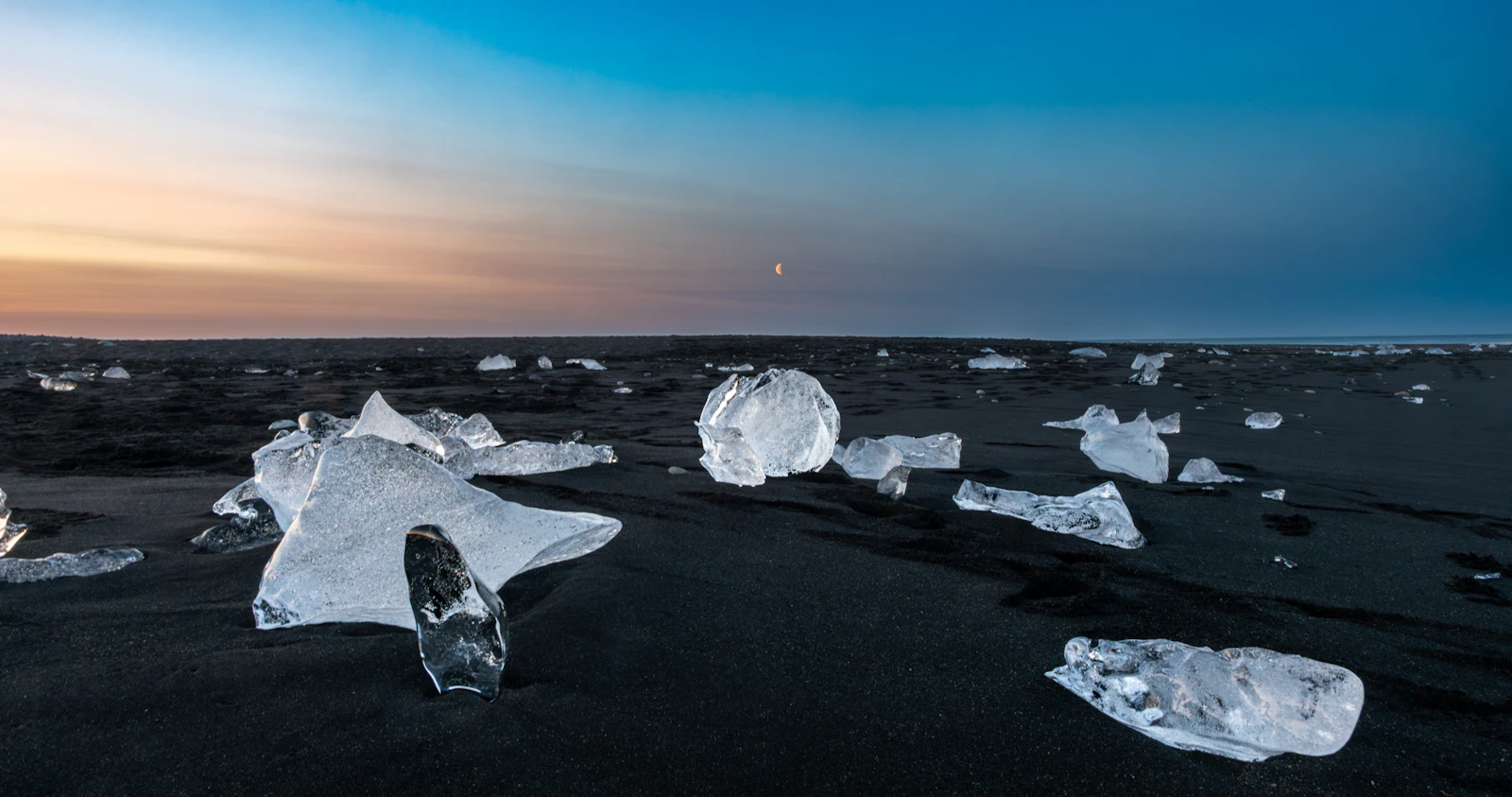
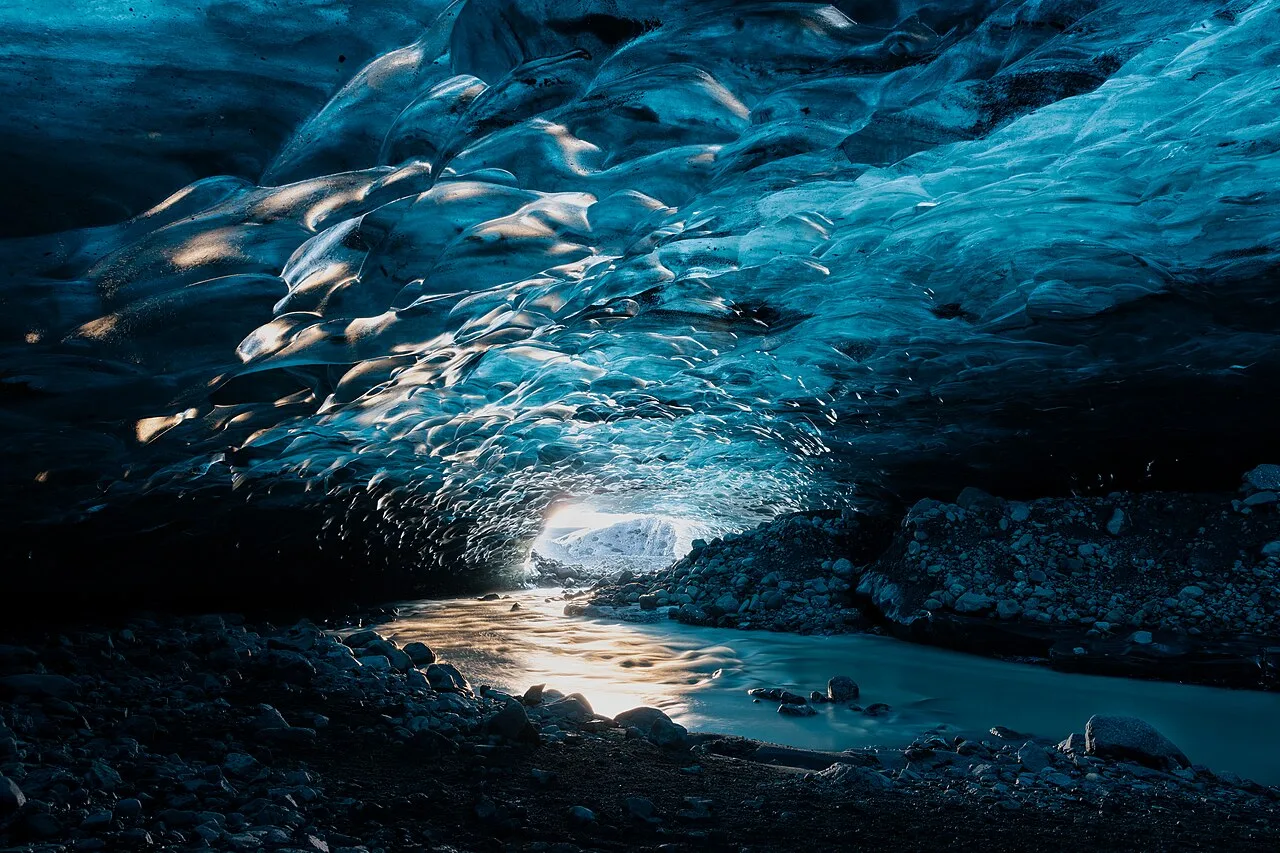
ICENAVI ICE CAVE SEASON · WINTER WINDOW
Which part of winter should you reserve for an ice cave?
This is not a rating of the cave scenery or the supplier. It is a decision card that weighs the seasonal window, natural ice conditions, weather and roads, meeting point logistics, and cancellation fallbacks. Caves move, products change, and you should always rely on the supplier’s and official same-day information before paying and before you depart.
Public data places the natural ice cave season roughly between November and May, but the existence of a season does not mean your specific date, cave, and product are available.
Glacial meltwater, temperature, and safety judgments change the shape of the cave. Photos can show the environment, but they cannot promise the same cave or the same shade of blue.
From November to March, you need to leave room for road conditions, wind, and short daylight. April and May have longer days, but that still doesn’t mean the activity and road status are fixed.
Staying within a reasonable radius of the meeting point the night before preserves buffer for breakfast, gear, and the drive. If the meeting is in Vík or at Jökulsárlón, a long early morning drive from far away will eat up that buffer.
Flexible dates, supplier cancellations, and free alternatives can spread the risk, but confirm the exact deadlines, notification methods and refund limits for each product.
The seasonal window can be planned, but natural ice conditions cannot be booked. Leaving room for the meeting point, accommodation, and alternative activities is what makes this score feasible.
This card separates the idea of "there is an ice cave season" from "today is a good day to put it into a rigid itinerary." What you are actually buying is a winter window that can withstand cancellations, rescheduling, and early morning meetings, not a date tied to a specific photo.
| Arrangement | What you keep | What you give up / accept | When to choose |
|---|---|---|---|
| November to December | Early-winter conditions with more room to adjust the itinerary | Short daylight; arrival and next morning meeting cannot be back-to-back | Stay an extra night near the meeting point and accept that availability needs to be reconfirmed |
| January to March | Full winter feel and a clear ice cave theme | Wind, roads, and short daylight increase the cost of rescheduling | Accommodation and route have buffer, and companions can accept early starts and backups |
| April to May | Longer daylight and easier movement times | Late-season availability, cave status and bookable dates must be verified directly | Dates are flexible, and the ice cave is not the only winter theme |
| Not making the ice cave a theme | Full fallback for the South Coast, accommodation, and roads | You might miss a special activity that photos can't replace | Only four nights, one driver, or no second available date |
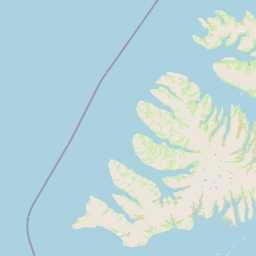
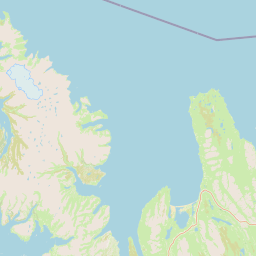
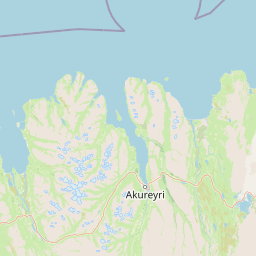
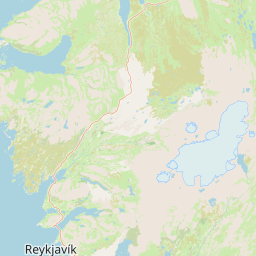
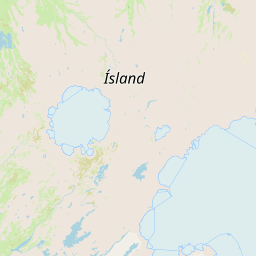
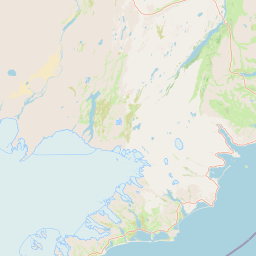
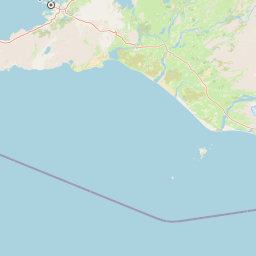
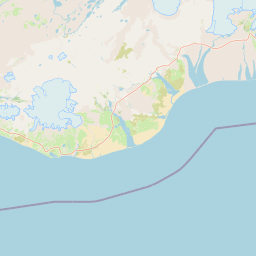
Ice cave activities often place the meeting point on the South Coast or in the direction of the glacier lagoon. Check the real meeting-point geography before paying extra for flexible dates. The location points below are only for comparing direction and accommodation bases; they do not provide same-day navigation or road guarantees.
From November to May, each part of the season creates a different planning problem
Even when it says "ice cave season," early November, February, and May are not interchangeable backdrops. Short daylight, road conditions, wind, accommodation choices, and whether your companions can wake up early all turn the same activity into different levels of difficulty. Breaking the months into three booking mindsets is more useful than scoring each month individually. If your dates fall in November, the ice cave window is just starting, and daytime meetings, nighttime aurora hopes, and next day movement often compete for the same slot; first look at how to avoid stacking three rigid time blocks in one day in November, then keep the night that best fits the meeting-point direction. January often goes wrong the night before the activity: if the second night has been pushed to the farthest point, the meeting, roads, and accommodation all lose their fallback; how to decide the second night in January separates this issue using the first two nights and fixed activities. February's challenge goes one step further: the ice cave meeting is fixed, but the aurora night cannot be locked in with the same booking; should you book the ice cave first or leave room for the aurora in February separates the two booking decisions. If your dates fall exactly in October, first look at should the South Coast and ice cave be arranged together in October: separate general seasonal guidance from each supplier's bookable dates, then check whether the nights on either side still have a fallback.
| Date Window | What to accept first | How to leave room when booking |
|---|---|---|
| November to December | Short daylight; don't stack arrival, long South Coast drive, and next morning meeting into three consecutive tasks | Stay within a reasonable radius of the meeting point the night before; if arriving late, stay an extra night |
| January to March | Most complete winter feel, but also need to leave room for roads, wind, and rescheduling | Avoid having both nights before and after be non-changeable; keep the longest drive on a day without a fixed meeting |
| April to May | Longer days don't mean the cave and roads are fixed; late-season arrangements especially need direct verification | Don't pull the night after the activity too far just because it gets light early |
I won't give a definitive answer on "which month is best." With four nights and one driver, the flight combination that allows an extra night on the South Coast in February is often better than "the month online says is the most beautiful"; if your dates can move between April and May, first check what suppliers are offering, instead of memorizing cave locations from old articles.
What kind of ice cave trip do you actually want?
This step is often skipped. Some people want a very special half-day in their winter itinerary; some choose winter specifically for the ice cave; others just see photos and feel like they'd miss a page of their journey if they don't book it. There's no hierarchy to these moods, just different booking orders.
The ice cave is the theme: Dates and routes should allow at least one flexible night near the activity day, and accommodation should be near the meeting point. Start by checking ice cave tour meeting points, duration, and cancellation terms to see what the supplier wrote; that page isn't just extra reading, it's to avoid booking a far-away hotel only to find the meeting is on another part of the South Coast.
The ice cave is a bonus: First book a South Coast route that's worth taking even if cancelled, and put the activity on a movable day. Jökulsárlón, Diamond Beach, accommodation rest, or a shorter hike can all be backups; a backup isn't a "failed itinerary," it's not having to invent a new trip in the five minutes after a cancellation notice.
The ice cave is just an imagined must-do: Don't rush to pay. Read the supplier's walking, total duration, meeting location, warmth, and cancellation rules, then see if it's still the half-day you most want to keep. When there's no phone signal in the ice cave, your itinerary won't tell the hotel you're late.
The easiest thing to get wrong is "the day before the activity"
Booking a good time slot, but still being in Reykjavík, Blue Lagoon, or the Golden Circle the night before, easily pushes the whole car into a familiar anxiety: the map says you can make it, but gas stations, restrooms, wind, weather, and luggage each eat up a few minutes. These aren't dramatic accidents; winter travel is made of many small delays.
So the ice cave day should have a very ordinary, but very valuable night before: you can check in early, eat dinner, put away gear, and the next day just head in the same direction. When the meeting is around Vík, should you stay one or two nights in Vík helps you judge if an extra night has practical meaning; if the meeting is in the Jökulsárlón direction, use overnight at Jökulsárlón or day trip to first calculate if returning west after the activity is just hiding fatigue until tomorrow.
Before Paying, Make These Three Practical Checks
- On the confirmation email, what is the meeting address and check-in time?
- After eating dinner, refueling, and packing luggage the night before, can you still arrive calmly?
- If the activity is adjusted for safety, what is still worth doing that day?
Safety information is not a disclaimer at the end of the article
Ice caves are shaped by glacial meltwater and temperature, and the cave shape naturally changes. Official tourism data also directly recommends experiencing them safely with professional guides; glaciers are not places suitable for self-entry, relying on flashlights and courage to make up for knowledge. Before departure and on the day, check Icelandic Meteorological Office forecasts, official road data, and SafeTravel warnings, and use the supplier's notice as the final basis for whether the activity proceeds as normal.
You don't need to keep these three websites open all night. A more reasonable approach is to check once the night before, and once before departure; if the activity provider has already issued a change notice, read the notice before changing the plan. This isn't over-preparation, it's giving "should we still go today" an answer to rely on, instead of testing both the signal and everyone's patience in the hotel car park.
This also explains why I don't stuff activity buttons into this entry page. What you just solved here is "when is it worth arranging," not "which ticket is cheapest." Before the meeting point, number of nights, and terms are clear, price comparison will only push a choice that needs flexibility into a pressure not to cancel.
Fitting an ice cave into a winter itinerary doesn't require sacrificing the whole South Coast
For a winter self-drive of five days or less, an ice cave usually should replace a greedy long-distance drive, not be added at the end. how to fit activities, accommodation, and road warnings into one timeline in a five-day winter trip breaks down this exchange: with a fixed ice cave day, commit to fewer distant drives; without a suitable activity day, you can still keep the South Coast with the same accommodation base. If you have seven days, seven-day winter buffer version separates out a changeable afternoon, so an ice cave reschedule doesn't drag the whole route.
There's also a small but often overlooked issue: the day before your return flight, don't treat the ice cave as "it'll be done in the morning anyway." Returning gear, shuttles, road surface, eating lunch, and the last drive all take time. Placing the activity day in the middle of the itinerary lets you keep a night to absorb rescheduling; placing it in the last two days, at least clearly know that if cancelled, you won't sacrifice the car return buffer to make up for this item. This calculation is not glamorous, but it is far better than discovering the timing problem while looking at ice-cave photos at the airport gate.
Once dates, meeting point, and two nights of accommodation are stable, then it's time to compare hotels. At that point, room rates, breakfast, parking, and cancellation terms across three platforms make sense, because you already know which night the extra flexibility is protecting.
Once the ice cave date is set, gear will directly affect walking and pre-meeting preparation; how to pack footwear for Iceland separates waterproofing, grip, crampons, and city itineraries, avoiding treating one pair of shoes as the answer for all road segments.
Three things most easily missed before booking an ice cave
Will every ice cave be open from November to May?
No. Natural ice cave location, ice conditions, weather, roads, and supplier arrangements change; the seasonal window is not a guarantee for a specific cave, check the current product and departure day notice before paying.
Where should you stay for an ice cave activity?
First look at the meeting point and departure time, then decide the night before base. If an early morning meeting requires a long drive from Reykjavík, winter road conditions will push up both cancellation risk and sleep cost; staying near the meeting area usually makes it easier to keep the activity.
What to do with accommodation and itinerary if the activity is cancelled?
Choose changeable or cancellable accommodation, reserve a half-day not tied to a fixed ticket, and find indoor or lowland alternative items in advance. This way rescheduling is just changing an activity, not breaking the whole South Coast route.
References
The following data was verified on August 23, 2026. The season and same-day accessibility of natural ice caves will change; this article provides a booking judgment framework, actual caves, meeting points, gear, restrictions, and rescheduling policies should be based on supplier confirmation and official same-day data.
- Visit Iceland: Ice cave exploration (natural ice cave season and professional guide recommendations).
- Icelandic Meteorological Office (weather forecasts and warnings).
- Icelandic Road and Coastal Administration: Road notifications (real-time road notifications).
- SafeTravel Iceland (travel safety and same-day tips).