
ICENAVI · JANUARY NIGHT PLACEMENT
A common January mistake begins with the second night as a simple accommodation choice, then turns it into a task you must complete after darkness, fatigue or a changed activity plan. This guide takes apart that hidden pressure first.
ICENAVI ITINERARY FIT · JANUARY SECOND NIGHT
Protect flexibility before distance
This score covers only three conditions supported by the geography and official road, daylight and Northern Lights information on this page, and which can change the second-night decision. Without a fixed activity booking or accommodation terms, ice-cave meeting logistics and cancellation are outside the score. Recheck roads, weather and activities for the actual dates.
Reykjavík, Vík and Jökulsárlón are spaced eastward along the South Coast. If day three still requires a return west or the road plan changes, staying in Reykjavík, the southwest or Vík is easier to recover than treating the farthest point as compulsory.
Visit Reykjavík's beginning-of-month reference gives roughly 11:19 sunrise and 15:44 sunset in January. Road conditions may be updated between 07:00 and 22:00, but that does not make an afternoon road suitable for a long drive; activities, parking and check-in still have to fit within limited light.
The official Aurora forecast requires cloud cover, darkness and location to be considered together. Plan the night after you are back at a sensible base, so chasing the lights does not turn the second night into another long drive.
The three checkable conditions average 7.7. Protect the city or South Coast section on night two, then move east according to the activity direction.
Why is the second night easier to get wrong than the first?
Few people push too hard on the first night: a late flight, car collection, luggage, supplies and the first room already fill the evening. After waking on day two, the map becomes persuasive. A waterfall looks like a natural stop, and Vík farther east does not seem so far. The problem is that you still do not know how much road, wind, stopping time and energy that day will leave in reserve, yet the next night has already become a place you must reach.
You can keep moving in January, but every night farther along needs an answer: what does it buy? Does it bring tomorrow's ice-cave meeting point closer? Does it protect daylight for the Jökulsárlón direction? Or does it add one more stop today and force an earlier departure tomorrow" If the answer is the last one, the night may not be cheaper; it may simply charge the pressure later.
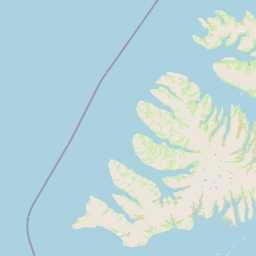
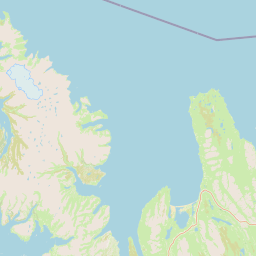
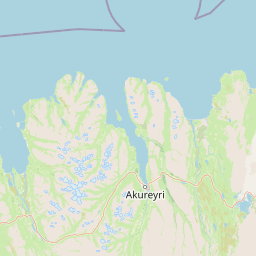
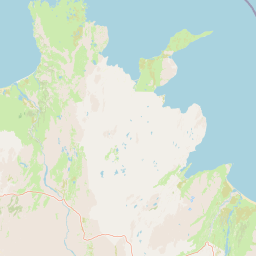
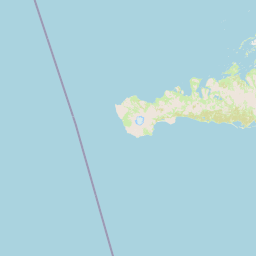
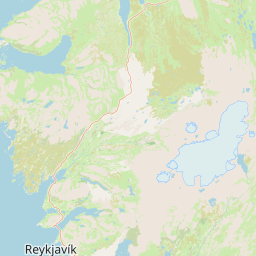
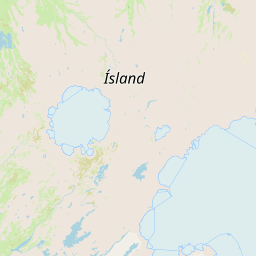
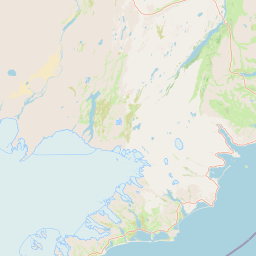
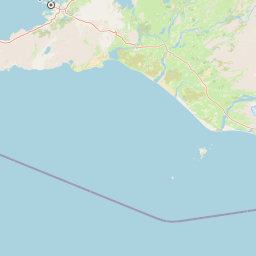
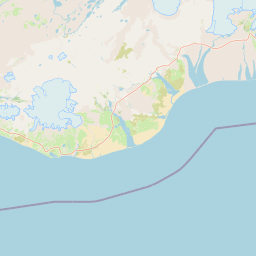
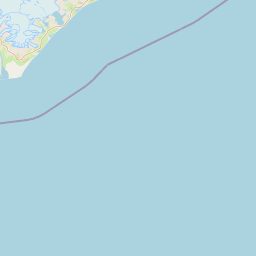
ICENAVI · January second-night decision board
Give each night a job before deciding which one can go farther.
| Your trip | What night two should be | What not to promise this night | Why |
|---|---|---|---|
| Late flight + 4 nights | A full-sleep base in Reykjavík or the southwest | Driving straight to the glacier lagoon after landing | Keep the first complete day for one direction instead of carrying car-collection fatigue into a long drive |
| 4–5 nights + South Coast focus | A base on the western South Coast or around Vík | Waterfalls, black-sand beach and glacier lagoon on the same day, then back again | Night two should preserve options for day three, not fill another square on today's list |
| Fixed ice-cave or glacier meeting | The night before, near the meeting direction | A long morning drive to the meeting, followed by another hotel move | The meeting time, equipment and road conditions already create a hard deadline |
| Only 3 nights or no car | One night at a city base | Joining two distant day tours without a gap | Meeting times, the return to town and rest after dark cannot be erased by calling it “one day” |
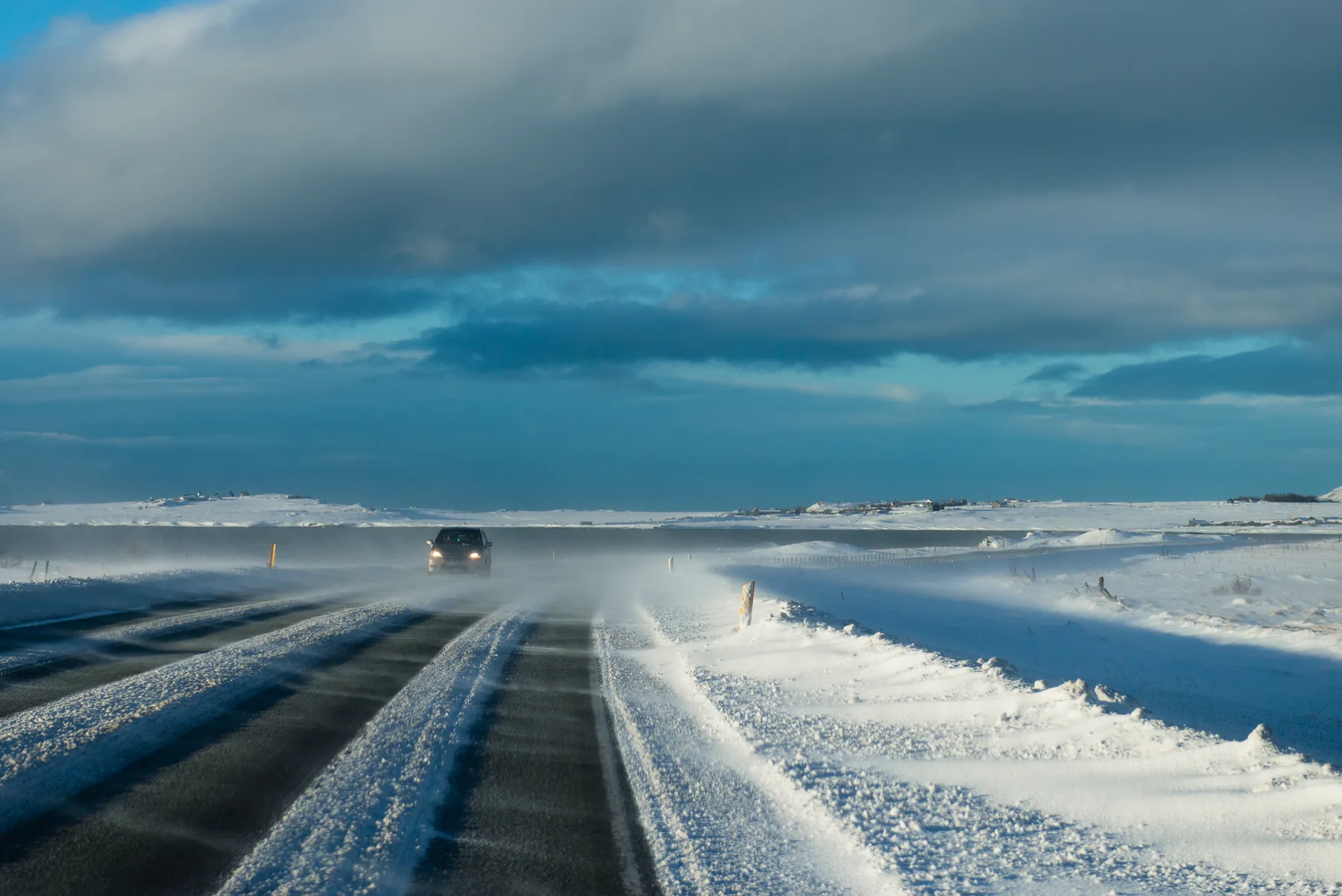
What this winter road image can teach you: scenery is not route approval
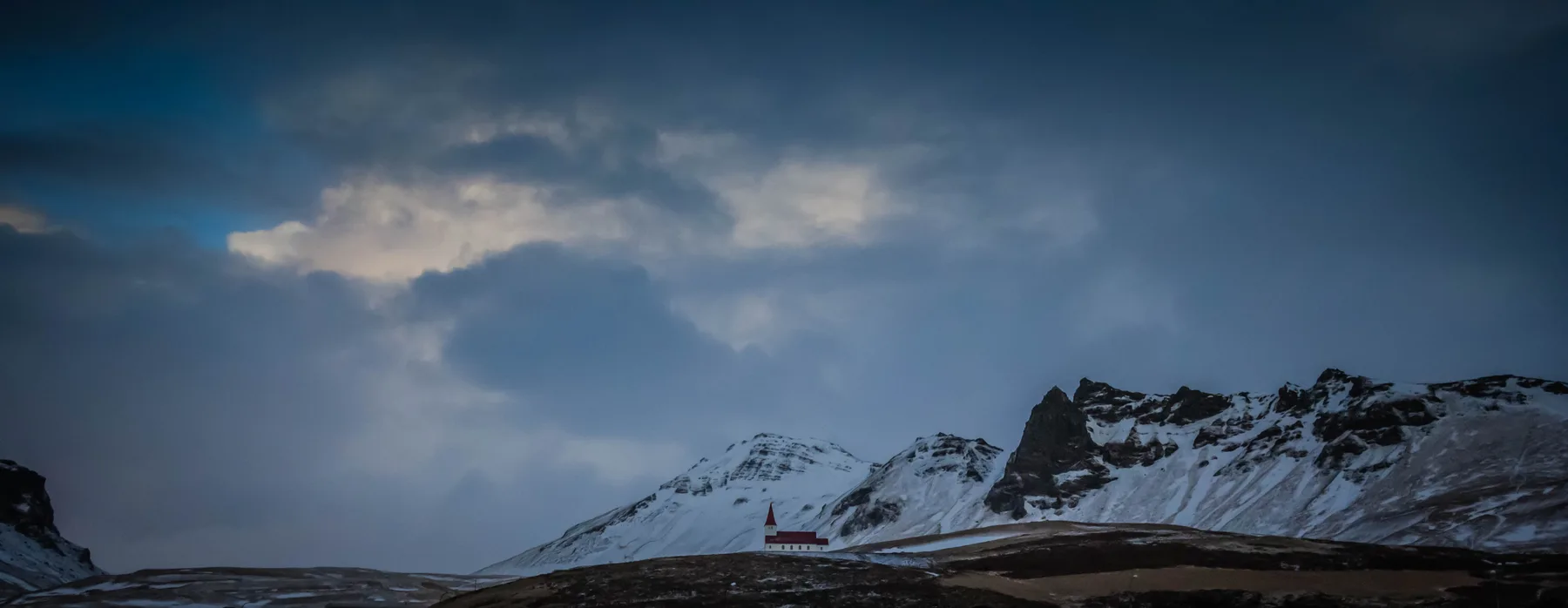
The road authority explains that road conditions from October to April are generally updated daily between 07:00 and 22:00; some information comes from automatic instruments and may contain errors. The practical point is simple: a normal screenshot in the morning cannot guarantee the next drive after an afternoon activity. How to read Iceland's road-condition website puts roads, update times and accommodation changes into one process; it is more useful than saving a green route screenshot to your photo album.
Use the cancellation test to see whether night two has a real fallback
If January includes an ice cave, give the activity day its own previous night
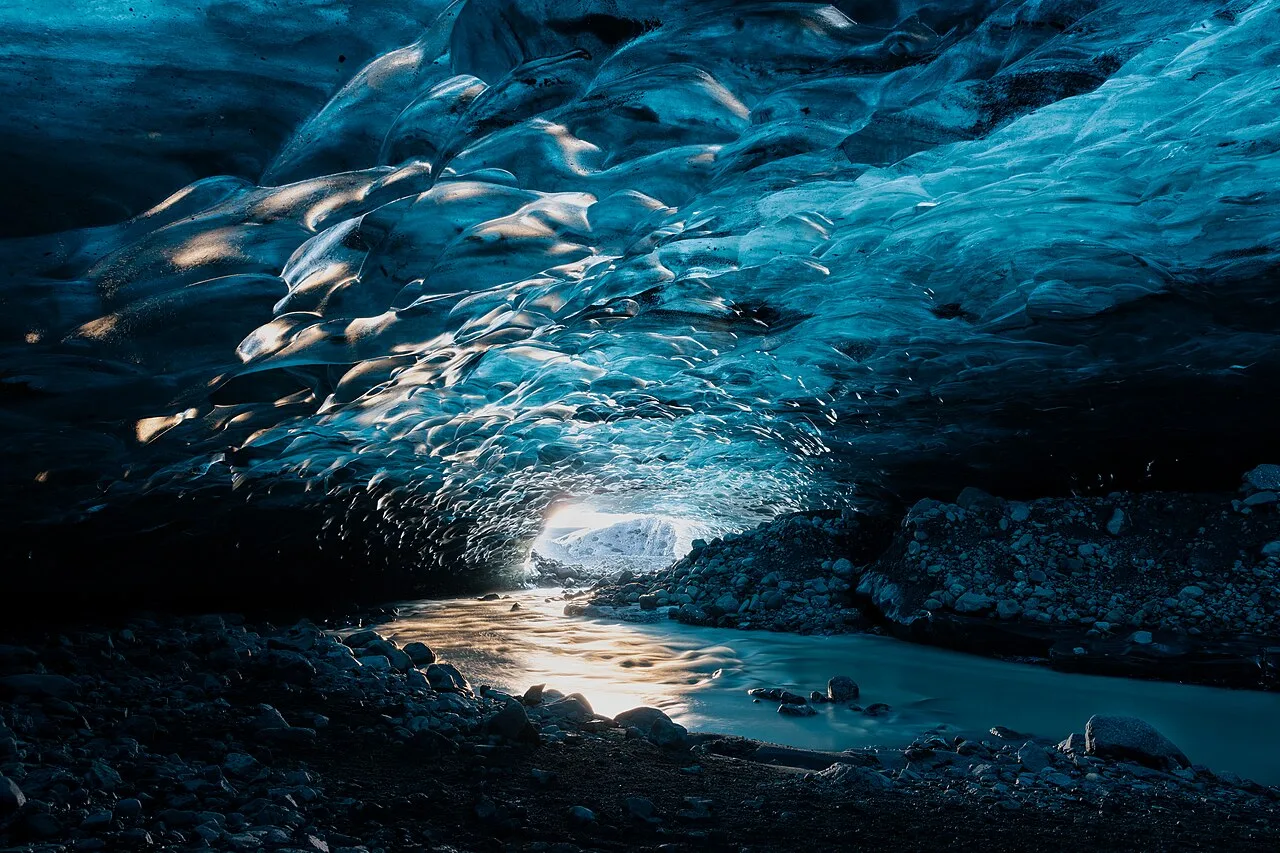
Natural ice caves commonly have a November-to-May window, but caves, meeting places and whether a tour runs still depend on conditions and the operator's arrangements. The January mistake is not booking an ice cave; it is treating the cave as “one morning on the South Coast”. If the meeting point is around Skaftafell or Jökulsárlón, the previous night's location decides how much room the morning has. Whether you continue east after the activity or return to Vík is a separate question.
Use the Iceland ice-cave season guide first to check how much date flexibility you need, then use how to choose an ice-cave tour to verify the specific product's meeting point, duration and cancellation terms. If you are comparing “east after the activity or back to Vík tonight”, whether to stay overnight after Jökulsárlón or return the same day is the next map. There is no need to book the cheapest western room before you know the meeting direction.
Keep the Northern Lights in the plan, but not as the reason for a second-night drive
January's long nights are tempting, which makes it easy to turn the Northern Lights into a nightly obligation. A calmer version has you back at a sensible base by day, then goes out only when weather and roads cooperate; if nothing appears, the next day's route remains intact. After a long South Coast day, driving again after dinner simply to reach darkness turns the wish into a group decision about whether anyone can safely continue.
If you do not want the full burden of night driving on yourself, Northern Lights tour or self-drive separates the meeting point, cancellation, return to town and the condition of tomorrow. You keep flexibility while making sure the second night is genuinely tonight, rather than a stretch of movement followed by recovery sleep the next morning.
ICENAVI's January versions: which one stays whole after dropping a stop?
| Nights available | The more mature version | What you leave open | The usual bad calculation |
|---|---|---|---|
| 3 nights | Stay in Reykjavík + one distant day activity | Arrival, meeting times and weather changes | Treating the South Coast, Golden Circle and glacier lagoon as nearby suburbs |
| 4–5 nights | First night + one South Coast base + a final-night buffer | One fixed activity or one night without moving | Moving east throughout night two, then having to return west on night three |
| 6 nights or more | Make the Jökulsárlón direction the theme while keeping the final night for the flight | Roads, activities or recovery after fatigue | Treating the Ring Road as the minimum rather than one possible version |
| No car | City base + one verified distant activity | Meeting time and space after returning to town | Putting two long day tours on consecutive days |
“Drop one stop” is a reminder that once the second night is dictated by the farthest destination, the flexible space for ice caves, Northern Lights, waterfalls and accommodation disappears with it. For a four-night January trip, start with how a four-day Iceland trip can fit the South Coast and return on one line. If you already know you want to stop in Vík, one or two nights in Vík explains what the second morning can give to the black-sand beach, an ice cave or Jökulsárlón.
ICENAVI · One question before payment
If tomorrow cannot move farther east, is this room still a good choice tonight?
If the answer is “not at all”, the room has become the pressure point pushing everyone towards the original route. Asking this clearly in January usually protects more of the trip's worthwhile winter detail than enlarging the list of sights again.
RELATED READING
Once night two is set, what comes next?
- Five days in Iceland in winter: place fixed activities, accommodation and adjustable days where the route can absorb changes.
- Where to stay on the arrival night: a late flight, car collection and the first night should not all be answered by “near the airport”.
- What to check when staying in Vík in winter: a late arrival, parking and the next-morning direction all change the value of one night.
MORE READING
Let official information make the final route check before departure
References
Road, weather, ice-cave and Northern Lights conditions continue to change. These sources only support the boundaries of the itinerary decisions in this article; payment and departure-day choices still require current written confirmation from the road, weather and activity providers.
- Icelandic Road and Coastal Administration | Road-condition definitions: usual October–April update hours, data sources and limits of automatic data.
- SafeTravel | How to Drive in Iceland: roads and weather can change quickly, and navigation may not reflect closures or impassable sections.
- Visit Iceland | Ice-Cave Exploration: the common natural ice-cave season window and its condition-dependent limits.
- Visit Iceland | Northern Lights: the seasonal and cloud-cover context for the Northern Lights.
- Winniepix/Wikimedia Commons | Driving in Iceland can be challenging: a February 2018 winter-road image, CC BY 2.0; used only to identify the road environment in the hero image.
- Visit Reykjavík | Sunrise and sunset: an approximate beginning-of-January sunrise/sunset reference; recheck against the departure year.
- Article image: Casey Allen/Wikimedia Commons, CC0 1.0; it describes the winter hills and settlement around Vík and does not represent same-day Road 1 conditions, wind, warnings, visibility, Northern Lights or room views.
- OpenStreetMap contributors: the geographical base map for the location figure.
Q&A | Questions to settle before departure
What is the biggest risk on Iceland's second night in January?
Giving a long drive and darkness to a route segment with no buffer.
Should you stay on the South Coast?
It depends on the next day's activity meeting point and road conditions; first confirm the route back to the room.
Should the Northern Lights be scheduled for the second night?
They can be a flexible option, but should not lock the main route for the following day.
References
Roads, activity times, ticketing and opening arrangements can change; check each item against the sources at the end of this article before departure.