
ICENAVI | NOVEMBER'S FIXED HOURS
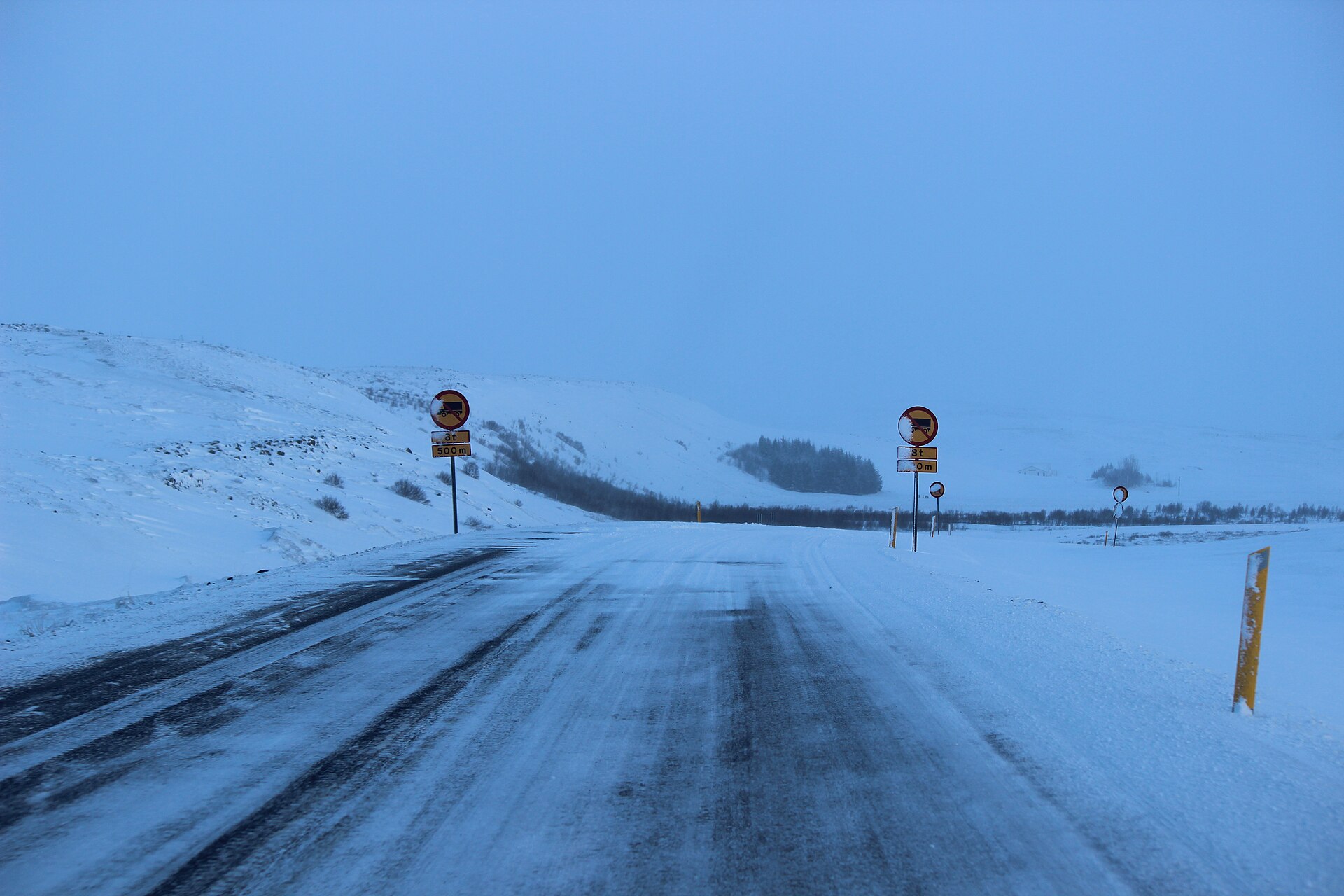
The November question is less about how many sights can fit on a map than whether each day leaves enough light and margin for the road. This plan weighs the short day, winter conditions, ice-cave timing, northern-lights flexibility and Reykjavik's event calendar before choosing where to sleep.
ICENAVI ITINERARY FIT | NOVEMBER FIRST TRIP
Protect the daylight meeting first, then keep one night for the thing you hope to see
The score uses the usable daylight window, fixed activity meetings, aurora season and compatibility with city evenings. Recheck road alerts, activity availability and city programmes for the actual date.
Use Reykjavík on 1 November 2026 at about 09:10–17:10 and on 17 November at about 10:03–16:21 as the scale. With short daylight, one long fixed meeting per day leaves the most room to change plans.
The ice-cave routes in this article meet around Vík, Skaftafell or the glacier-lagoon area. If the meeting point changes, the previous night’s accommodation changes with it; product dates and cancellation terms still need to be checked one by one.
Visit Iceland places the aurora window from September to the following April. Cloud, roads and your own energy are only known that evening, so putting the aurora on a night where you remain at the same base gives you a way out if conditions fail.
Iceland Airwaves 2026 is currently listed for 4–8 November in central Reykjavík. Evening shows can work with consecutive city nights, but they should not be paired with an early fixed meeting or a luggage move the next morning.
For four to five nights, a city-and-South-Coast plan is the most resilient first-trip structure. Give the ice cave and the aurora one anchor each; a complete Ring Road should not be treated as the minimum November itinerary.
November has three fixed clocks; a calendar alone cannot make them fit
The first clock is daylight: Reykjavík is about 09:10 sunrise and 17:10 sunset on 1 November 2026, narrowing to roughly 10:03–16:21 by the 17th (local time; exact dates vary by year). Car collection, parking, waterfall walks, lunch and check-in all compete for that window. The second clock is winter activity timing: natural ice caves are commonly scheduled from November into May, but the date, cave, meeting point and whether the activity runs still depend on the provider and the day’s conditions. The third clock is night: aurora season is broadly September to April, but cloud, roads and tomorrow morning’s energy do not pause because you want a sighting.
Problems start when all three are forced into one day: a long drive to an early meeting, another transfer after the activity, an aurora chase after dinner, then a departure or hotel move the next morning. The schedule has no visible gaps, but every block depends on the previous one running exactly to time. In November, first identify the day that absolutely cannot carry that chain.
ICENAVI | NOVEMBER ROUTE DECISION
Choose the route that still works when the day changes
| Starting preference | What to prioritise | Where to anchor the night | Why this works |
|---|---|---|---|
| First visit with a short daylight window | One clear South Coast objective and a manageable return | Reykjavik, with the city as the opening buffer | You keep the first decision close to services and can move the outdoor focus if road conditions change. |
| Comfort with a winter drive | A focused Vik section rather than a long list of stops | Vik for one or two nights | The overnight removes a same-day return pressure, while the route still needs a weather check before departure. |
| A trip built around a city event | Reykjavik time before or after the South Coast | Reykjavik on the event night | Iceland Airwaves provides a fixed evening plan; keep the daytime schedule light enough to arrive back without rushing. |
| Ice-cave priority | Book the seasonal experience around the drive, not as an extra stop | A night that keeps the access day practical | The experience gets the daylight and travel margin it needs, while the rest of the itinerary remains adjustable. |
Winter roads decide how much of the South Coast fits
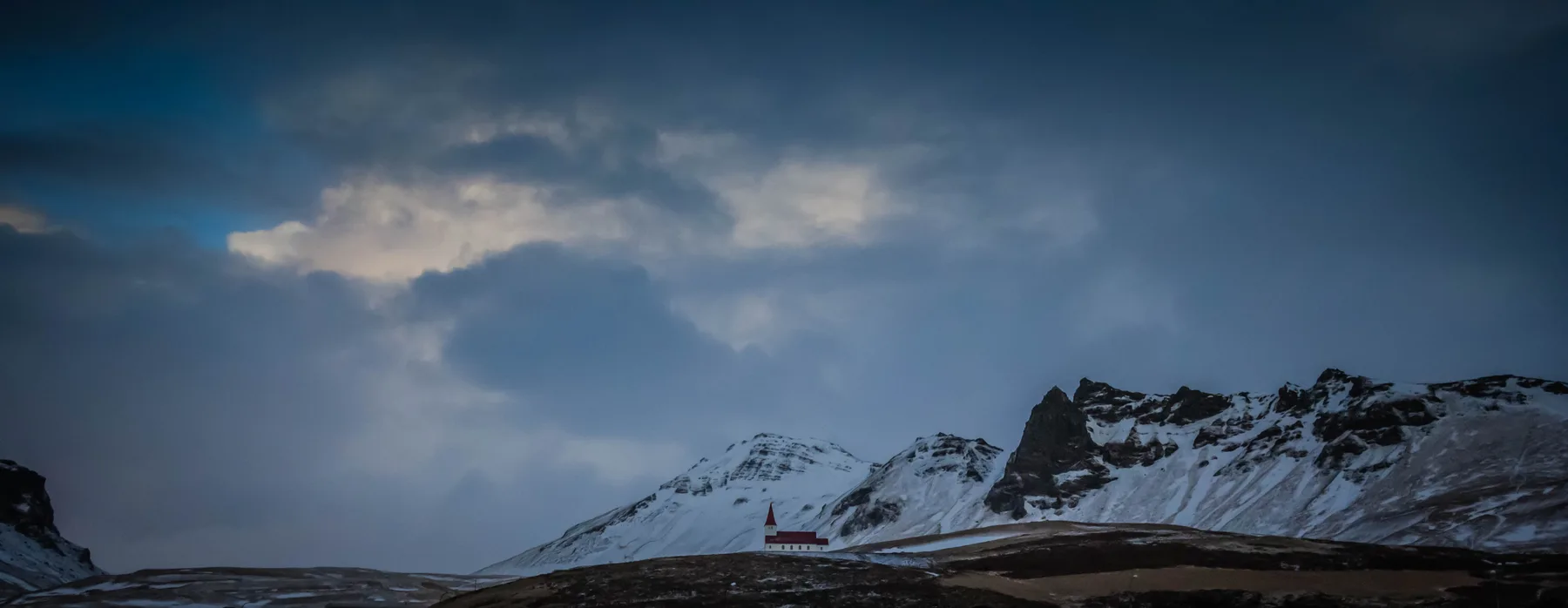
SafeTravel's driving guidance belongs in the planning stage, before the route is fixed. Check the road outlook on the day, allow for slower progress, and keep a decision point where you can turn back without sacrificing the whole trip. The Iceland road-conditions guide is the useful companion here: it helps you read the status of the road you actually intend to use.
Pair the ice cave with a day that has room around it
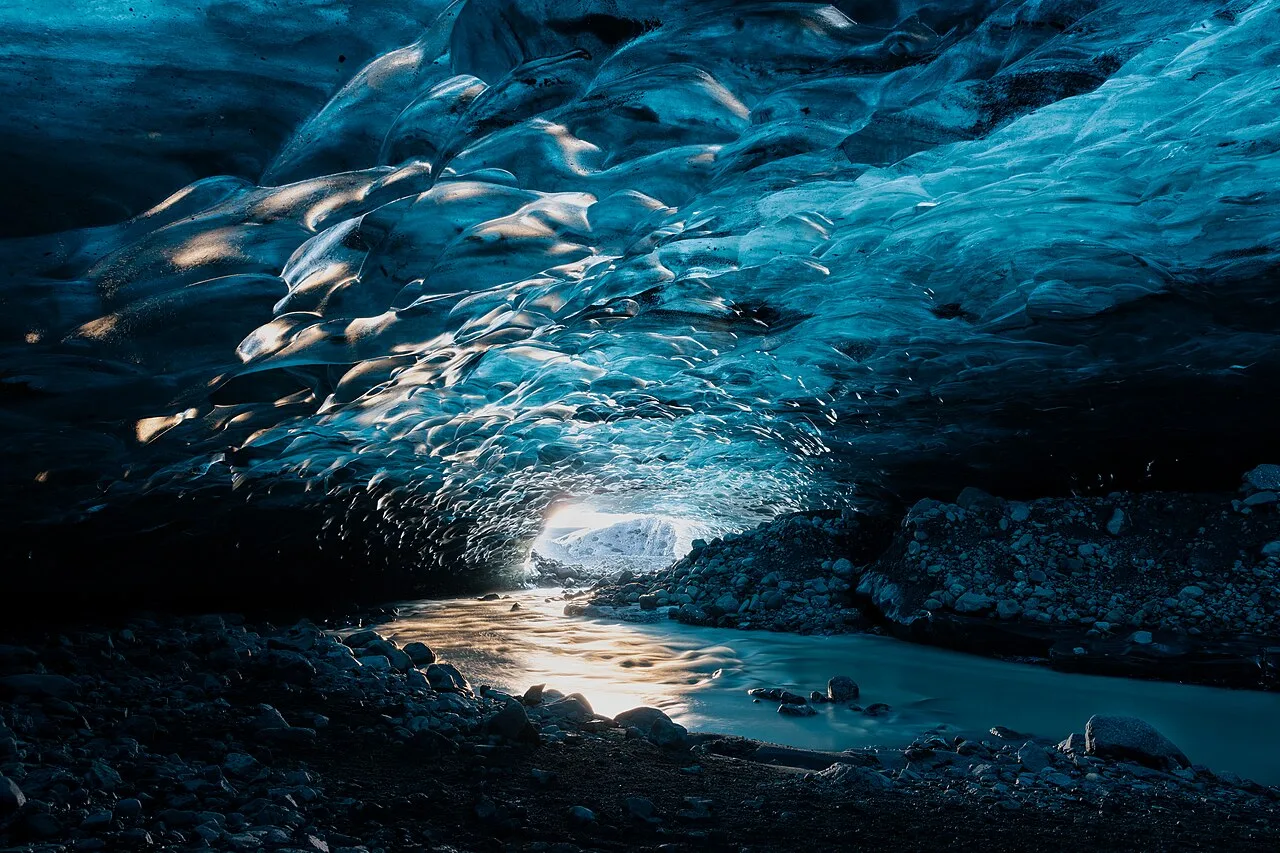
A first November trip has a strong seasonal reason to include an ice cave, but the cave should shape the day rather than be squeezed into a packed drive. Read the ice-cave season guide and the ice-cave tour comparison before fixing the order. Leave enough time for the meeting point, the return journey and a change of plan if conditions do not cooperate.
If the route reaches Vik, decide whether one night is enough or whether two nights give the experience a calmer frame. The Vik one-or-two-night comparison is the relevant stay decision: an extra night can reduce the pressure to combine the cave, the road and every nearby sight in one daylight window.
Reykjavik gives November a dependable evening shape
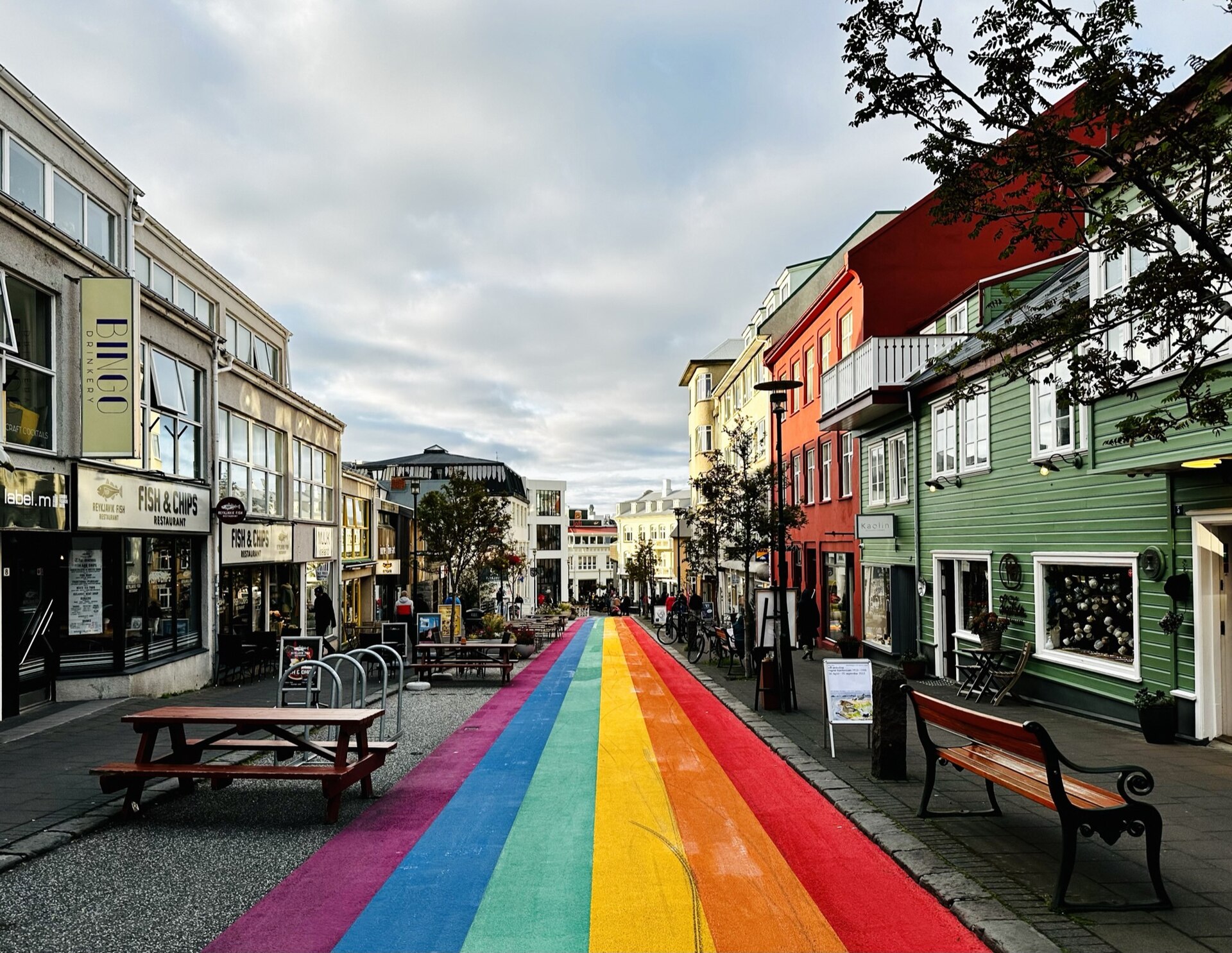
Reykjavik is useful when the outdoor timetable is uncertain. It gives you a place to begin, a place to reset, and an evening with options after a weather-led change. That matters on a first trip because the city can carry the plan while you make a sound decision about the next road section, rather than treating a cancelled outdoor day as lost time.
For northern lights, keep the forecast-led activity flexible. The northern-lights tour or self-drive guide explains the choice; Reykjavik is the practical base when you want the evening to remain open. Iceland Airwaves is listed on 4 November 2026, so the event can provide a fixed city night while the daytime route stays adaptable. Use the Iceland planning guide to keep that evening from competing with the day's longest drive.
How many nights make the plan comfortable?
| Trip length | Route shape | What it leaves room for | Main trade-off |
|---|---|---|---|
| 3 nights | Reykjavik with one focused South Coast day | A simple arrival buffer and a compact outdoor plan | Less flexibility if a road or activity is disrupted. |
| 4 nights | Reykjavik plus a measured Vik section | One extra night to separate driving from the main experience | The route still needs discipline; more nights do not create more daylight. |
| 6 nights or longer | A slower South Coast plan with Reykjavik placed deliberately | Weather margin, a seasonal experience and a city evening | More accommodation moves can cancel out the benefit of extra time. |
| Shorter or tightly fixed trip | Stay closer to the city and choose fewer outdoor commitments | Reliable sleep locations and a simpler fallback | You may need to leave the furthest South Coast stops for another trip. |
Book the arrival night and the last night with the airport transfer in mind. The arrival-night stay guide and last-night stay guide cover the two buffers that keep a short winter itinerary from becoming fragile.
ICENAVI | NOVEMBER STAY DECISION
When should a first-time visitor sleep outside Reykjavik?
Stay outside the city when the overnight directly improves the next day's route, especially around Vik and a planned seasonal activity. Keep Reykjavik when the arrival, the event or a weather decision is the more important anchor. The right stay is the one that protects the next daylight window; a remote night that only adds a hotel move is not a gain.
November compared with December
November gives a first-time visitor a little more usable daylight than the later winter period while still offering the seasonal setting that draws people to Iceland. The choice becomes less attractive when every day is fixed, every stop is essential, and there is no margin for a road decision. If the shorter days of December are acceptable, compare this plan with the December first-trip itinerary before booking.
Continue with the route
Related route and stay planning
- Iceland winter: a five-day buffer for a plan that can absorb a disrupted day.
- October South Coast and ice caves for a comparison with the earlier-season route.
- Where to stay in Vik in winter when the overnight needs to support the next drive.
Make the decision
Practical links for a weather-led plan
References
The route choices above use the source page's listed daylight, seasonal and road-planning references. Read the original guidance for conditions that can change before departure.
- Visit Iceland: Ice Cave Exploration for the seasonal experience.
- Visit Iceland: Northern Lights for the evening phenomenon.
- Timeanddate: Reykjavik November 2026 daylight, including 1 November 09:10-17:10 and 7 November 10:03-16:21.
- SafeTravel: How to Drive in Iceland for driving guidance.
- Icelandic Road and Coastal Administration: Road-condition definitions for road-status terminology.
- Iceland Airwaves, listed here for 4 November 2026.
- Image source: Wiki.cullin, Wikimedia Commons, CC BY-SA 4.0.
Q&A: planning a first Iceland trip in November
Is Iceland in November suitable for a first trip?
Yes, if you accept the short daylight window and keep the route focused. Reykjavik plus a measured South Coast plan is easier to adjust than a drive that tries to cover every major stop.
Should I drive to an ice cave in November?
Only when the activity, access conditions and driving day fit together. Check the road outlook, keep a return margin and avoid making the cave one item in an otherwise overloaded day.
Should I stay in Reykjavik or Vik?
Use Reykjavik for arrival, the city event and flexible evenings. Choose Vik when the overnight makes the next South Coast or seasonal-activity day shorter and more manageable.
Reference note
Road conditions, activity access and daylight timing should be checked again before travel because the itinerary depends on them.