
DECEMBER FIRST TRIP · WINTER DECISIONS
December works best when every booking still has somewhere to breathe; on a first visit, choose a route that will not collapse if you see one stop fewer.
Base four or five nights around Reykjavík and the South Coast, with one fixed winter highlight
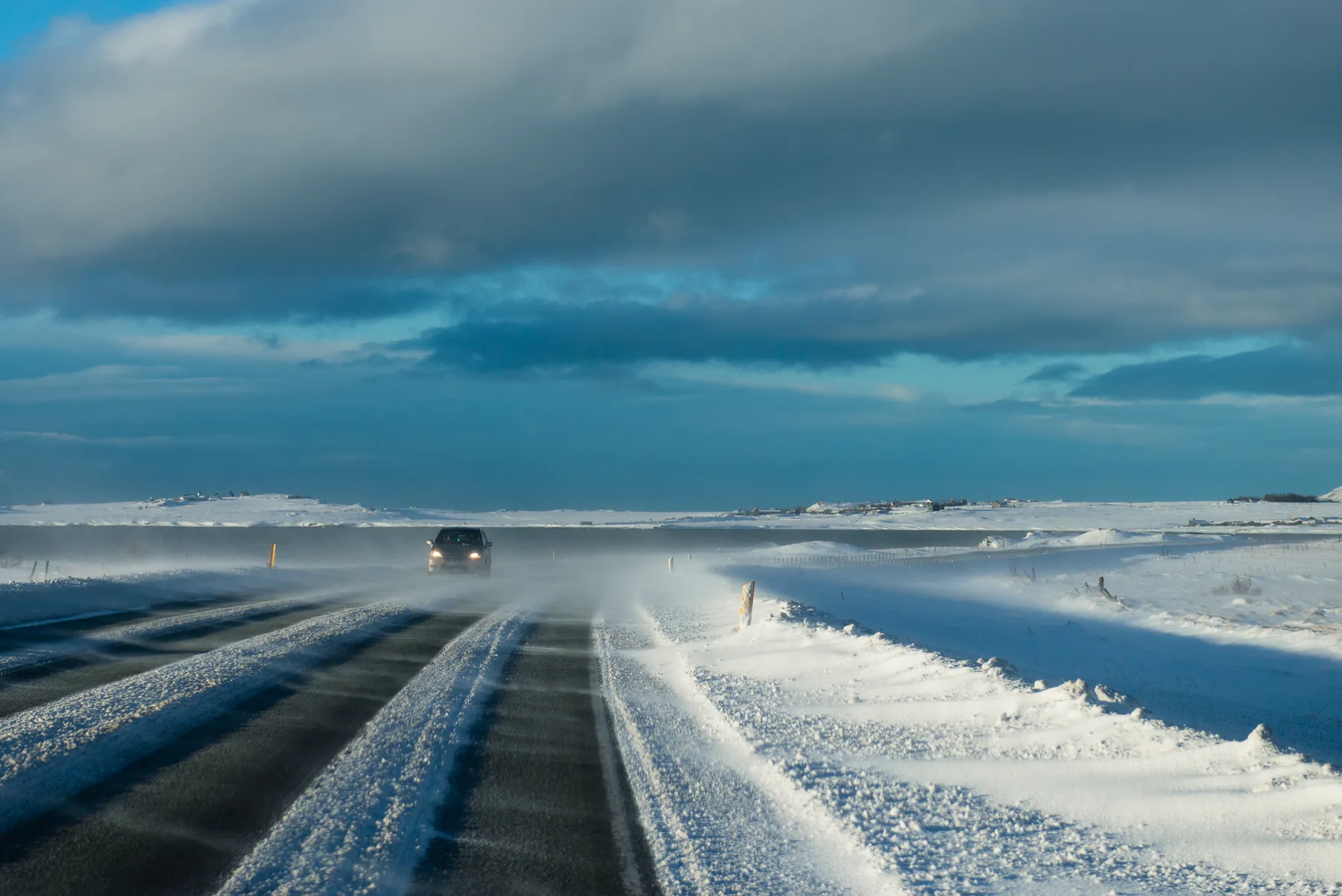
You can drive in December, but the hours shown by a route planner do not describe a usable day. The Icelandic Road and Coastal Administration road map and the Icelandic Met Office warnings answer questions about access and wind on the day; Vatnajökull National Park also notes that winter surfaces, trails and access can change with the weather. They support checking again before departure, not a promise that this route will be open in December.
For a first visit, make the South Coast the spine and use either the ice cave or the northern lights as the flexible anchor. Wanting both is fine; the risk is booking an ice-cave meeting in the morning, photographing Jökulsárlón, returning to Vík that night, and adding a late aurora chase. On paper it is complete. Once the car door closes, it becomes a day of watching the clock.
ICENAVI ITINERARY FIT · DECEMBER FIRST TRIP
Protect one flexible night, then choose the fixed activity
Scores consider short daylight, fixed meeting times, the South Coast spine, aurora flexibility and a day you can give up; roads, activities, room rates, cancellation terms and flights must be checked for your dates.
Recheck roads, wind and visibility daily; on 4–5 nights, keep the long drives on the South Coast route and do not treat either end night as a full sightseeing day.
The meeting point, equipment and safety decision set the previous night’s location; before paying, check the operator, time, cancellation and rescheduling terms.
Aurora needs darkness, gaps in the cloud and patience; treat it as a bonus so one chase does not push the next long drive into the night.
Reykjavík, the South Coast waterfalls, the black beach and one night in Vík can stand alone; rescheduling an ice cave does not remove a whole night of sleep.
Leave one afternoon free of a fixed activity: if roads, cancellations or tiredness intervene, you can eat near the base and turn in early.
Make the South Coast and the arrival and departure flights work first, then add either the ice cave or aurora so December retains real room to change.
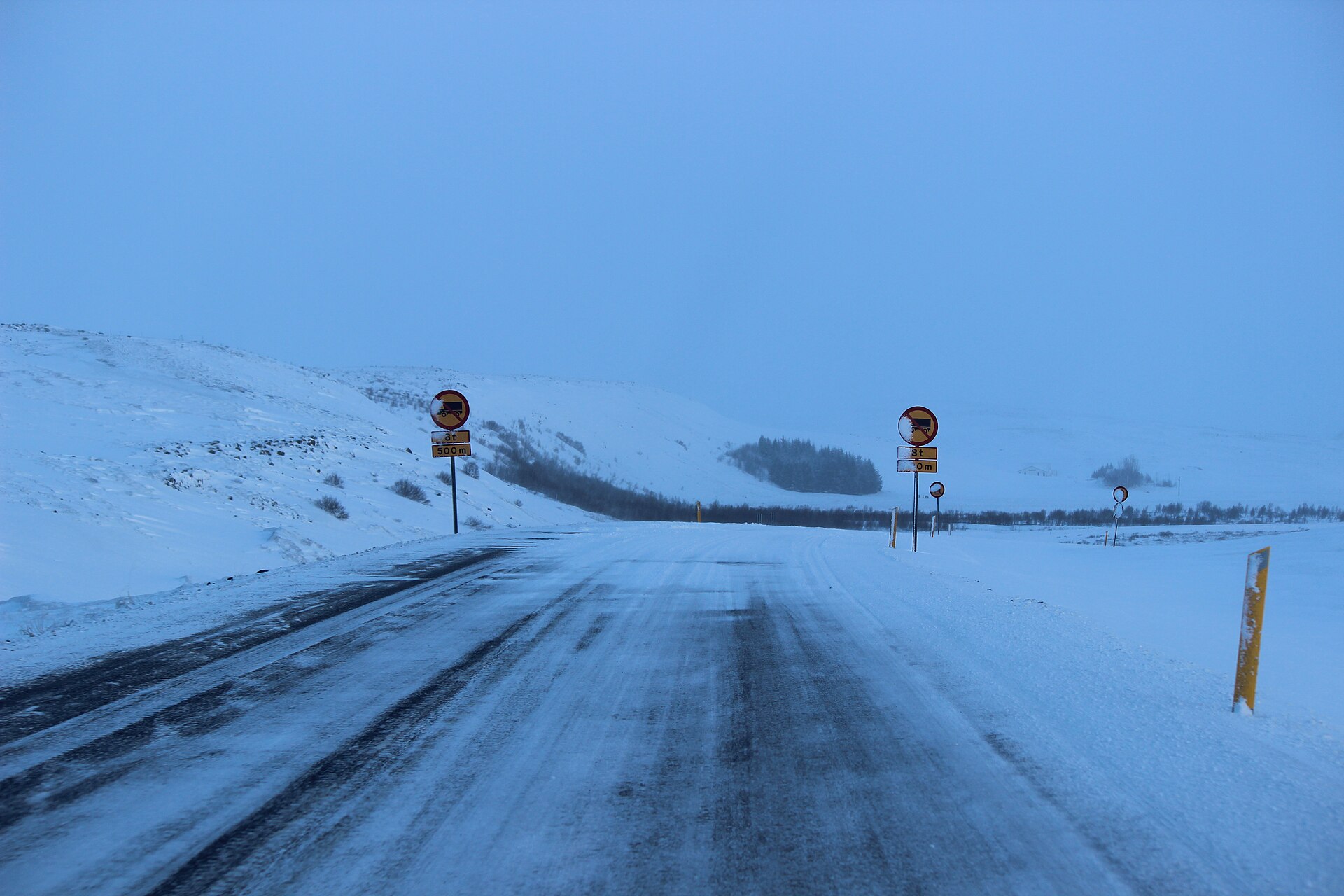
Fix three positions before you move anything else
The first is the flight. After a late arrival, calling the South Coast “day one” is tempting, but the rental-car pickup, supplies, daylight and your energy have not yet agreed. How to choose the first-night base separates KEF, the Blue Lagoon and the city because they are not the same place on a map. Give the first night somewhere to land; only then plan the South Coast.
The second is a fixed meeting time. Jökulsárlón is accessible year-round, but that does not mean every ice-cave activity, meeting point and road segment will operate on your dates. The ice-cave season page clarifies the travel window; once dates are chosen, use the meeting point, duration and cancellation terms for an ice-cave tour to work backwards from the previous night. That timing matters before a beautiful-looking hotel near the caves.
The third is the night before departure. A December itinerary is most vulnerable when the return journey is treated like an ordinary final road. If you have a car return or an early flight, where to stay on the last night lays out the KEF, Reykjavík and South Coast trade-off; sometimes this night is worth more than another waterfall because it buys a morning that needs no improvised plan.
For December lodging, look at the real distances first
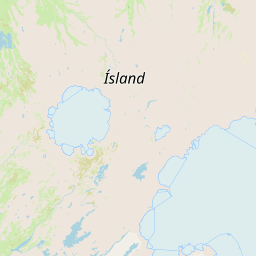
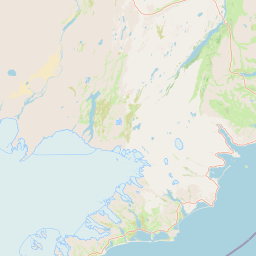
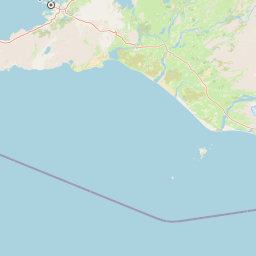
An ice-cave day, short daylight and the arrival and departure flights all affect where you sleep. Reykjavík handles arrival and city alternatives, Vík is a western South Coast base, and Jökulsárlón pushes both the south-eastern activity and the return distance higher; the map below compares roles, not navigation or same-day road access.
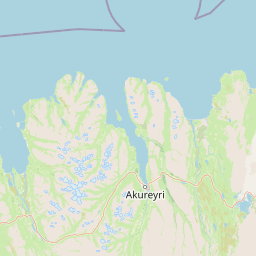
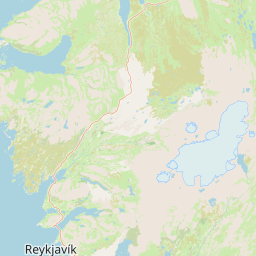
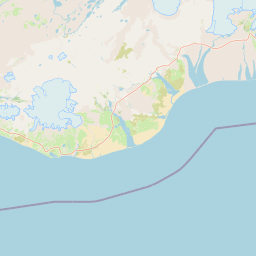
December driving time: route-planner hours are not a whole day
These are planning baselines. They exclude winter parking, snow clearing, refuelling, activity check-in and same-day road changes; use them to identify days that can hold only one long transfer.
| Route | Planner baseline | Time to allow | What delay takes first |
|---|---|---|---|
| KEF → Reykjavík | About 50 km / 45–60 minutes | 1.5–3 hours | First-night rest and a full departure the next day |
| Reykjavík → Vík | About 185 km / 2.5–3 hours | 5–7 hours | South Coast activities, dinner and the check-in boundary |
| Vík → Jökulsárlón | About 190 km / 2.5–3 hours | 5–7 hours | Ice-cave check-in and getting back to bed afterwards |
| Jökulsárlón → Reykjavík | About 380 km / 5–6 hours | 7–9 hours | Last night and early-flight buffer |
Until the ice cave, aurora plan or long-distance lodging is confirmed, choose refundable or changeable rooms in remote locations. Match the first and last nights to flights, car pickup or return and rest, then add non-refundable nights to the main route.
A day you can give up is the winter safety valve
| Nights available | Protect first | Do not promise yet | How to recover one clear day less |
|---|---|---|---|
| 3 nights | First night, Reykjavík, one nearby or spa outing, departure buffer | Jökulsárlón return drive and several lodging bases | Keep a city day; choose only one activity |
| 4–5 nights | One South Coast stretch, one night in Vík, nearby lodging before and after the fixed activity | Ice cave plus a long return drive plus an aurora chase on the same day | Drop one scenic stop without dismantling tonight’s room |
| 6 nights or more | Jökulsárlón direction and one complete buffer day | Treating the Ring Road as a must-do list | Delay the eastbound or westbound leg according to roads and weather |
“Buffer” can sound like a travel-insurance slogan, but the practical meaning is ordinary: one afternoon has no hotel you must reach, no reservation you cannot miss, and no distant restaurant you must chase. When road information turns poor, an activity runs late or someone is simply tired, that is the day that works. How to keep this space in a five-day winter trip puts lodging and fixed activities back on one line for travellers who already know their approximate length.
Ice caves and aurora work better apart
An ice cave is a daytime activity with a meeting point, equipment and a same-day safety decision; the aurora needs darkness and cloud gaps, and also involves night driving and the next day’s energy. Treating both as one winter package is how the distance between them gets underestimated. If the ice cave is fixed in the south-east, choose a room that lets you check in normally afterwards; if you want an aurora chase, ask whether you still need to drive the next morning.
If you do not want to manage roads, cloud and the return at night, an aurora tour or a self-drive chase makes the practical trade-off clearer than asking which feels freer. If you are deciding whether to place the aurora on arrival night, mid-trip or before departure, the date test for first night or last night calculates the room to try again. If you want the evening to remain a bonus, read what to check when staying in Vík in winter; parking, late arrival and the next day’s direction can matter more than a sea view when you need sleep.
You can still have a complete December trip without driving in winter, and it need not mean staying in town. Accept that returning to Reykjavík every day and sleeping along the South Coast are different products: a city base can pair with a Golden Circle day or a short tour; to include the South Coast, Jökulsárlón or an ice cave, first check whether an overnight tour exists, which night is included and whether luggage travels with you. The self-drive versus day-tour trade-off separates a common misconception: less driving does not automatically make every meeting time and return to the city generous.
Each morning, check three screens before the itinerary
The Icelandic Met Office handles forecasts and warnings; the Icelandic Road and Coastal Administration handles road conditions; SafeTravel adds safety and travel advice. They may not give the same answer, which is useful: weather, roads and your personal itinerary are separate questions. How to read the road website explains colours, warnings and your overnight stop together, so one green symbol does not become permission to hand over the entire day.
That is why a December route should not read like an exam answer. If conditions are good and you reach the hotel early, you have gained something; if they are poor but you can still eat at your base, the itinerary has done its most important job.
Before paying, ask one final question: would the trip still work with one sight missed?
If the answer is yes, it is time to confirm rooms and activities. Use the Iceland booking order to lock the nights that genuinely cannot move; if the South Coast base is still unclear, return to the Vík destination page and see which stretch of the next day it saves. When you book, compare Booking.com, Agoda and Trip.com against the same dates, room type, guests, breakfast and cancellation terms; do not let three price buttons choose the route for you.
If your dates overlap a Christmas market or New Year, treat the city-centre night as another fixed item: events have capacity, shops have their own hours, and New Year is not one official fireworks show with a standard dispersal time. How to book hotels around Iceland’s festivals and holidays breaks the dates back into dinner, getting home, transfers and the next morning’s direction. If you want to combine event dates, holiday opening hours and winter roads in a three-day rhythm, continue with a December itinerary for the Christmas season rather than treating “December atmosphere” as a substitute for checking the route.
Related reading
Put winter lodging and activities in the right places
- Iceland in five winter days: keep a route flexible when fixed rooms, an ice-cave meeting and poor weather arrive together.
- Where to stay on arrival night: a late flight, car pickup, the Blue Lagoon and the next day’s South Coast should not be reduced to “near the airport”.
More reading
Once dates are chosen, handle the next layer
- How to choose an ice-cave tour: the meeting point and cancellation policy work backwards to the previous night’s room.
- Aurora tour or self-drive: separate night-road responsibility, fatigue and the following transfer.
On a first December trip to Iceland, which decision comes first?
Can four to five nights include both an ice cave and the northern lights?
You can put both on the wish list, but lock in only one. An ice cave has a meeting time and road conditions; the aurora has no booking guarantee. Locking both makes one cancellation affect rooms and long drives.
Should a first-time visitor drive the whole trip?
If you are not used to short daylight, wind, snow and icy roads, Reykjavík with a South Coast day tour or a shorter self-drive section is easier to control. Self-drive is possible, but daily distance, parking, fuel and fatigue need to be counted.
Where should I stay the night before an ice-cave activity?
Start with the operator’s meeting point and check-in time. A room within a sensible radius of the meeting point is usually more reliable than an early drive from far away to see one extra attraction; keep a change or cancellation option.
References
These sources were checked in August 2026. December weather, roads, ice-cave operations and flights can change every day; this page helps with the order of decisions but does not replace same-day official notices or written confirmation from an operator.
- Vatnajökull National Park | Seasons: seasonal notes on winter access, trails and highland roads.
- Vatnajökull National Park | Jökulsárlón: year-round visits to the glacier lagoon and the context for ranger and ice-cave information.
- Icelandic Met Office: weather forecasts and warnings.
- Icelandic Road and Coastal Administration | Traffic info: road conditions and notices.
- Wiki.cullin/Wikimedia Commons | Winter Road 001: the winter road photograph used in the article, CC BY-SA 4.0.