
ICENAVI · FEBRUARY PRIORITY BOARD
The most common February mistake is treating every desired experience as the same kind of “click pay first” choice. An ice cave has a meeting time; the Northern Lights need darkness, workable cloud cover and safe conditions. Let the evidence set the booking order.
ICENAVI ITINERARY FIT · FEBRUARY BOOKING ORDER
Lock in the meeting time, leave room for the sky
Scores are based on fixed activities, night-time flexibility, winter roads, how recoverable the accommodation plan is, and return safety; recheck activity terms, road conditions and weather for your departure date.
The meeting time, walking distance and total activity length determine where you stay the night before; these are the hard conditions to confirm first in February.
An extra night is more useful than treating one night of aurora chasing as a guaranteed result; when the cloud stays closed, the base can still support the next day.
Handle the meeting time, flights, and vehicle collection and return first; leave cancellable space for the Northern Lights and extra stops so a change does not force a full rebooking.
February still brings short daylight and rapidly changing road conditions; deciding on a night drive only after lunch can consume the buffer.
Cancellable nights and a base for consecutive nights can absorb a rescheduled activity, closed cloud cover, or a travel companion who wants an early night.
The steadiest February approach protects the morning with a fixed timing while keeping another night available for the sky.
One can keep an appointment; the other needs patience
The usual season window for ice caves is November to May, but the cave, meeting point, actual access and whether the activity operates must still be confirmed with the provider. It has one clear consequence: once you choose a morning meeting, the previous night’s location, dinner, equipment and wake-up time all start to point in one direction.
The Northern Lights have no fixed meeting point. Darkness and a reasonably clear sky are prerequisites, and it is not wise to watch only the Kp index. Treat them as something you may try on several nights instead: some people wait near their accommodation until one, while others go to bed early. February has not failed simply because you stopped for the night.
ICENAVI · FEBRUARY BOOKING QUEUE
Ask first whether this booking locks the rest of your evenings.
| What you most want to protect | Lock this first | Do not lock this yet | What this protects |
|---|---|---|---|
| The ice cave or glacier activity is the theme | The provider-confirmed meeting point, walking distance, total duration and rescheduling terms | A remote, non-refundable hotel other than the night before the meeting | One night before and after remains recoverable if the activity day changes |
| You only want one or two extra nights for the Northern Lights | One accommodation base with sensible supplies and a safe return | A chain of stays that requires driving to a different area every night | You can stop safely when cloud cover or fatigue does not cooperate |
| The South Coast is a daytime theme | Arrival and departure flights, the first full day and the final night | Putting Jökulsárlón, the black-sand beach and night-time aurora chasing on the same day | The daytime route does not lose momentum to tonight’s sky |
| You are not driving | The meeting point, pick-up area and time to return to the city | Two long day tours on consecutive days | A cancellation or late return does not overwhelm the city base |
This beautiful aurora photo should not choose your room location
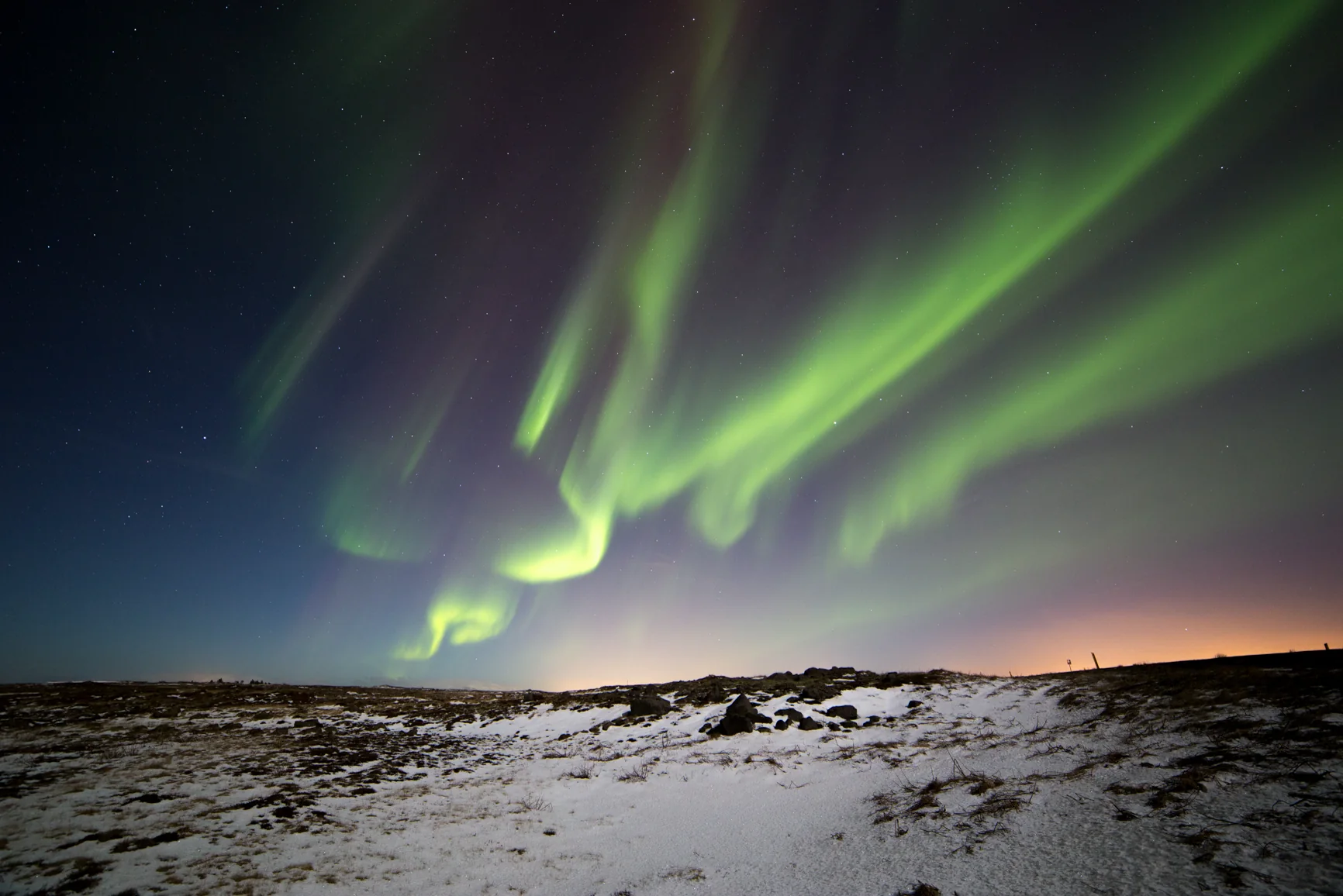
After seeing a photo like this, it is easy to want a room farther from everything. Ask two less romantic questions first: if you do not chase the lights tonight, will this room still put you on a sensible route tomorrow? If you turn back at 9pm, will your travel companions feel that the drive was wasted? If neither answer is clear, put the base back on the daytime route. The four gates on the Northern Lights season page separate cloud cover, darkness, activity and safety; use them to decide how long tonight deserves, rather than treating a room rate as permission to see the sky.
When the ice cave is the theme, the activity day needs an evening the aurora cannot steal
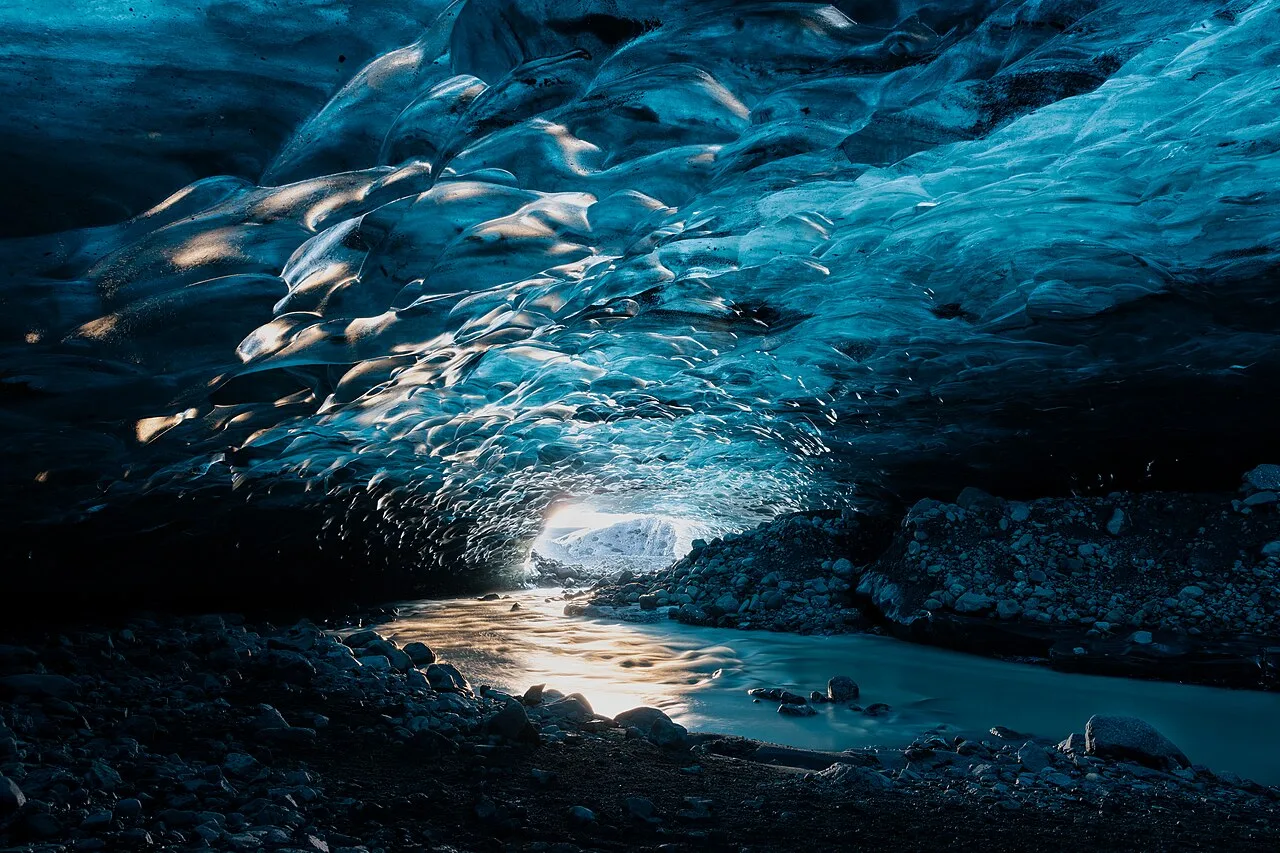
February has one easy-to-miss conflict: a morning ice-cave or glacier activity and “wait a little longer for the Northern Lights” the night before compete for the same sleep, equipment preparation and departure margin. Seeing the lights would of course be wonderful; making a remote aurora chase the night before non-negotiable lets an unguaranteed evening control the activity day.
You do not have to solve that by giving up on the Northern Lights. A more mature plan starts with the ice-cave tour’s meeting point, walking distance and cancellation terms, so you know which morning cannot run late, and leaves the aurora for a night without a fixed morning deadline. If the activity is already towards Jökulsárlón or Skaftafell, whether to stay overnight after Jökulsárlón or return to Vík answers how to end that activity night; “near the meeting point” does not mean driving east for the entire trip.
February works better when you keep two expectation accounts
January commonly pushes the second night too far away; February has a different trap: once the itinerary contains an activity booking, every evening starts being asked to serve the Northern Lights too. The situations look similar, but the pressure point is different. In January, prevent the accommodation from becoming a must-reach stop; in February, prevent one unpredictable night from quietly eating into a confirmed morning. If wind, snow or sea conditions suspend an activity, low-season activity cancellations and alternatives first separate an indoor Reykjavík day, a walk from the same base and a rescheduling window before you deal with a refund. Recalculate the stay with the low-season last-room decision: an unsettled city night can wait, but the night before a meeting should not depend on the final available room.
The method need not be complicated. Put anything that would force the whole route to start again if cancelled into the fixed account: the meeting, flights, final night, and the time needed to collect and return the car. Put anything that leaves the daytime theme intact when conditions are poor into the flexible account: the Northern Lights, an extra coastal stop, or a short look at the sky after dinner. When the weather changes, the time and transport cost already spent do not all sink together.
ICENAVI · PRE-PAYMENT STRESS TEST
If the Northern Lights, roads or activity changes, which night can return to its original role?
| Where the change happens | The arrangement that still works | Do not compensate by |
|---|---|---|
| The cloud stays closed at night | Eat and rest at the base, and leave the attempt for the next night | Driving for hours towards a tiny blank patch on a distant map |
| The provider changes or cancels the meeting | Keep the daytime theme in the same area and review the stays before and after it | Forcing every sight into the departure day to recover the ticket price |
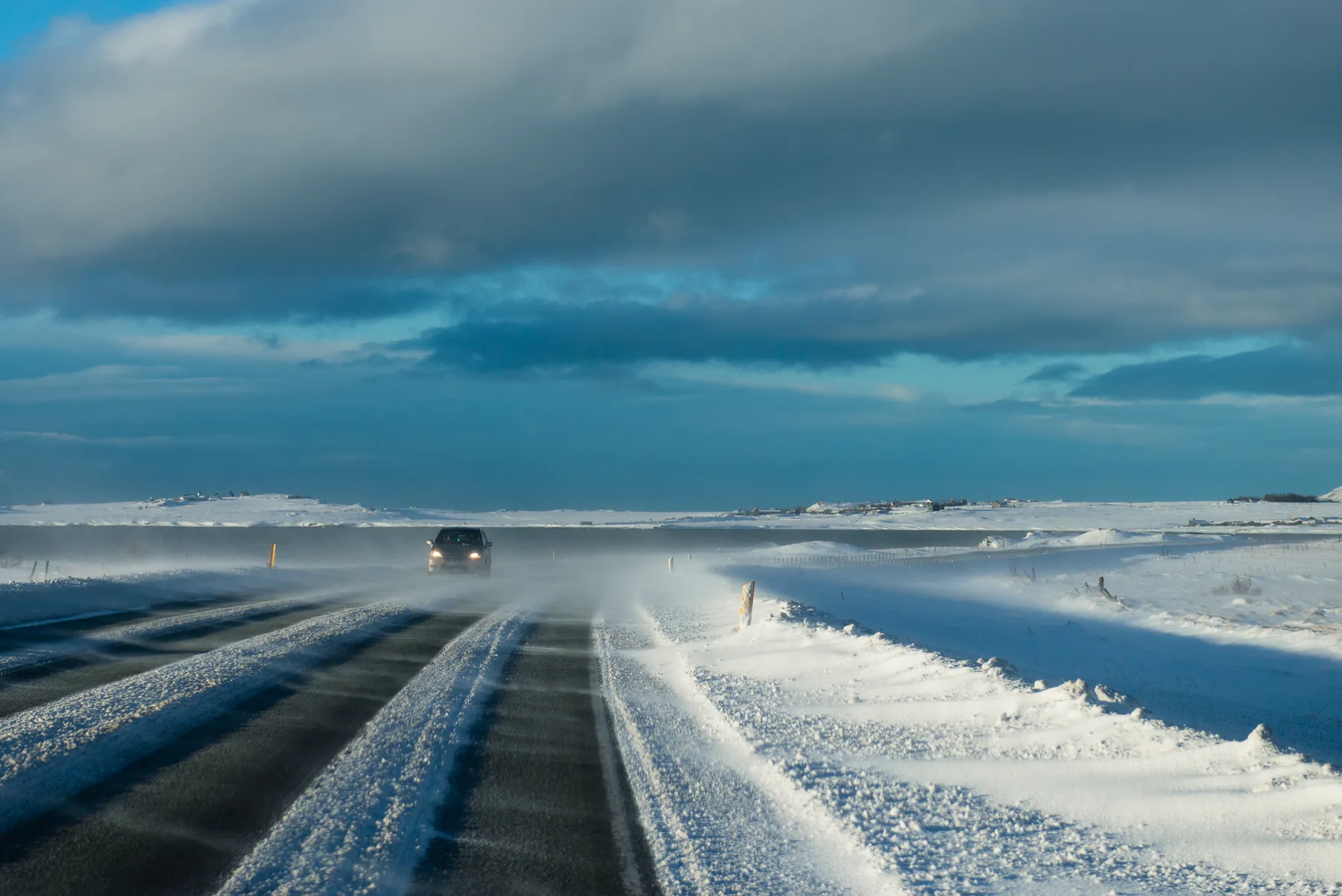
| Roads or warnings make the original route unsuitable | Stay at the booked base and let the hotel and cancellable plans absorb the change | Letting a 4WD, navigation system or prepaid room vote for safety |
| A travel companion does not want to go out again at night | Accept the Northern Lights as an extra, then start the next day at the original pace | Turning “we are all here” into a reason for fatigued driving |
Road updates are a reminder not to decide tonight’s plan a week before departure
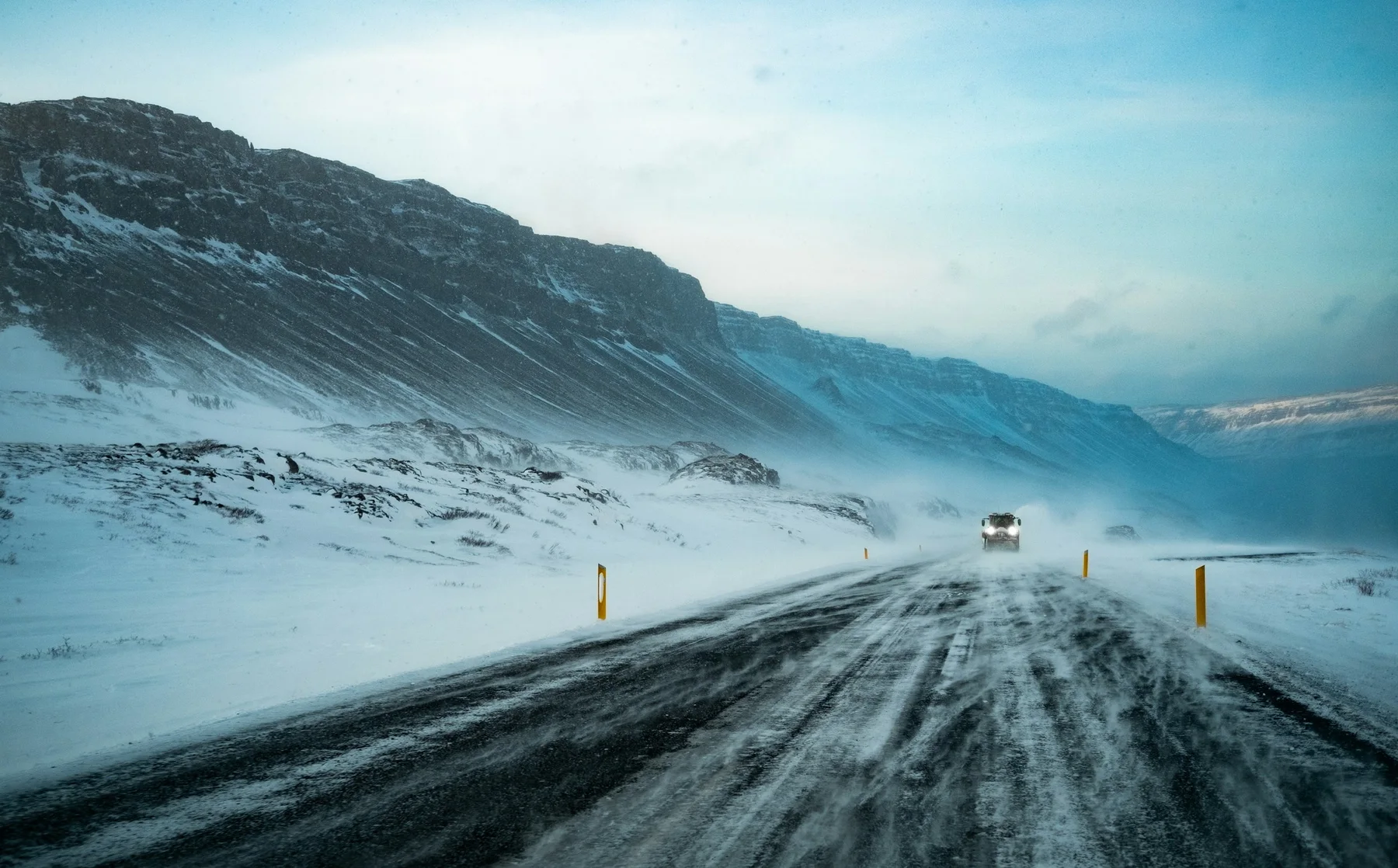
The road authority states that road conditions from October to April are generally updated daily between 07:00 and 22:00, and automated measurements may contain errors. This does not mean rebuilding the whole itinerary anxiously before every outing; it puts the decision in the right place: decide the daytime route in the morning, then decide after dinner whether a short trip outside is safe. How to read the official road-conditions site brings colours, sections, update times and accommodation choices into one process.
The same reasoning applies to choosing between driving and a tour. Keeping more flexibility at night does not mean you must drive farther yourself; Northern Lights tour or self-drive separates meeting times, returning to town, fatigue and the next day’s movement. With only four to five nights, the adjustable structure of a five-day winter trip tells you more clearly which night deserves money and which should stay open than a list of attractions labelled as a February itinerary.
Both versions of February can feel complete
Ice-cave-first version: choose the activity you genuinely want, let the previous night serve the meeting time, and place the Northern Lights only on a base night without a fixed morning deadline. This suits travellers who already know that a winter ice cave is the reason for the trip, while still protecting the South Coast if the activity changes.
Northern-Lights-opportunity version: choose a base where you can safely return for at least two nights, then use the daytime for the Golden Circle, the city, a hot spring or a South Coast stretch that is not overextended. When the cloud does not cooperate, the open evening still has value because the next day can begin as planned. You do not need to negotiate with the sky until dawn.
If neither version sounds like you, check the number of nights, whether you are driving and your flight times. Return to how many days to spend in Iceland on a first visit and count the evenings you can actually use; then every February booking has a clear place in the order.
Related reading
Match the fixed activity to the base before planning the next night.
- How to choose an ice-cave tour: confirm the meeting point, total duration and terms before deciding what the previous night needs to do.
- Iceland Northern Lights season: use cloud cover, darkness, activity and safety to decide tonight, rather than one index.
- What to look for in a winter stay in Vík: once the South Coast is set, a late arrival, parking and the next morning’s direction change the value of one night.
More reading
These choices carry February’s flexibility to the finish.
References
Roads, weather, ice caves and the Northern Lights do not stay fixed by the date of this article. These sources set factual boundaries for planning; use same-day official information and written confirmation from the provider before departure.
- Visit Iceland | Ice-Cave Exploration: the usual seasonal window for natural ice caves and the limits imposed by conditions.
- Visit Iceland | The Auroras: the aurora season, darkness and sky conditions, including the reminder not to rely only on the Kp index.
- Icelandic Road and Coastal Administration | Road-condition definitions: the usual October-to-April update period, data sources and limits of automated data.
- SafeTravel Iceland: safety reminders about Iceland’s rapidly changing roads and weather.
- _davidphan | Wikimedia Commons | Northern Lights (Iceland): a real Iceland night sky from March 2015, CC BY 2.0; used only to identify the night landscape, not to promise visibility or road conditions.
Q&A | Questions to settle before departure
Should I book the activity or hotel first in February?
Book the flights and fixed activity first, then keep accommodation cancellable where possible.
Can I change my route on the day in February?
Yes, provided road and weather conditions allow it.
What should I allow for when renting a car?
Build short daylight, the vehicle collection time and what snow driving requires into each day’s time budget.
References
Roads, activity times, ticketing and opening arrangements can change; before departure, check each item against the sources listed at the end of this article.