
OFF-SEASON ACTIVITY · RESILIENCE CHECK
Can the day still work if the activity is cancelled?
This score weighs seasonal availability, winter conditions, supplier flexibility, nearby alternatives, daylight and the way each decision affects accommodation and transport. A high score means the plan can absorb change; it does not guarantee that an activity will operate.
Iceland remains highly rewarding outside summer, but the plan needs room for closures, weather decisions, shorter daylight and the realities of moving between bases.
Some operators run a reduced winter calendar, while others suspend a product altogether. A listing from last year cannot confirm this year's operating dates.
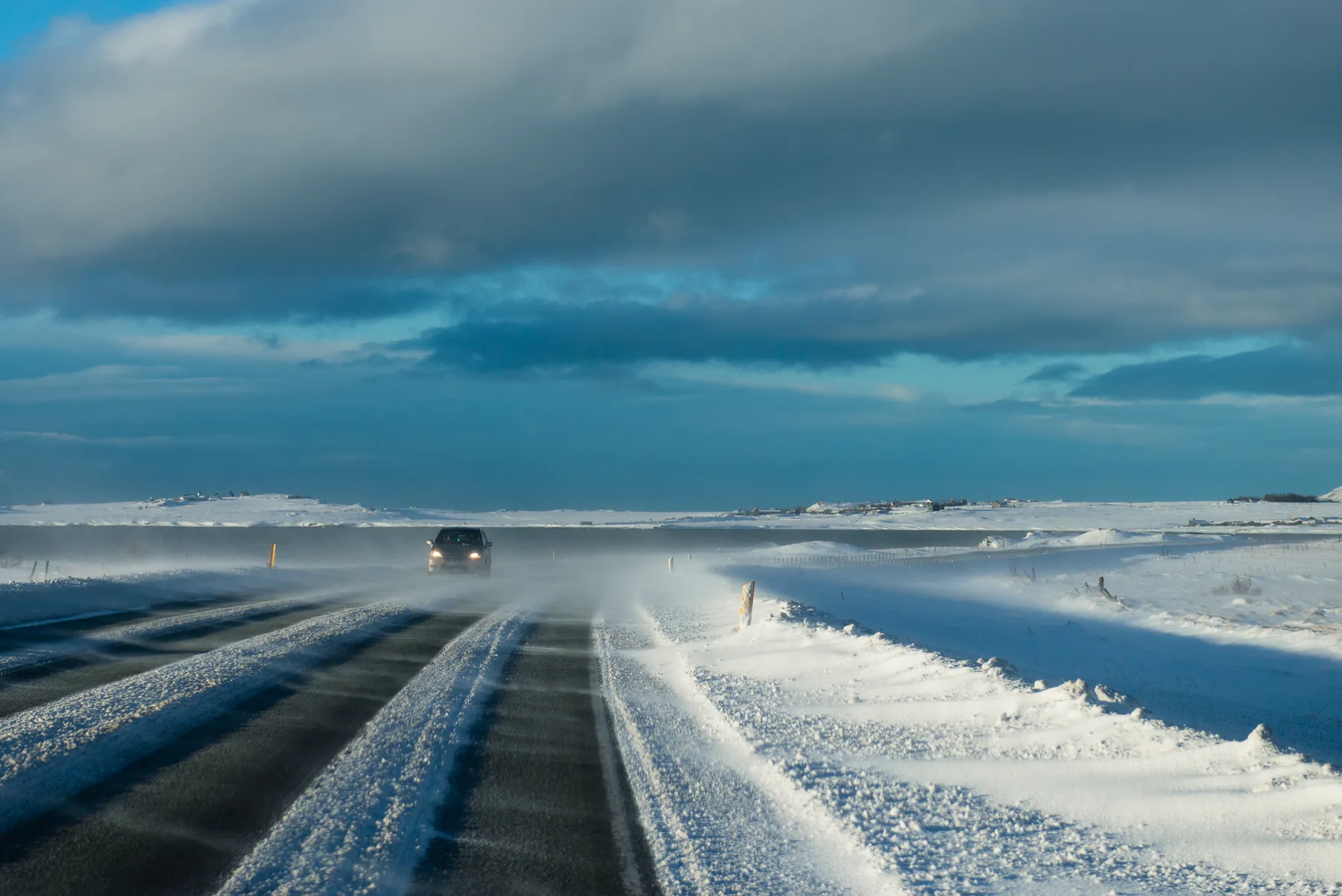
Wind, snow, sea conditions, roads and daylight can make an outing unsafe or impossible. The backup should not rely on the same road, boat route or exposure.
With fewer departures, missing one may mean waiting until tomorrow. A flexible booking does not mean tomorrow has space, especially when you are staying one night in a remote base.
Reykjavík can fill half a day with museums, public pools, festivals or a short walk. On the South Coast and in the north, confirm a nearby fallback before you commit to the remote activity.
A refund helps with the payment, but it cannot restore a missed connection or an empty day. Read the activity terms alongside your stay and itinerary.
Off-season anxiety often arrives late in the evening: four appealing ideas sit in the basket - snowmobiles, ice caves, the aurora and whale watching. In Iceland, a morning message may say that sea conditions have cancelled one of them while the backup attraction closes before dark. The refund can wait; the lost half-day cannot.
This is no reason to avoid October to April. Longer nights, a more flexible city rhythm, ice caves and the aurora can all shape a memorable trip. Each activity simply fails in a different way. For the wider seasonal picture, use the Iceland best-month conditions table. If you are already on the payment page, write down what you will do after a cancellation for every booking.
Separate four kinds of off-season cancellation
A product may be unavailable because the season has ended, unsafe because conditions changed, difficult to replace because departures are limited, or moved because a city venue changed. The right response depends on which of these has happened.
| Cancellation type | What happens | Fallback you can keep | Booking action |
|---|---|---|---|
| Seasonal closure | The product disappears from the calendar; this is not a last-minute cancellation | An indoor exhibition on the same theme, a geological cave or a historic landscape | Confirm operating dates first; last year's dates are not a guarantee for this year |
| Weather or sea-condition cancellation | The day's boat, vehicle trip or trail cannot operate safely | A city activity, hot spring or short walk at the same base | Choose a changeable product; do not follow it with an early flight or long transfer |
| Reduced schedule | The product still runs, but missing one departure means waiting until tomorrow | A free nature stop in the same area or a later meeting time | Check check-in, the cancellation deadline and the next night's accommodation first |
| City venue change | A performance, exhibition or pool event changes address or time | A museum, public pool or café within walking distance in the same city | Use Reykjavík's current-year calendar as the final version; do not copy an old guide |
If today is simply unsuitable, do not rush to buy another weather-dependent activity. Swapping whale watching for a helicopter, or a snowmobile for a Highland bus, repeats the same exposure under a different name. Read how to rebuild a day after an activity cancellation before spending again.
In winter, geography magnifies the risk
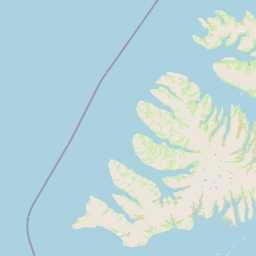
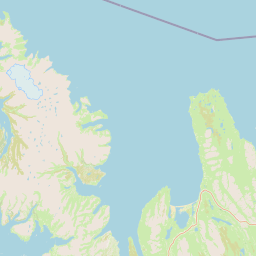
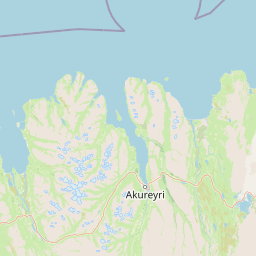
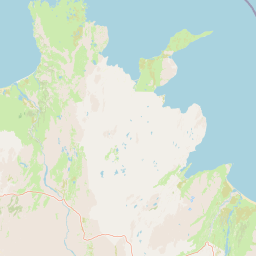
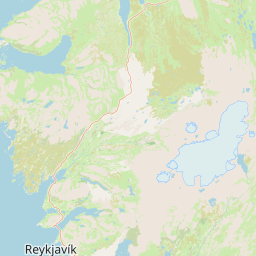
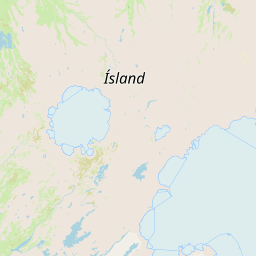
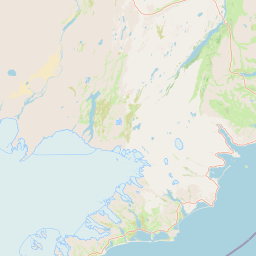
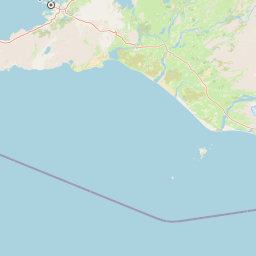
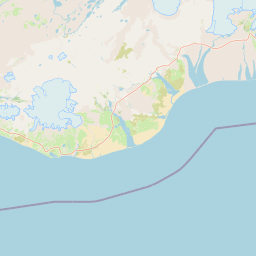
Daylight is short in the off-season, so distances on the map matter more than they do in summer. The KEF and Blue Lagoon direction suits fixed arrival or departure slots. Reykjavík can hold indoor plans for bad weather. South Coast activities around Vík and Jökulsárlón are tied to roads and accommodation bases. Húsavík sailings need to sit alongside a northern base on the same night. Understand the geography first: changing the date may mean changing a base, not just moving an hour.
Separate what still runs from what you assume will run
Ice caves, whale watching and hot springs can all fit a winter trip, but they do not share the same operating logic. An ice-cave excursion depends on the operator's route and conditions. A whale-watching departure depends on the sea. A lagoon booking depends on the venue's terms and available time slots. A city museum or festival may be the easiest replacement because it is less exposed to the same conditions.
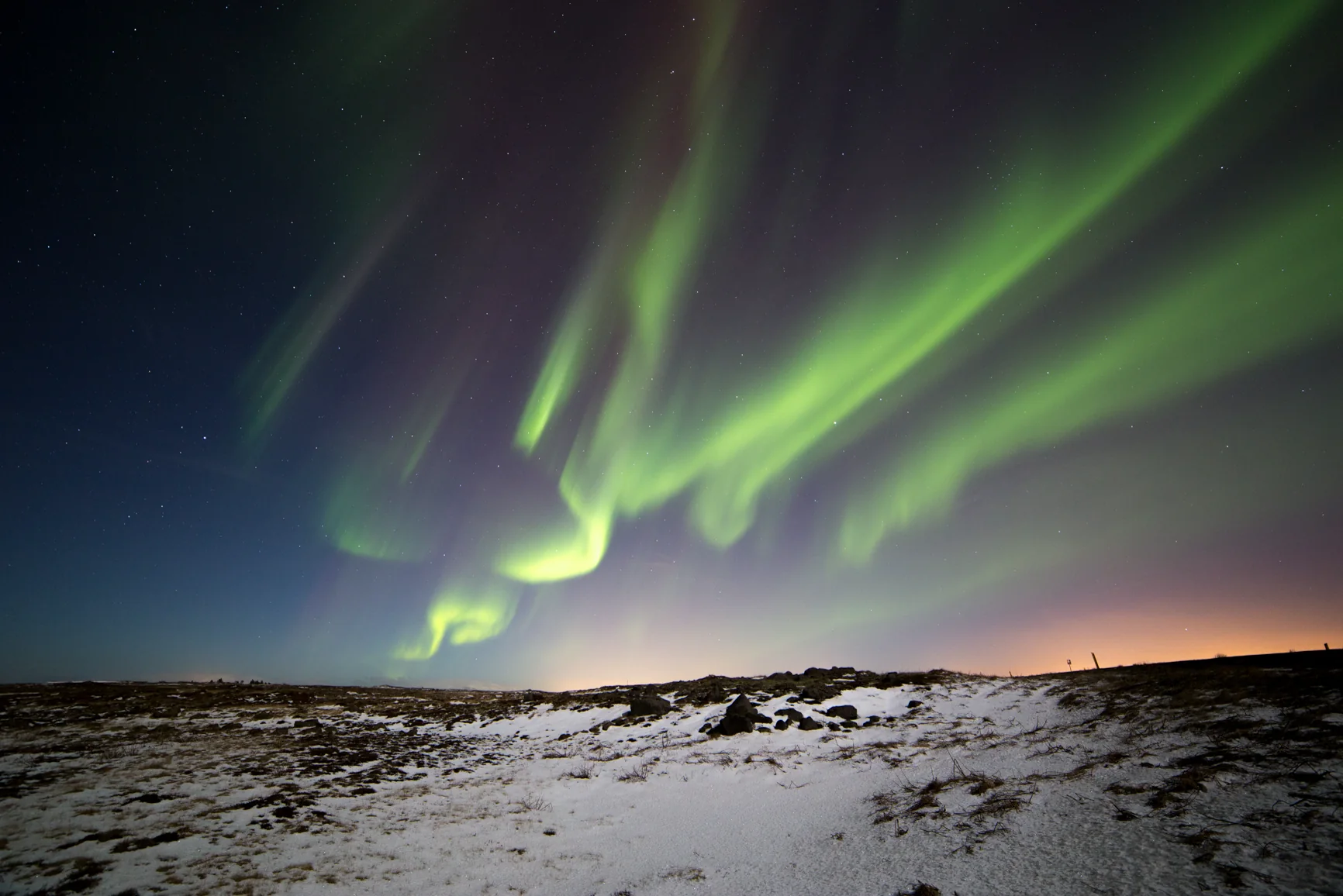
The aurora is easy to misread. It does not really "close", but it depends on cloud, darkness, solar activity, roads and human fatigue. Do not stake a one-night stay on a tour promising "you will see it tonight". If it is part of the trip, keep two or three nights available and plan city activities by day, so daylight still has content when the sky does not cooperate.
In Reykjavík, the Winter Lights Festival, Museum Night and Pool Night can give a February city stay more than one indoor option. Some programmes include more than 150 events. Check the Winter Lights Festival event page before deciding whether to keep a night in the city centre.
Supplier terms decide what tomorrow can look like
Into the Glacier's terms state that the operator may change the route or time, or cancel, because of weather or related conditions. Whale Safari likewise reserves the right to change or cancel a sailing in severe weather. These terms protect safety, not your wider schedule. Translate “move it to tomorrow” into a check of accommodation, car hire and the next meeting time.
Sky Lagoon's terms, for example, include a change or cancellation window of 10 hours, while Blue Lagoon's support guidance refers to changes up to 24 hours before a booking. Those windows do not remove the need to check your route. A remote booking moved to the next day may collide with a flight, a new base or another fixed departure.
| The flexibility you booked | What it cannot solve | A fallback to reserve |
|---|---|---|
| Refund or change up to 24 hours before | A storm, transport delay or travel fatigue after the deadline | Recheck roads, sea conditions and the next night before the deadline; do not wait until the meeting point |
| The supplier can cancel for safety | A room or transport plan that cannot move with it | A free half-day at the same base and a fallback exposed to a different risk |
| Fewer crowds in the off-season | Fewer departures, shorter daylight and earlier closing times | Schedule only one fixed remote activity; keep other periods near your base |
Score the plan before you pay
Give each dimension 0, 1 or 2 points. The point is not to predict the weather; it is to see whether one cancellation breaks the day, the night or the next connection. A score of 8 to 10 leaves useful room. A score of 4 or less means the booking needs a stronger backup or a different place in the itinerary.
| Dimension | 2 points: high resilience | 1 point: leave room | 0 points: cancellation breaks the plan |
|---|---|---|---|
| Base alternative | A walk, indoor option or free attraction is right there | Requires a short transfer | Only another remote activity will do |
| Availability for a new date | Several dates are available at the same base | Check tomorrow's availability | The activity is seasonally closed |
| Transport links | No change to accommodation or driving | Affects only half a day | Overturns the first or last night or a flight |
| Daylight left | A full day remains after cancellation | Only a short afternoon remains | It is already close to dark |
| Risk overlap | The fallback carries a different risk | Some conditions are the same | The next activity also depends on the same sea conditions or road |
Use the score at the booking stage, then check it again when the forecast changes. A remote South Coast activity may score well if you have daylight and a nearby walk, but poorly if it sits before a Reykjavík flight. A city plan can score better because museums, pools and cafés remain close to the same base.
For fixed order and short-day constraints, see the February booking order for ice caves and the aurora and the first leg in short daylight. These pages address different month-specific timing decisions.
Eight questions before you pay
- Is this activity operating on my exact date, or am I relying on a summer or previous-year calendar?
- Have I saved the actual operator, meeting address, final check-in time and cancellation deadline?
- If it is cancelled today, do my accommodation and next-day direction still work?
- Does changing the date mean the next departure, the next day or another city?
- Does the fallback face a different risk from the original, rather than buying the same weather risk again?
- Can daylight, roads and my group's energy absorb a last-minute change?
- Does the city calendar show this year's dates, venues and free options?
- If the only answer left is "buy another ticket", should I stay at the base first?
OFF-SEASON ACTIVITY · LAST CHECK
A cancelled activity is manageable when tomorrow still works
Keep one dependable plan at the same base, one activity exposed to a different risk and enough space around any remote booking. Confirm the terms and the current operating information before departure, then let the forecast decide what moves.
Related reading
The next decision: which activities can carry winter conditions
Iceland activity cancellation: how to save the whole day after a noticeIceland activity booking order: fixed times and weather windowsReykjavík City Card: how to plan a rainy city dayMore reading
Reconnect the winter plan with month, base and route
Iceland in February: book the ice cave first or leave room for the aurora?Iceland in November: how to protect the first leg in short daylightIceland ice-cave season and winter planningReykjavík destination guide: indoor options and city pacingReferences
References
Off-season activities, roads, sea conditions, daylight, festivals, opening dates, availability and cancellation terms change. The pages below were checked on 5 September 2026; before departure, use your activity voucher, official same-day information and that year's event calendar.
- Visit Reykjavík · Winter in Reykjavík - seasonal city ideas and winter conditions.
- Visit Reykjavík · Winter Lights Festival - festival, Museum Night and Pool Night information.
- Into the Glacier · Terms & Conditions - operating and cancellation terms, checked for 2026 planning.
- Whale Safari · Terms & Conditions - sailing changes and cancellation terms.
- Sky Lagoon · Terms & Conditions - booking changes, cancellations and the 10-hour window.
- Blue Lagoon Support · Change or cancel a booking - booking changes up to 24 hours before the visit.
- SafeTravel Iceland - official travel and road-safety information.
- © OpenStreetMap contributors - map attribution.
- Hero image: _davidphan · Wikimedia Commons - CC BY 2.0, published in March 2015.
_(16530573929).jpg)
Editorial basis: L1 off-season activity resilience assessment, prepared for Iceland activity planning. Recheck supplier terms, exact dates, opening status and road conditions before acting on any booking.
Q&A · Questions to answer before departure
If an off-season activity is cancelled, can I book another outdoor activity?
Only after checking the new activity's operating conditions, road or sea exposure, meeting time and effect on the next booking. If the risks are the same, a nearby indoor, hot-spring, museum or free city option is usually the safer replacement.
Should I avoid booking everything in the off-season?
No. Reduce irreplaceable items with no way forward after a cancellation, and choose activities you can change or complete in the city so every payment has a clear purpose.