
ICENAVI · REYKJAVÍK CITY CARD
Rain makes a pass feel reassuring because you can duck into the next venue without paying at every door. The useful calculation is less glamorous: how many entries, bus rides, pool time and meal breaks can fit before the card expires? A rainy city day still needs somewhere to sit.
Use the City Card when several entries share one continuous city day
Visit Reykjavík currently offers 24-, 48- and 72-hour cards covering 17 museums or attractions, 8 public pools, Strætó city buses and the ferry to Viðey. The clock starts at activation and KEF airport buses are excluded. The pass has a stronger case when you will enter at least two paid venues in the same validity period, then use a pool or bus to connect the day. With one museum or a slow walking plan, individual tickets are simpler. Families should calculate each person’s age, interests and available rainy-day hours; “17 venues” is not the same as an entry plan.
ICENAVI · RAINY-DAY CITY CARD CHECK
Will the card earn its place in this rainy-day plan?
These scores describe how the City Card works in a real city day, not an official rating. Recheck prices, opening hours, children’s rules, transport and included venues for your activation date.
Two or more paid venues in one continuous validity period, with a pool or bus, creates enough use; a saved list is not an entry.
The pass earns its keep when you are happy to plan indoor venues and a pool in bad weather; sheltering for one hour may not justify activating 24 hours.
Closed days, the first available entry and the continuous activation clock decide whether you can use it fully; the card still runs while you are away during 48 or 72 hours.
City buses connect more distant venues, but KEF, the South Coast and the Golden Circle are outside the pass’s transport coverage; reorder venues around realistic wet-weather walking times.
Children may have different entry rules; if adults only want a walk or a swim, buying individual tickets can cause less friction than buying a pass for everyone.
It fits when the city is the focus and you have two or three definite indoor stops for bad weather; if you want to keep the day open for walking, the pass’s time pressure can cancel out the savings.
Reykjavík City Card on a wet day: value comes from the shape of the city, not a tally
The official City Card information is clear. The harder part is fitting it to your own plans. A 24-hour card suits one full rainy day: a museum in the morning, another venue or a pool in the afternoon, with time for an unhurried walk before dinner. With 48 or 72 hours, ask whether you will genuinely stay in Reykjavík throughout. A South Coast day tour, a Blue Lagoon booking or moving your luggage in the middle of the period means the card keeps running while you are out of the city.
| Duration | City-day rhythm it suits | What you need to do for a chance of value | When people easily buy the wrong one |
|---|---|---|---|
| 24 hours | One full rainy day or a short stay | Two or more entries, or a museum plus a pool or buses | Activating it for a single museum |
| 48 hours | Two consecutive days based in the city, with no full-day tour inserted | Spread museums and pools across different areas | You will actually be out of town or leaving early for a tour on day two |
| 72 hours | The city is the focus of the trip and you are happy to slow down | Have a real plan for several venues, pools, buses and the Viðey ferry | Treating “might visit” as “definitely will visit” |
Prices in ISK for the 24-, 48- and 72-hour versions change; use the Visit Reykjavík page on the day you pay. Do not work out the savings from one figure on last year’s travel website, especially when anyone in your party is under 18: an adult card may give children free entry to several museums, while children’s bus and pool rules can differ.
Leave breathing room in a rainy-day route
A comfortable 24-hour plan might start at a museum near the city centre, use a bus to reach another venue, return to a city pool after lunch and finish with a walk back to the hotel. The point is not to visit the most places; each leg needs somewhere to sit. Put three venues at opposite ends of the city and add a timed exhibition, and heavy rain can turn the pass from a saving into a reason to chase buses.
Visit Reykjavík explains activation, collection and city buses separately; the card does not include bus 55 or other KEF airport transfers. If you still need to handle luggage and airport transport on arrival day, do not start the clock at the terminal when you collect the card unless you already know you will enter your first venue that day. If you want your city day at the beginning or end of the trip, read transport from KEF to Reykjavík on your first day first, so an airport transfer is not mistaken for part of the City Card’s value.
It covers city transport, not every journey
The City Card includes Strætó public buses in the capital area, which is useful if you are staying outside the centre and want to reach Kjarvalsstaðir, Árbær or other participating venues. It will not take you to the South Coast, the Golden Circle or KEF. If buying the card makes you keep the whole day in town, ask whether you actually want museums or simply a rainy-day fallback that requires no research. A day ticket, a café or an afternoon at the hotel may be all you need; a 24-hour pass is not automatic.
For first-time visitors, the museums, pools and Viðey ferry listed on the page make a useful menu, but a menu is not an itinerary. Use the Reykjavík destination hub to group places by walking area, then treat the City Card as a way to pay. If you are deciding whether one large indoor nature venue can fill an afternoon, the Perlan half-day decision guide separates the exhibitions, planetarium, viewing platform and hill transport rather than assuming the City Card includes it. For a straightforward rainy-day indoor plan, Reykjavík half-day and one-day sights helps remove stops that conflict with one another.
Three City Card costs people often miss
The first is when you activate it. If the morning is for a slow hotel breakfast, there is no need to open the card as soon as you wake up. Starting with your first genuine entry is more sensible than heading out early just to “use all 24 hours”. The second is the gap between venues: a raincoat, coffee and a sit-down lunch are not wasted card time; they are what leave you ready to look at the next museum.
The third is the different pace of children and adults. An adult card’s benefits do not mean every child should automatically have one. Check each person’s age and each venue’s rules; one person may want a pool while another only wants to watch boats in the harbour, and paying separately may lead to fewer arguments. That trade-off does not appear in a headline promising “17 attractions”, but it directly affects whether the card feels worthwhile at the end of the day.
Set two must-see stops for the day, then leave one more as an “enter if we pass it” option. The City Card’s real trap is not missing one venue; it is rushing from one street to another through wind and rain to reach a third, then losing the energy to finish the exhibition you originally wanted to see.
If you plan to take the ferry to Viðey, put the time on the water and the return sailing in your schedule together; it is not a city stop you can add whenever you feel like it.
REYKJAVÍK · CITY CARD PLAN
The best value is not having to reshape the city day you wanted.
If you already plan to visit two or three venues, swim once in a public pool and take several buses, the City Card simply organises admission and travel. If you are starting from zero and chasing a target number of visits, individual tickets usually make it easier to keep the day enjoyable.
Eight checks before you activate
- How many included venues will you genuinely enter today, rather than simply save?
- Do you have a full, continuous block of city time within 24, 48 or 72 hours?
- Have you checked each museum’s opening hours and closed days for your date?
- Is the collection point near your first city stop?
- Do you need a physical card to take the bus or enter a venue?
- Is anyone travelling with you under 18 and already eligible for free entry or a different fare?
- Have you mistakenly counted KEF airport transport as part of the card?
- If the rain suddenly stops, would you rather walk, visit the harbour or go to a park instead of chasing venues?
If three of the eight answers are “not decided”, wait before activating. Treat the card as a rainy-day drawer you can open when you are about to enter the first venue; the official guidance also says that you choose when to activate it. That matters more than any value formula when it comes to avoiding waste.
Related reading
Where should the City Card go in your itinerary?
Reykjavík destination hub: group museums, pools and the harbour by area; Four days based in Reykjavík: see how city days fit around day tours and hot springs.
More to read
A rainy day does not come down to one card
Reykjavík half-day / one-day sights · How to adjust an Iceland itinerary in the rain · Transport on your first day from KEF
Q&A | Questions to settle before you go
Will the Reykjavík City Card definitely pay off?
Not necessarily. If you already plan to enter two or three included venues, use a pool and take city buses, the pass is more likely to work out; if you are only chasing a number of visits, individual payment may suit you better.
Does the City Card include transport from Keflavík Airport?
No. It mainly covers venues, pools, Strætó buses and the specified ferry in the capital area; you need to arrange travel between KEF and Reykjavík separately.
When is the most sensible time to activate the City Card?
Activate it just before the first activity where you genuinely need entry. If the morning is only for breakfast at the hotel or a walk, activating early simply uses up valid hours.
References
The following sources were checked in September 2026. Prices, opening hours, collection points and included venues can change; use the official City Card page before paying.
- Visit Reykjavík: Reykjavík City Card (24, 48 and 72 hours; 17 museums; 8 pools; city buses; the Viðey ferry; children and airport-transport coverage).
- Visit Reykjavík: How it works (buying, collecting, activating and using the card).
- Visit Reykjavík: Getting around (Strætó city transport and payment methods).
- Visit Reykjavík: museums and culture guide (venue locations and the city’s cultural background).
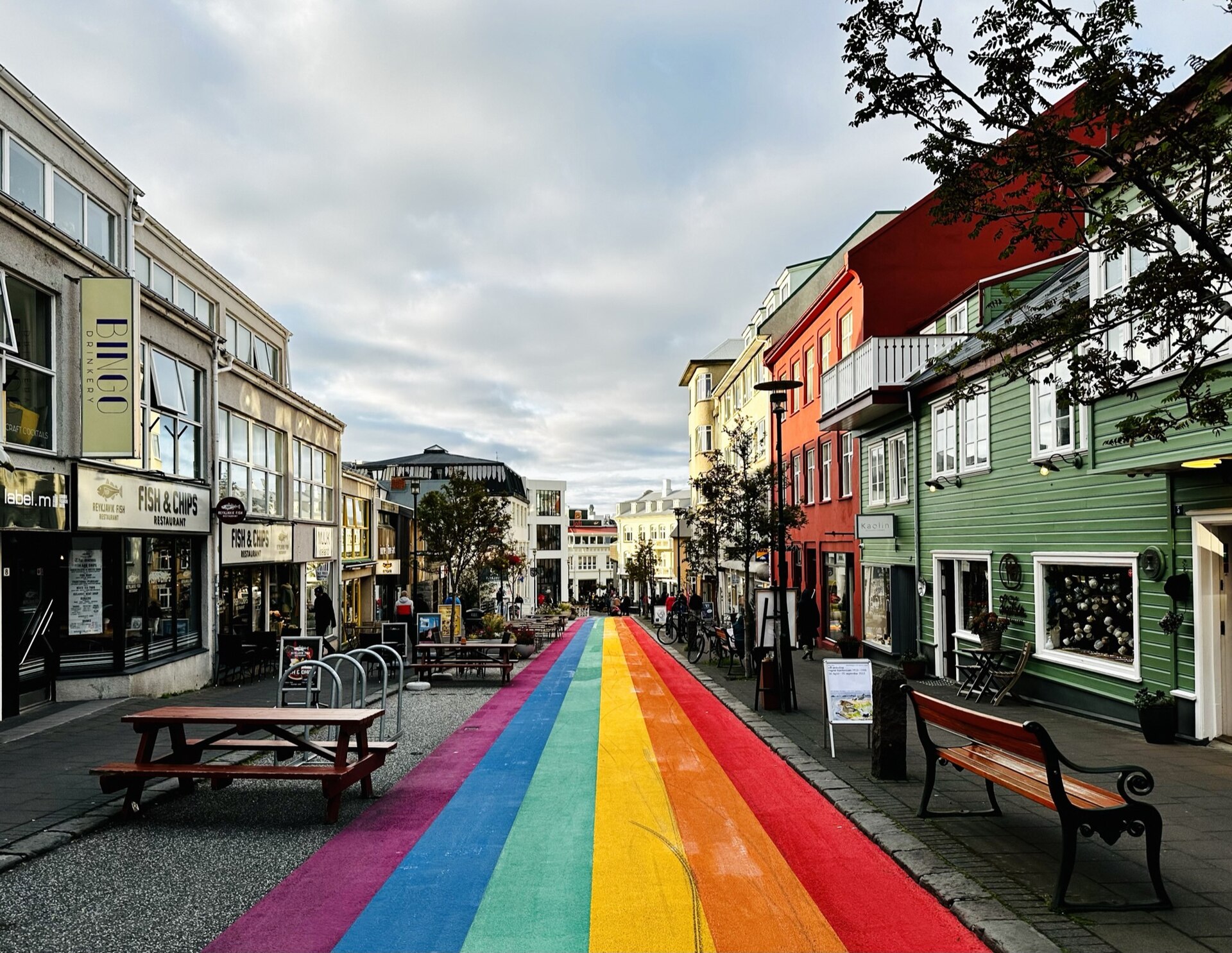
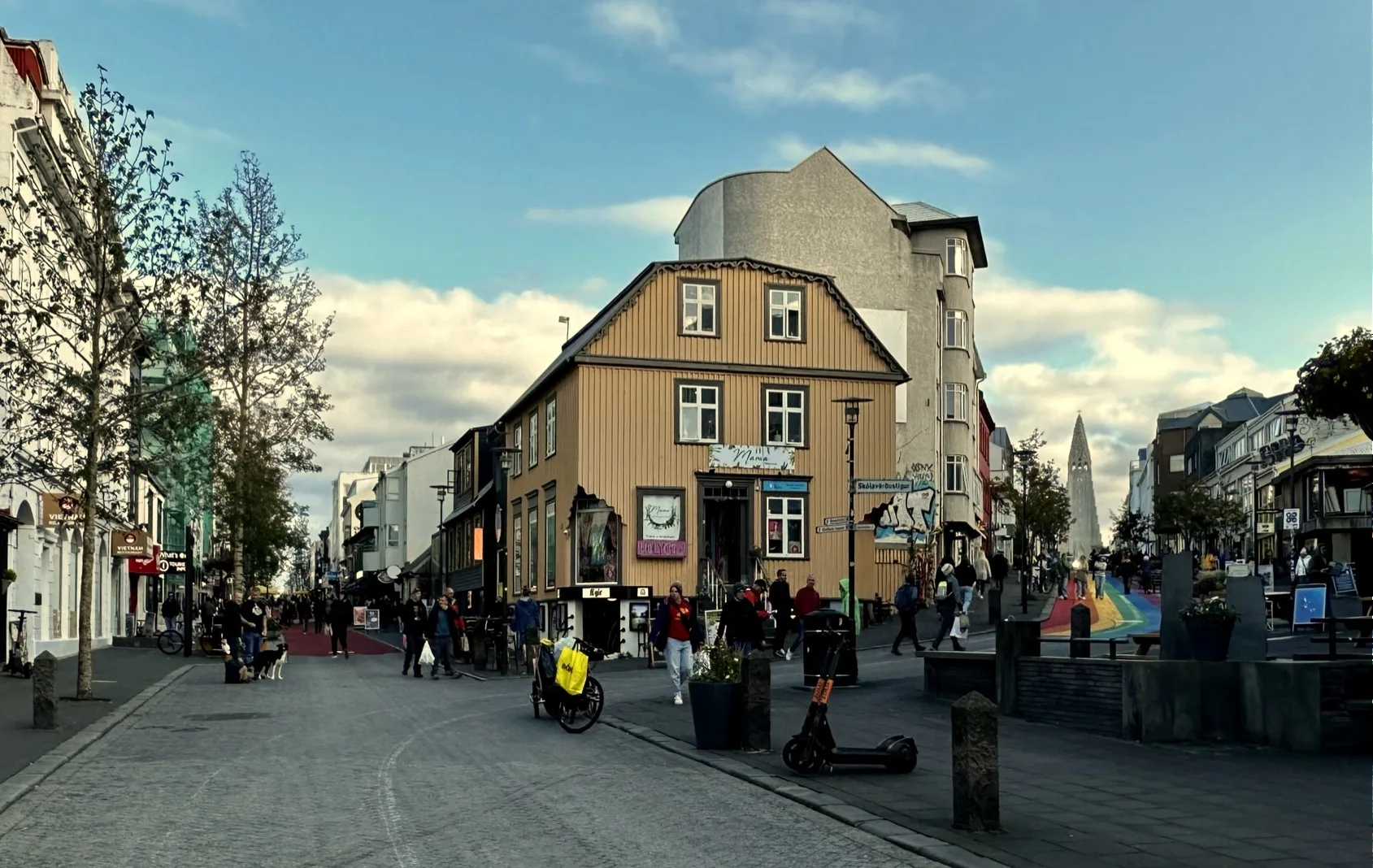
- Hero image: Wikimedia Commons; the image shows the city-centre walking environment and does not represent museum opening hours, weather or City Card inclusions.
