
ICENAVI DECISION FILE · WINTER SOUTH COAST
The main South Coast route is appealing year-round, and official tourism information notes that the main roads around Route 1 are usually maintained through winter. Yet “the route is open” and “you can complete every attraction today” are different claims. In December, the South Coast averages about five hours of daylight; in March, about twelve. That difference changes which stretch of driving you can leave until afternoon, not just the light in your photographs.
This order is not a ranking. Skógafoss offers a concentrated payoff: the tall waterfall is visible close to the parking area. Seljalandsfoss is about approaching on foot and feeling the spray, so an icy winter surface can make the walk the main cost. Black Beach is the view that most tempts people to move closer, but it also carries official warnings about sudden sneaker waves and rockfall. The three stops look close on a map; what differs is how each one depends on the weather.
If you are travelling east from Reykjavík, place the furthest acceptable stop in the part of the day when daylight is more dependable, then cut back according to the return journey and check-in time. If you are staying in Vík, reverse the logic: use an earlier safe window for Black Beach, then decide whether the two waterfalls still have enough light and energy on the way back. Paying for a hotel or rental car does not turn “three stops today” into an unchangeable promise.
Check the order on the map before deciding what deserves a stop
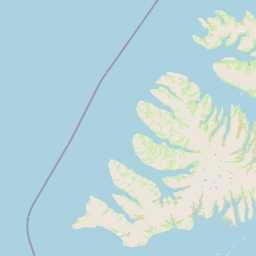
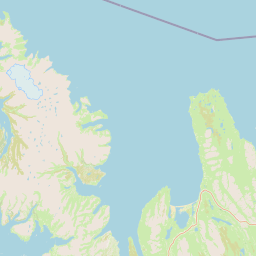
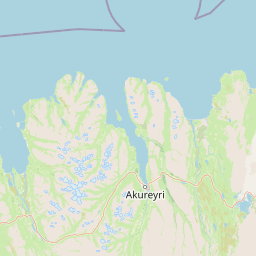
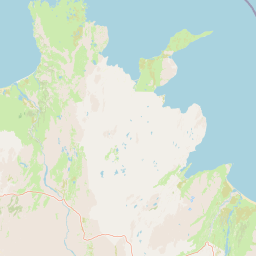
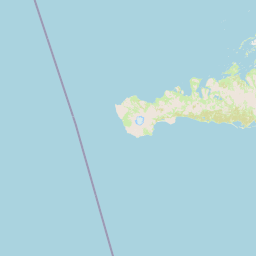
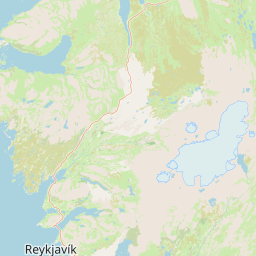
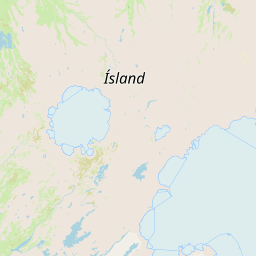
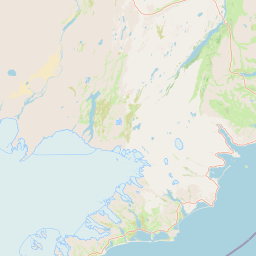
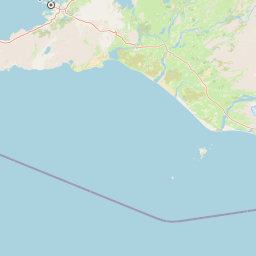
Official South Coast route information presents Seljalandsfoss, Skógafoss and Reynisfjara Black Beach as signature sights on the same major tourist route. They can be linked on an eastbound drive, but being on the way does not mean they carry the same stopping cost. The map below uses real OpenStreetMap tiles and marks only the relative positions and west-to-east working order. It is not navigation and does not guarantee same-day access.
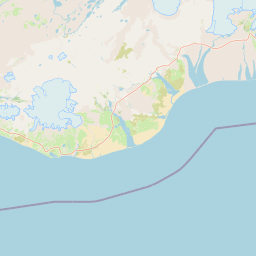
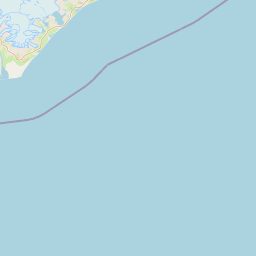
Three stops are not three promises: choose what you most need to protect
| Your situation today | Keep first | Second choice | Why to cut first |
|---|---|---|---|
| Leaving Reykjavík, roads normal at dawn | Skógafoss | Seljalandsfoss | Save Black Beach for a verified coastal-safety window; do not make it an automatic stop at the outset |
| Wind is increasing, but you still need to check in at Vík | Skógafoss | Choose Seljalandsfoss or only the Black Beach viewing area according to the warnings | “Only walking a little closer” does not cancel the sudden-wave risk at Black Beach |
| Travelling as a family in bulky clothing, with limited walking stamina | Skógafoss | Keep Seljalandsfoss only if the path is open and ice-free | Do not make a slippery approach the hardest part of the day just to reach behind the waterfall |
| Staying in Vík, with Black Beach safety checked in the morning | Reynisfjara Black Beach | Skógafoss | Before leaving the western waterfalls for afternoon, confirm that return light, wind and check-in time still work |
| On a South Coast day tour, with stops set by the supplier | The main stops listed in the confirmation | Adjust to the group's stop time and same-day safety guidance | Do not promise yourself an extra stop; the product's return time is firmer than the attraction count |
ICENAVI · SOUTH COAST WINTER FIT
These are editorial decision scores, not official rankings. They put different risks on one page, and still need to be checked against same-day information before every departure.
Skógafoss: the best winter fallback stop
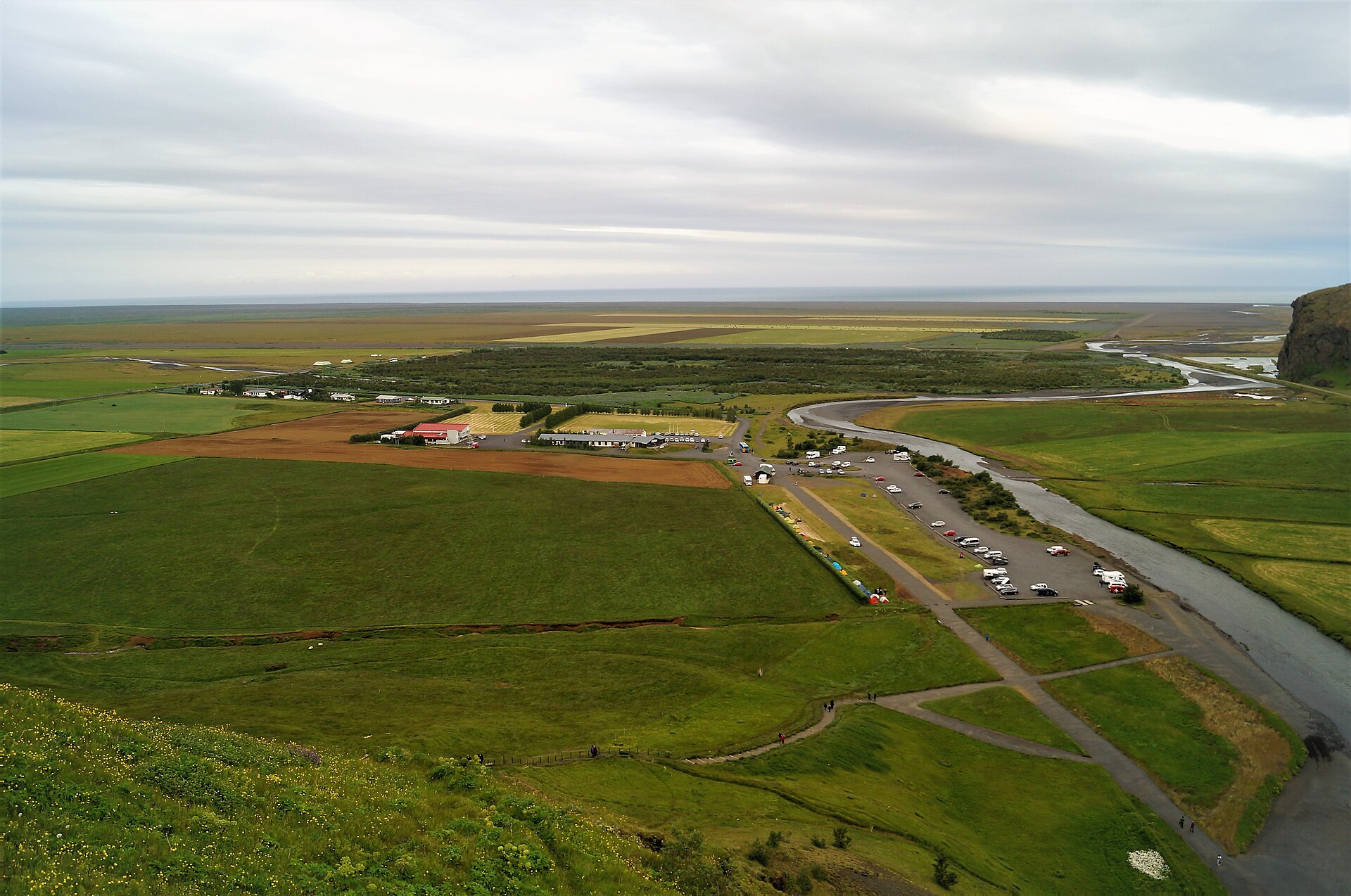
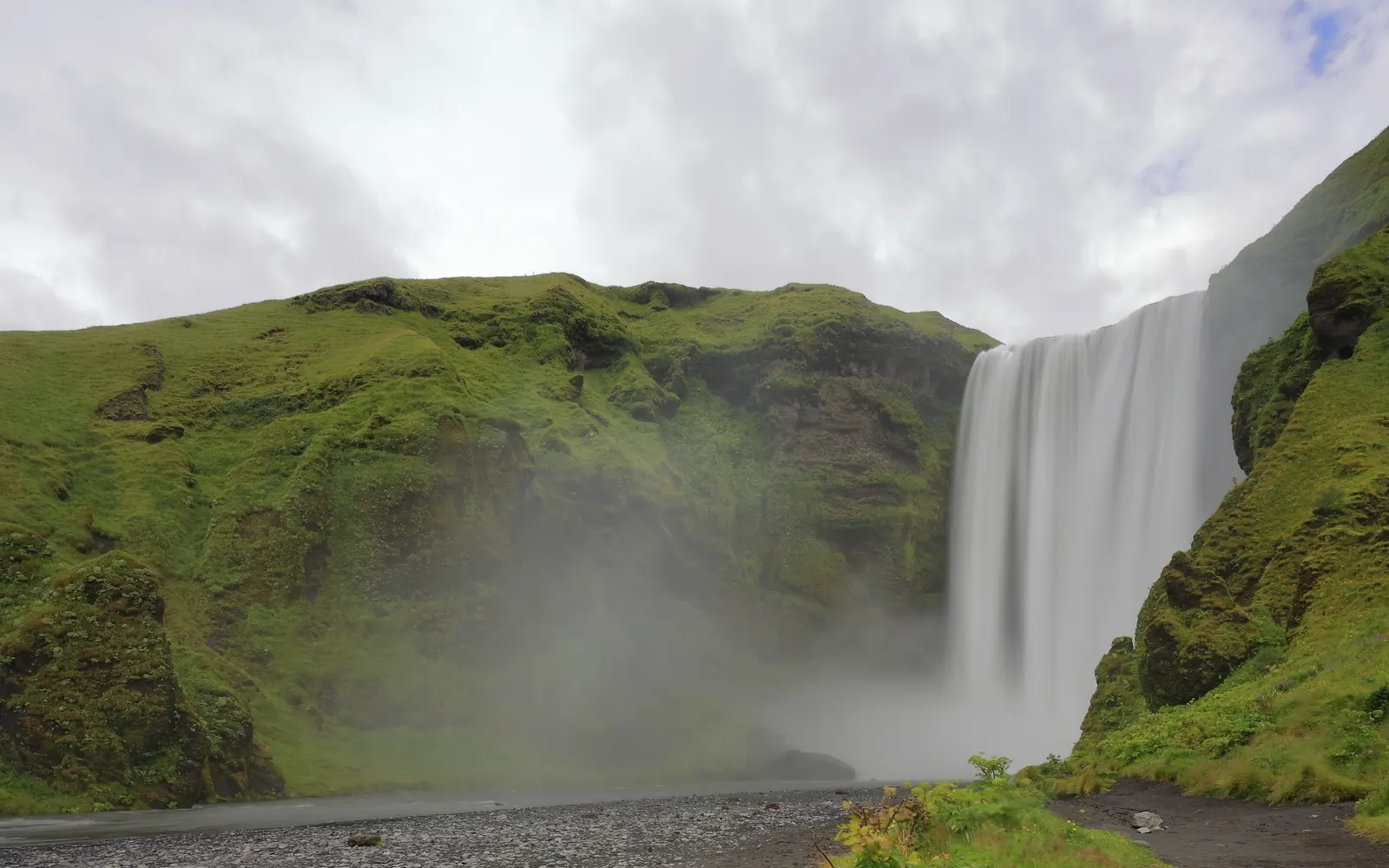
Skógafoss is not necessarily more beautiful than every other waterfall. Its advantage is that you do not have to hand over an entire afternoon before receiving a clear payoff. Official South Iceland tourism information lists it as a major attraction, and the Environment Agency explains that the protected area is managed year-round. Check parking, the path, ice and local instructions when you arrive, but among these three stops it is the strongest core image to retain when the day has to shrink.
If wind and rain have already used up your companions' energy, do not extend the walk to the top simply because “two stops remain”. Park properly, walk to a safe viewing point and leave time to put dry layers back on. For a short-daylight itinerary, that is more useful than another angle. It is why Skógafoss comes first in my three-stop order: its success threshold stays within your control.
Seljalandsfoss: treat walking behind it as extra work
Seljalandsfoss is appealing because the path brings you close to the waterfall and some sections let you feel the spray. Winter wet surfaces, ice and falling ice can change that experience. Visit South Iceland's winter-attractions information warns that surfaces near waterfalls may be slippery, and falling cliff ice makes approaching the cliff edge dangerous. Do not treat the “behind the waterfall” view in online photographs as a fixed option every day.
The practical test is simple: first check whether the path is open, then look at your footwear, your group and the next drive. If you need a handrail to walk, someone's shoes and socks are already soaked, or departure is close to sunset, watch from the safe accessible point—or cut the stop entirely. Cutting Seljalandsfoss does not mean you have failed to see the South Coast; it means an icy path has not been mistaken for a photo guarantee.
Reynisfjara Black Beach: compelling to see, impossible to force
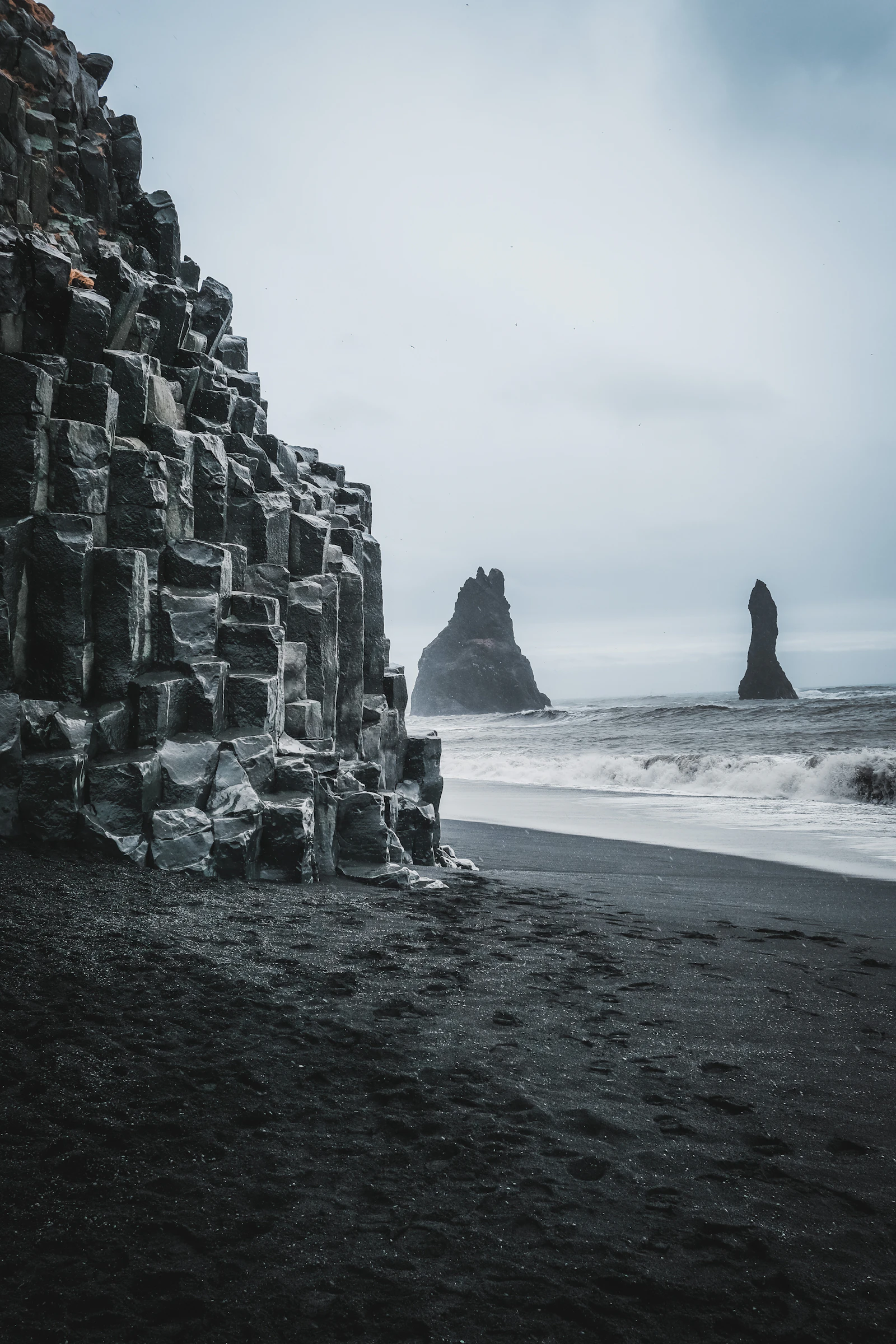
Start the Black Beach decision with safety information. SafeTravel explicitly warns about sneaker waves at Reynisfjara Black Beach, tells visitors to stay away from the water, never turn their backs on the sea and watch for rockfall. With an orange warning, stay at least 25 metres from the sea; with a red warning, the beach closes and you may view it only from the designated viewing area. These are conditions that can cancel the planned stop, not suggestions to “be a little more careful” after arrival.
Write Black Beach in the itinerary as a conditional stop, not as “stop three”. If the safety light or staff ask you to remain in the viewing area, you can still see the coast, basalt columns and sea stacks. What you lose is the waterside angle, not the whole South Coast. If someone wants a wave photograph and refuses to step back, do not make the rest of the group carry the risk for that image.
When daylight is short, leave a line in the schedule for “not going”
| Task | Minimum responsibility to allow for | It is not simply | What means you should cut back |
|---|---|---|---|
| From the parking area to the waterfall or viewpoint | Put on layers, check the surface, walk back to the vehicle | The arrival time shown by navigation | Ice on the surface, poor visibility, companions already tired |
| Black Beach safety check | Entrance warning light, local instructions, exit route and watching your companions | Seeing black sand and being free to walk towards the sea | Orange or red warning, closure, surf changing quickly |
| Leaving for Vík or accommodation farther east | Fuel, dinner, check-in contact and next-day meeting time | Finishing the last stop and calling the day over | Estimated arrival already close to the latest practical check-in |
If you have only three effective hours of daylight, do not divide the three stops into one hour each. Choose one stop you can complete properly, add a second only if its conditions hold, and give the third a clear cut rule. If snow and wind intensify in the afternoon, the day then becomes “one waterfall fewer”, not “everyone searching for a hotel entrance in the dark”.
Without a rental car, the three stops are not yours to add
South Coast day tours usually bundle their main stops, meeting arrangements, return to the city and time on site into the product. Read South Coast without a car: Black Beach tour or the long Glacier Lagoon day? first if needed; that page handles the firm return time, time on the coach and the activity product, while this page handles the winter short-daylight trade-off between three stops. Being on the same South Coast route does not mean you can add a stop on the day.
If the confirmation says only “South Coast” and does not clearly name the three stops, time on site or how safety changes are handled, do not treat website photographs as a same-day promise. Before paying, check the meeting point, return time, cancellation terms and winter stop-change policy. That will prevent more disappointment than looking for a fourth attraction.
Deal with the evening only after the three-stop decision
If you decide to stay in Vík, compare accommodation for the same dates
A winter South Coast accommodation CTA should appear after the reader has decided which stops to keep. Once you have checked the Black Beach safety window, next-day direction and late-arrival time, these three entrances become useful; compare the same dates, guests, room type, breakfast, parking and cancellation terms.
ICENAVI · WINTER SOUTH COAST DECISION
Three stops are not a completion score. Finishing safely before dark is.
Skógafoss is the steadiest core, Seljalandsfoss depends on the path and your energy, and Reynisfjara Black Beach is decided by the warning light and sea conditions. Keeping one stop that you are prepared to cut is usually more like real winter travel than ticking all three names.
Before leaving, ask yourself: how much effective daylight do we have today? Which stop can we cancel without regret? Are the latest check-in time and tomorrow morning's meeting already on the same schedule? Have road notices, weather and SafeTravel all been checked again at the same departure time? If one of these four questions has no answer, shorten the list instead of adding another stop.
Related reading
Connect the three South Coast stops to the route
South Coast destination decisionsVík destination guideSouth Coast without a car: Black Beach day tour or the long Glacier Lagoon day?More reading
Then handle winter transport and accommodation
Winter driving in Iceland: how to decide whether to move in the morningHow to read Iceland road-condition sites: notices and closuresOne night or two in Vík?Q&A · Questions to settle before departure
Can you really keep only three attractions on the winter South Coast?
There is no fixed number. Three is a practical upper limit that puts representative sights, direction and safety responsibility in one plan; if road or beach warnings change, two stops—or one—may be the better choice.
How should Seljalandsfoss, Skógafoss and Reynisfjara Black Beach be ordered?
West to east usually reduces backtracking, but the order is not a guarantee. Check roads and wind on the departure date, then place the stop most affected by daylight or safety conditions where you still have room to change course.
Can Reynisfjara Black Beach be treated as an ordinary photo stop in winter?
No. Sneaker waves and warnings can cancel the stop immediately. Stay beyond the safe distance and follow the signs on site; an attraction is not an automatic line in the itinerary.
References · Sources and limits
References
The following sources were checked on 7 September 2026. Winter roads, paths, warning lights, surf, closures, parking, operations and accommodation terms can change; check the latest official pages and on-site signs before departure.
- Visit South Iceland · The South Coast: official destination background for the main South Coast route, Seljalandsfoss, Skógafoss and Reynisfjara Black Beach, plus the year-round route description.
- Visit South Iceland · December: seasonal context for average December daylight, winter roads and attraction conditions.
- SafeTravel · Black Beach Safety: sneaker waves, rockfall, yellow/orange/red warnings and the minimum 25-metre distance at Reynisfjara Black Beach.
- Visit South Iceland · Top Destinations: South Coast attraction background and warnings about slippery surfaces and falling ice near winter waterfalls.
- Umferdin · official road information and SafeTravel Iceland: starting-day entry points for checking roads, weather and safety conditions.
- OpenStreetMap contributors: base map and public geographic data for the South Coast location map in this article; the map is not navigation.
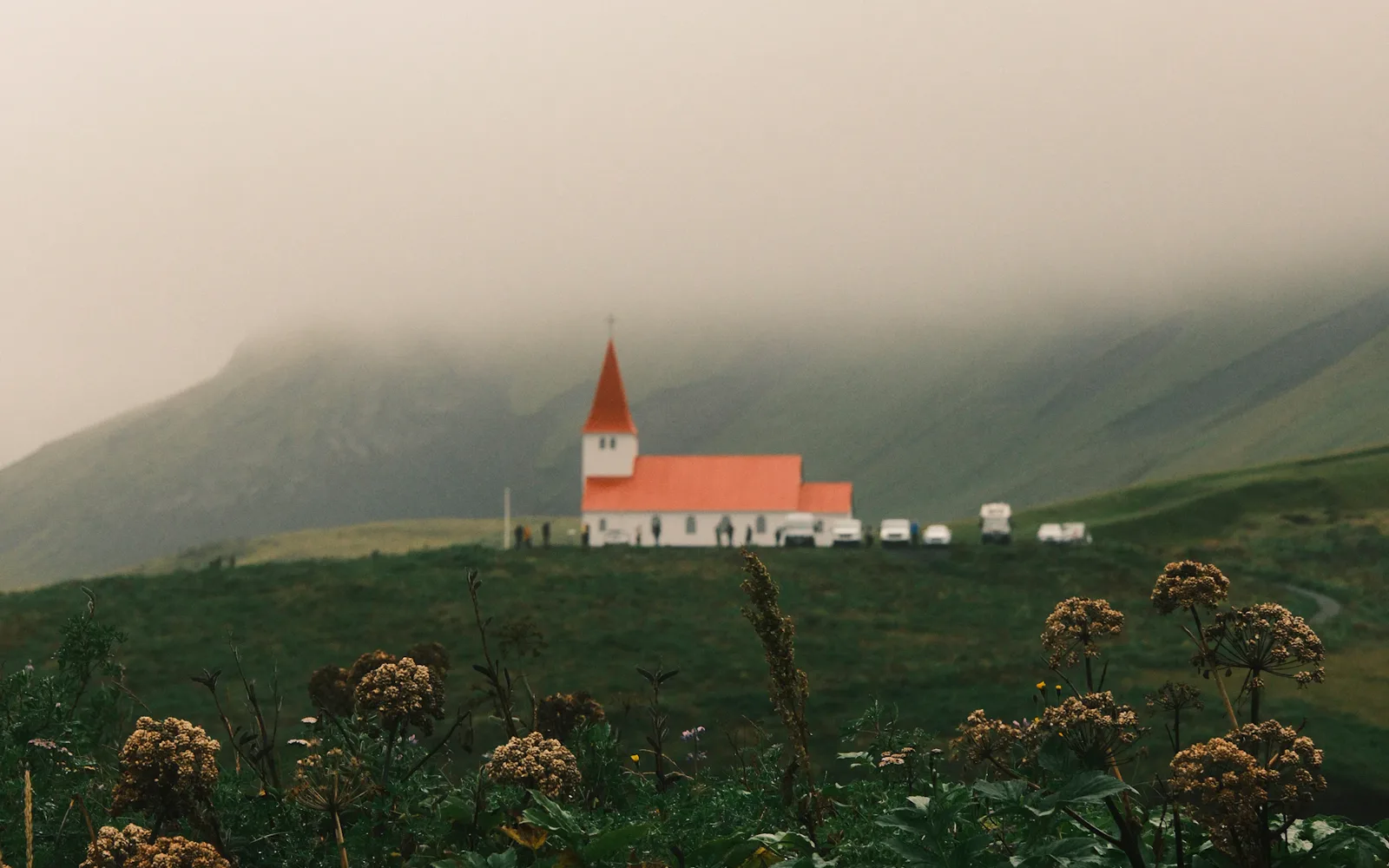
- Hero and body photographs: existing ICENAVI real-view Skógafoss assets; the photographs show the scale of the attraction only and do not represent same-day weather, trail access or safety.