
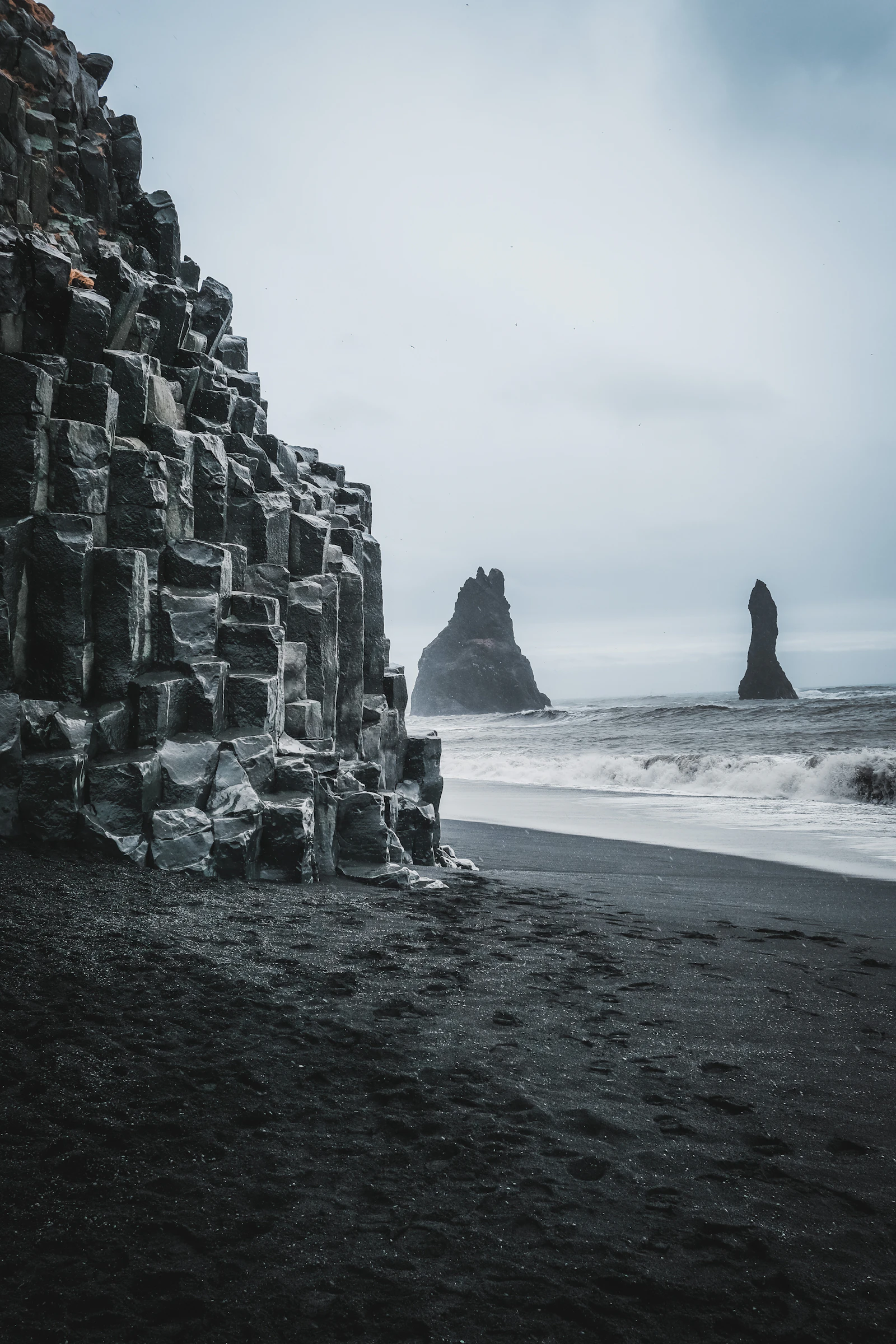
Some itineraries reduce the two names to “black sand beach and headland, one hour total”. It rarely works that way on the ground: at Dyrhólaey you may stop at the upper viewpoint, then move lower to find another angle; after that you drive to Reynisfjara, put on another layer, cross gravel and black sand, and allow time to watch the waves. If lunch, an ice-cave meeting or hotel check-in is fixed, that neat hour can easily become two and a half.
ICENAVI ROUTE FIT · VÍK COAST
Which half-day combination gives the steadier return?
These scores compare itinerary decisions; waves, closures and bird-protection measures can change by date.
The high headland view and the beach’s sea stacks offer enough contrast for half a day.
Both lie on the roads south of Vík, so a one-night stay can lead naturally into the next direction.
Wind, waves and low cloud can weaken the coastal view at the same time; keep a short-stop fallback.
Vík is the base; Dyrhólaey and Reynisfjara do different jobs
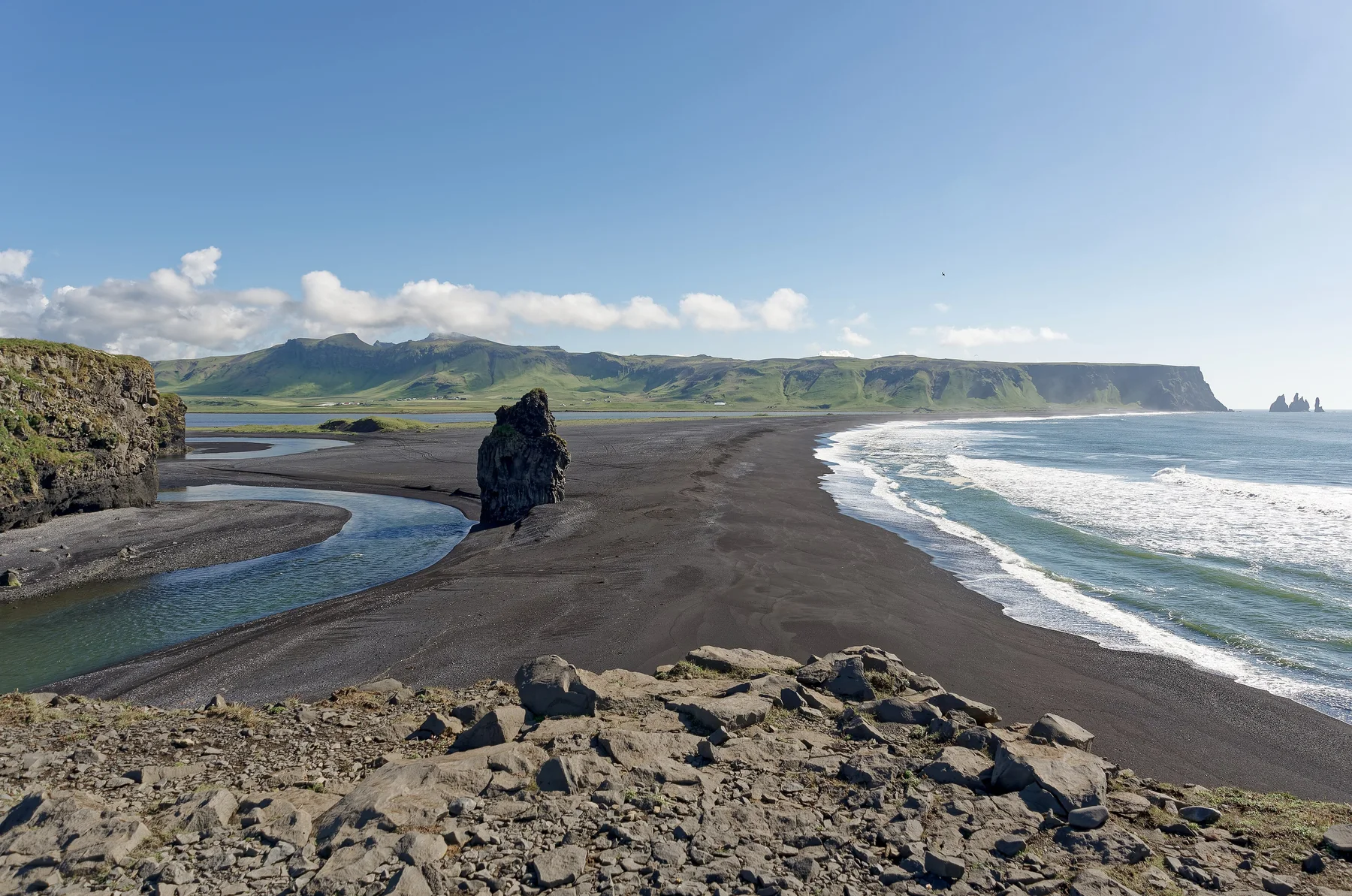
Dyrhólaey is a high headland with an arch viewpoint. It puts the South Coast, black sand and sea stacks into one broad scene; the lower road feels different from the upper viewpoint, and there is still a walk after parking. Some positions may be restricted during the annual nesting season, while puffin sightings depend on both season and time of day. Treat seeing puffins as a possibility, not a daily guarantee.
Reynisfjara is about the basalt columns, Hálsanefshellir cave and the Reynisdrangar sea stacks offshore. It is the wrong place to measure success by reaching the water. SafeTravel uses different beach-risk conditions: yellow still requires distance, orange means staying well away from the water, and red limits viewing to designated positions. After coastal erosion in 2026, some facilities and access limits have changed; check what is open when you arrive.
| What you most want to do | Go first | Practical cost | Itinerary call |
|---|---|---|---|
| See the full coast and sea arch | Dyrhólaey | Upper parking, walking and wind | Do the stop most affected by cloud while visibility is best |
| See basalt columns and black sand | Reynisfjara | Waves, erosion and walking distance | Stay in the safe zone; the waterline is not the photo target |
| Look for puffins in summer | Dyrhólaey | Season, protection limits and wind | Go earlier in the day and keep an alternative stop |
| Strong wind, low cloud or little time | Keep the easier stop to abandon | You may have only the upper viewpoint | Dropping one stop is better than rushing both |
From the Vík destination guide, both sites work well as a driving loop, but first decide whether dinner is still in the village tonight. If you are staying outside town, finish at the side closer to your accommodation to avoid an extra turn and a second search for the road. If you are heading east to Jökulsárlón and Skaftafell tomorrow, do not stay at the beach until darkness: a short distance between sights does not remove Route 1 wind or driving fatigue.
A South Coast day tour from Reykjavík usually combines waterfalls, Vík and the black beach; you give up the freedom to wait for a particular light, but the operator handles the return plan when conditions change. Drivers can use the South Coast day-tour meeting and return times as a reverse check: if the group version needs ten hours, do not add an ice cave or paragliding to your self-drive half-day.
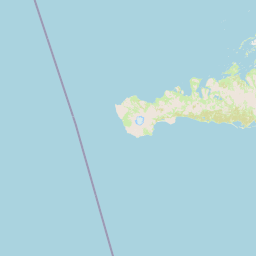
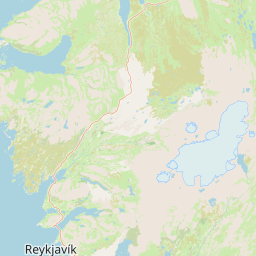
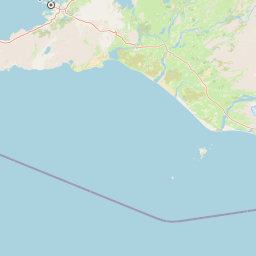
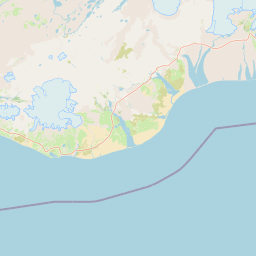 VíkStay / suppliesDyrhólaeyHeadland viewpointReynisfjaraBlack sand / waves
Use the day’s light and your fallback plan, not a checklist
In clear weather with lighter winds, I would put Dyrhólaey in the morning or early afternoon. The high headland needs visibility; when cloud drops, the distant coastline disappears first, while the beach’s columnar cliffs retain close detail. Visit Reynisfjara later and the day can finish with a shorter coastal stop. If the wind rises, let the conditions decide the order rather than forcing a second stop because you are already in the car park.
Cloud does not make either place pointless, but low cloud reduces what the headland can give you. A rain shell, hat and grippy shoes matter more than a new filter; black sand holds water, so leave a bag in the car for wet layers. If someone in your group wants an easy view, stop at the upper Reynisfjara viewpoint. Removing the exposed section is a sensible safety decision, not a failed visit.
On short winter days, the two coast stops plus a waterfall are enough for a complete half-day. The logic of a February South Coast itinerary is to lock in fixed meetings, driving and check-in first; the coastal stops are the flexible part. Summer’s long daylight gives you more room, but midnight sun does not remove the need for sleep and fuel before an eastbound drive to the glacier lagoon.
ICENAVI · FINAL CALL
Link the two in half a day; when waves change, keep only the safe stop
For a one-night stay in Vík, the smoothest version is usually Dyrhólaey plus Reynisfjara, then dinner and luggage in the village. Puffins, a sunset and a photograph close to the surf are not worth trading away a paid night or tomorrow’s long drive. The sights will remain; your route margin is what disappears.
Related reading
If you have not decided between one and two nights, start with one or two nights in Vík and fit the sights around tomorrow’s drive.
More reading
For an ice-cave stop or other South Coast sites, see the ice-cave meeting-point guide and the Iceland South Coast destination guide.
Q&A | Questions before a Vík coast day
Can I visit Reynisfjara and Dyrhólaey on the same day?
Yes. They are close, but allow about half a day in practice; parking, walking, wind and the safety status on arrival can shift the timing.
Should I visit the black beach or Dyrhólaey first?
For distant views, the coastline or summer puffins, start at Dyrhólaey. If wind or cloud is worsening, complete the headland while visibility is still useful. Recheck Reynisfjara’s wave conditions on the day.
Can I walk down to the sea at the black-sand beach?
Do not make the waterline your photo target. Follow the signs and stay within the safe zone; yellow, orange and red conditions allow different areas, and red means viewing only from designated positions.
Do I need both stops in winter?
With short daylight and an eastbound drive tomorrow, one or two coastal stops are enough for half a day. Adding waterfalls, fixed activities and a long drive usually removes the return buffer first.
References | Check before departure
- SafeTravel Iceland: Black Beach Safety (wave-risk levels, safe zones and short-term closure information for Reynisfjara).
- Icelandic Tourist Board: Reynisfjara Recent Changes (coastal erosion and access changes in 2026).
- Environment Agency of Iceland: Dyrhólaey access and management (protected-area access and nesting-season management).
- OpenStreetMap contributors (base map for the location graphic).