
ICENAVI ROUTE FIT · ELEVEN DAYS
Use the extra nights to protect fixed plans
These scores assess the four common ways to use two extra nights on an eleven-day Ring Road trip; options without enough supporting evidence are left out.
Nine full days can connect the South Coast, glacier lagoon, East Iceland and North Iceland while leaving one slot for adjustment.
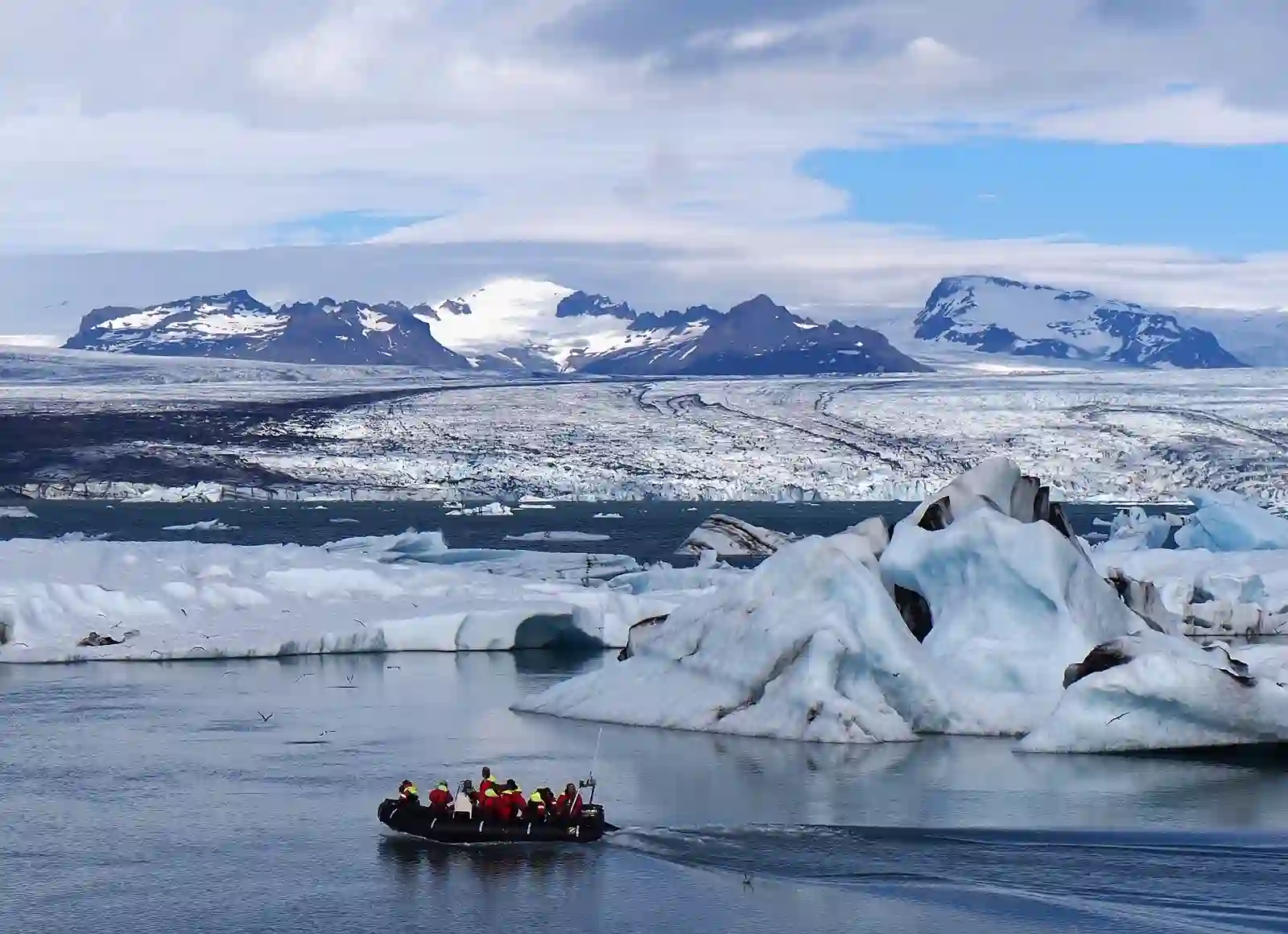
Ice caves, glacier hikes and glacier-lagoon boat trips have fixed meeting times; an extra night gives you the best chance of rescheduling.
Mývatn, Húsavík and Akureyri each bring different timing considerations; an extra night avoids forcing multiple regions into one day.
Two nights allow only one Westfjords entry theme; a delay on the ferry or Route 60 can push every later accommodation booking out of place.
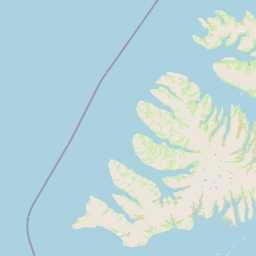
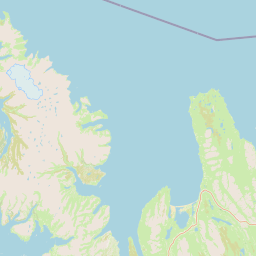
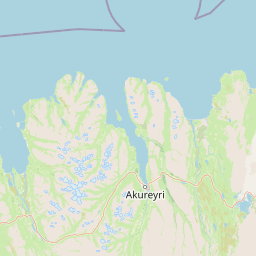
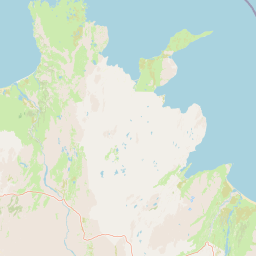
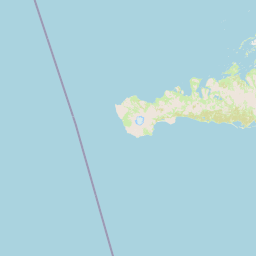
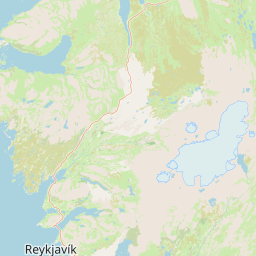
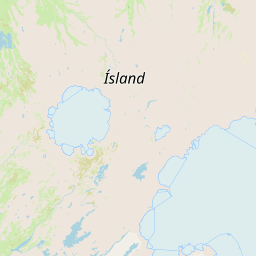
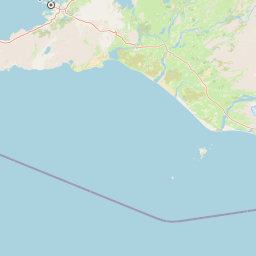
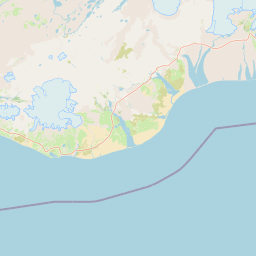
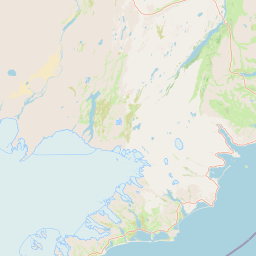 ReykjavíkArrival / departureVíkSecond South Coast nightEgilsstaðirEast Iceland transferMývatnExtra North Iceland nightWestfjordsWorth two nights only
Subtract the two partial days before planning eleven days
Arrival day usually includes immigration, collecting the car, buying water and checking in for the first night; departure day requires fuel, returning the car and walking to the terminal. Together, those two days often leave only four to six usable hours. If your flight arrives in the afternoon, put the first night in Keflavík or Reykjavík; only an early arrival gives you a realistic chance to make the Golden Circle your first full day. Use the Iceland trip-length guide to convert calendar days into full daylight before applying the eleven-day version.
| Two-night option | Route shape | What the time protects | What you give up |
|---|---|---|---|
| South Coast 1 + North Iceland 1 | Stay in Vík or by the glacier lagoon, then stay in Mývatn / Húsavík | Fixed activities and a weather fallback | Westfjords depth |
| South Coast 2 | Two base nights in Vík, Skaftafell or Jökulsárlón | Ice caves, glacier hikes and rescheduling a boat trip | A slower North Iceland visit; choose one activity |
| North Iceland 2 | Mývatn + Húsavík, or Akureyri + Mývatn | A second whale-watching attempt, baths and wet-weather alternatives | Some Eastfjords branches |
| Westfjords 2 | Enter from Snæfellsnes or the south and follow one coastal-headland theme | Low-density coast and seabird cliffs | A full section of the main route; you cannot casually cover the whole island as well |
The steady first-trip version: one extra night in the South and one in the North
This is the allocation most likely to leave a first-time Ring Road traveller with few regrets. South Coast activities have clear meeting windows, and ice caves or glacier hikes can lock up half a day; stay in Vík or near the glacier lagoon so you do not have to rush to the meeting point from far away the next morning. Put the other night in North Iceland, where the Mývatn geothermal area, Dettifoss and whale watching from Húsavík do not have to compete for the same day.
Place the South Coast extra night around the activity: for an ice-cave tour leaving from Vík, Vík preserves an early start more easily than Höfn; if the meeting point is Skaftafell or Jökulsárlón, move the bed east. The guide to splitting ice-cave meeting points and accommodation goes deeper into exact locations and luggage decisions. In the North, choose the whale-watching harbour first, then decide whether changing rooms between Mývatn and Akureyri is worthwhile; the two-night Mývatn or Húsavík comparison takes that next step.
The deeper South Coast version: give both extra nights to the glaciers
If glaciers are the trip's main focus, concentrating both nights on the South Coast is more useful than spreading them evenly. Put the first night in Vík and the second in Skaftafell or by the glacier lagoon, leaving one morning for a glacier hike and the afternoon for icebergs. This version removes the North's buffer, so choose only one North Iceland focus: whale watching, Mývatn's geothermal area, or Goðafoss and an Akureyri town day. Do not treat all three as compulsory.
This option suits March to October, dependable flight times and companions willing to accept more driving. If winter slows the South Coast roads, keep one cancellable activity even with two consecutive nights; placing the ice cave in the middle of the trip is easier to rearrange than putting it before departure. For a comparison of South Coast density and Ring Road coverage, read the five-day South Coast versus six-day Ring Road trade-off, then return the eleven-day surplus to the activity area.
The deeper North Iceland version: give both extra nights to the north
Two consecutive nights in the North let you separate weather from sea conditions. If rough seas cancel whale watching, there is still a chance to try again the following day; if low cloud settles over the Mývatn geothermal area, walk Hverfjall or Dimmuborgir first and move the baths to late afternoon. Staying at one base also lets you leave the camera, wet coats and food in the room, avoiding another boot-trunk reorganisation in a car park.
Travelling north from the Eastfjords, the transfer from Egilsstaðir to Mývatn is easy to underestimate. Do not force a Húsavík boat trip into the same day; place the two North Iceland nights in the middle of the trip, continue west after the activity, and return to Reykjavík or the airport only for the final night. Use the four-day North Iceland route to separate the roles of Mývatn, Húsavík and Akureyri.
With only two Westfjords nights, choose one defining landscape
Two Westfjords nights are not a free add-on to a Ring Road trip. Entering from Snæfellsnes may require the Baldur ferry or Route 60; approaching from the north adds long stretches of road. The most realistic two-night plan chooses one theme: a southern headland, Dynjandi or the town of Ísafjörður. To combine seabird cliffs, waterfalls and the northern fishing ports, allow at least three to four nights and read the three- or four-night Westfjords comparison.
Only travellers who have already covered the South Coast and Mývatn should consider exchanging the two nights for the Westfjords. Put one night in Patreksfjörður and the other in Flókalundur or Ísafjörður, and write the next day's exit direction into the accommodation plan. If the transport window is uncertain, cancel the Westfjords and return both nights to the South and North; the whole trip will absorb one fewer chain reaction.
The season changes what the two nights are for
From June to August, long daylight lets the two nights buy back trail time and coastal stops; in September and October, check the forecast first, then decide whether the buffer belongs in East Iceland, the North or the South. From November to March, short days and road conditions turn an extra night into practical safety space: you do not have to chase a pretty ETA through snow and wind, or push dinner and check-in into the night to reach an activity. Use the weather forecast and road-decision guide before each day's departure.
ICENAVI · ELEVEN-DAY CALL
Put the two nights where a delay costs the most
Ice caves, whale watching, ferries and remote headlands all operate within fixed windows. Give the extra nights to the bookings that are hardest to move, and trim the sightseeing list when weather demands it. If activities are not booked yet, one South Coast night plus one North Iceland night leaves the most ways to change course.
Before booking, answer three questions: Which activity cannot tolerate a late arrival? Which drive would be hardest to reverse in snow or strong wind? Would you accept a long drive on the night before departure? The answers point directly to the South, North or a weather buffer. To assign a bed to every night, use the Iceland accommodation night plan and check the first and final nights again.
Q&A · Planning an eleven-day Iceland route
Can I complete Iceland's Ring Road in eleven days?
Yes, provided that arrival and departure still leave about nine full days and you accept moving along the main route each day. If your flights consume more time, remove the Westfjords or an Eastfjords branch.
Will I miss North Iceland if I put both extra nights in the South?
You can still keep one North Iceland theme, either Mývatn or Húsavík; two South Coast nights suit routes with more fixed activities such as ice caves and glacier hikes.
Should I add the Westfjords to an eleven-day winter trip?
In most cases, no. Treat the two nights as road and activity buffer in winter, and consider a remote branch only after the main route is confirmed.
Do I need to change hotels every day on an eleven-day trip?
No. Two consecutive nights on the South Coast or in North Iceland reduce luggage moves and the time spent finding a new entrance, while making activity changes easier to manage.
Should I spend the final night in Reykjavík or near the airport?
For an early flight, the airport area or Keflavík is simpler; an afternoon flight leaves room for a city morning in Reykjavík, but allow time for fuel and returning the car.
References
- Vegagerðin · Travel information (road and traffic information).
- SafeTravel Iceland (road conditions and safety information).
- Visit Iceland · Regions (regional and route background).
- OpenStreetMap contributors (the real map base used in this article).