
ICENAVI · NORTH ICELAND BASE CHECK · TWO NIGHTS
Choose tomorrow morning's fixed time first
Use these checks for meeting points, sight locations, accommodation logistics and the next day's direction; they do not guarantee a boat, sea conditions or roads on the departure date.
Staying put absorbs weather and activity delays better than moving once; this describes how well the base absorbs a two-night plan, not which town is better.
Húsavík keeps harbour check-in, sea-condition waiting and dinner after the return within one small town; use the supplier's confirmation for the exact address.
Hverir, Dimmuborgir, Skútustaðagígar and the Mývatn baths are in one area, although local transport still needs a car or advance planning.
With two nights, luggage, check-in, wet clothes and the final transport leg can consume a usable half-day.
Húsavík is more than a whale-watching stop
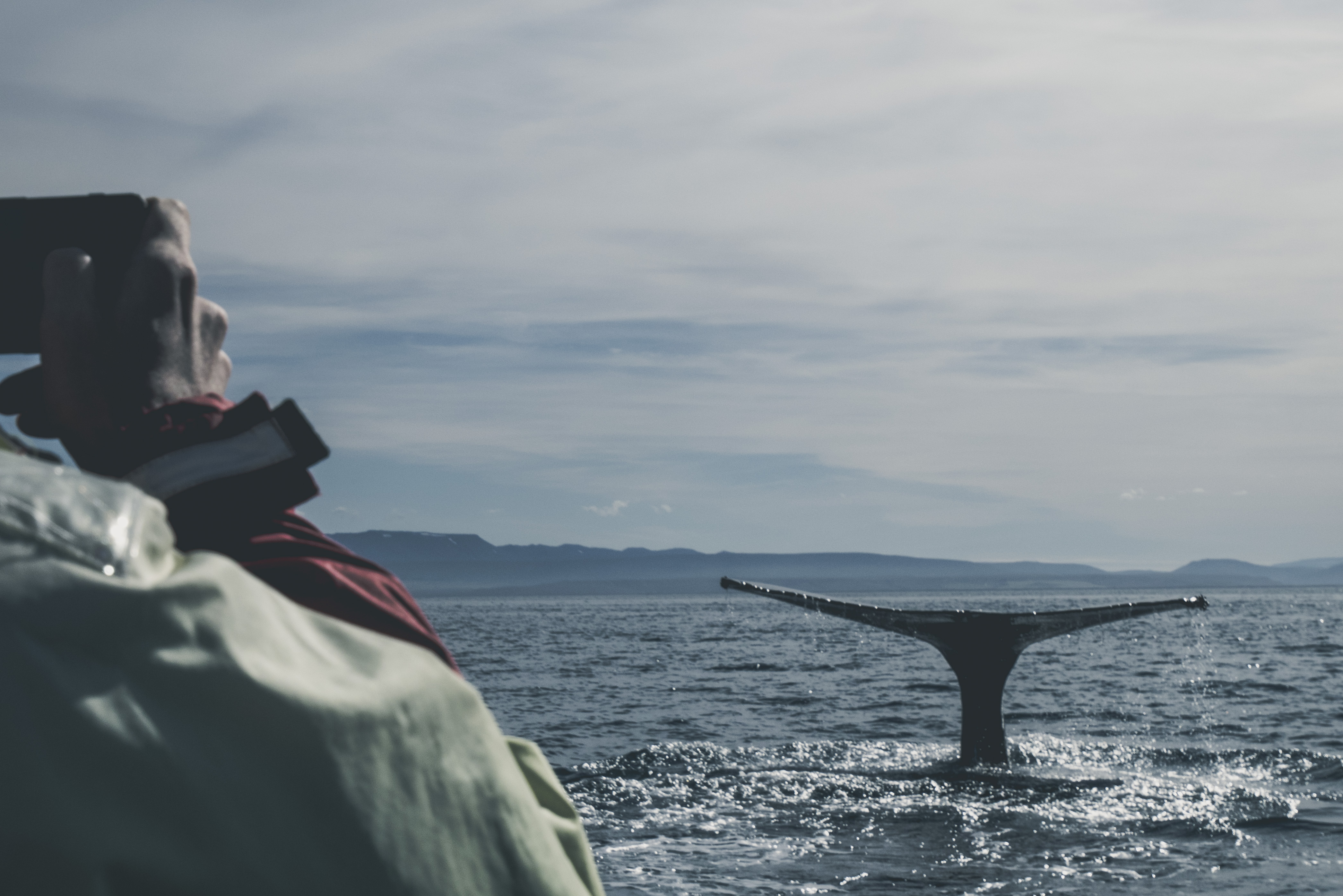
Whale-watching involves check-in, the boat trip, waiting for sea conditions and wet clothes afterwards. A Húsavík hotel leaves the harbour, restaurants and indoor alternatives close by if a trip is cancelled or delayed; it does not guarantee whales. See whether to stay in Húsavík or make a day trip for the related decision. If an early boat is booked, the quay address in the confirmation matters more than the town name.
Mývatn evenings reduce the next day's backtracking
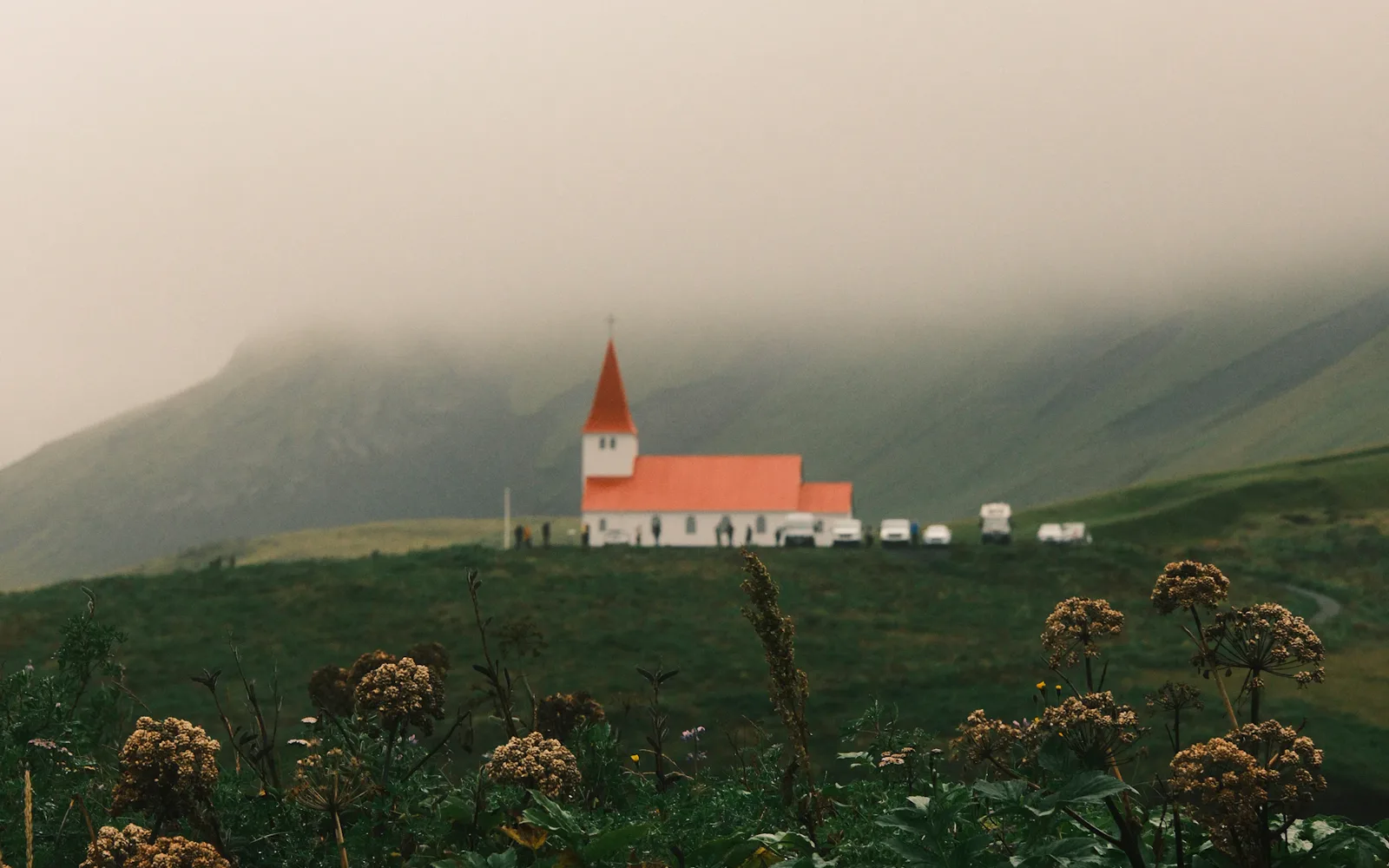
Mývatn's sights are spread out, but remain within one North Iceland area. Hverir's geothermal ground, Dimmuborgir's lava, Skútustaðagígar's pseudocraters and the baths do not require a new departure from Húsavík each day. If the next day points east, staying in Mývatn is more sensible than returning to the harbour; if it points towards Akureyri or west, plan backwards from the final night's road direction.
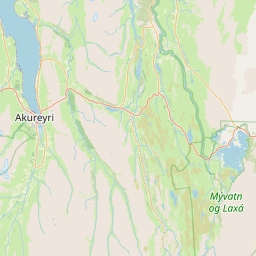
| Main task | Better base | Cost to accept |
|---|---|---|
| Early whale-watching, sea-condition waiting | Húsavík | Arrange transport for a Mývatn geothermal day |
| Geothermal, lava, eastbound departure | Mývatn | Dinner and supplies are more spread out |
| No car, indoor alternatives, city services | Akureyri | One bus map cannot connect both areas |
| Only two nights and unsettled weather | Either place, staying put | Flexibility is not a promise of clear skies |
The risk is stacking two fixed times into two nights
Mývatn and Húsavík may look manageable on a map, but fixed times create the pressure: whale-watching needs an early harbour arrival, bathing has an entry slot, and the next hotel may have its own check-in or meeting time. Every base change means handling luggage, parking, supplies and dinner again. If sea conditions delay the boat, the planned lake stop can become a drive that cannot be cancelled. The Mývatn and Húsavík destination page covers the wider direction; this page turns the question of where to sleep into checks to make before booking.
Mývatn lets you group geothermal sights, lava and craters around the lake. If wind rules out Hverfjall, you can retain a short stop at Hverir or Dimmuborgir. Húsavík means no cross-area rush for an early boat, with dinner and rest near the harbour afterwards and easier access to North Iceland coastal activities. Neither base wins year-round: summer daylight permits more movement, while winter daylight and changing roads amplify the mistake of thinking a place is only a little further away. Before paying, write the next night's location and the latest arrival time on the same line.
If whale-watching is undecided, read whether whale-watching in Húsavík needs an overnight stay, because the boat schedule can change the accommodation order. If the lake area is settled, how to choose Mývatn sights helps remove a distant waterfall rather than forcing every place name into one day. A good two-night plan leaves one afternoon open for weather, a companion's energy or an unplanned lakeside stop.
Let the next drive decide the accommodation
Write down tonight's accommodation, tomorrow morning's first fixed time, the following night's accommodation and the latest time to return the car. If those four answers are scattered across Mývatn, Húsavík, Akureyri and a route farther east, you are accepting several transfers. Dropping one activity protects the trip more effectively than finding a prettier hotel. Mývatn suits natural sights divided into recoverable short stops; Húsavík suits a harbour, sea activities and dinner within walking distance. When weather or sea conditions change, the useful outcome is completing one main theme, not preserving a timetable with no empty space.
Map kilometres do not account for people and luggage. Winter daylight is short and summer activities are denser, so a delay first takes away dinner and sleep rather than only a photo stop. If someone has been out in the wind, has wet clothes that have not dried or does not want to move bags again, those signals should guide the choice. A two-night plan works when a change still leaves room for one genuinely wanted theme.
Q&A | Mývatn or Húsavík?
Can I move to Mývatn after whale-watching?
Only if the boat trip, return, luggage, roads and check-in time can all absorb it; most two-night trips should keep the whale-watching night in Húsavík.
Can I stay in Mývatn without a car?
Yes, but route 56 only solves arrival between areas. The final leg to Mývatn sights and the hotel needs a separate plan.
Which suits two nights: the Mývatn baths or GeoSea?
Start with the base and the next day's direction. A bath ticket does not prove that the locations work the same way; check opening arrangements and transfers against current information.
What matters most before departure?
The whale-watching confirmation, harbour check-in, sea-condition cancellation terms, road alerts, hotel cancellation terms and the next long-distance exit.