
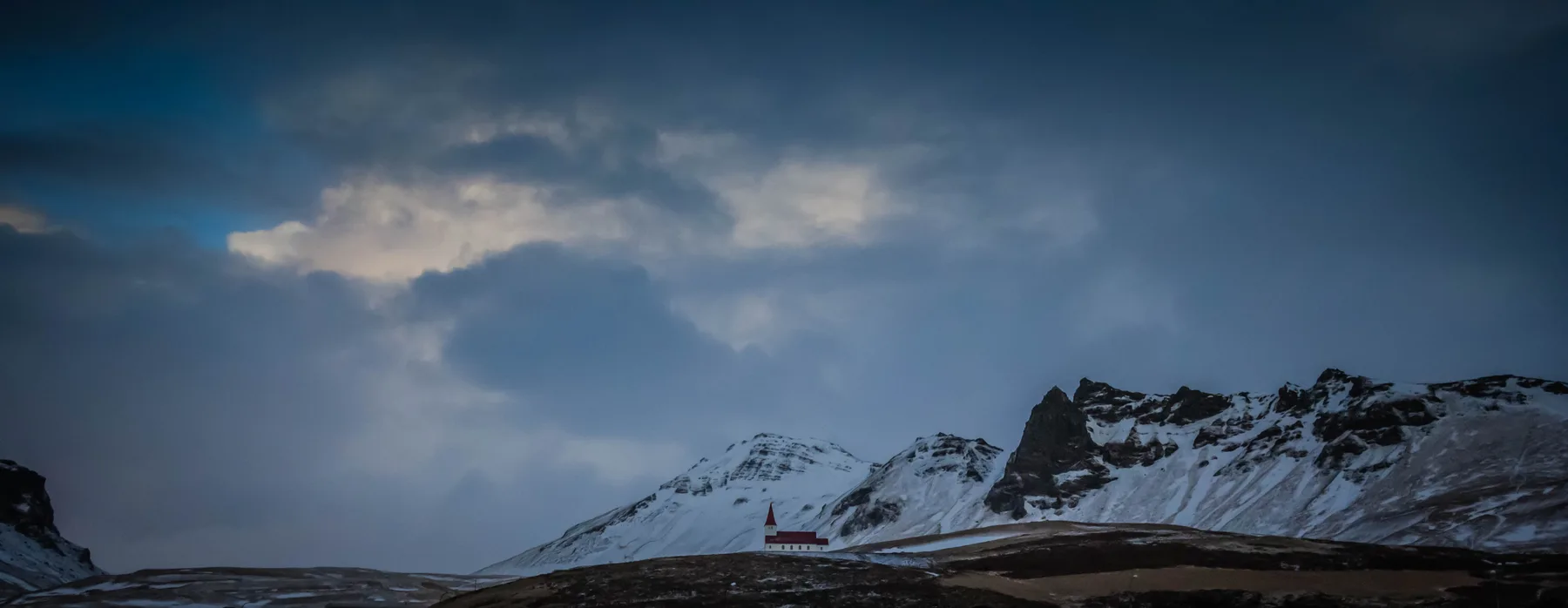
Secure the arrival and the route before paying for the glass cabin
If the aurora is your main goal, choose a base that remains comfortable when cloud cover is poor and lets you stay put when the roads worsen. Upgrade to a glass cabin when you are willing to spend a night waiting, the property has dependable food and heating, and you do not need to set off on a long drive before dawn. For a winter route, check the maximum driving time per night first; do not let the cabin push your return to the road into the most exposed part of the evening.
ICENAVI STAY CHECK · WINTER WITHOUT PROMISES
Would the room still work if the aurora never appeared?
These scores are an editorial judgement for winter-stay scenarios, not hotel ratings. Recheck roads, cloud cover, room heating, meals, cancellation terms and dates one by one.
The entrance, parking, lighting and final stretch must be clear before a glass cabin is worth discussing; being able to stay put during wind, snow or a closure matters more than the view.
Heating, hot water, somewhere to hang wet clothes, window demisting and a room where you can sit comfortably determine whether a cloudy night is still worth spending indoors.
For a remote, low-light-pollution stay, confirm dinner, breakfast and drinking water. Do not drive again into a sub-zero night for one meal; a town base usually gives you more options.
Low light pollution and an indoor waiting spot help, but cloud, mist, frost and mountains can still block the sky. A promotional photograph is not a forecast.
Roads, flights and activities can all change. A cancellable or changeable room rate turns “betting on one clear night” into a risk you can carry.
A glass cabin suits one night with half a day to wait, reliable meals and a short drive the next day. For a winter transfer or a first self-drive trip, a town stay offers steadier value overall.
Some guests book a glass cabin for the transparent roof above the bed, then discover that the cloud is low, the glass is misted, it is below zero outside and the nearest dinner requires another drive. That is not necessarily hotel deception; the photograph shows only one night when every condition worked. A good winter stay should remain comfortable when the weather does not cooperate, rather than looking perfect only when it does.
Separate “seeing the aurora” into three different wishes
Do you want to watch the sky, wait indoors or fit the aurora into a complete winter itinerary? The first requires low light pollution and a clear forecast. The second requires a comfortable room, food and a usable bathroom. The third also has to accommodate roads, activities, sleep and the next move. A glass cabin usually serves the second wish directly; the other conditions still need checking.
| Accommodation type | Main advantage | When cloud, snow or roads are poor | Best suited to |
|---|---|---|---|
| Aurora glass cabin | Wait indoors and avoid one more night-time outing | The view may fail; mist or frost on the glass still means staying indoors | A night with half a day free, nearby food and a short drive tomorrow |
| Town hotel | Restaurants, supermarkets, parking and rerouting options are concentrated nearby | Walk or wait in place without driving for dinner | A late arrival, a winter transfer or a high risk of changed activities |
| Rural cottage or farm | Low light pollution, space and quiet | The final stretch, food, lighting and rescue options are more limited | A daylight arrival, prepared food, stable roads and several nights in one place |
Five practical checks before booking a glass cabin
A transparent roof is not the end of the equipment checklist. Ask whether the windows are heated or have blackout shades, whether the heating is sufficient in low temperatures, how the bathroom and bed area are heated, whether the parking space is usable after snow, and whether the property provides aurora alerts or simply tells you to check the forecast yourself. If the answers are incomplete, treat the glass cabin as a possible view, not a promise.
| Check | Question to ask | Effect on the itinerary |
|---|---|---|
| Glass and heating | Do the windows demist automatically? How are the bed area and bathroom heated? | Determines whether staying indoors is comfortable on a cloudy night |
| Meals | Is dinner served on site, available by reservation or something we must drive for? | Avoids leaving a remote road in the dark for one meal |
| Arrival and parking | How are the entrance, parking, lighting and self check-in handled after snow? | Determines whether to arrive before sunset or stay in town instead |
| Aurora alerts | Do you provide alerts or cloud information, or only a viewing location? | Prevents hotel service being mistaken for aurora prediction |
| Rerouting | What happens to cancellation or changes if roads close or a flight is delayed? | Determines whether an inflexible rate is worth paying for the view |
None of these questions spoils the mood. Knowing how dinner, heating and the entrance work is what turns waiting for the aurora into genuine rest. The accommodation cancellation terms show how far road, flight and activity changes can ripple; a winter glass-cabin night often has a larger radius because alternatives and the final stretch may not be close.
Winter dates change the accommodation job
Daylight is short from November to February, making a daylight arrival and a night departure very different propositions. In March and April, the light returns somewhat, but thawing conditions and crosswinds can still slow the final stretch. Do not let one “winter” label decide the whole season. Recheck roads, aurora conditions, activity availability and meals for your departure month. For aurora prospects and cloud limitations, read about Iceland’s northern-lights season; it does not turn viewing potential into a hotel promise.
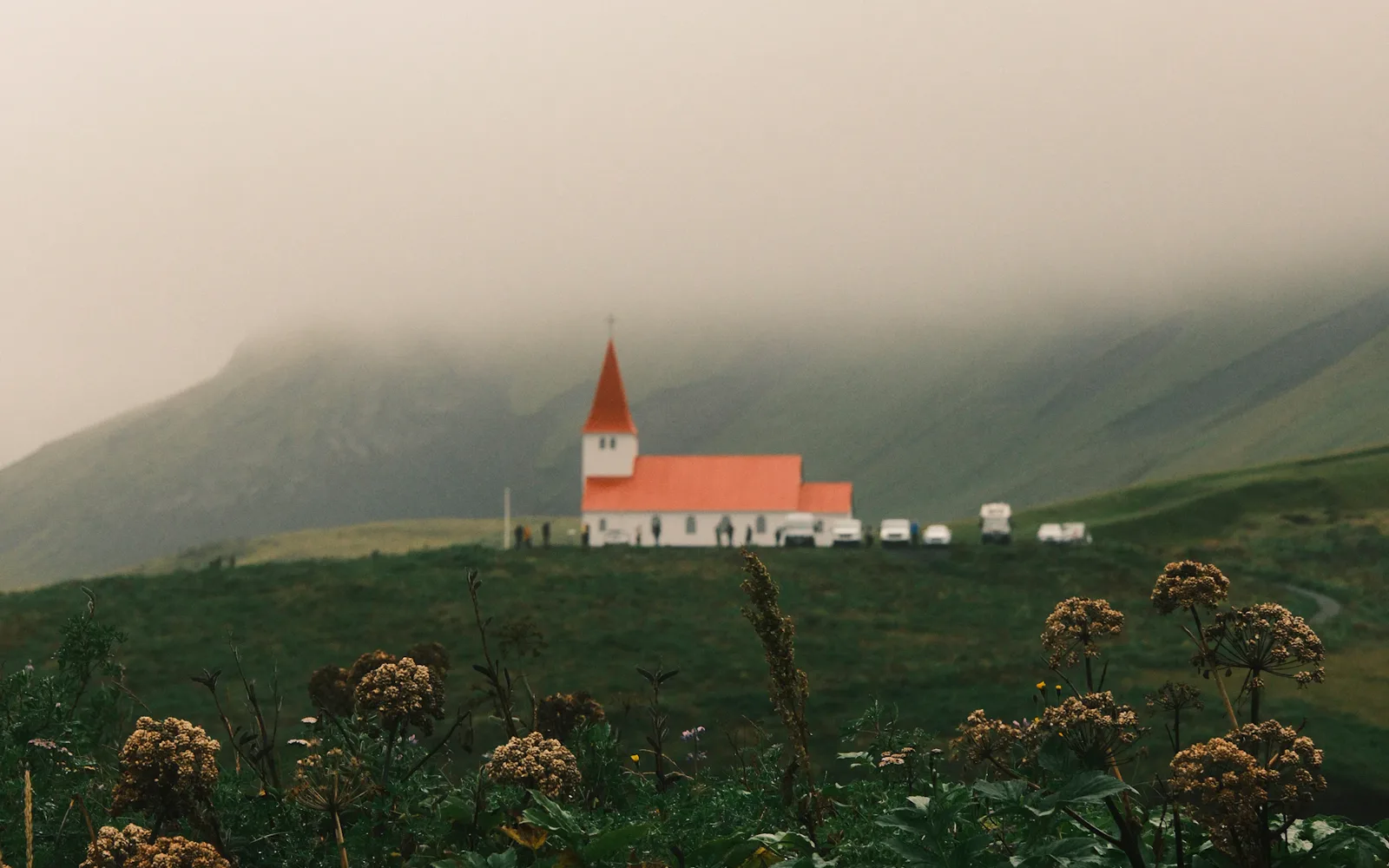
If this is your first winter self-drive, a town base is usually easier to keep flexible than a remote glass cabin. Travelling east from Vík or north from Mývatn, decide first whether tomorrow requires a long drive, then decide whether tonight justifies leaving the main road. Use Vík winter accommodation to check South Coast wind and snow, aurora conditions and the next day’s eastbound drive; it is not a recommendation that everyone stay in the village.
One glass-cabin night, or two ordinary nights?
With one night, a cloud layer over the sky leaves no recovery time. Two consecutive nights give you another chance to wait, but also add room, food and road risk. My rule is to add a night for the aurora only when you do not have to move luggage on the second night, alternative activities are nearby and the cancellation cost is acceptable. Otherwise, put one night back in a dependable town, join activities by day and wait according to conditions in the evening; you keep more flexibility.
A view and the aurora are different things. A glass cabin facing a valley may have low light pollution while a mountain blocks the sky. A city hotel may not show the stars, but you can walk safely to dinner, sleep earlier and decide the next day around the road bulletin. The choice is about assigning each night the right job.
At winter check-in, these features come before a bathtub
- The entrance and parking remain usable after snow, with clear arrival instructions.
- Heating, bathroom hot water, wet-clothes storage and somewhere to dry shoes are clearly explained.
- Dinner, breakfast or simple food is available without another night drive.
- The cancellation or change deadline, local time zone and no-show rules are written down.
- The first road segment and activity meeting point tomorrow do not force a long pre-dawn departure.
If only one or two of those five points have clear answers, even a beautiful room may be the wrong stay for that day. To separate parking, entrance and luggage distance, see the real cost of hotel parking; if breakfast opening hours and breakfast boxes also matter, read the breakfast add-on decision.
ICENAVI · Final winter-stay vote
If cloud covers the aurora, would you still want to stay here?
If the answer is yes, the glass cabin has basic value. If the answer is “then I would have to drive again for dinner or change hotels”, put the money into a dependable, cancellable base where you can wait out the weather comfortably.
When cloud covers the sky, the hotel still needs an ordinary-night use
An aurora room cannot guarantee an aurora. Its value is a safe place to wait and sleep, so check whether wake-up calls need registration, where guests can watch from, and what happens on a cloudy night. Ask about food, indoor space, late arrival, parking, the road and the cancellation charge. At a remote glass cabin, arrange dinner and breakfast before you arrive rather than driving at night to chase a clearer forecast. Choose a room you would accept even if the sky stays grey; that keeps the spend tied to accommodation instead of a weather bet.
Nine checks before you pay
- Is there half a day free, enough to wait out the weather without affecting an activity or flight?
- Is the glass cabin guaranteed as a room type, or is it a promotional photograph of the property?
- What can you do indoors if the sky is cloudy, the windows mist or frost up, or the aurora does not appear?
- Can dinner, breakfast, parking and the final stretch be handled without last-minute arrangements in the dark?
- Have heating, bathroom facilities, wet-clothes arrangements, lighting and self check-in been confirmed with the hotel?
- When a road warning appears, can the accommodation let you wait in place, or must you leave immediately?
- Which time zone applies to the cancellation deadline, and are the refund and no-show rules clear?
- Will the upgrade force an early long drive the following day?
- If the aurora does not appear, would you still consider this a comfortable stay?
Winter accommodation priorities are simple: arrive safely, stay warm, eat and sleep well, then wait for the sky. A glass cabin can be a beautiful choice for one night, but it should not turn the route into something that works only when every detail goes right.
What should you confirm first when staying in a glass cabin in winter?
Can you see the aurora from a glass cabin?
A glass cabin provides a viewing position; it cannot guarantee cloud conditions, activity or the aurora. If the weather turns, indoor heating, the bathroom, breakfast and cancellation terms determine whether the night still works.
Do you always need a room with a view in winter?
No. If you need an early start each day and road conditions may change, a room near the main road with easy parking and a delayed check-in option often reduces more pressure than a view.
How should accommodation keep a fallback when roads are blocked?
Prioritise a base with cancellation, clear check-in hours and alternative services nearby. Do not turn the whole night into a non-refundable long-drive gamble just to “see a glass cabin once”.
References
- SafeTravel Iceland (winter roads, wind, snow and same-day safety advice).
- Icelandic Met Office | Aurora forecast (cloud and aurora forecasts; recheck on the day of travel).
- Visit Iceland | The Ring Road (road scale and Ring Road context).
- Hero image: Casey Allen / Wikimedia Commons, CC0 1.0; shows only the winter slopes and settlement around Vík, not same-day road conditions on Route 1, wind, warnings, visibility, aurora or room views.